
H.M.S. Assistance and Pioneer fast to the Floe, off Cape Majendie, Wellington Channel, 1853 — History & Facts
In the heart of a frozen sea, the clash of nature and human endeavor reveals a world fraught with tension and unspoken betrayals. Here, the resilient ships stand anchored, their forms both defiant and vulnerable against the icy expanse, whispering tales of exploration, ambition, and the perilous allure of the unknown. Look to the center, where the intricate details of the vessels invite your gaze. The *H.M.S.
Assistance and Pioneer* are rendered with precision, their polished hulls contrasting sharply with the jagged ice surrounding them. Notice how the soft hues of dawn illuminate the scene—pale blues and warm oranges blend to create a delicate interplay of light and shadow, evoking a sense of fragile hope amidst the frigid landscape. May’s masterful brushwork captures the textures of the ice, giving depth to the overwhelming cold, while the ships stand as symbols of human tenacity against nature's relentless grip. Yet, beneath the surface, an unsettling tension simmers.
The ships, symbols of exploration, also embody betrayal—betrayal of trust in nature, with the impending threat of collapse and despair lurking in the ice that binds them. The stillness of the scene belies the chaos of emotions felt by those aboard, caught between ambition and vulnerability. The frosted environment becomes a metaphor for the fragility of human dreams, encased in an unforgiving reality. In 1855, Walter William May painted this work during a time of increasing interest in Arctic exploration.
The mid-19th century was marked by adventurous pursuits amid the harsh realities of uncharted territories. May, who was capturing his experiences as an artist aboard expeditions, reflected on both the beauty and danger inherent in these voyages, blending personal narrative with the broader themes of exploration and its inevitable consequences.
More Artworks by Walter William May
Browse all →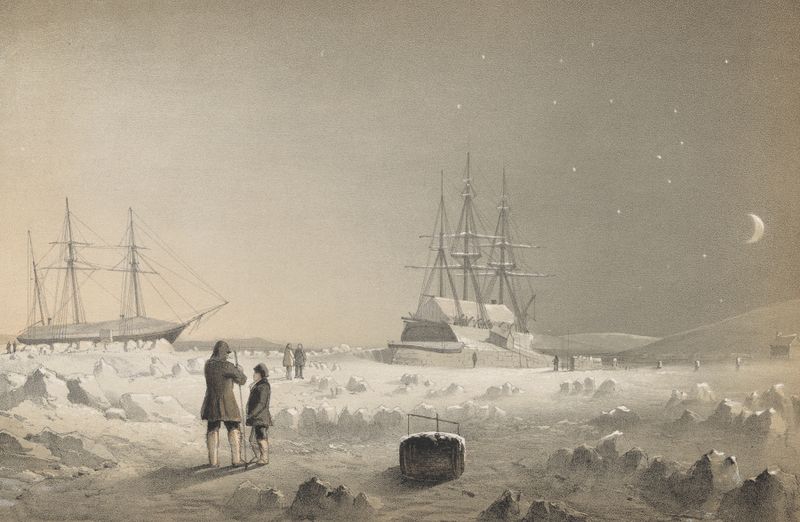
H.M.S. Assistance and Pioneer in Winter Quarters—Returning Daylight
Walter William May
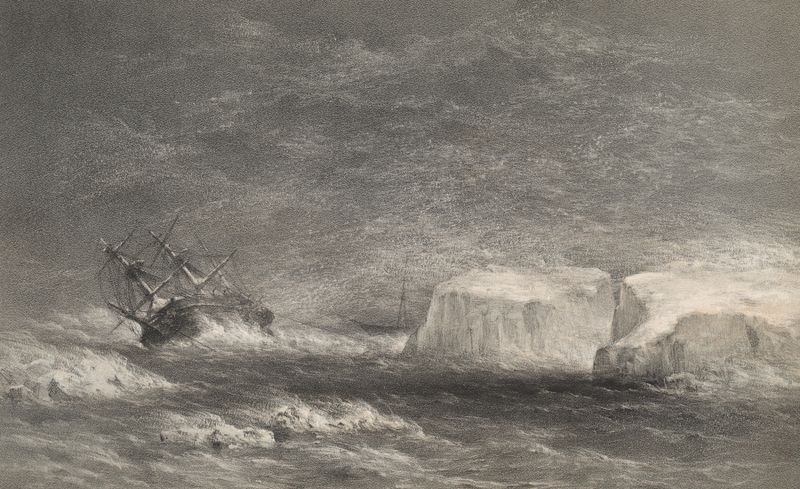
Perilous position of H.M.S. Assistance and Pioneer, on the evening of the 12th of October, 1853.—Disaster Bay
Walter William May
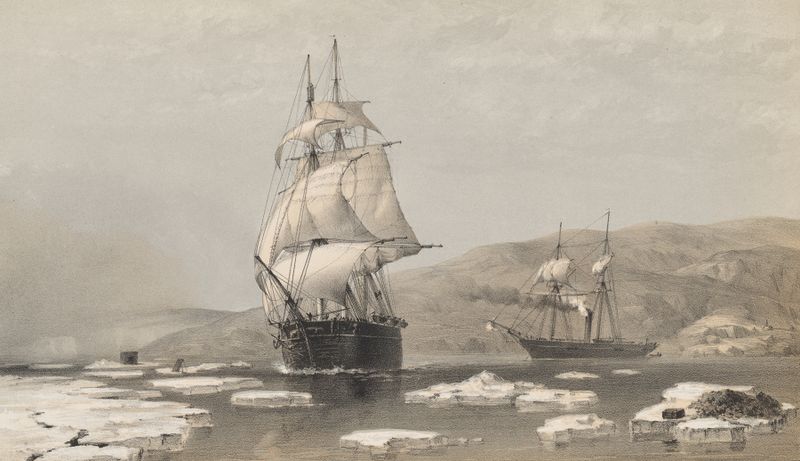
H.M.S. Assistance and Pioneer breaking out of Winter Quarters, 1854
Walter William May
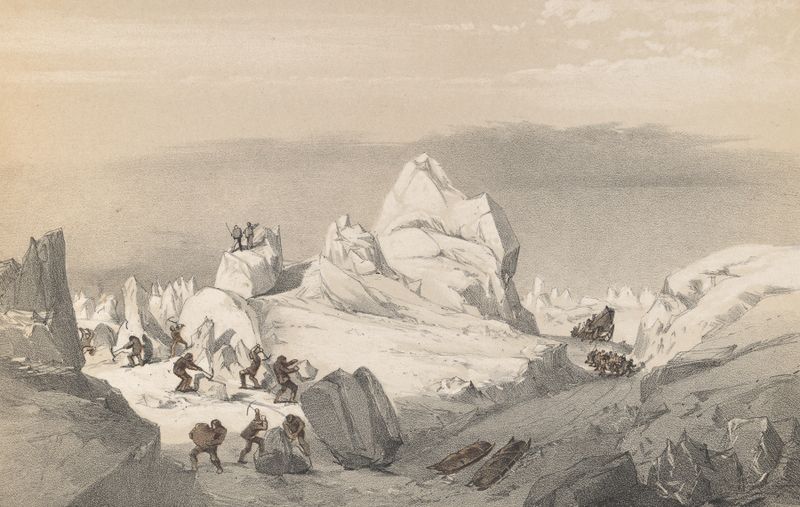
Division of Sledges finding and cutting a road through heavy hummocks, in the Queen’s Channel
Walter William May
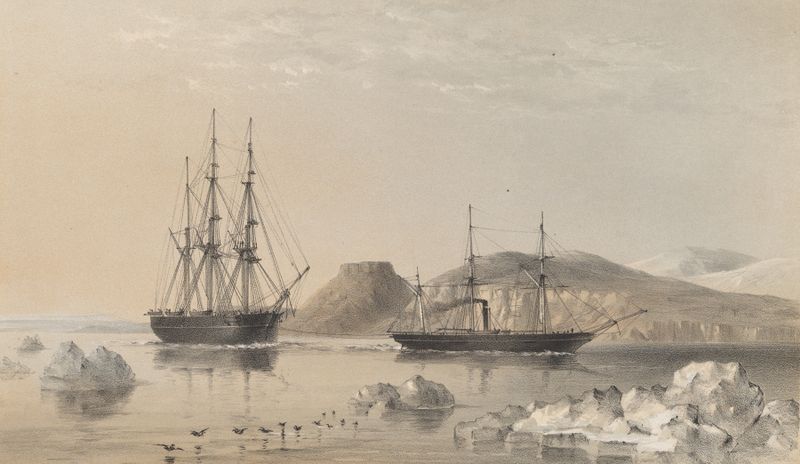
H.M.S. Assistance, in tow of the Pioneer (Captain Sherard Osborn), Passing John Barrow Mount, North of Wellington Channel, 1853
Walter William May
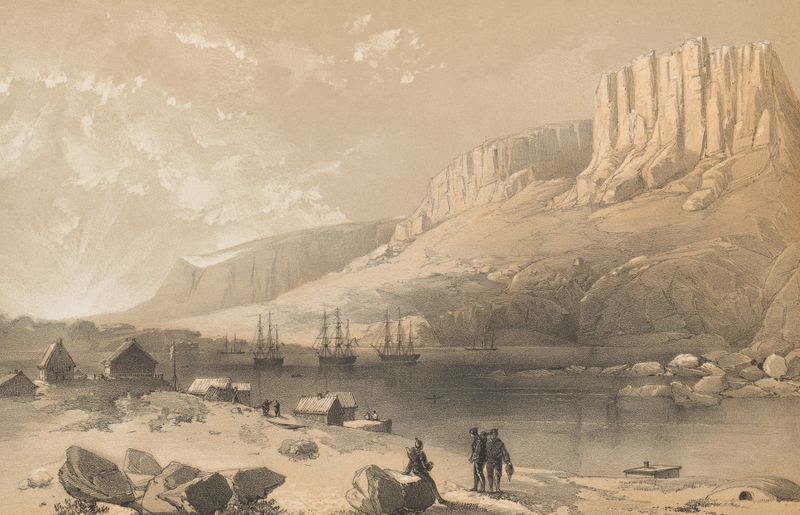
The Arctic Squadron in Leevly Harbour, Island of Disco, West Coast of Greenland
Walter William May
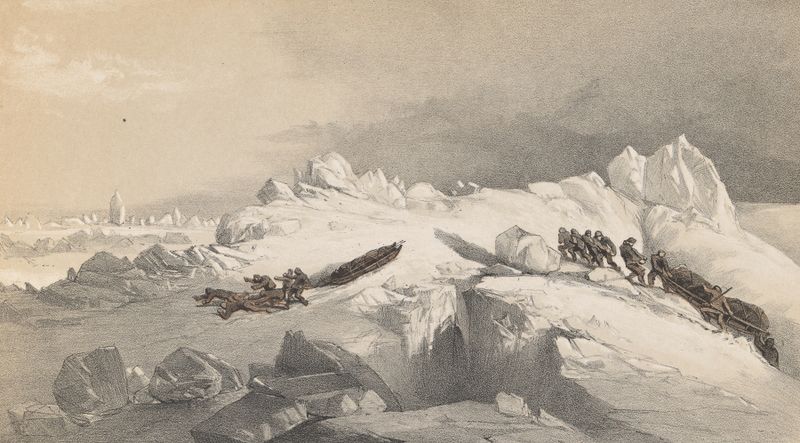
Division of Sledges finding and cutting a road through heavy hummocks, in the Queen’s Channel
Walter William May
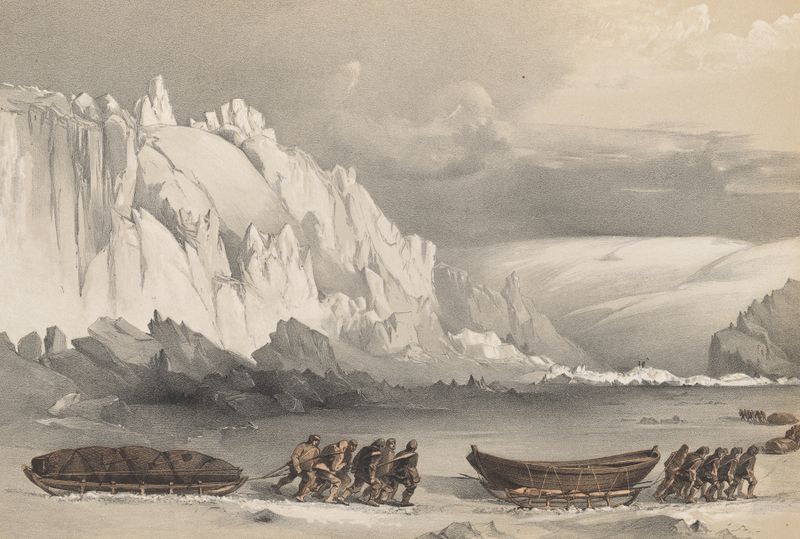
Division of Sledges passing Cape Lady Franklin; Extraordinary masses of ice pressed against the North Shore of Bathurst Land
Walter William May
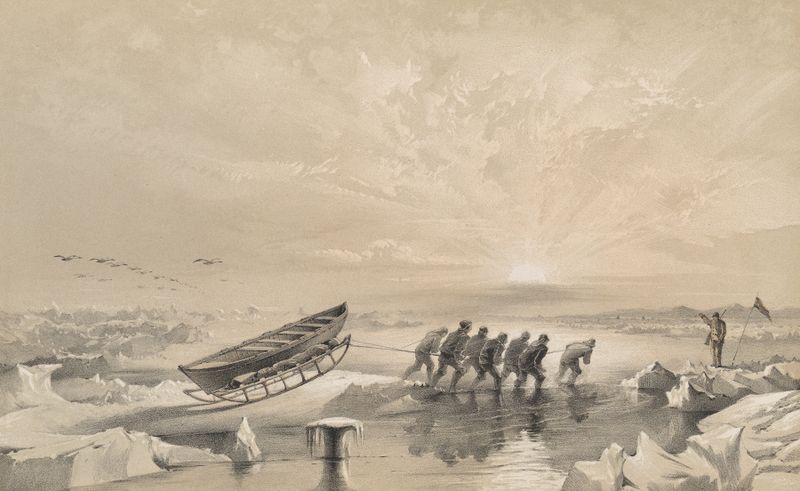
Sledge party returning through water during the month of July
Walter William May
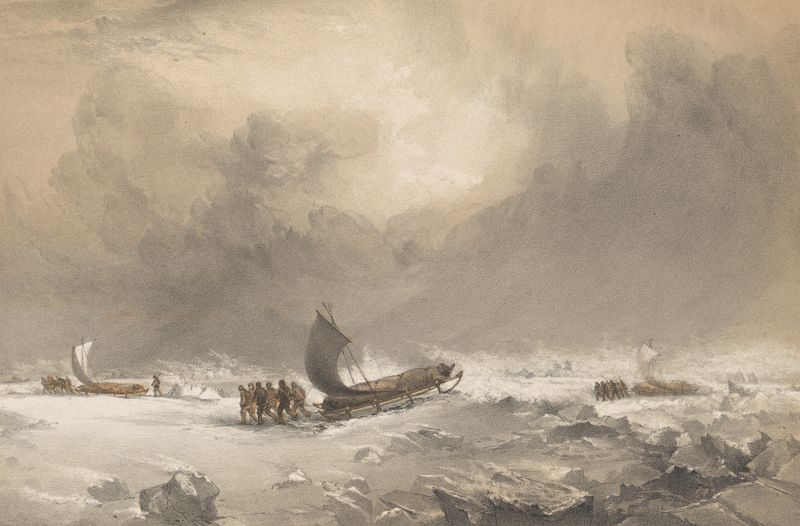
Sledges in a fresh fair wind, going over Hummocky Ice
Walter William May





