
Djebel Saharien — History & Facts
When did color learn to lie? The hues of memory often distort the past, weaving nostalgia into fabric of our experience, and yet they remain achingly familiar. Look to the center of Djebel Saharien, where warm ochres and deep blues converge, forming a striking landscape that both invites and confounds. The mountains, bold and crudely textured, rise against a sky splashed with an otherworldly palette, drawing the eye into the heart of its rugged beauty. Notice how the brushstrokes capture the essence of a sun that seems to linger, casting shadows that dance across the terrain, whispering secrets of the forgotten. In this painting, the contrast between the vivid colors and the starkness of the rocky mountains creates a palpable tension.
The landscape feels both inviting and threatening, a simultaneous reminder of nature's magnificence and its indifference. The play of light and shadow evokes a sense of longing, as if the viewer is transported to a distant memory, grappling with both its allure and its elusiveness. Henry Brokman painted Djebel Saharien around 1890, during a period when he was deeply influenced by the atmospheric effects of color in landscape painting. Living in France, he was part of a broader movement among artists exploring the relationship between light and nature, capturing the essence of places both real and imagined.
This work reflects not only his personal artistic journey but also the shifting currents of the art world at the time, where the impact of Impressionism began to wane, and new styles emerged.
More Artworks by Henry Brokman
Browse all →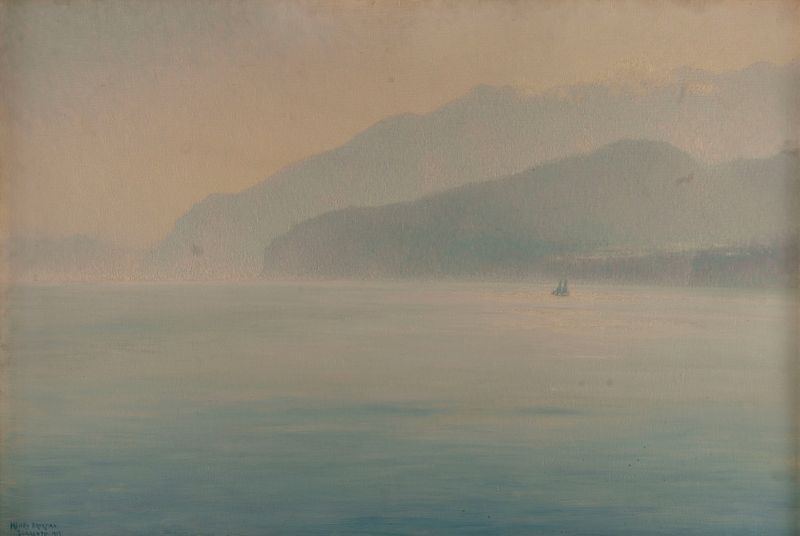
Côte De Sorrente, Bleu Et Argent
Henry Brokman
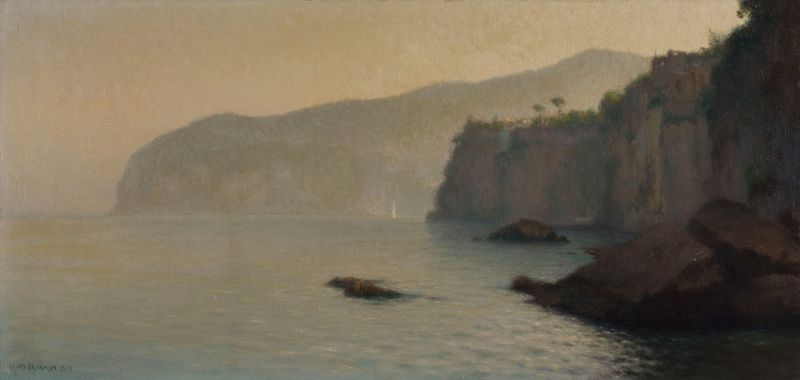
Petite côte de Sorrente (grise)
Henry Brokman
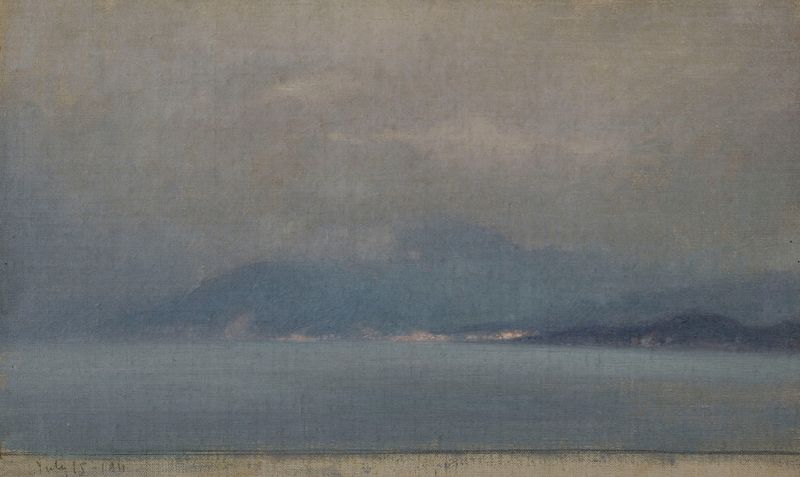
Etude de paysage
Henry Brokman
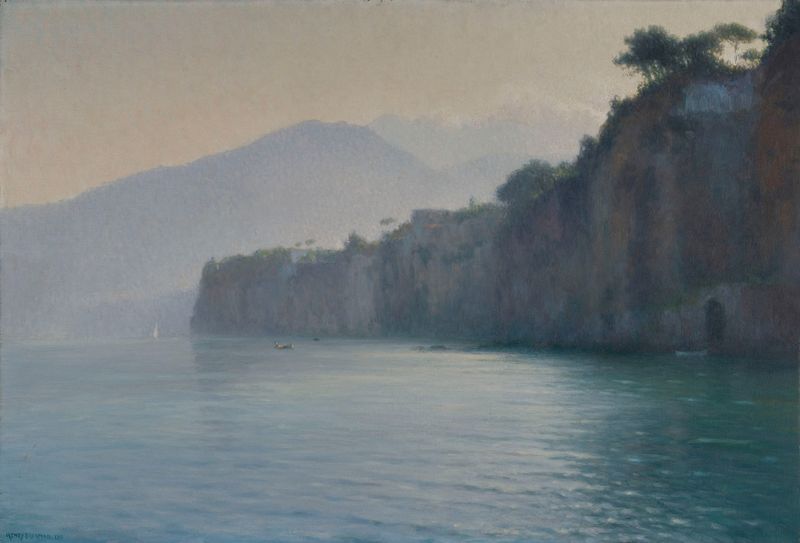
Sorrente, côte argentée
Henry Brokman
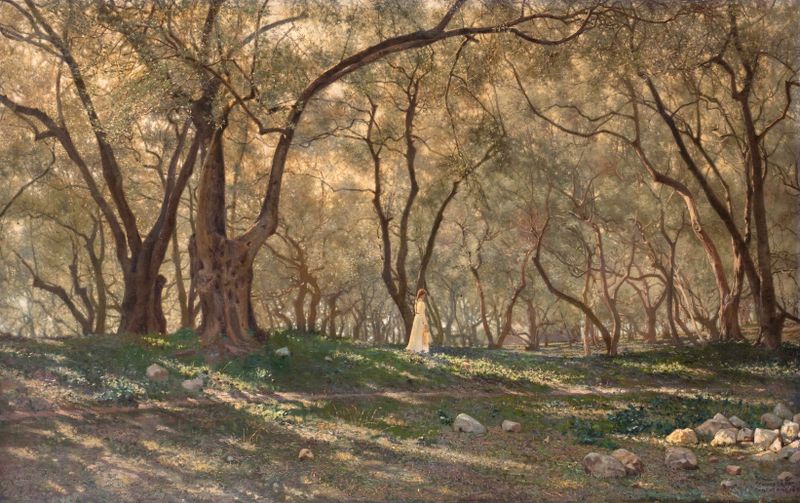
Jeune Fille Sous Les Oliviers – Menton
Henry Brokman
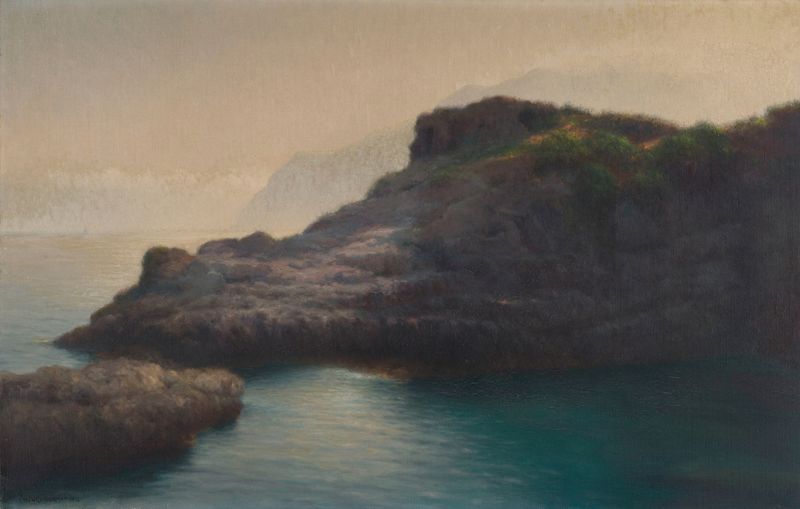
Cap de Sorrente
Henry Brokman
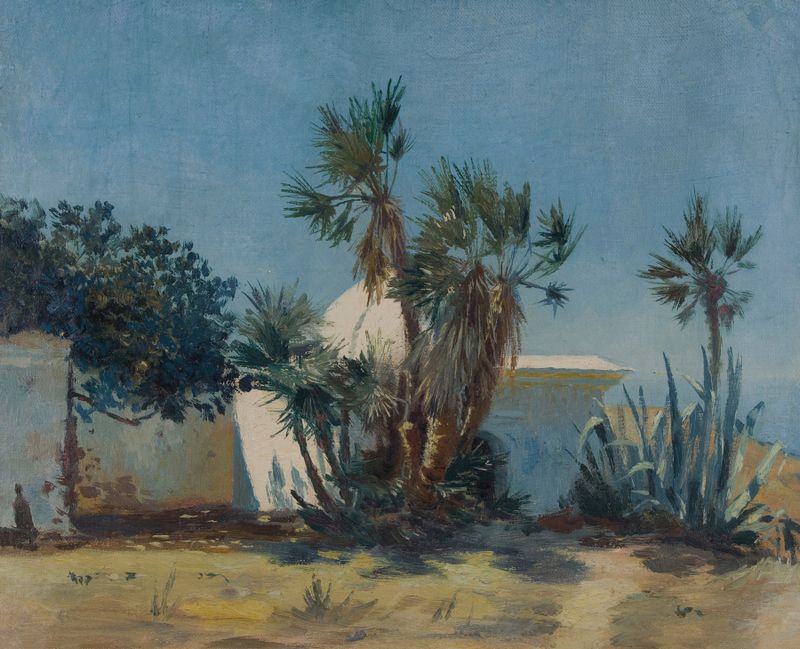
L’Oasis
Henry Brokman
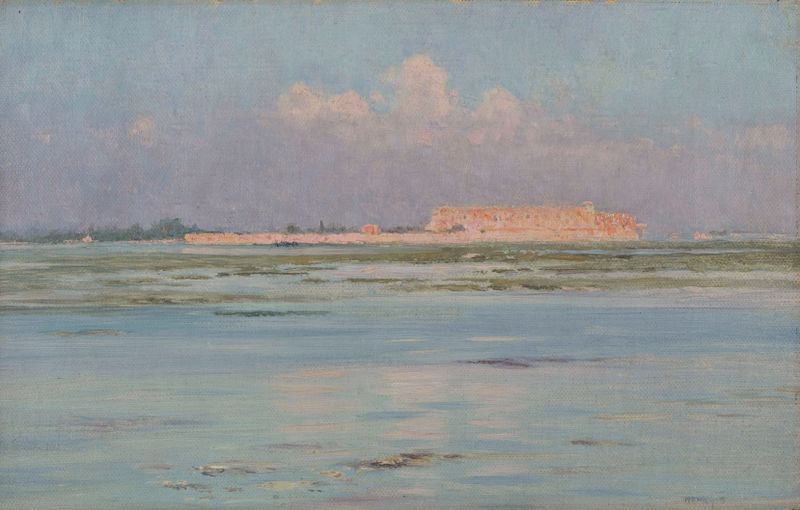
Le Temple De Louxor, Egypte
Henry Brokman
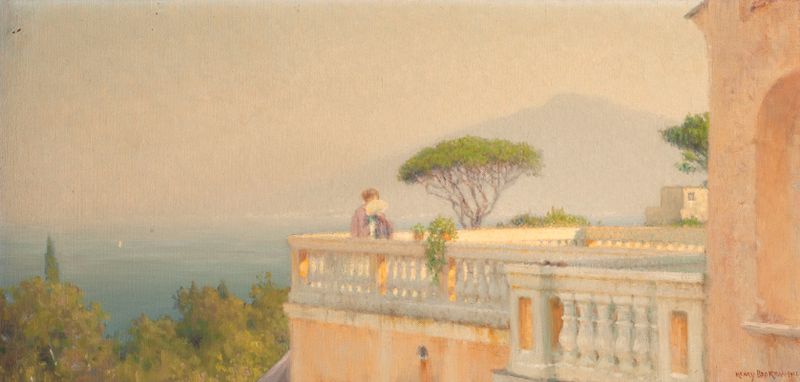
Terrasse De L’hôtel Cocumella
Henry Brokman
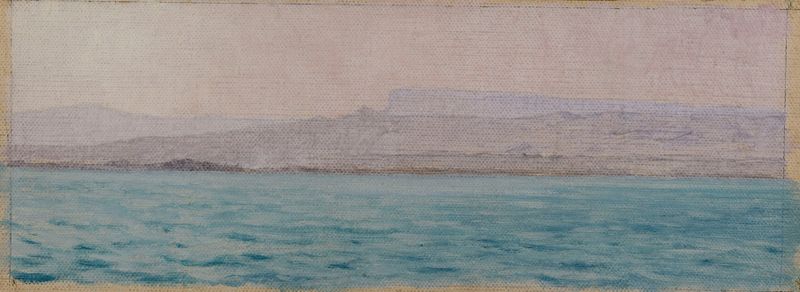
Rive du Nil, Egypte
Henry Brokman





