
Don Quixote and Sancho Panza Entertained by Basil and Quiteria — History & Facts
When Gustave Doré published his celebrated illustrations for Don Quixote in 1863, they sparked a new visual language for Cervantes’ wandering knight—so much so that even readers who had never opened the novel felt they knew its world. The image Don Quixote and Sancho Panza Entertained by Basil and Quiteria stands out among Doré’s engravings for capturing the comic warmth and theatricality of the famous wedding scene, a moment that had delighted audiences since the novel’s first appearance in 1605 and 1615. Doré’s vision, reproduced across Europe, became the definitive way millions imagined the mad knight’s adventures, influencing illustrators, stage designers, and even filmmakers for generations. In this scene, Don Quixote and his loyal squire Sancho Panza are guests at the wedding feast of Basil and Quiteria, a moment of rare festivity in their otherwise perilous journey.
Doré chooses the instant when the newlyweds, surrounded by villagers, lavish their hospitality on the two travelers. The artist’s eye lingers on Don Quixote’s gaunt dignity and Sancho’s eager delight, while the crowd’s gestures—raised cups, outstretched hands—draw the viewer into the swirl of celebration. The interplay of light and shadow, with the central figures illuminated against a darker throng, echoes the theatrical compositions of Francisco de Goya’s tapestry cartoons, though Doré’s linework is sharper, his humor more direct.
Every detail, from the rustic garlands to the glint of armor, serves to highlight the mingling of fantasy and reality at the heart of Cervantes’ tale. Doré’s Don Quixote illustrations were originally commissioned by the French publisher Hachette, and quickly became the most widely reproduced images of the novel in the nineteenth century. Though the exact medium of this particular work is uncertain—most were wood engravings prepared for book publication—the series marked a turning point in Doré’s career, cementing his reputation as the preeminent illustrator of literary classics. Today, original impressions of these engravings are held in libraries and museums across Europe and America, often shown alongside later illustrated editions.
The enduring popularity of Doré’s vision speaks to the power of illustration to shape not just how we see a story, but how we remember it.
More Artworks by Gustave Doré

The Deluge
Gustave Doré
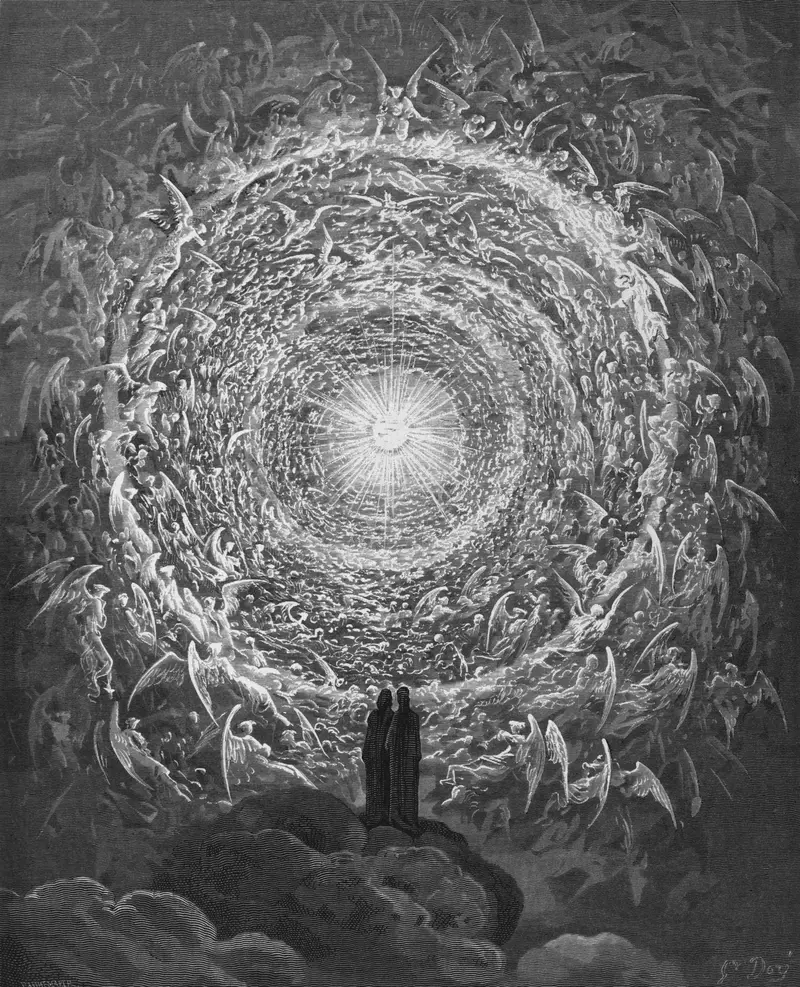
The Empyrean (Paradiso, Canto 31)
Gustave Doré
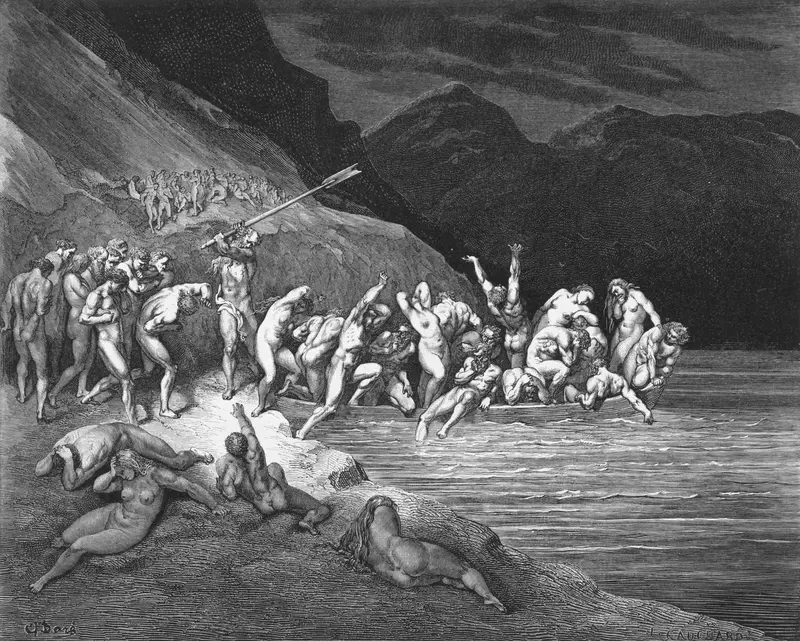
Charon (Inferno, Canto 3)
Gustave Doré
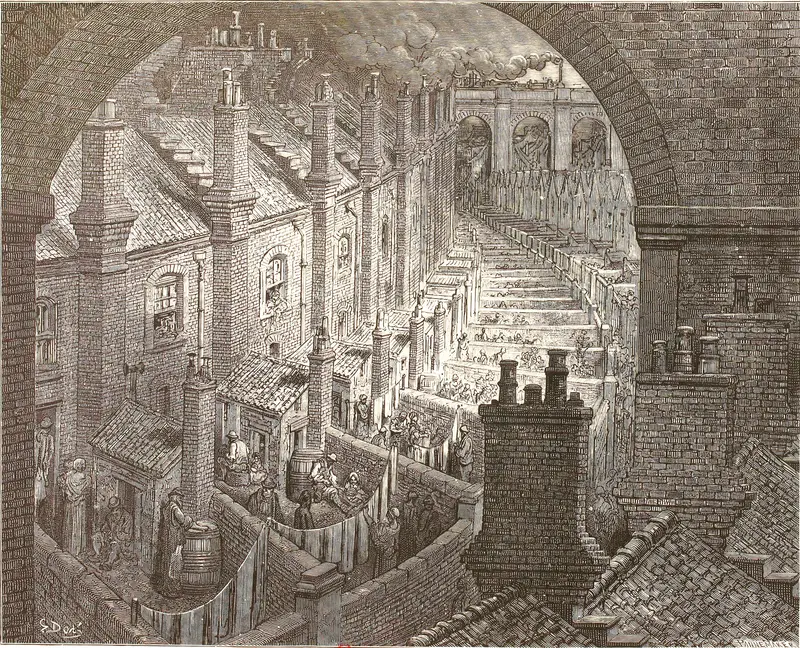
Over London by Rail
Gustave Doré
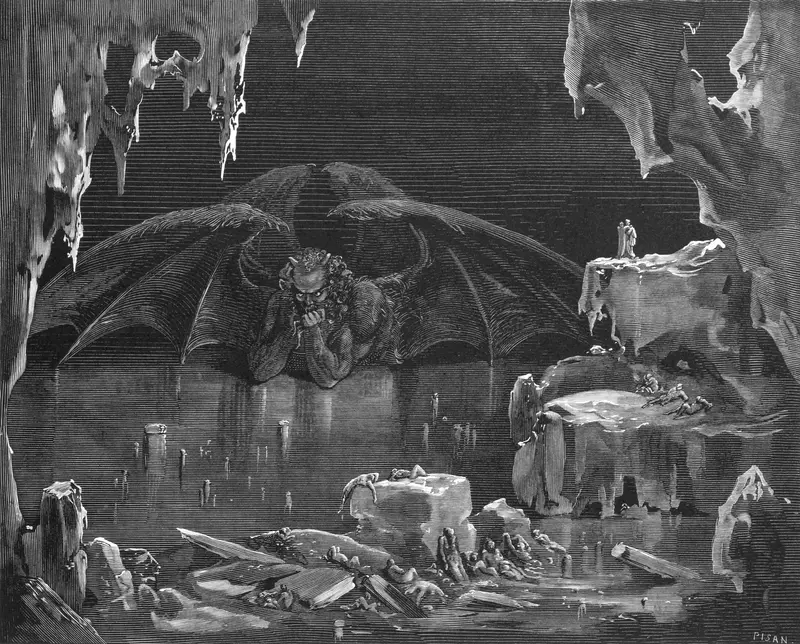
Lucifer, King of Hell
Gustave Doré
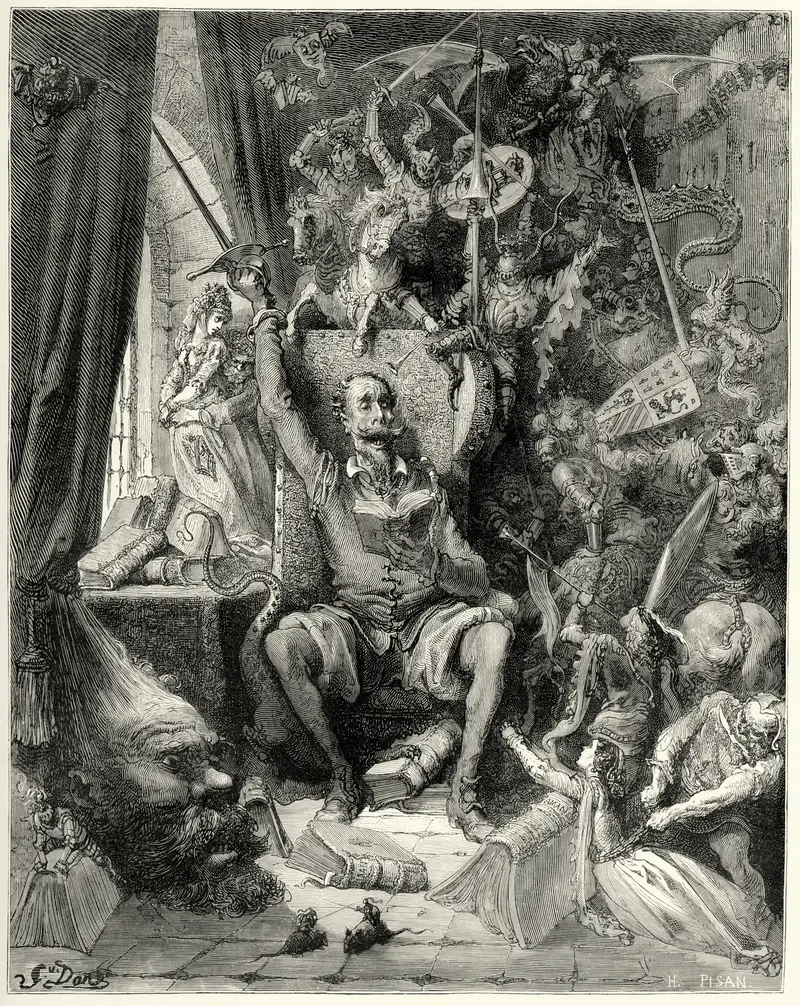
Don Quixote in His Library
Gustave Doré
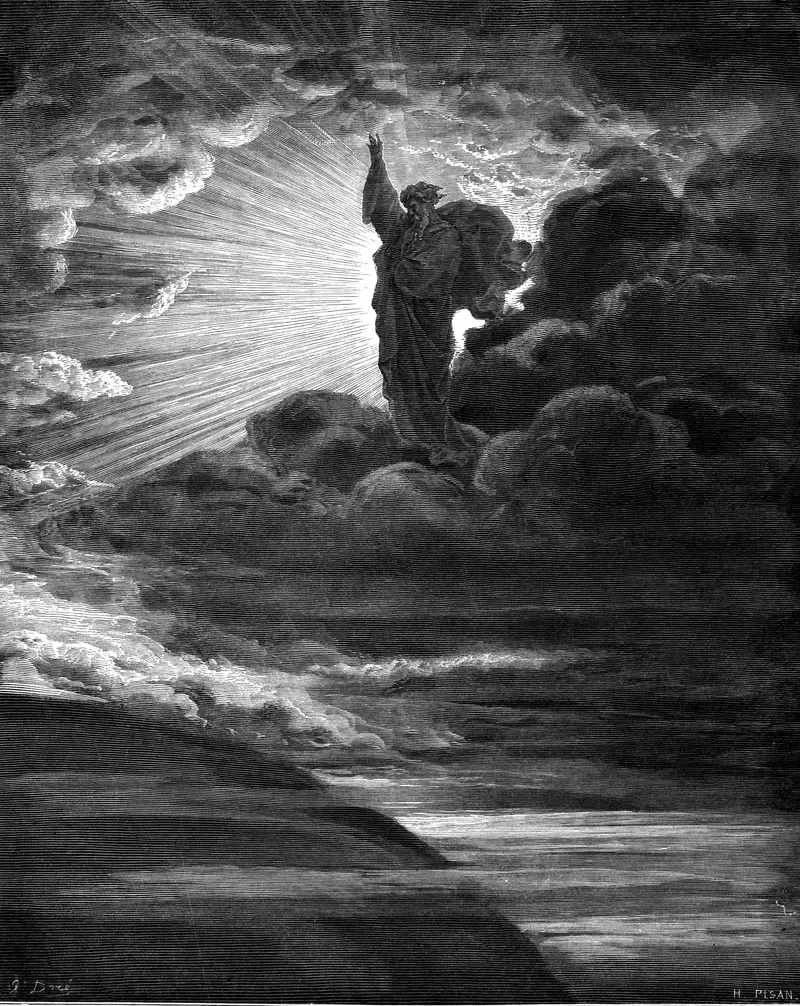
The Creation of Light
Gustave Doré
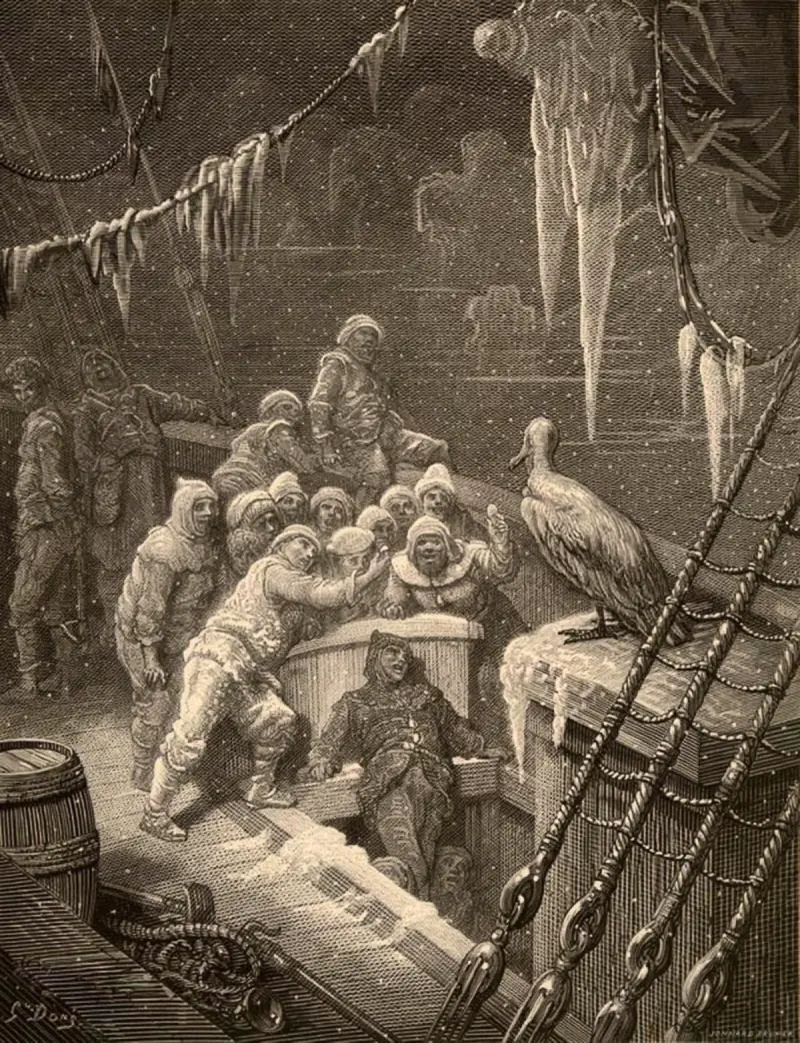
The Albatross (The Rime of the Ancient Mariner)
Gustave Doré
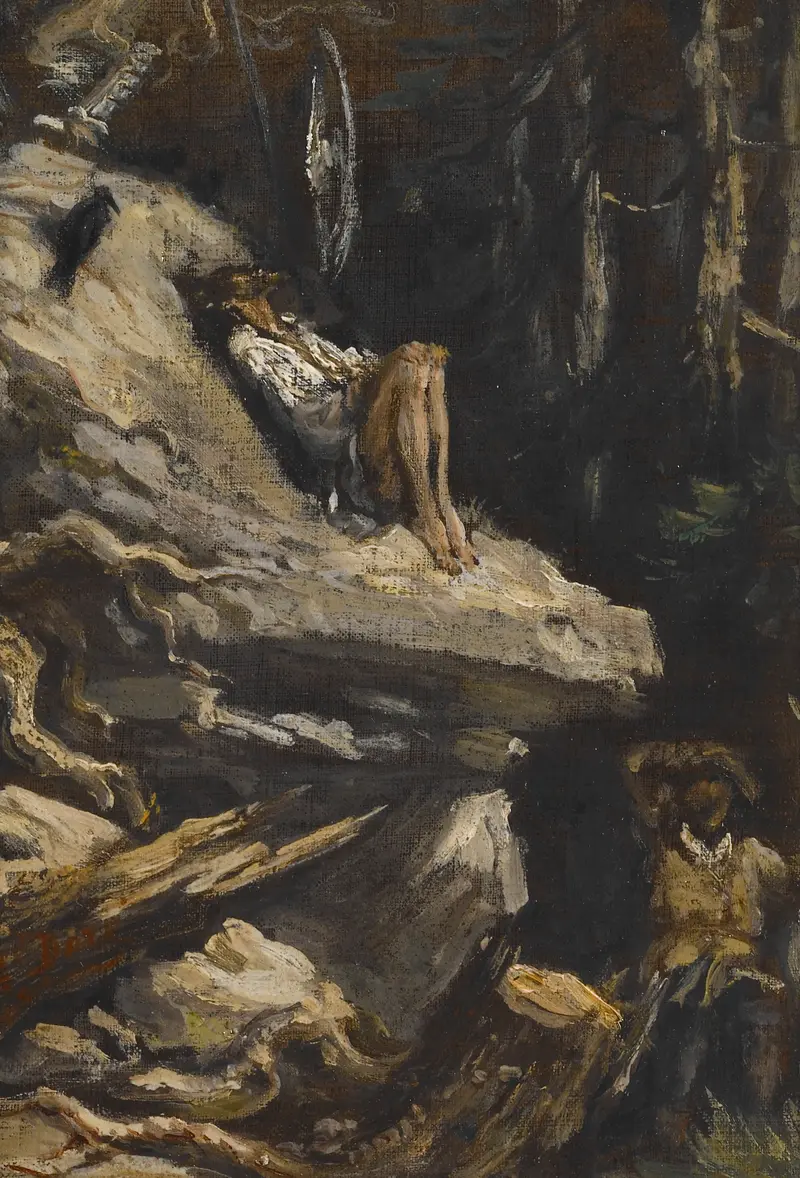
"'Alas!' answered Sancho, 'I found him in his shirt, lean, pale, and almost starved, sighing for his Lady Dulcinea'" from Don Quixote
Gustave Doré
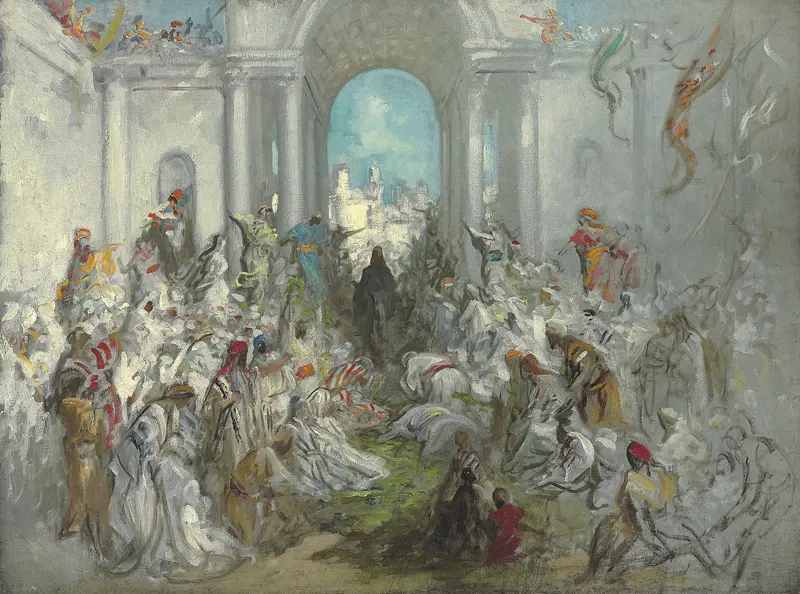
Christ's Entry into Jerusalem
Gustave Doré
More Genre Scene Art

Banquet of the Officers of the St George Civic Guard
Frans Hals

Rembrandt and Saskia in the Scene of the Prodigal Son
Rembrandt van Rijn

Bal du moulin de la Galette
Pierre-Auguste Renoir

Quadrille at the Moulin Rouge
Henri de Toulouse-Lautrec

A Burial at Ornans
Gustave Courbet

When Will You Marry?
Paul Gauguin