Discover insights about this artwork
Donde vá mamá (Where is mother going) — History & Facts
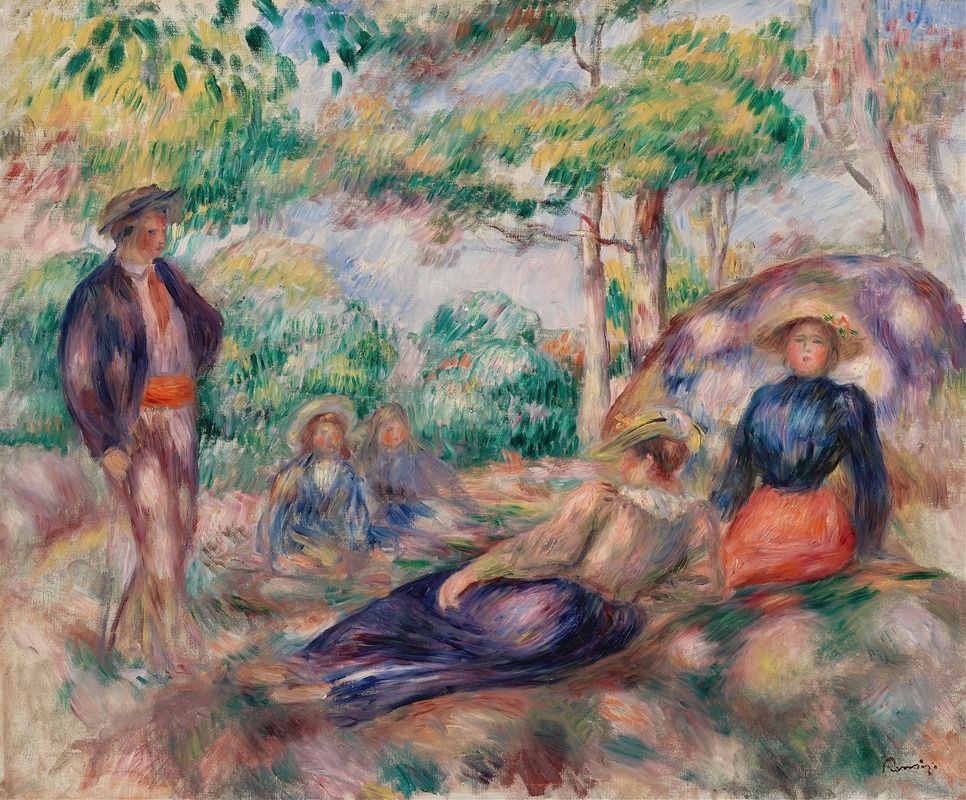
In Donde vá mamá, Francisco de Goya presents a scene filled with emotion. The painting features a mother and child, with the mother appearing to be in motion, suggesting a departure. The colors are muted, with earthy tones dominating the background, creating a somber atmosphere.
The figures are rendered with a sense of realism, capturing the tension of the moment. This artwork is executed in oil on canvas, a common medium for Goya. The dimensions are approximately 80 x 100 cm, making it a sizable piece that draws the viewer in. Goya's brushwork is visible, with soft strokes that add depth to the figures and their surroundings.
The composition is balanced, focusing the viewer's attention on the emotional exchange between the mother and child. Francisco de Goya was a pivotal figure in the transition from the Old Masters to modern art. Created in the late 18th century, Donde vá mamá reflects Goya's interest in social themes, particularly motherhood and familial relationships. An interesting fact about this work is that it captures the anxieties of the time, as many families were affected by social upheaval.
Goya's ability to convey deep emotion through simple scenes is what makes this painting significant.
More Artworks by Francisco de Goya
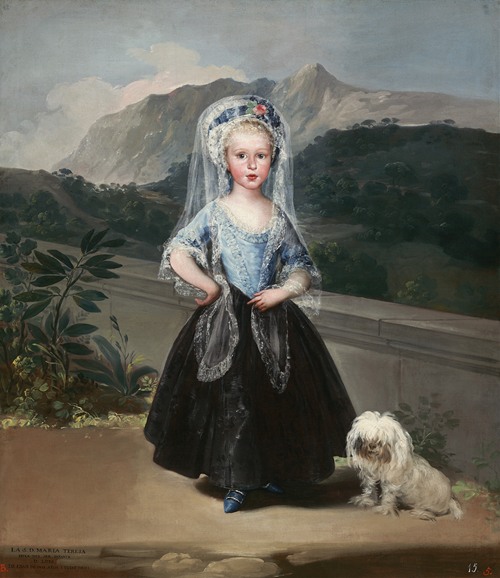
María Teresa de Borbón y Vallabriga,later Condesa de Chinchón
Francisco de Goya
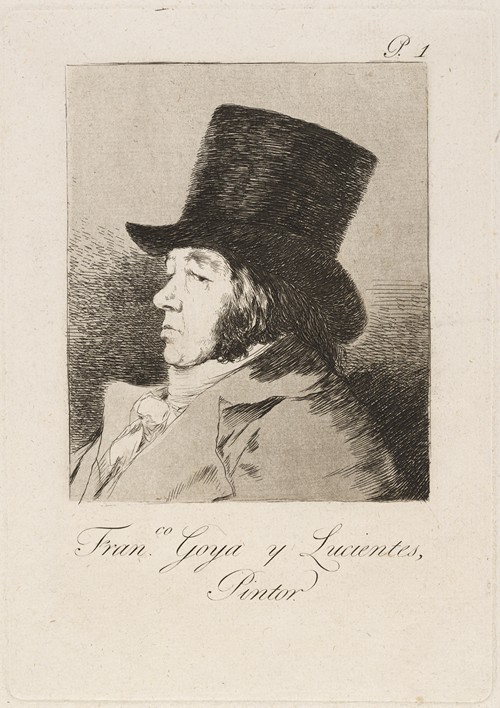
Francisco Goya y Lucientes, Pintor (Francisco Goya y Lucientes, painter)
Francisco de Goya
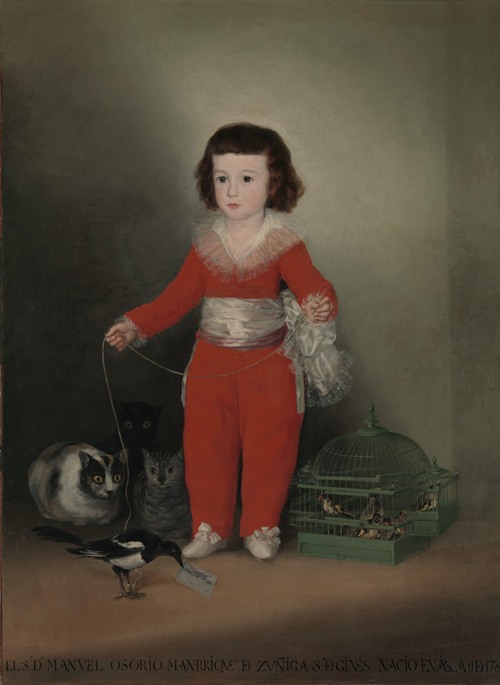
Manuel Osorio Manrique de Zuñiga (1784–1792)
Francisco de Goya
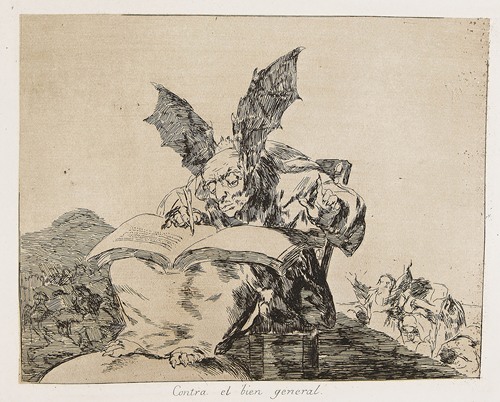
Los desastres de la guerra
Francisco de Goya
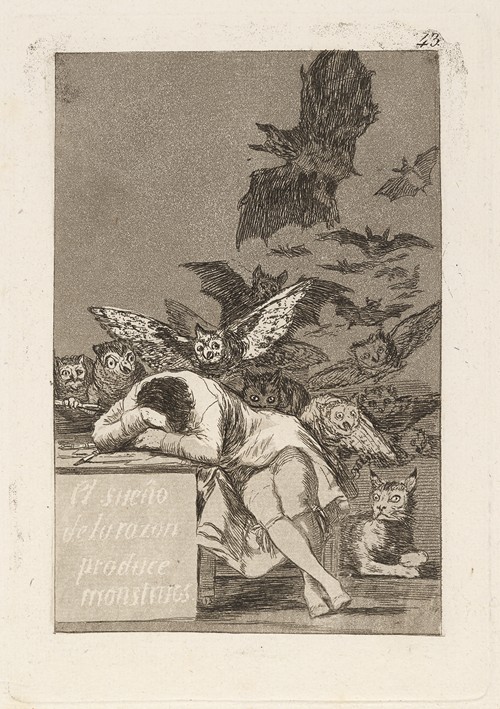
El sueño de la razon produce monstruos. (The sleep of reason produces monsters.)
Francisco de Goya
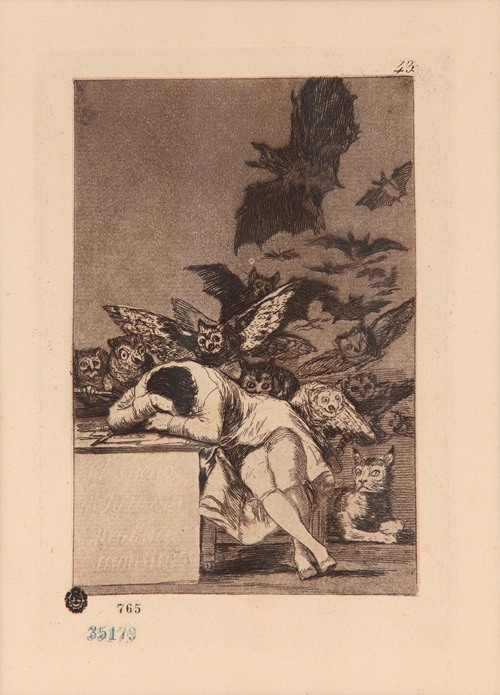
El sueño de la razon produce moustruos (Serie Caprichos)
Francisco de Goya
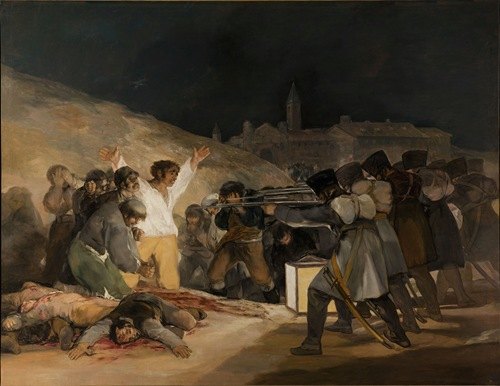
The Third of May
Francisco de Goya
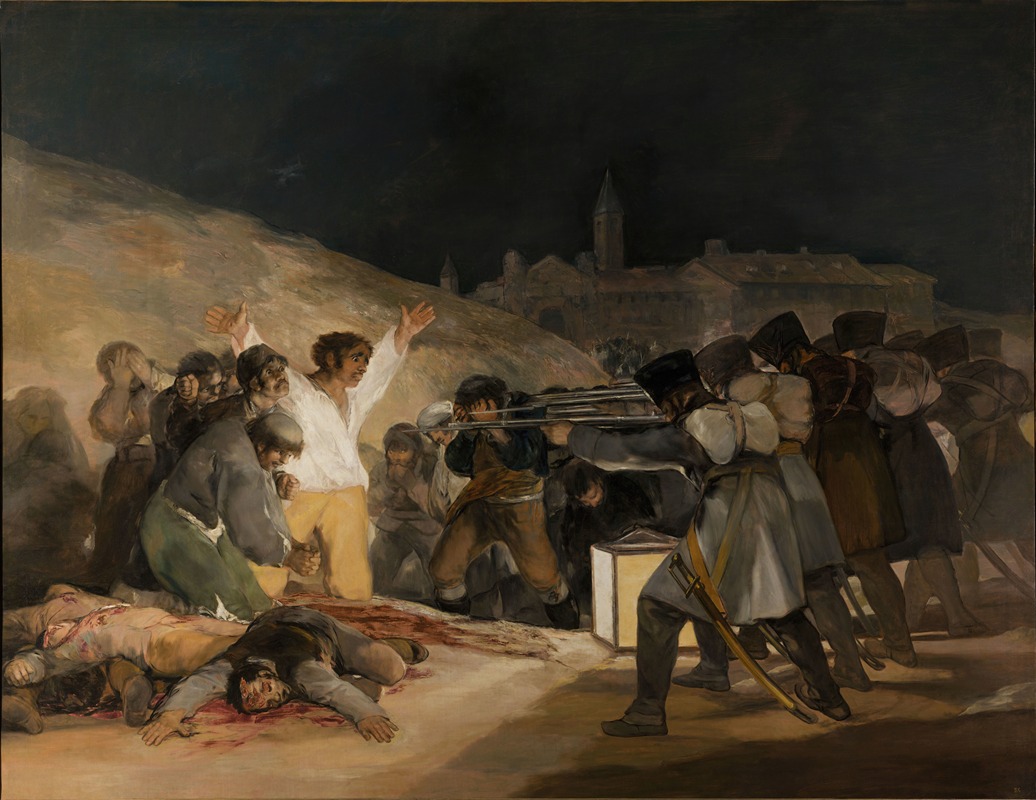
The Third of May 1808
Francisco de Goya
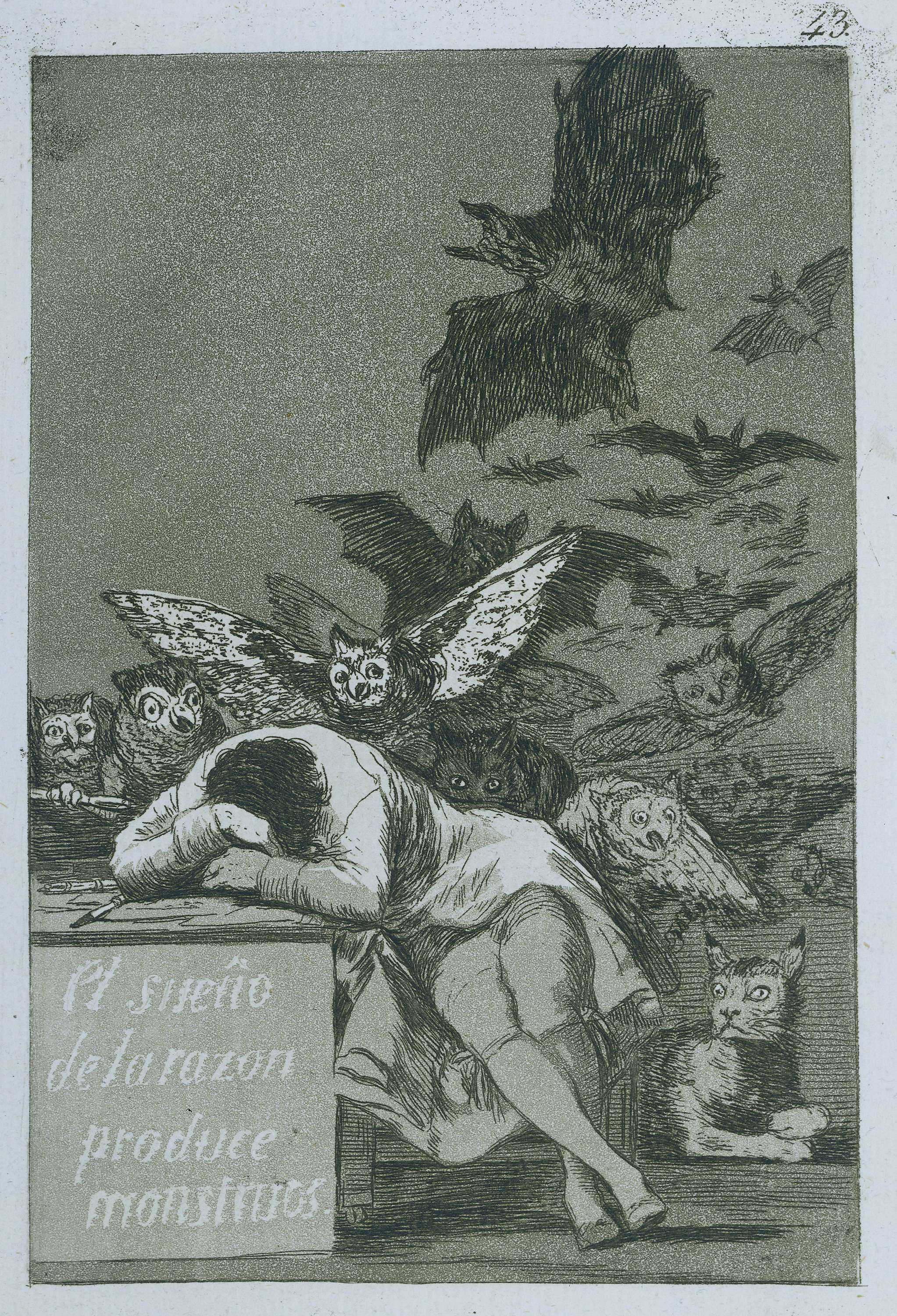
De slaap van de rede brengt monsters voort
Francisco de Goya
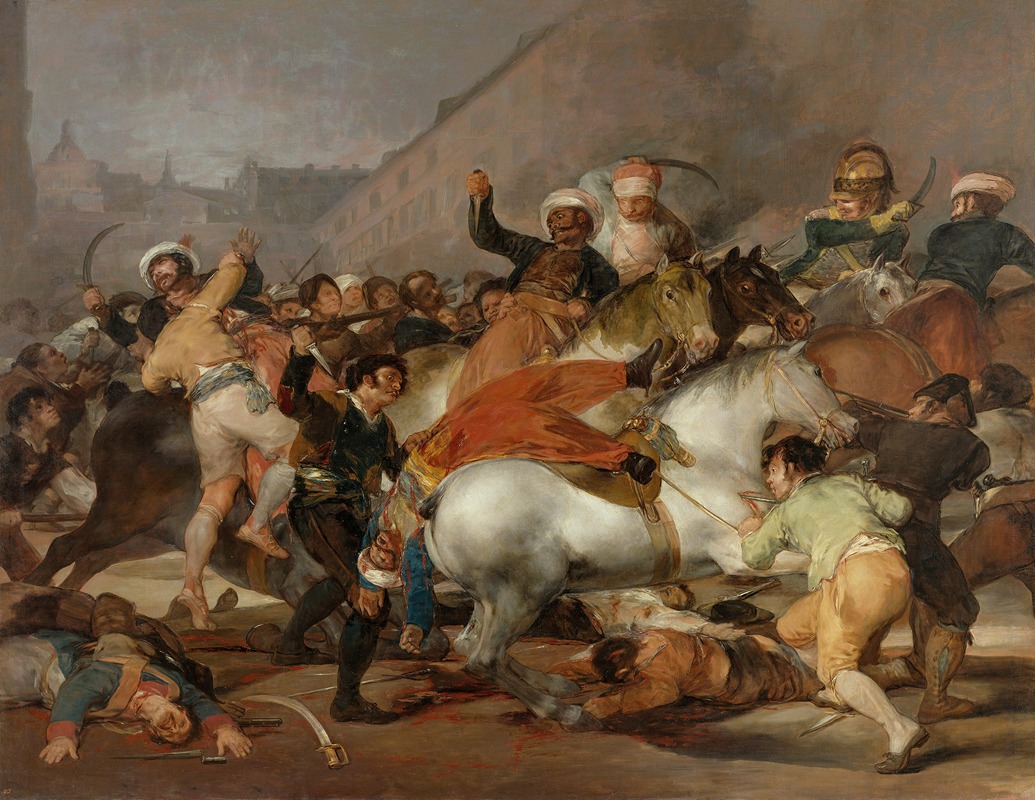
The Charge of the Mamelukes (1814)
Francisco de Goya