
Doop van Christus in de Jordaan — History & Facts
What secret hides in the quiet of the canvas? Beneath the serene depiction of the baptism, a profound sense of transformation stirs, inviting the viewer to ponder the moments that shape existence. Focus on the central figure, Christ, as he stands poised in the waters of the Jordan. Notice the gentle ripples, created with delicate brushstrokes, leading your gaze to the soft embrace of light filtering through the scene. The muted color palette, dominated by earthy tones, evokes a sense of humility and reverence, while the interplay of shadow and illumination cradles the figures in a divine yet earthly setting.
This careful arrangement draws attention to the simultaneous actions of baptism and witness — an intimate communion between the spiritual and the terrestrial. The tension between the solemnity of the event and the lively gestures of the surrounding figures speaks to deeper emotional undertones. The curious faces of the onlookers suggest a mix of skepticism and awe, bridging the divide between faith and doubt. Additionally, the void of the waters symbolizes a threshold — a moment of transformation, both personal and collective, as Christ accepts the human condition while the world watches in anticipation. Created during the early 16th century, this work emerged from a period of significant change within the art world, characterized by a growing emphasis on individual expression and humanism.
The artist, working in a style blending medieval and emerging Renaissance influences, contributed to the evolving narrative of religious art, reflecting both the spiritual beliefs and artistic experimentation of the time.
More Artworks by Monogrammist AC (16e eeuw)
Browse all →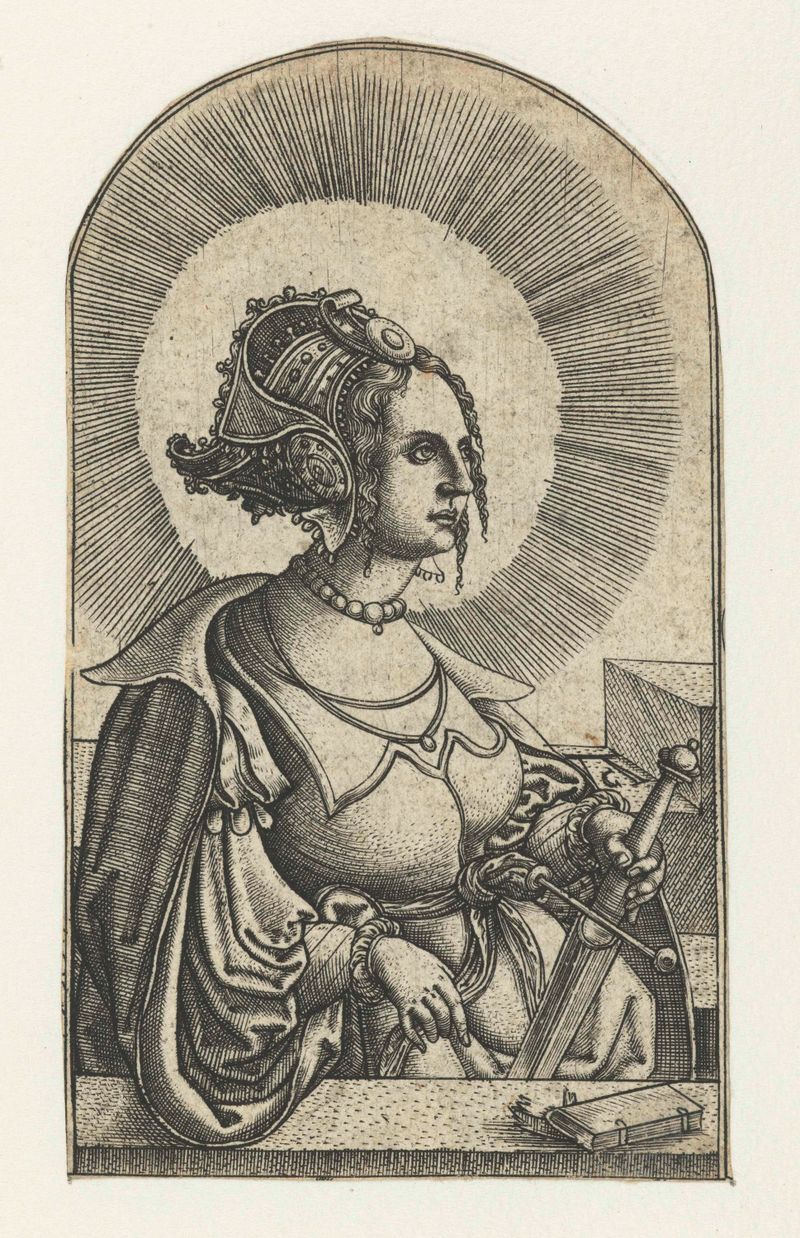
Heilige Catharina
Monogrammist AC (16e eeuw)
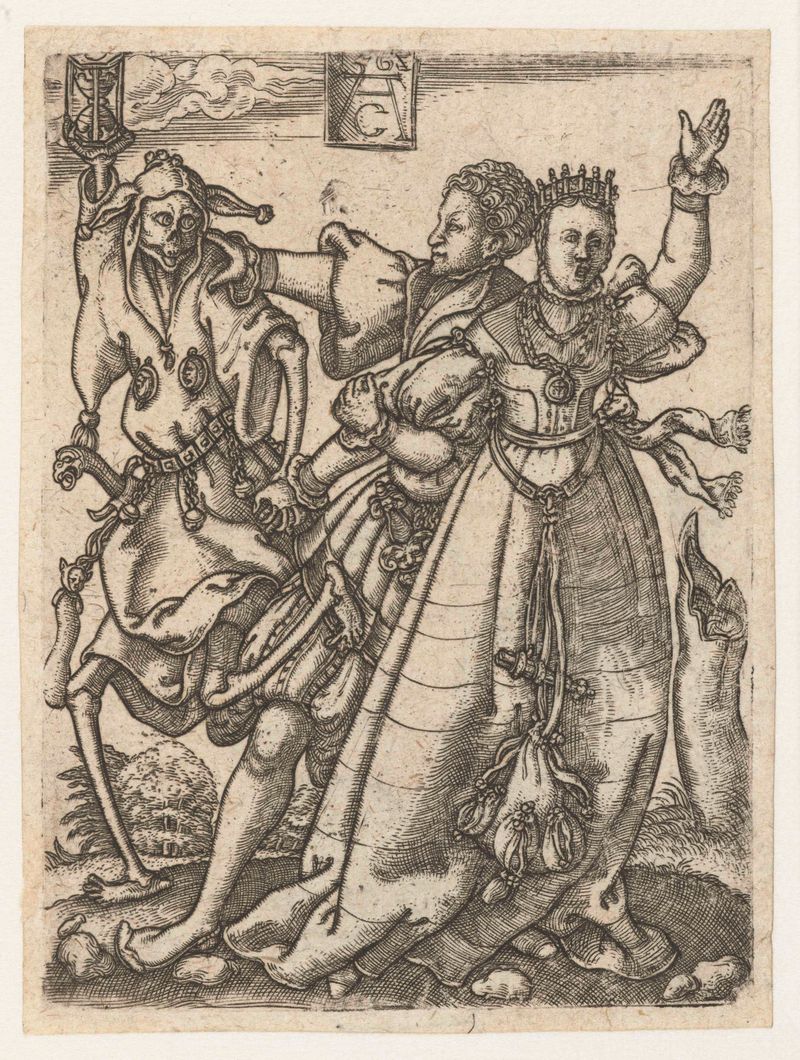
Echtpaar met de Dood
Monogrammist AC (16e eeuw)
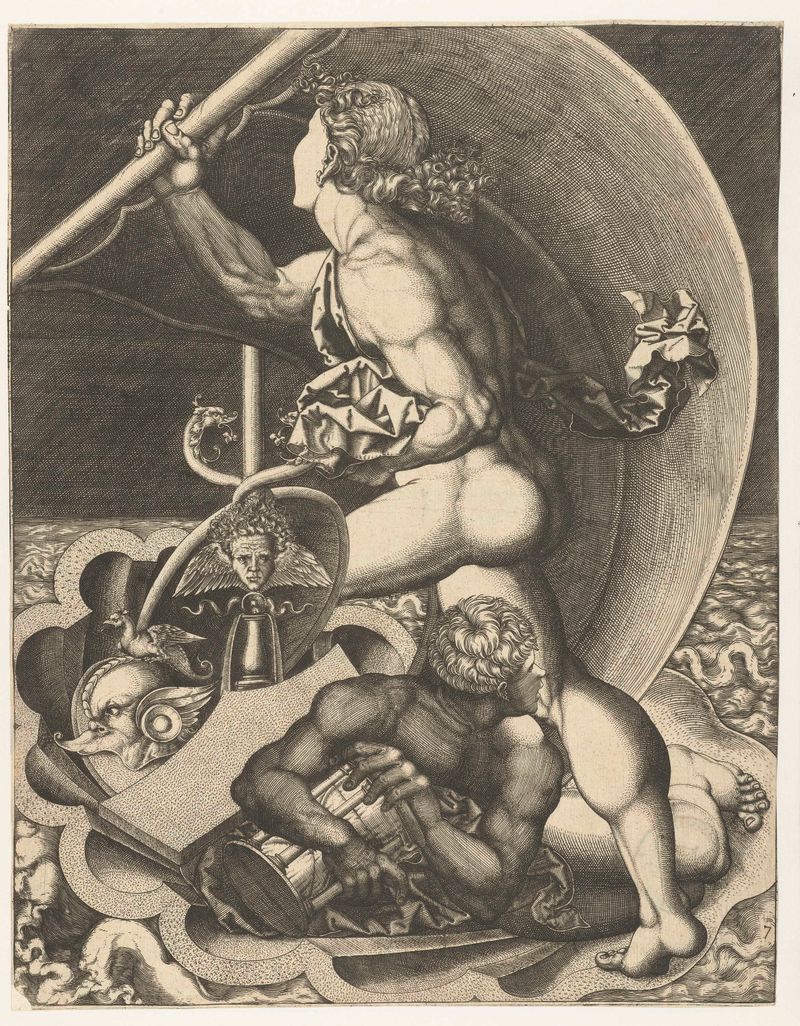
Allegorie van Tijd en Fortuin
Monogrammist AC (16e eeuw)

Portret van een jongeman (Vanitas)
Monogrammist AC (16e eeuw)

Heilige Martha en de draak
Monogrammist AC (16e eeuw)
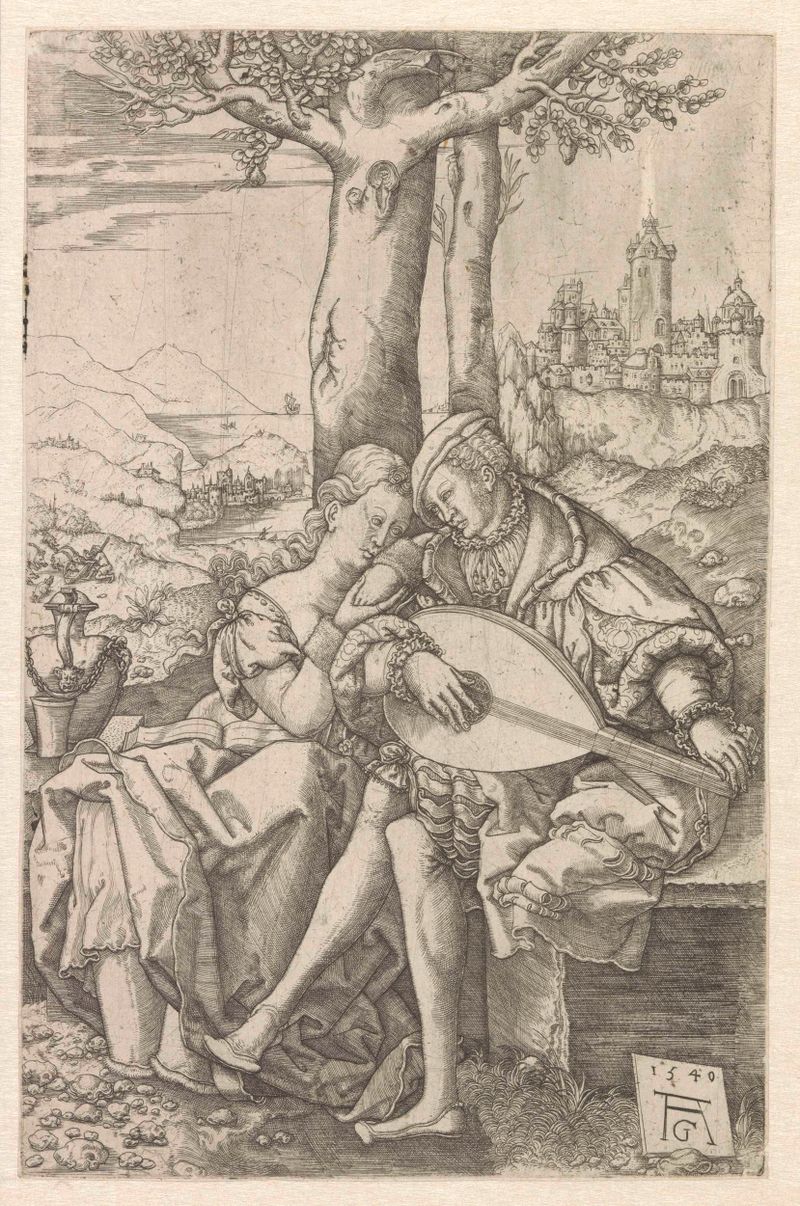
Twee verliefden onder een boom
Monogrammist AC (16e eeuw)
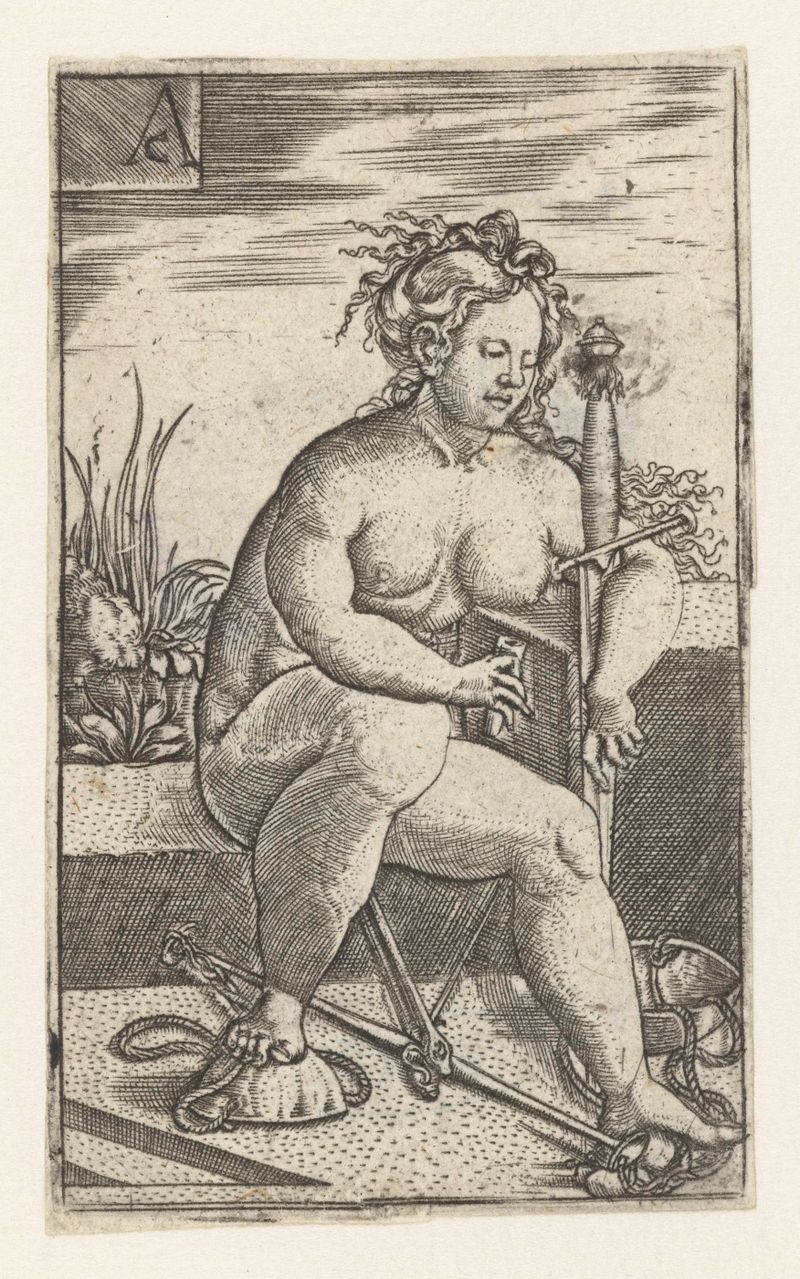
Gerechtigheid (Justitia)
Monogrammist AC (16e eeuw)
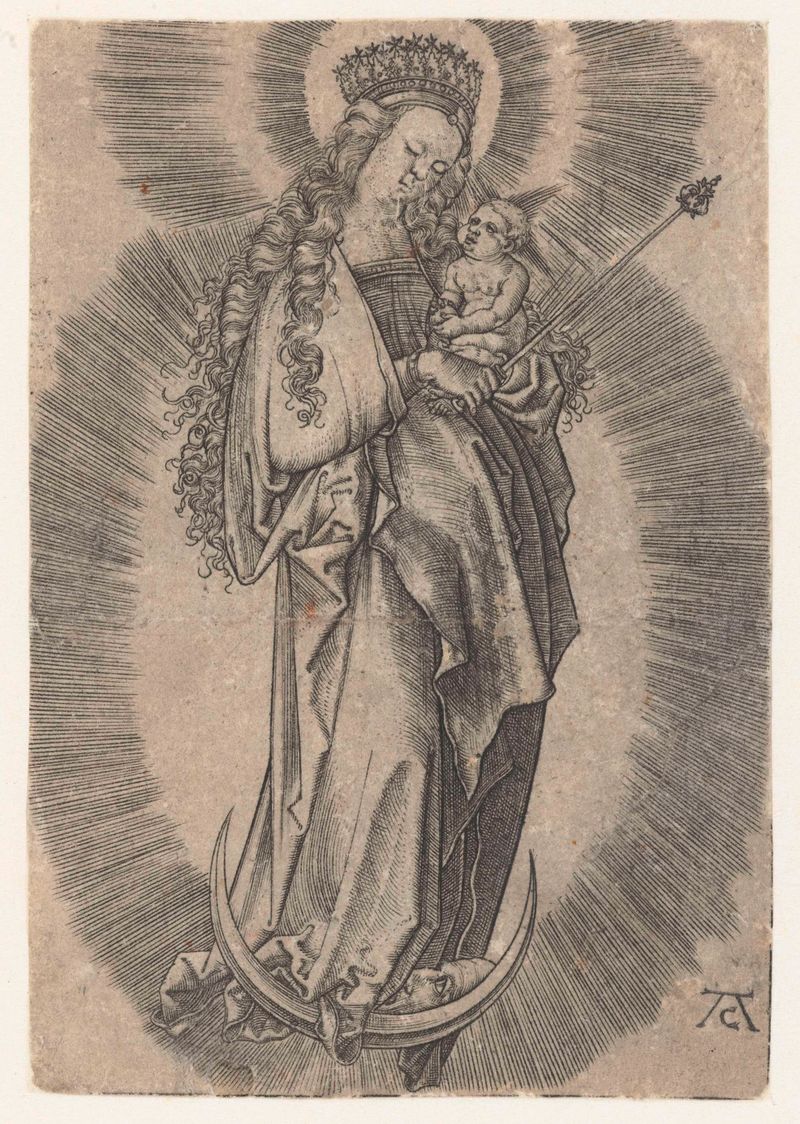
Madonna op de maansikkel.
Monogrammist AC (16e eeuw)
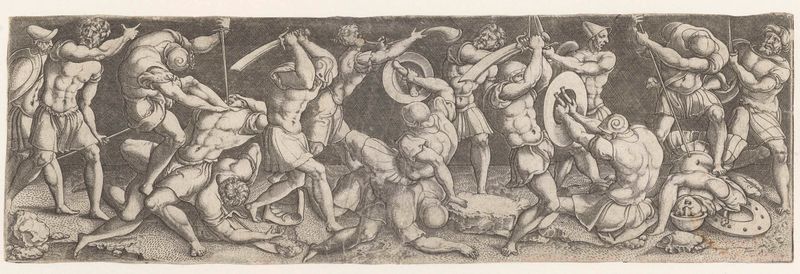
Gevecht tussen Romeinse soldaten
Monogrammist AC (16e eeuw)
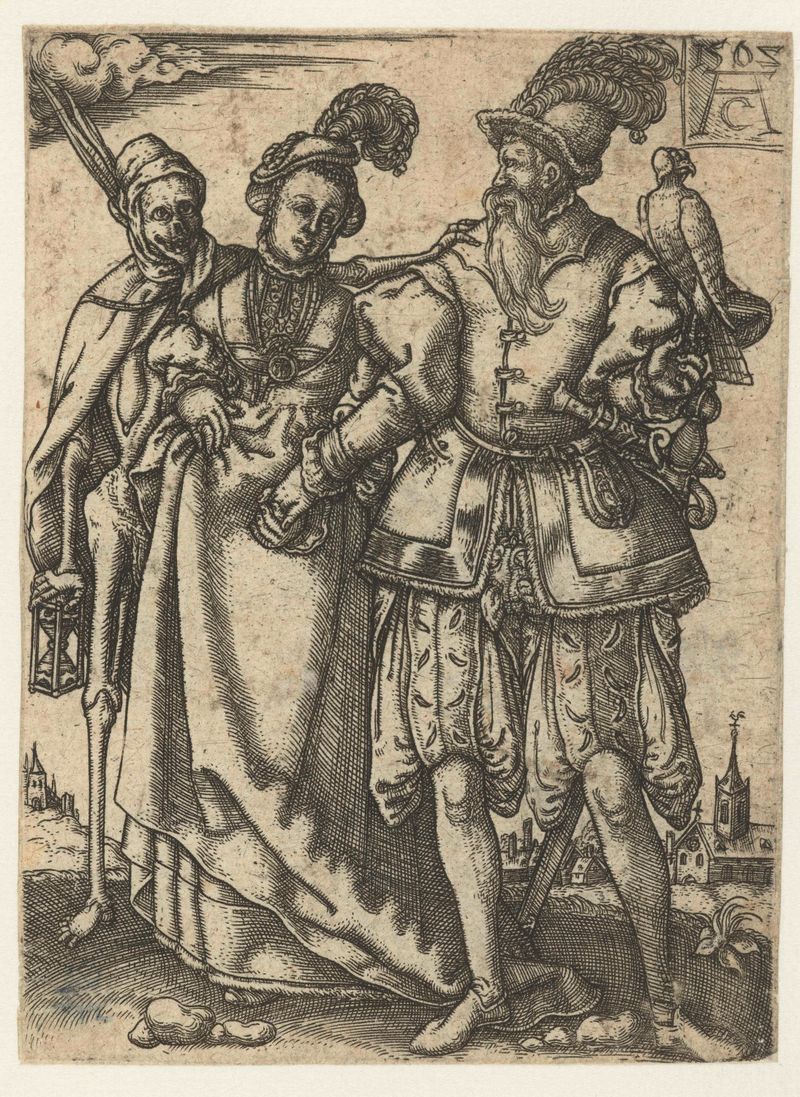
Echtpaar met de Dood
Monogrammist AC (16e eeuw)
More Religious Art
Browse all →
The Return of the Prodigal Son
Rembrandt van Rijn

The Garden of Earthly Delights
El Bosco

Count Orgaz’ funeral
El Greco

The Hundred Guilder Print: the central piece with Christ preaching, the plate arched
Rembrandt van Rijn

The Descent from the Cross
Rogier van der Weyden

The return of the prodigal son
Rembrandt van Rijn