
Doop van de kamerling — History & Facts
Did the painter know this moment would outlive them? The quiet intensity of a single act, captured forever, speaks to the transformative power of art. Look closely at the intricate details of the figures within the scene; the expression of solemnity on the chamberlain’s face draws you in first. Notice how the light falls upon the ceremonial garments, casting soft shadows that emphasize the richness of the fabrics. The deep blues and vibrant reds contrast against the more muted tones of the background, illuminating the subjects and their profound emotional weight.
Each stroke seems deliberate, every color choice a whisper of the life and significance that surrounds this moment. As you absorb the complexities of the painting, consider the weight of tradition and duty conveyed through the chamberlain’s posture. The slight tilt of his head and the delicate positioning of his hands reveal a blend of reverence and uncertainty, suggesting the tension between personal desires and societal expectations. The presence of the religious symbols subtly interwoven within the composition speaks to the spiritual transformation that accompanies this act, reflecting the deep-rooted connections between power, faith, and the human experience. This artwork was created in 1524 during a time when Northern Renaissance artists were beginning to explore themes of individualism and spirituality.
The Monogrammist AC, an artist whose identity remains shrouded in mystery, was immersed in a world where religion and art were inextricably linked, reflecting the societal changes that accompanied the Reformation. This piece captures a moment rife with significance, one that would resonate through the ages as a testament to the complexities of faith and duty.
More Artworks by Monogrammist AC (16e eeuw)
Browse all →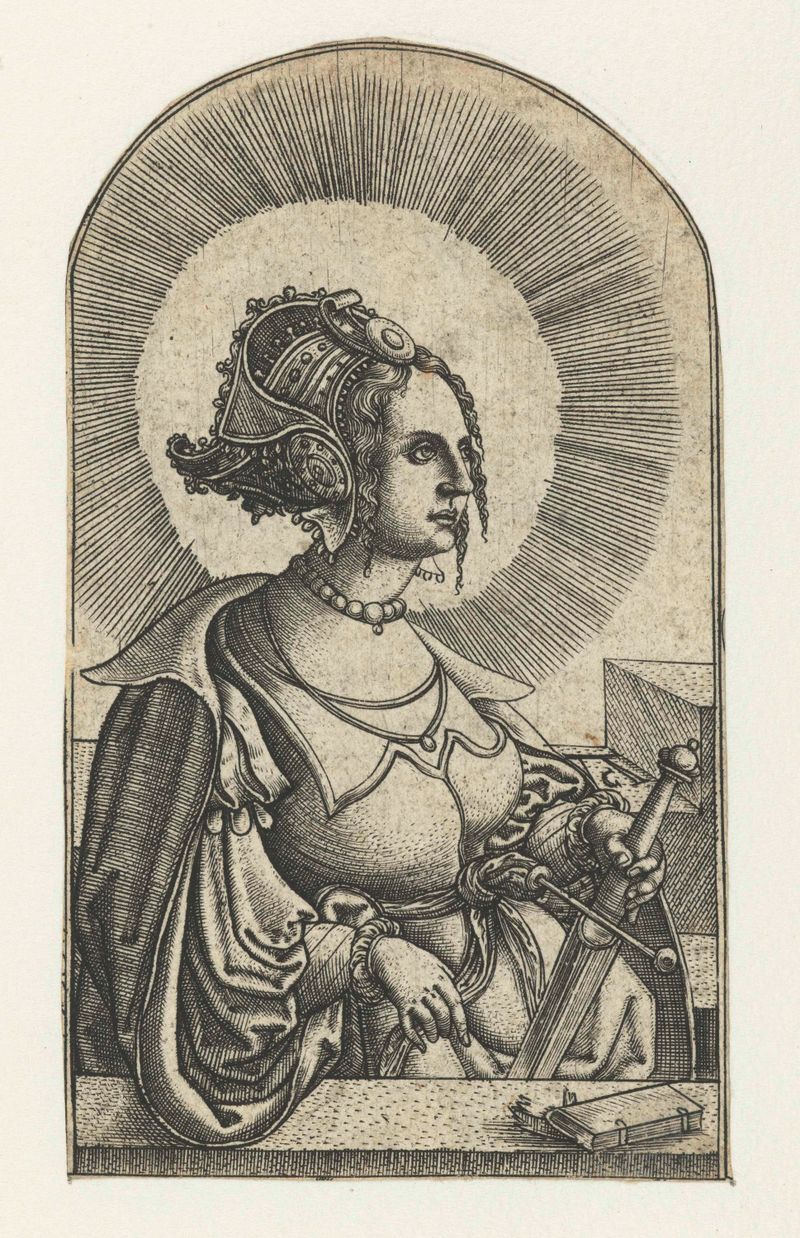
Heilige Catharina
Monogrammist AC (16e eeuw)
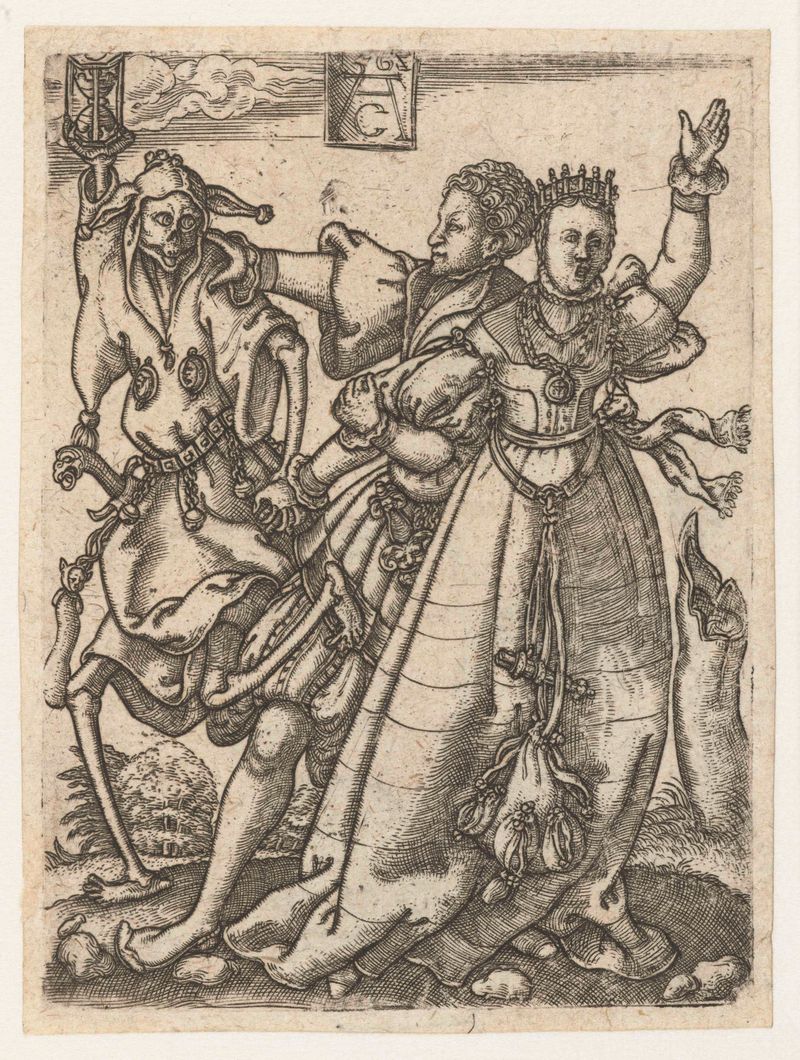
Echtpaar met de Dood
Monogrammist AC (16e eeuw)
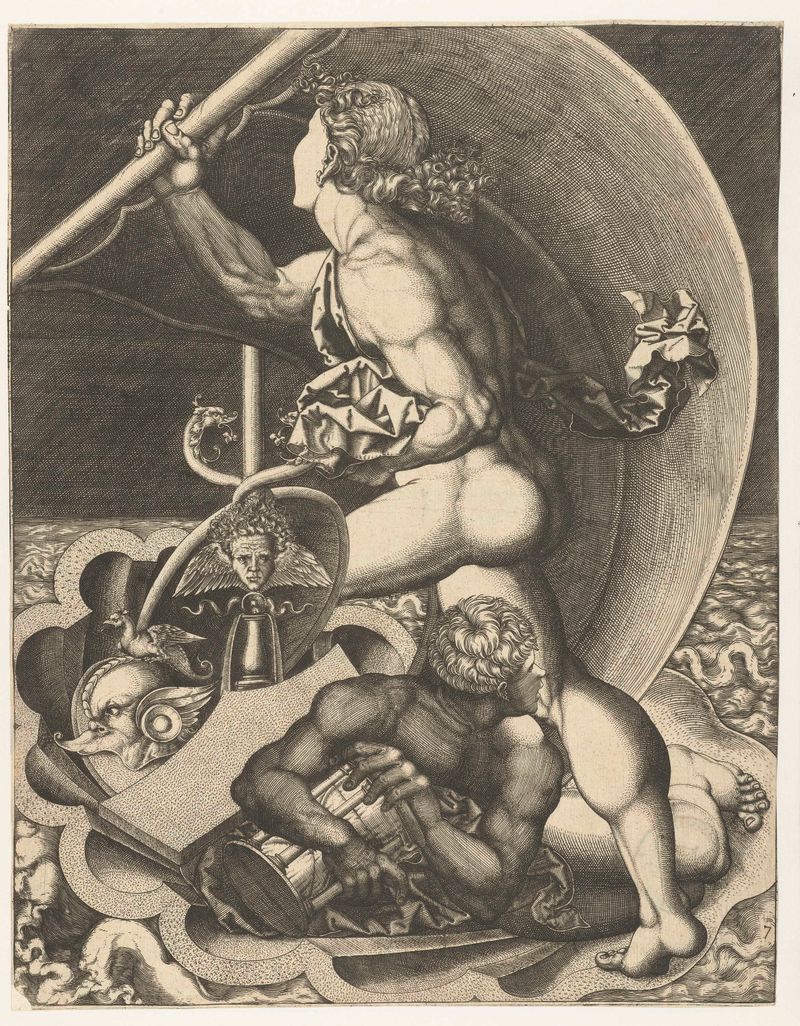
Allegorie van Tijd en Fortuin
Monogrammist AC (16e eeuw)

Portret van een jongeman (Vanitas)
Monogrammist AC (16e eeuw)

Heilige Martha en de draak
Monogrammist AC (16e eeuw)
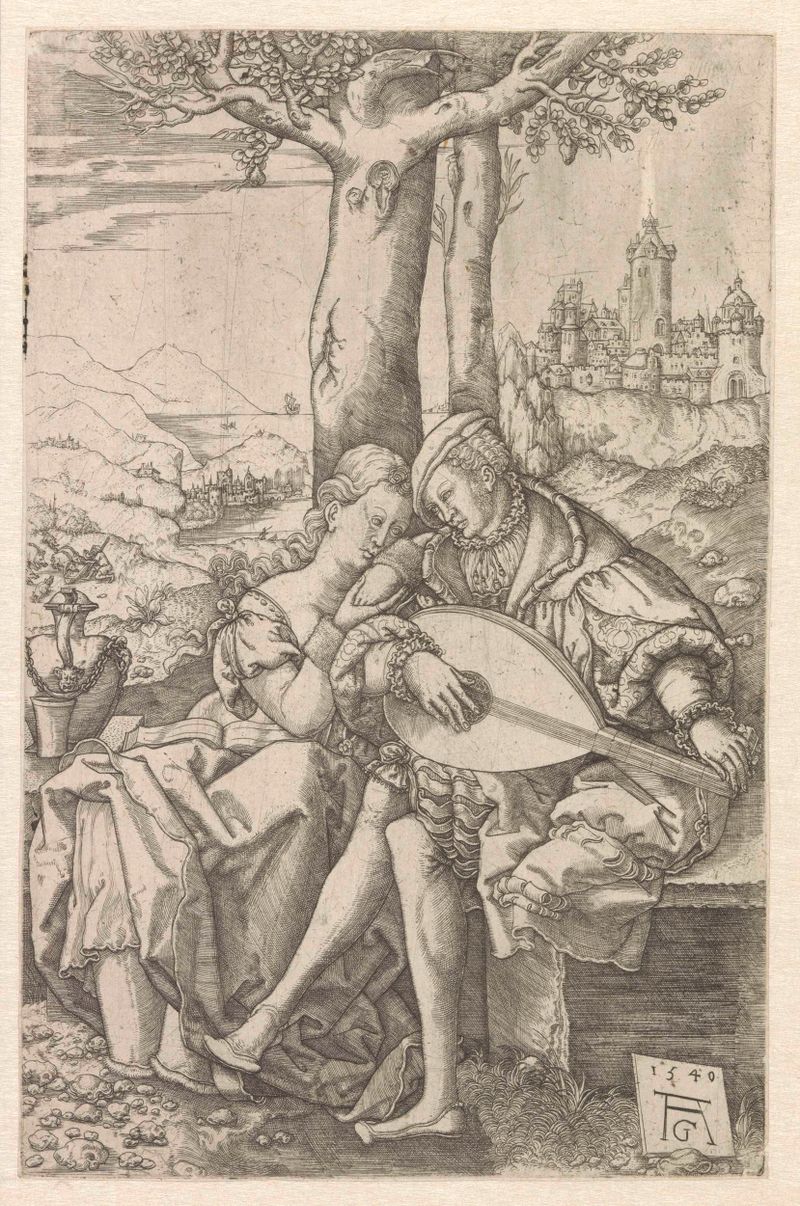
Twee verliefden onder een boom
Monogrammist AC (16e eeuw)
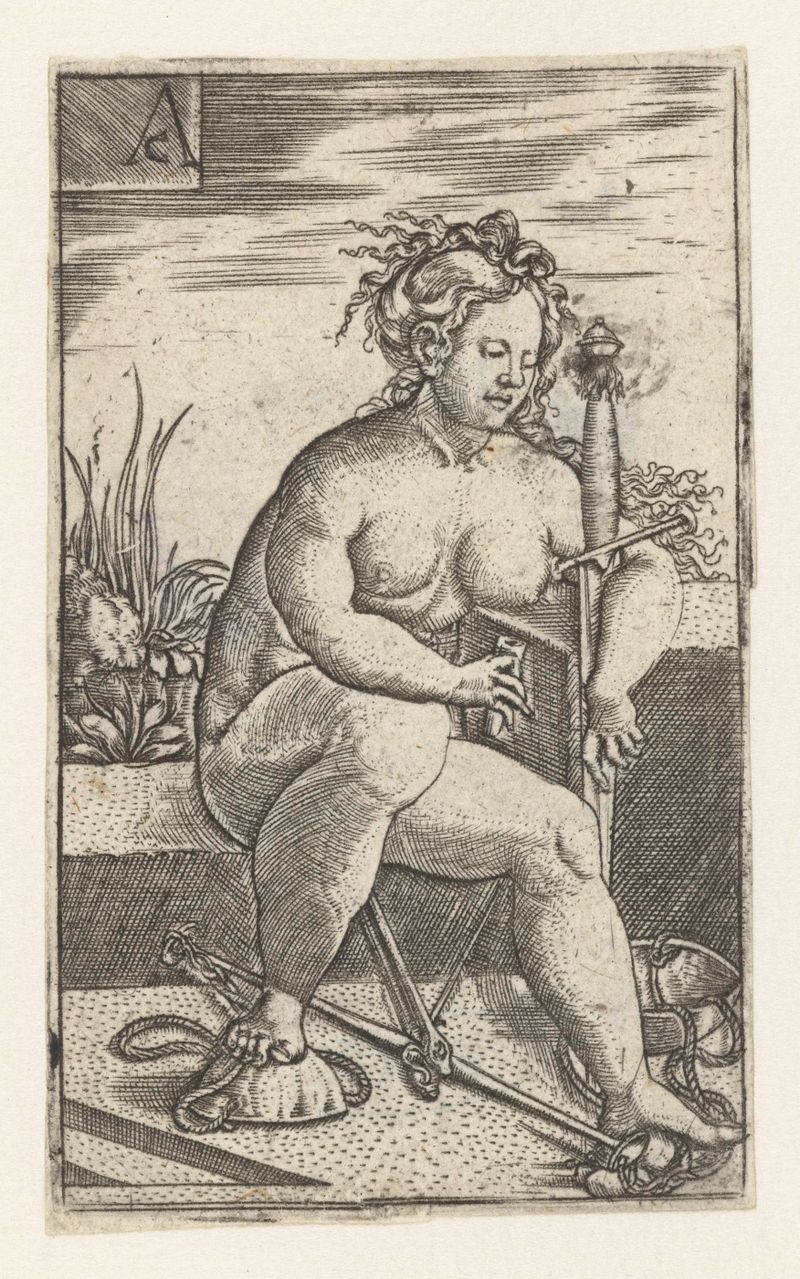
Gerechtigheid (Justitia)
Monogrammist AC (16e eeuw)
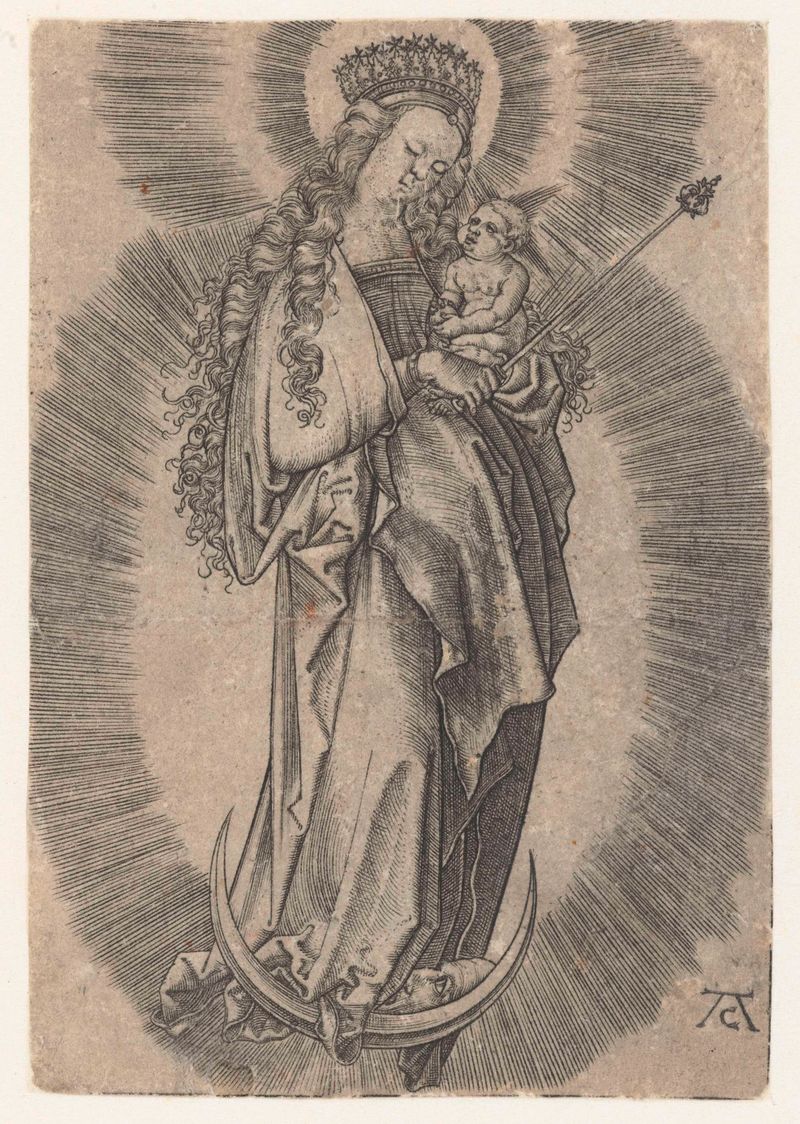
Madonna op de maansikkel.
Monogrammist AC (16e eeuw)
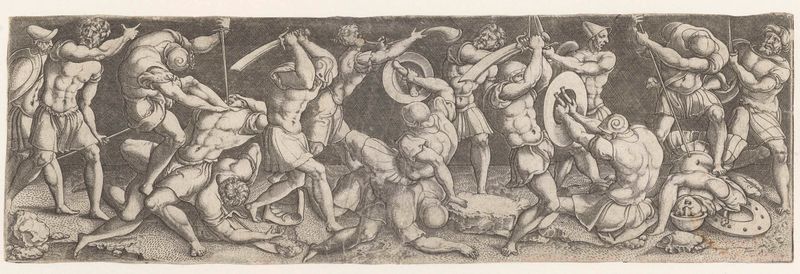
Gevecht tussen Romeinse soldaten
Monogrammist AC (16e eeuw)
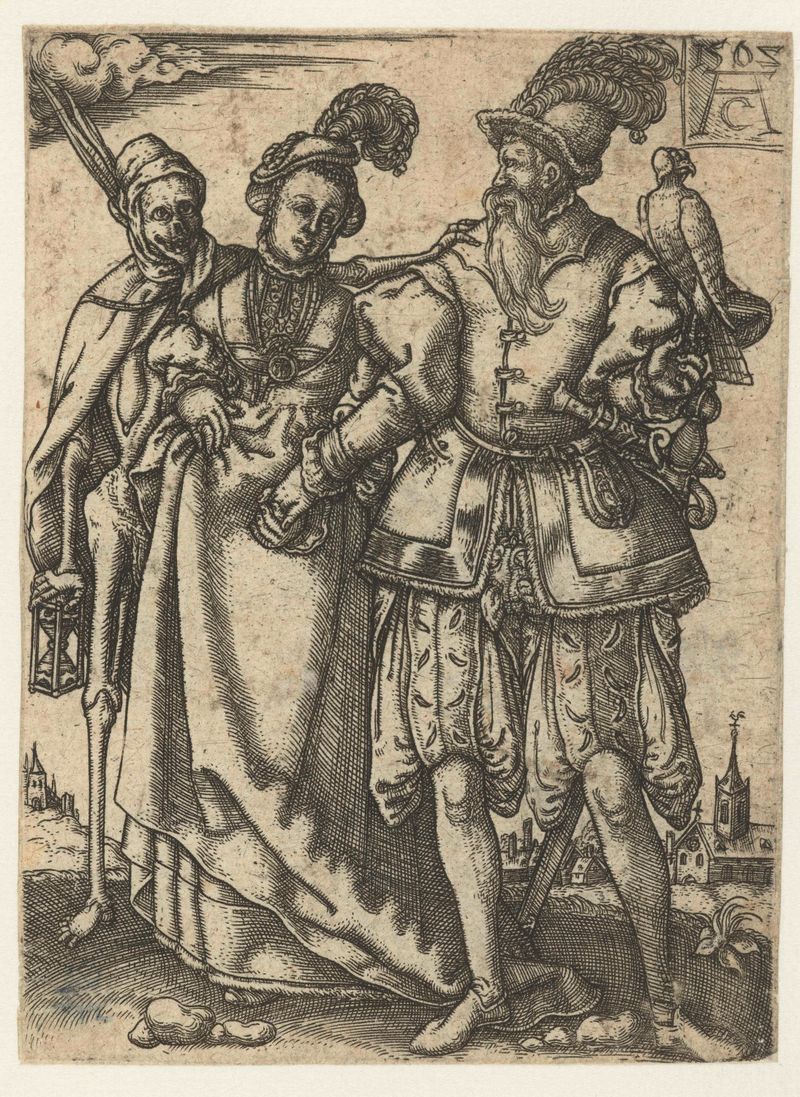
Echtpaar met de Dood
Monogrammist AC (16e eeuw)
More Portrait Art
Browse all →
Las meninas
Diego Velázquez

Self-portrait with a Bandaged Ear and Pipe
Unidentified artist

Girl with a Pearl Earring
Johannes Vermeer

The Sampling Officials of the Amsterdam Drapers’ Guild, Known as ‘The Syndics’
Rembrandt van Rijn

The Hundred Guilder Print: the man seen on the back in the lower left corner
Rembrandt van Rijn

Portrait of Dr Gachet
Vincent van Gogh