
Doorway and Vine — History & Facts
Who listens when art speaks of silence? In Doorway and Vine, the stillness of the moment invites contemplation, evoking a sense of quiet introspection that lingers in the air. Look closely at the soft interplay of light and shadow that envelops the doorway, guiding your gaze to the rich interplay of textures. The deep greens of the vine contrast with the muted tones surrounding the entrance, creating an inviting yet enigmatic threshold. Notice how the artist employs delicate brushstrokes, allowing each element to breathe, suggesting an illusion that plays with the boundary between the real and the imagined. The vine, both lush and wild, symbolizes the passage of time, intertwining with the architecture in a dance that speaks of nature's reclaiming presence.
This tension between the ordered structure of the doorway and the chaotic energy of the vine evokes questions about human ambition versus the inexorable force of nature. Each detail, from the softness of the foliage to the hard lines of the doorframe, captures a delicate balance that resonates with the viewer's own experiences of transition and permanence. Created between 1879 and 1880, Whistler crafted this piece during his time in London, where he was exploring the nuances of color and light in pursuit of a more poetic realism. This period was marked by Whistler's fascination with tonal harmony, a departure from the prevailing narrative-driven art of his contemporaries.
As he navigated the complex art world, he sought to evoke emotion through visual simplicity, paving the way for modern artistic expressions.
More Artworks by James Abbott McNeill Whistler
Browse all →
Nocturne in Blue and Silver
James Abbott McNeill Whistler
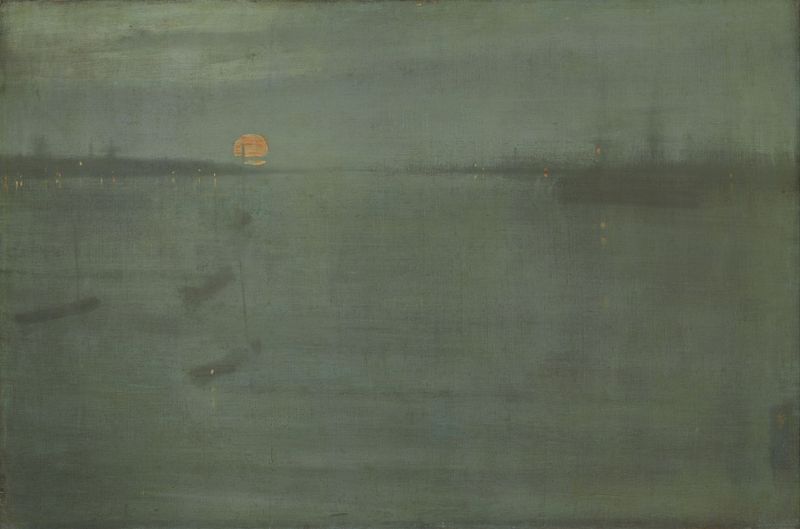
Nocturne: Blue and Gold–Southampton Water
James Abbott McNeill Whistler
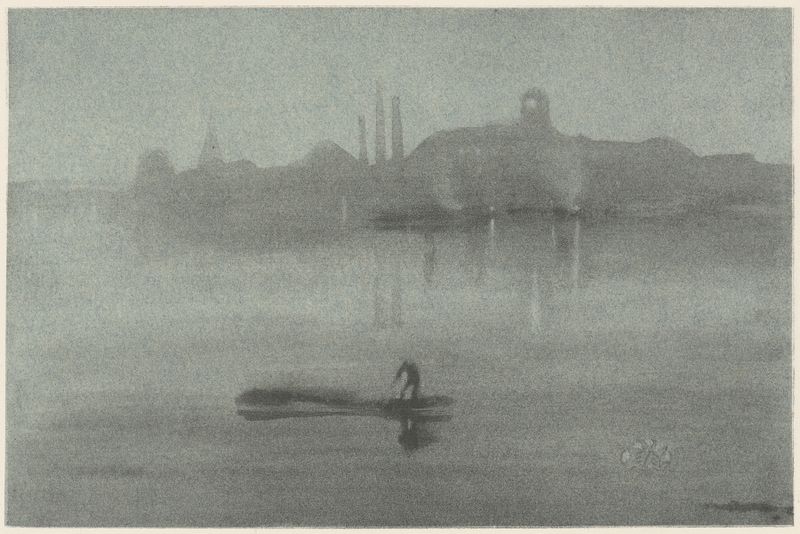
Nocturne
James Abbott McNeill Whistler
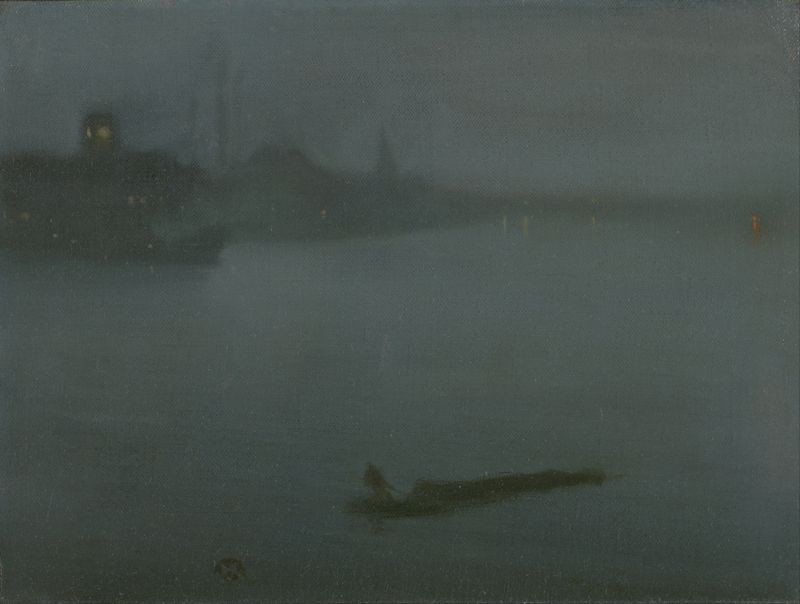
Nocturne in Blue and Silver
James Abbott McNeill Whistler
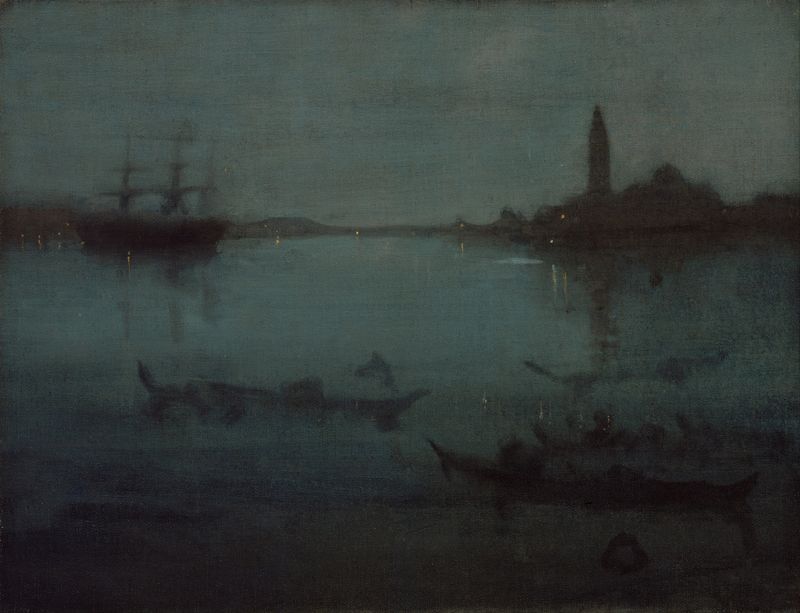
Nocturne in Blue and Silver- The Lagoon, Venice
James Abbott McNeill Whistler
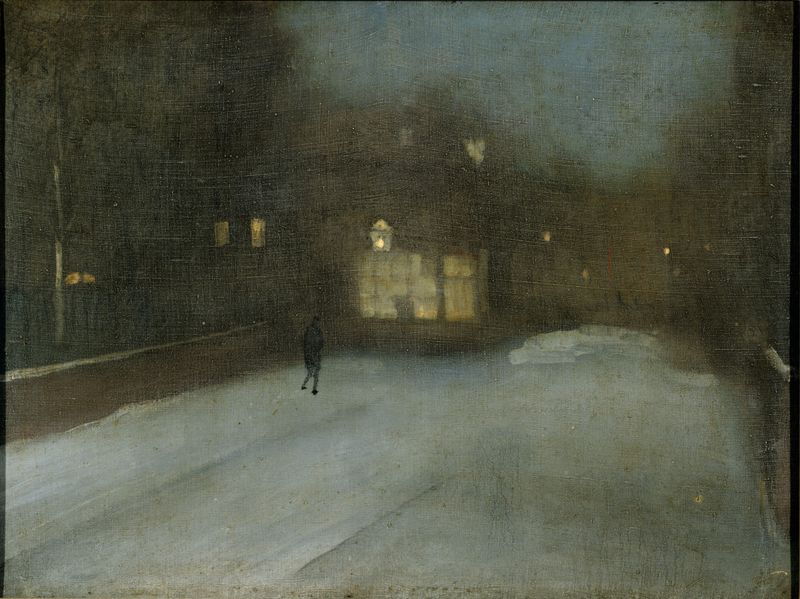
Nocturne in Grey and Gold: Chelsea Snow
James Abbott McNeill Whistler
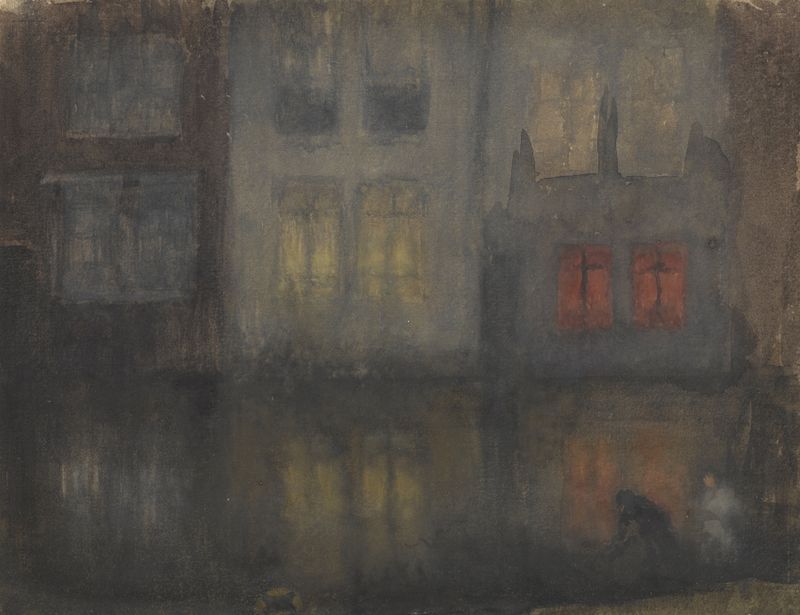
Nocturne: Black and Red—Back Canal, Holland
James Abbott McNeill Whistler
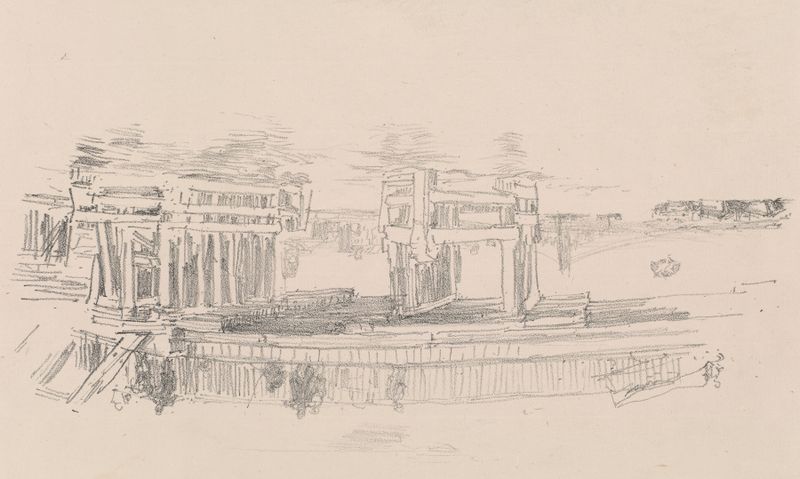
Old Battersea Bridge
James Abbott McNeill Whistler

Nocturne: Blue and Silver–Battersea Reach
James Abbott McNeill Whistler
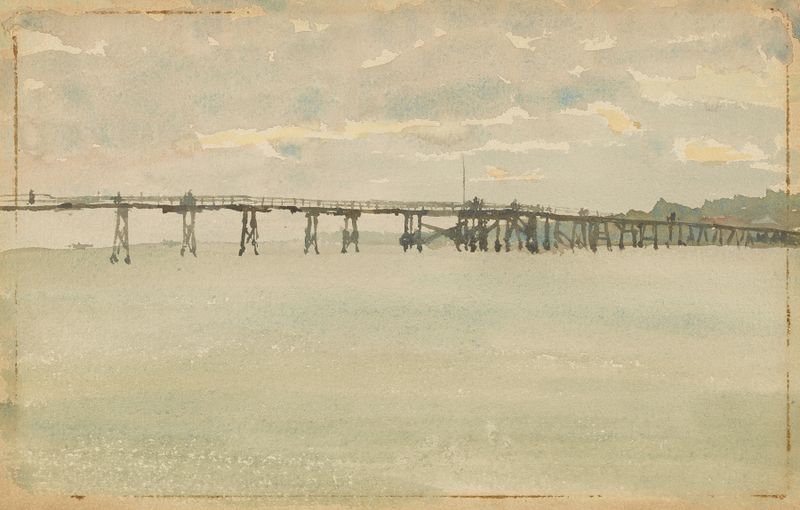
Grey and Silver–Pier, Southend
James Abbott McNeill Whistler





