Doorway and vine — History & Facts
What if beauty was never meant to be finished? In Doorway and Vine, a moment suspended in time invites us to reflect on the delicate interplay of light, shadow, and nature. Look to the left, where an archway beckons, draped with intertwining vines that softly caress the doorframe. The muted palette, rich in earthy tones, enhances the gentle glow filtering through, illuminating the textures of the leaves and the weathered wood. Notice how the soft, diffused light dances across the doorway, creating an ethereal quality that draws the eye inward, suggesting a world just beyond reach.
The careful brushwork captures the organic rhythm of the vines, imbuing the composition with a sense of life and movement. Delve deeper into the details, and you’ll uncover a juxtaposition of the manmade and the natural. The sturdy, angular doorway stands in contrast to the fluidity of the vines, symbolizing perhaps the tension between structure and freedom. The gentle encroachment of nature upon the architectural element speaks of time's relentless progression, reminding us that beauty is both persistent and ephemeral.
This interplay hints at themes of transience and the inevitable passage of life, echoing a universal longing for connection. In 1879, Whistler created this piece during his time in London, a period marked by his exploration of Japanese aesthetics and the relationship between art and beauty. As he navigated the evolving art world, he challenged traditional perceptions and embraced the idea that art could capture ephemeral moments. This painting exemplifies his commitment to the delicate balance of light and form, a hallmark of his artistic philosophy that continues to resonate today.
More Artworks by James Abbott McNeill Whistler
Browse all →
Nocturne in Blue and Silver
James Abbott McNeill Whistler
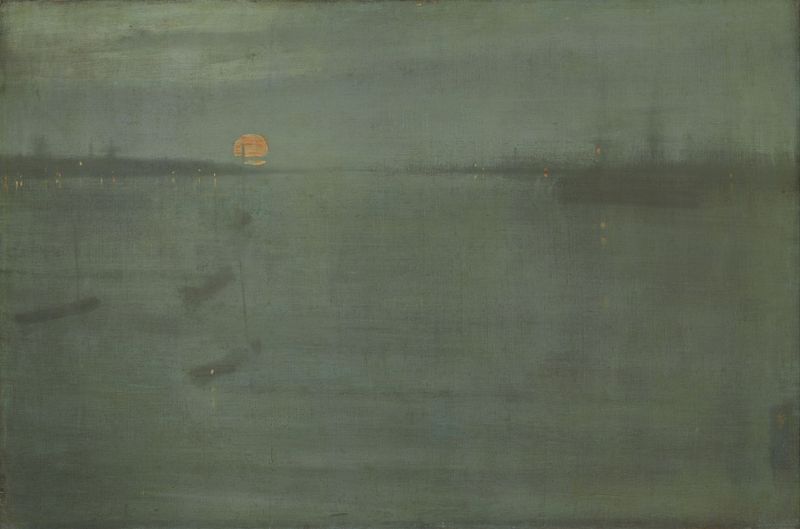
Nocturne: Blue and Gold–Southampton Water
James Abbott McNeill Whistler
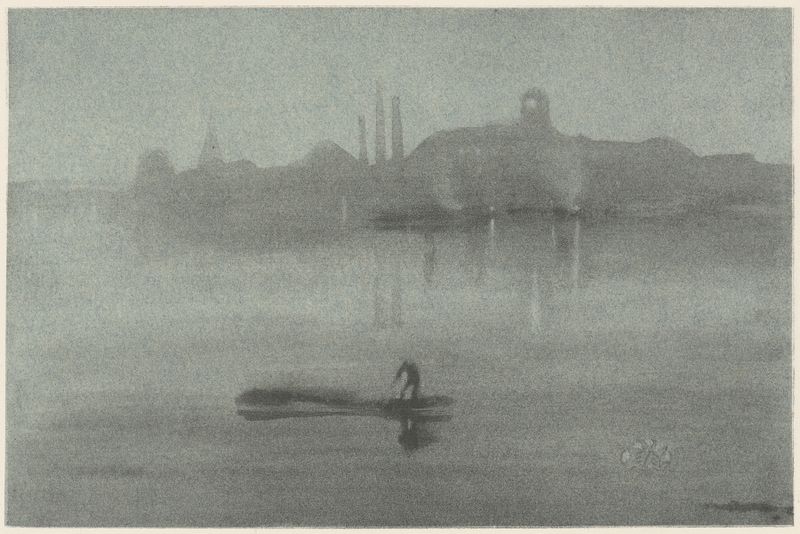
Nocturne
James Abbott McNeill Whistler
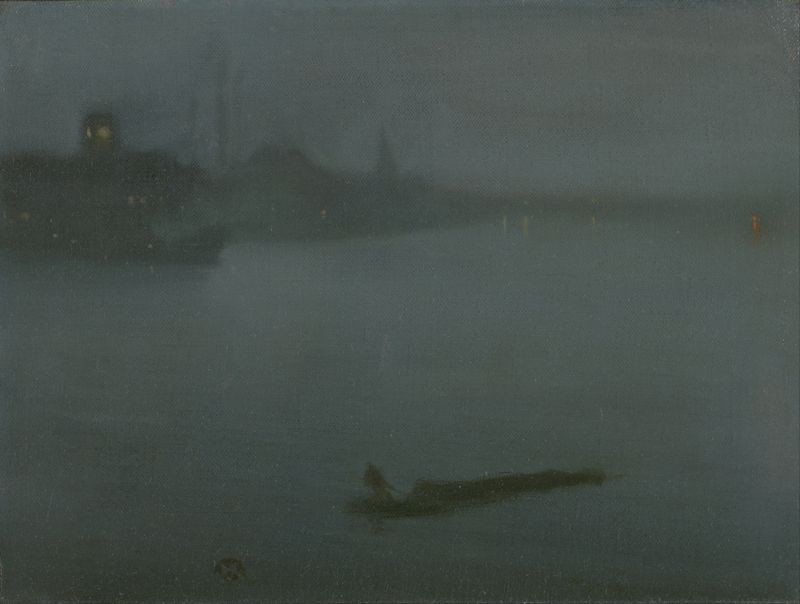
Nocturne in Blue and Silver
James Abbott McNeill Whistler
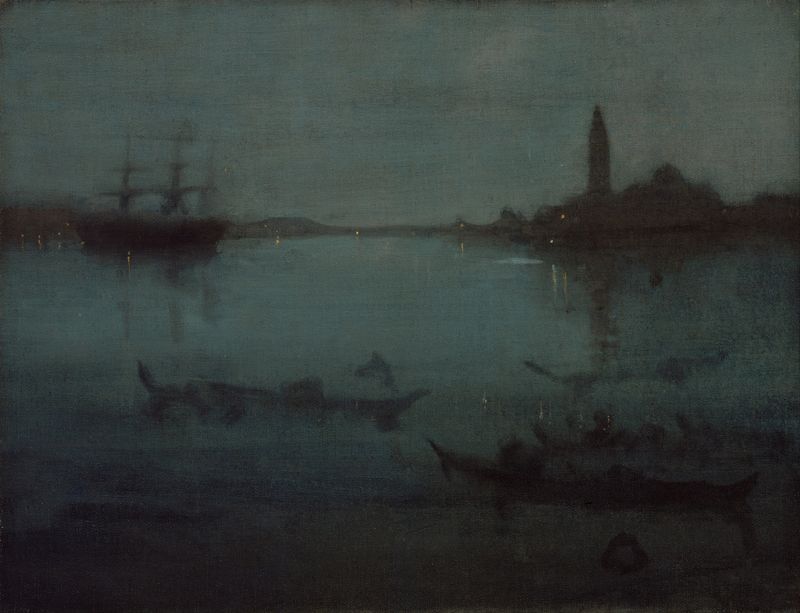
Nocturne in Blue and Silver- The Lagoon, Venice
James Abbott McNeill Whistler
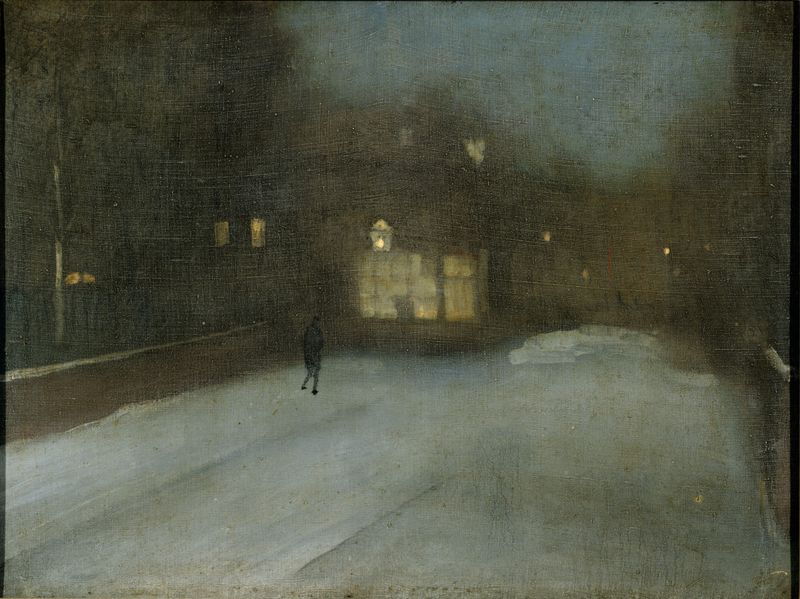
Nocturne in Grey and Gold: Chelsea Snow
James Abbott McNeill Whistler
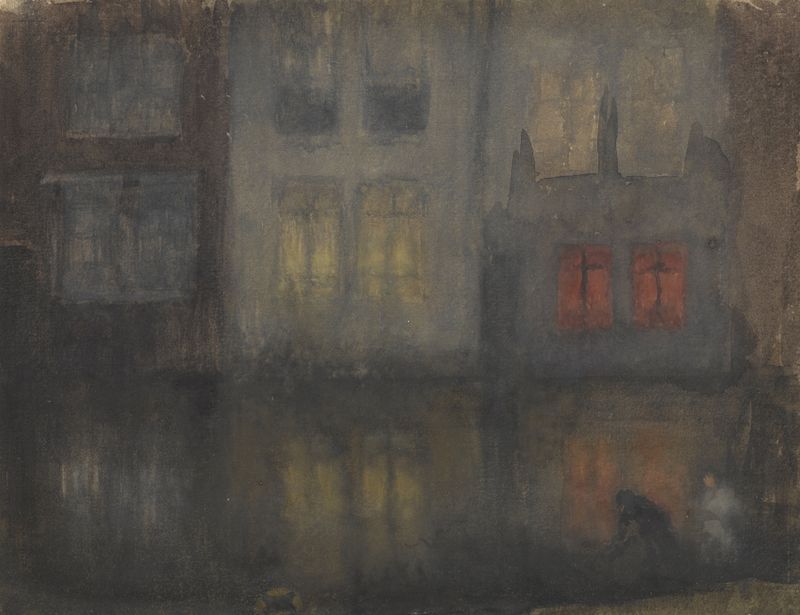
Nocturne: Black and Red—Back Canal, Holland
James Abbott McNeill Whistler
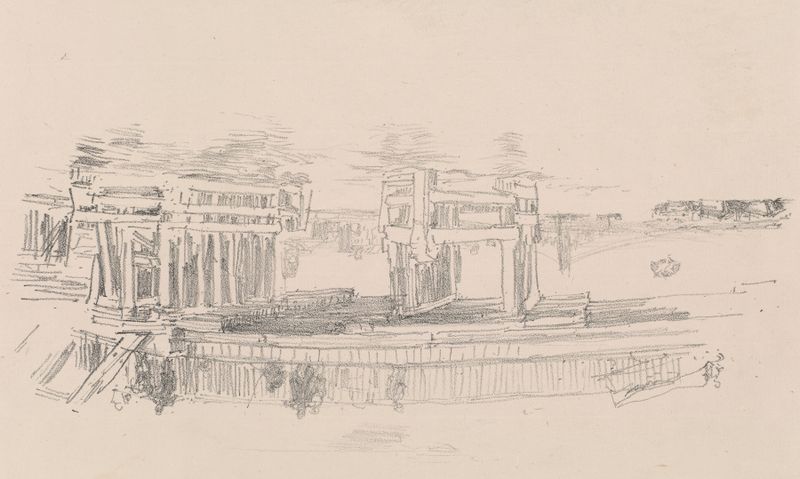
Old Battersea Bridge
James Abbott McNeill Whistler

Nocturne: Blue and Silver–Battersea Reach
James Abbott McNeill Whistler
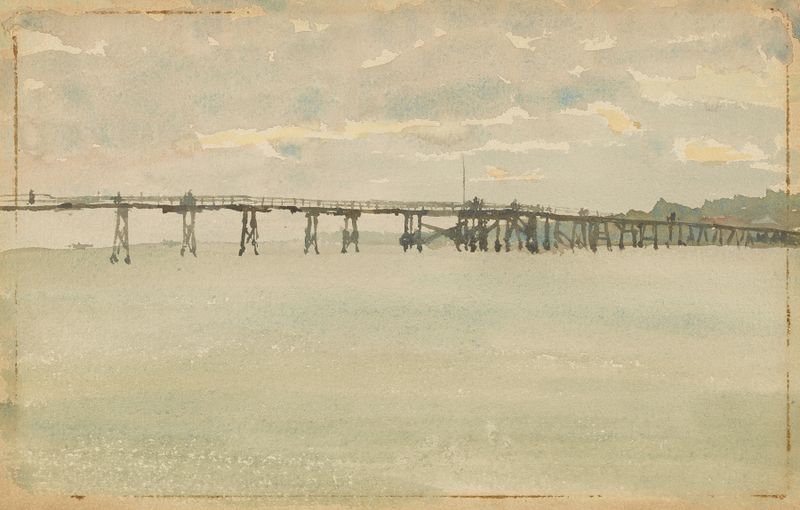
Grey and Silver–Pier, Southend
James Abbott McNeill Whistler