Dorfstraße in Militsch – Landschaft mit Teich — History & Analysis
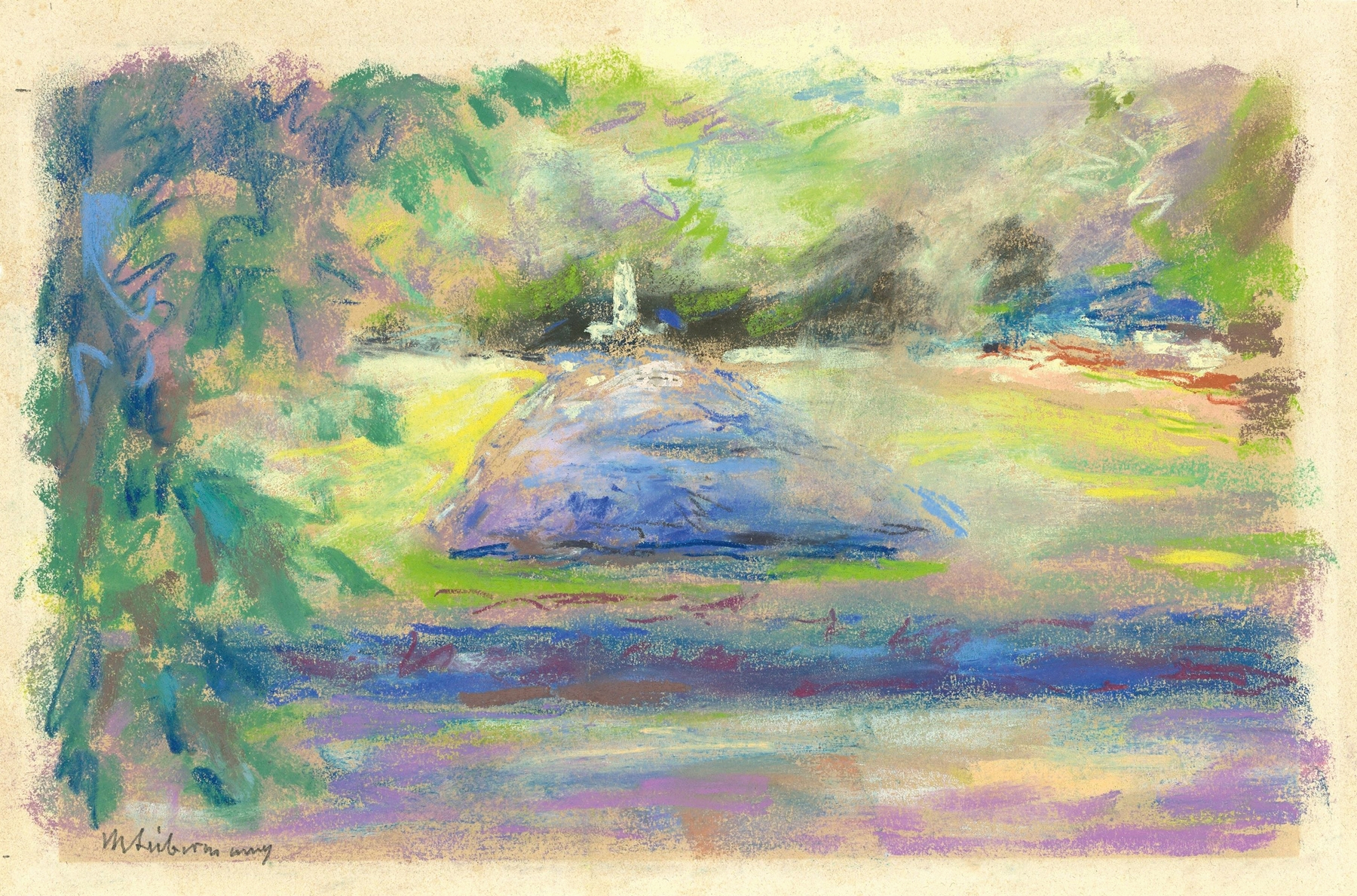
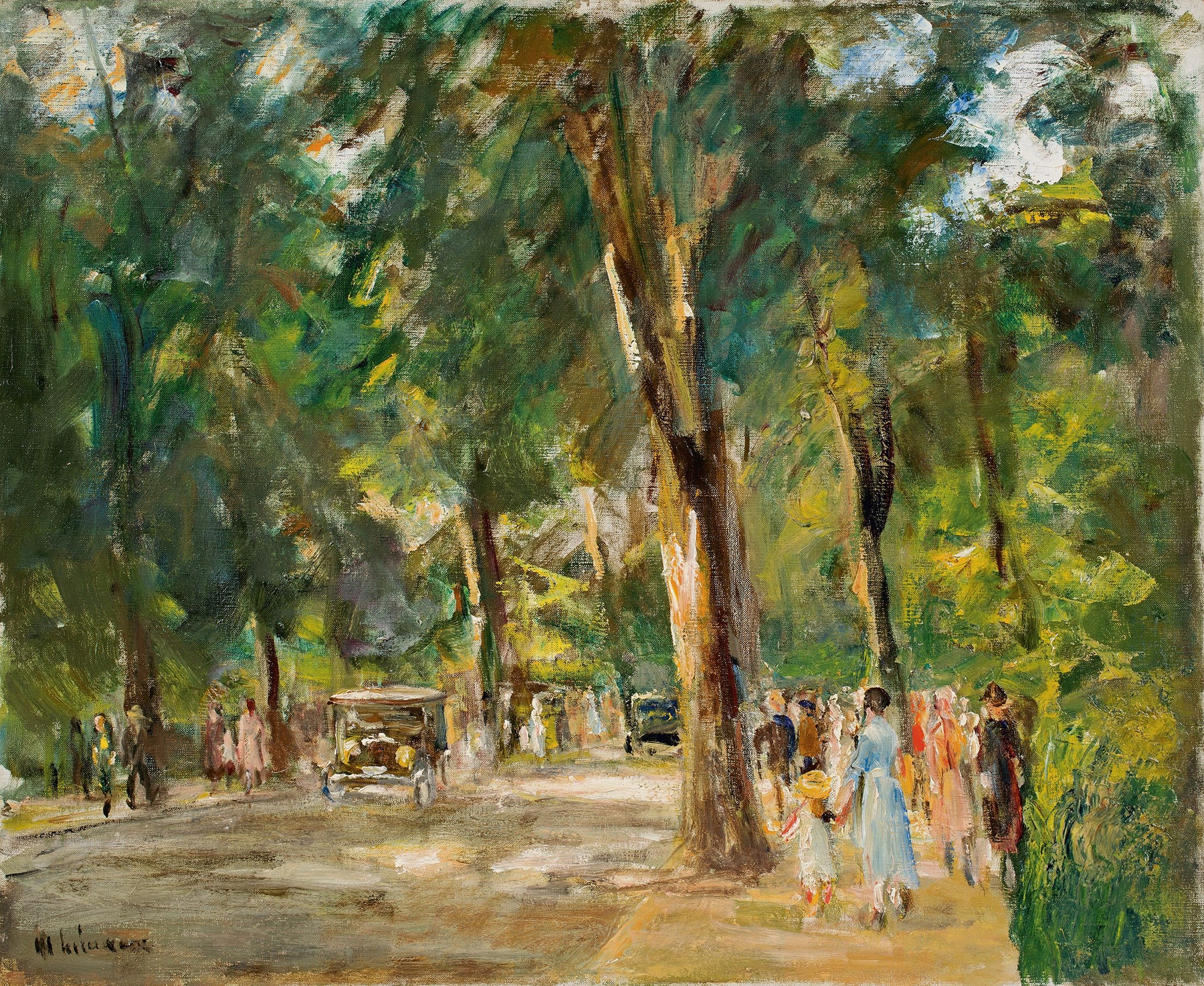
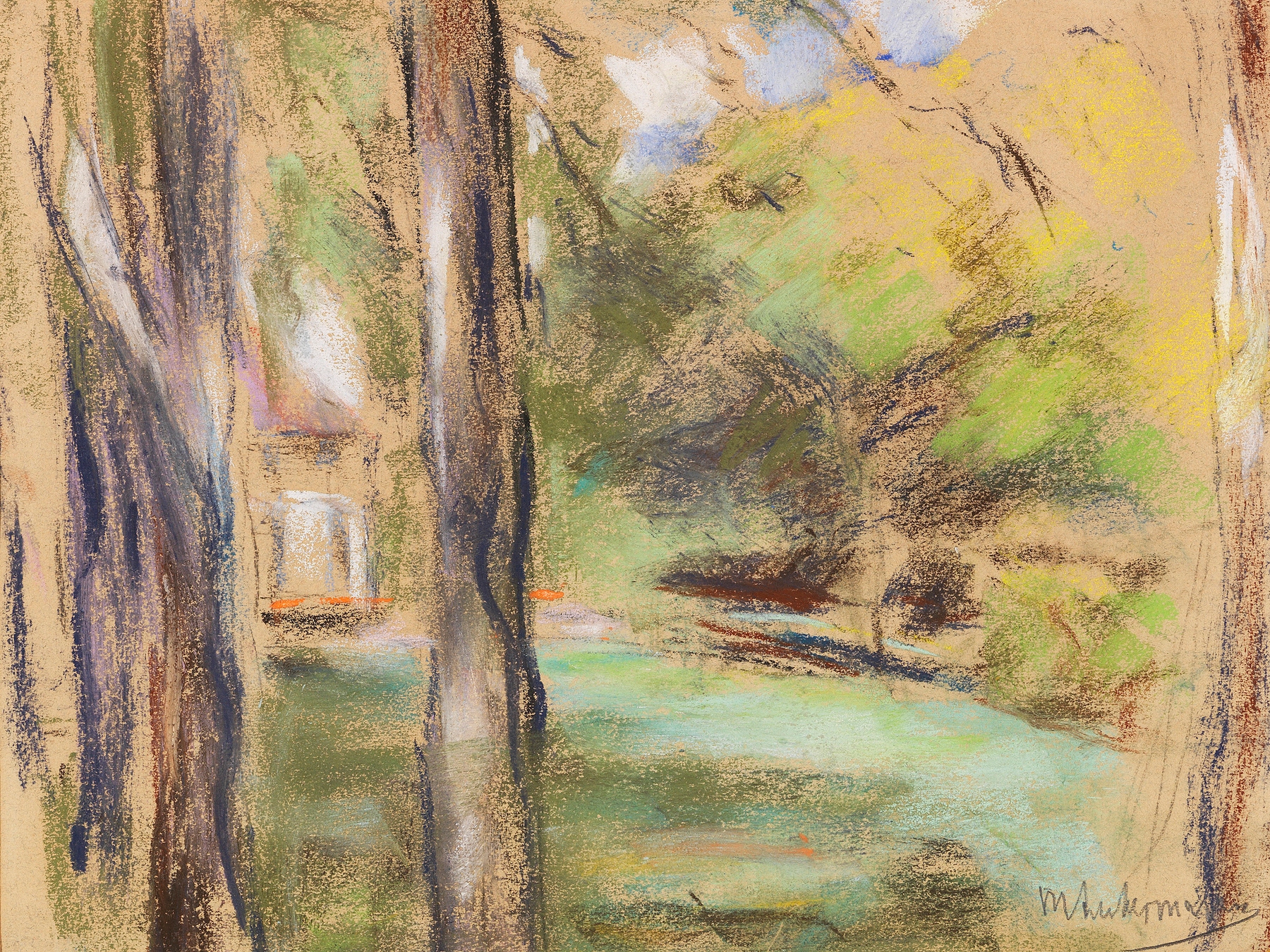
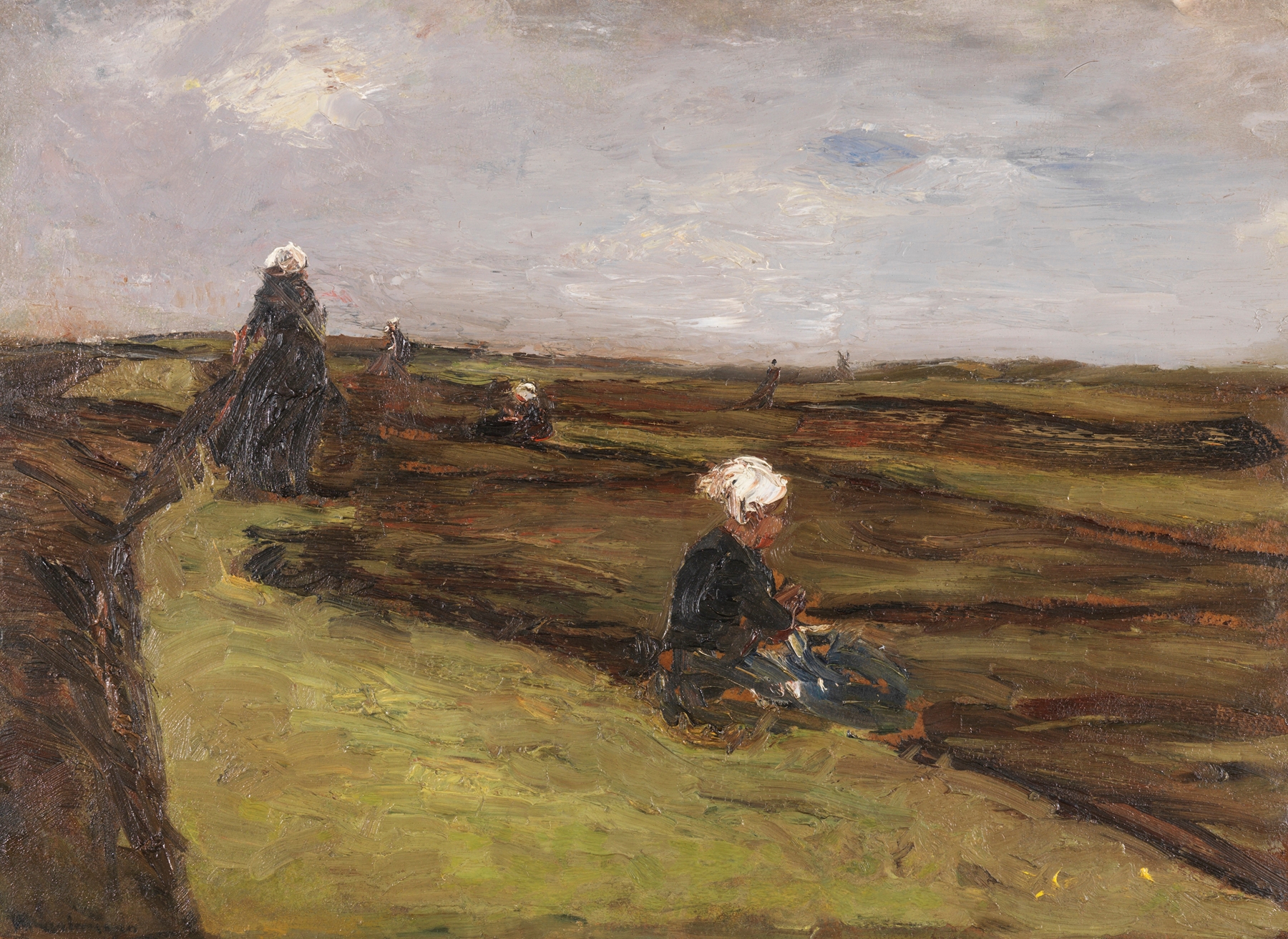
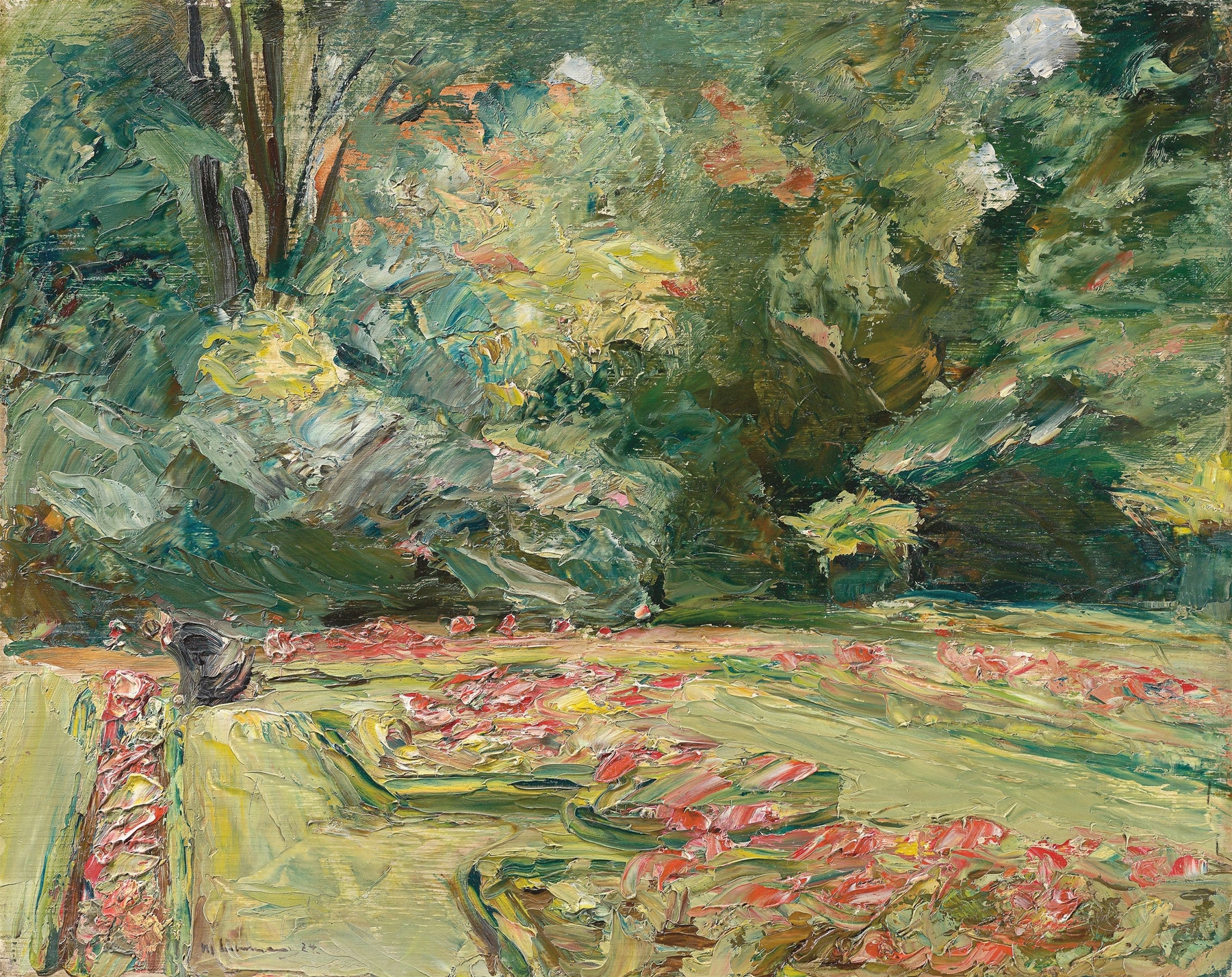
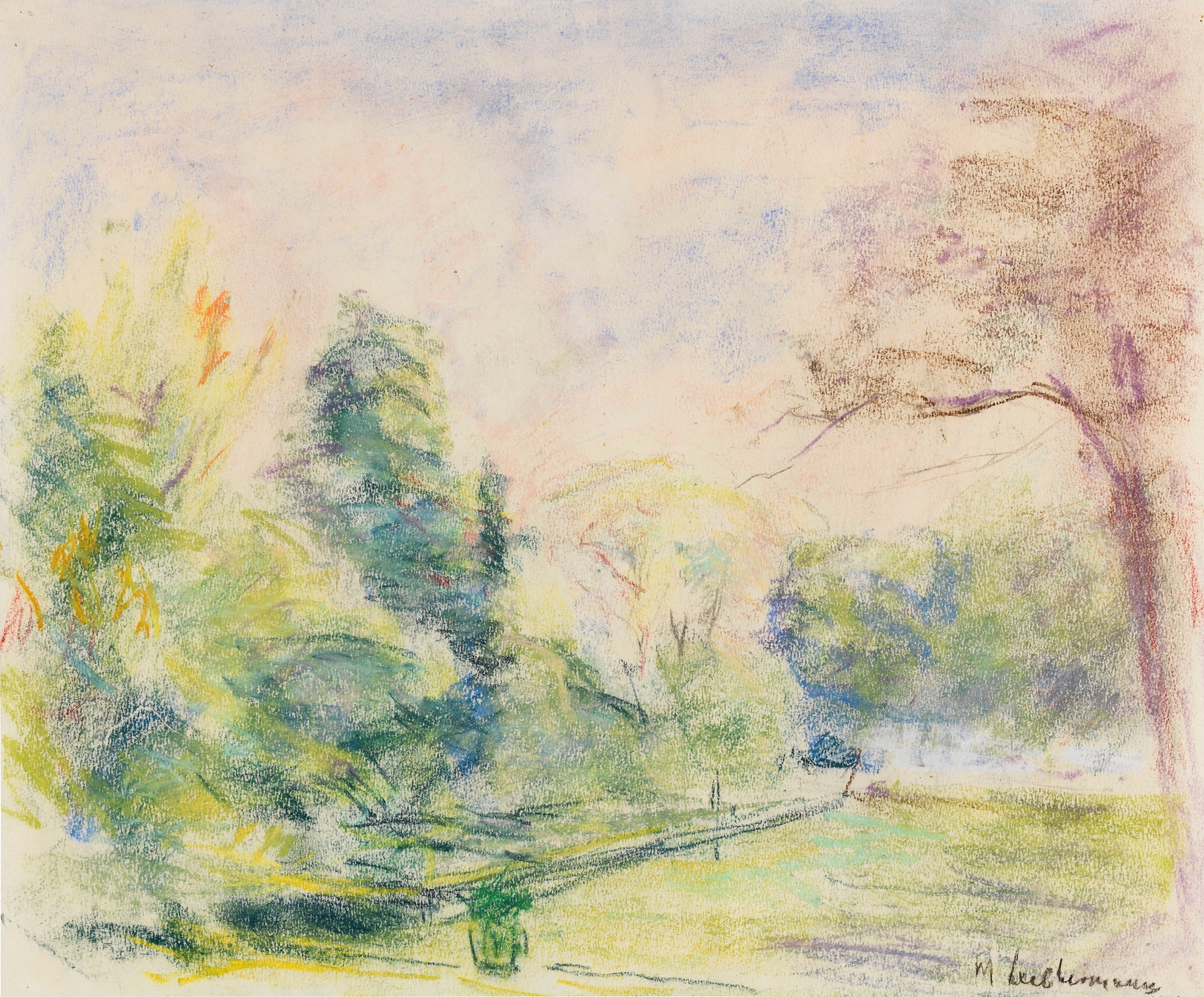
Can beauty exist without sorrow? This question lingers in the air as we gaze upon the gentle landscape captured in this poignant work. The serene scene teems with rich hues and delicate brush strokes, evoking a sense of memory that dances between joy and melancholy. The tranquility of the pond reflects not only the sky above but also the weight of the past. Focus on the left side, where a cluster of trees stands, their branches stretching gracefully overhead.
The dappled sunlight filters through the leaves, creating a play of light and shadow on the water’s surface. Notice how the soft greens and earthy browns harmonize, while hints of vibrant color hint at blooming flowers along the shore. The composition is carefully balanced, guiding the viewer’s eye along the winding path that leads deeper into the landscape, suggesting a journey both physical and emotional. The artist’s use of light here is particularly striking, as it conveys a sense of nostalgia, subtly imbuing the scene with a longing for what once was. The pond, while inviting and picturesque, also serves as a mirror of reflection— a place where memories swirl like the leaves in the breeze.
The juxtaposition of the lively flora against the still water evokes a tension between the vitality of nature and the quiet sorrow of time passing, encapsulating the complexity of human experience. In 1883, Liebermann painted this tranquil landscape while residing in Militsch, a small town that inspired many of his rural works. This period marked a transition in his career as he moved from academic art toward a more Impressionistic style, embracing the play of light and atmosphere. The world of art was evolving, with a burgeoning interest in capturing the fleeting moments of life, and this painting stands testament to that shift, showcasing both Liebermann’s technical skill and his deep emotional connection to nature.