
Dépôt de pavés à Montmartre [Paysage à la charrette] — History & Facts
Could a single brushstroke hold eternity? In Dépôt de pavés à Montmartre, the chaotic beauty of the human experience unfolds, a vibrant testament to both madness and method in the heart of Paris. Look to the lower right, where a wooden cart teems with bricks, each one meticulously rendered to suggest the labor of the city’s workers. The warm, earthy tones contrast against the cool blues of the sky, creating a dialogue between industry and nature. Notice how the jagged brushstrokes mimic the textures of the cobblestones, inviting the viewer to feel the energy pulsating through the scene.
The play of light dances across the canvas, illuminating the figures as they labor under a cloud-streaked sky, their movements both hurried and purposeful. Delve deeper into the interplay of colors and gestures, where the vibrant palette speaks to the frenetic spirit of urban life. The figures, though small and indistinct, embody a collective struggle, their anonymity reflecting the madness of the city’s relentless pace. The juxtaposition of the serene sky against the bustling foreground hints at a world caught in the balance of creation and chaos, while the cart serves as a metaphor for the burdens carried by both laborers and the city itself. In 1889, Dépôt de pavés à Montmartre emerged from Maximilien Luce's brush as he navigated the complexities of his own life and the art world’s evolution.
Living in Paris, he was immersed in the fervor of Impressionism, yet sought to blend its techniques with a deeper social consciousness. This piece captures a moment in time, depicting not just a landscape but an era defined by transformation and the relentless march of progress.
More Artworks by Maximilien Luce
Browse all →
Le Quai Montebello Et La Colline Sainte-Geneviève
Maximilien Luce

Le Pont-Neuf, La Seine, Petit Bras
Maximilien Luce
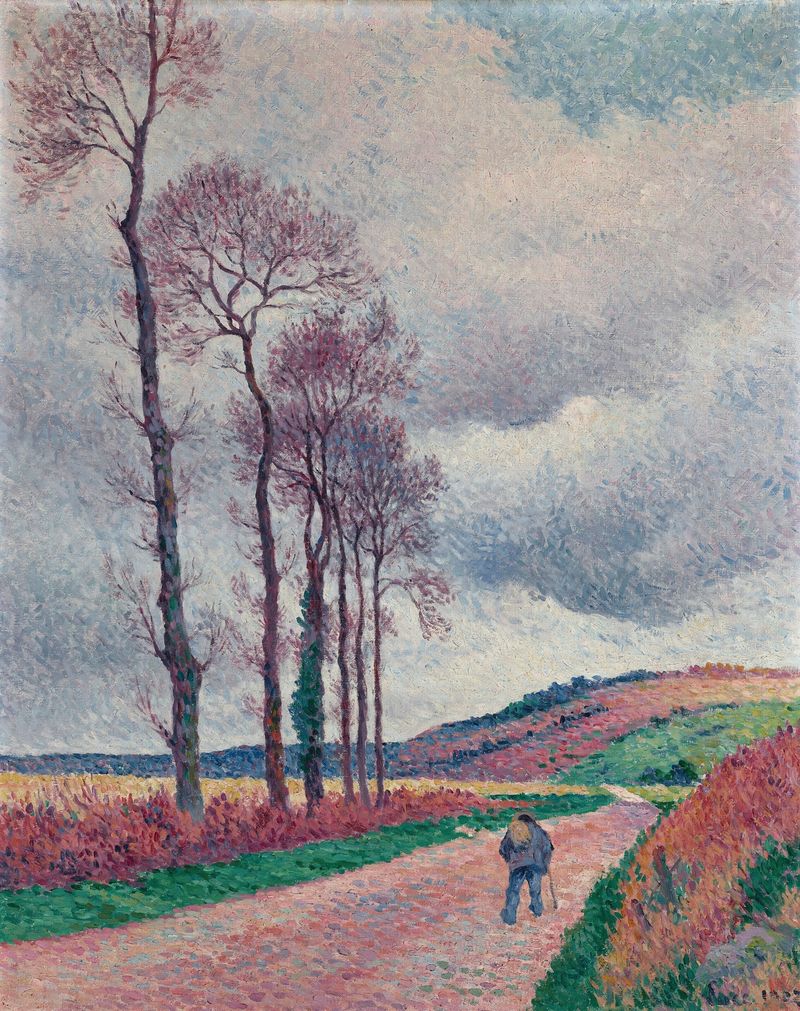
La route aux environs de Méréville
Maximilien Luce
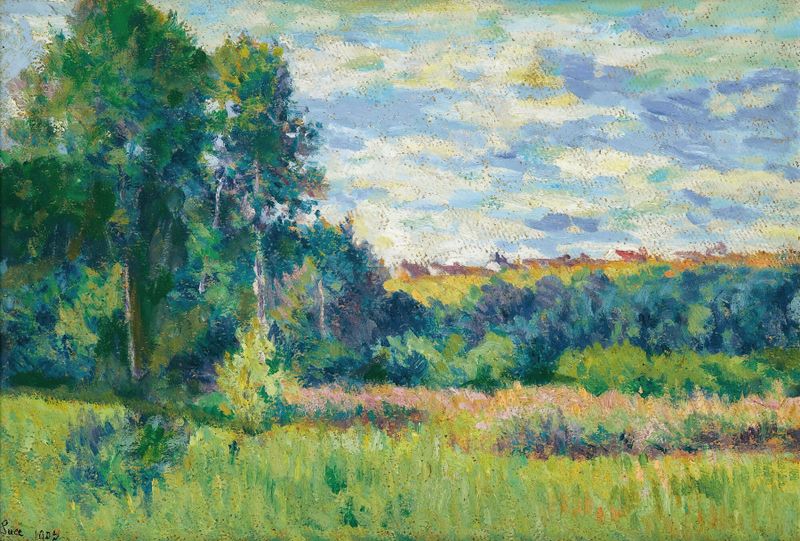
Paysage
Maximilien Luce
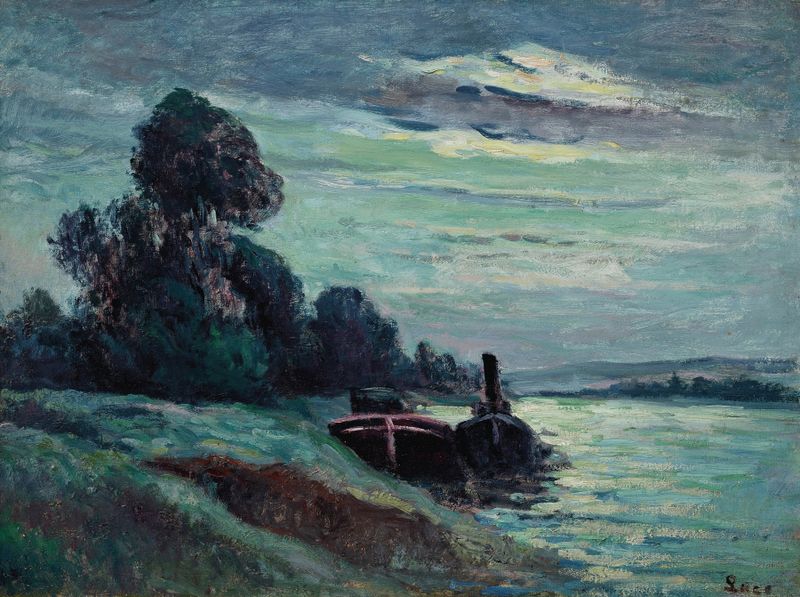
Péniches sur la Seine
Maximilien Luce

Notre Dame de Paris
Maximilien Luce
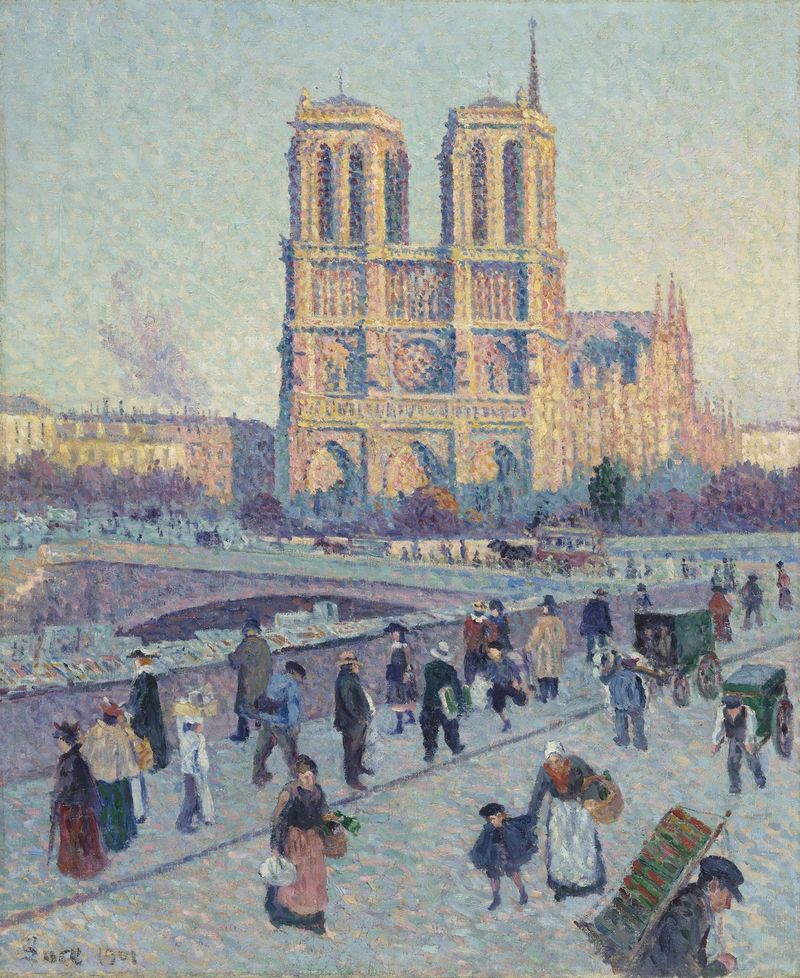
The Quai Saint-Michel and Notre-Dame
Maximilien Luce

La Seine au Pont Mirabeau
Maximilien Luce
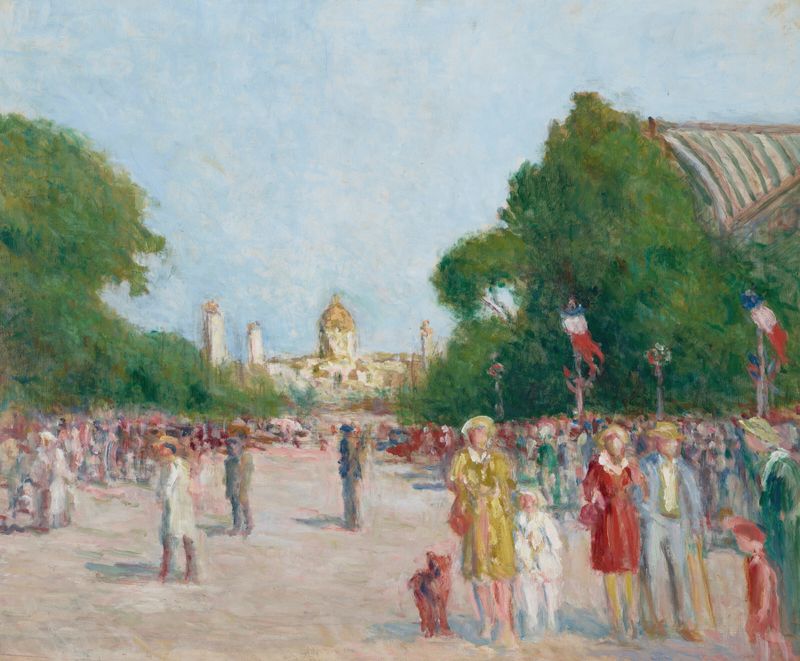
L’avenue Winston-Churchill, Paris
Maximilien Luce

Paris, Le Quartier De Vaugirard
Maximilien Luce





