
Dream of Gediminas — History & Facts
A restless hush fills this nocturnal camp, where the fire’s glow carves out a fragile island of warmth amid a brooding forest. The eye is drawn first to the central figure, half-reclining, his head propped on one hand, as if caught between sleep and waking. Around him, companions and hounds lie curled in uneasy slumber, their bodies echoing the twisted roots and branches above.
The painter’s handling of light is deliberate: the fire’s orange flicker illuminates faces and rough-hewn garments, while the world beyond—wolves prowling at the forest’s edge, a moonlit sky tangled in branches—remains cold and watchful. Every detail, from the cloak draped over the tree to the quiver and horn hanging nearby, is chosen to heighten the sense of a moment suspended between danger and revelation. Works like Dream of Gediminas by Ignacy Gierdziejewski, now in the National Museum in Warsaw, belong to a genre where history, legend, and national identity entwine. In the nineteenth century, artists across Eastern Europe mined their medieval pasts for stories that could speak to the anxieties and aspirations of their own time—often in eras of political uncertainty.
Such paintings were rarely mere decoration; they were charged with meaning for those who commissioned or viewed them, whether as private meditations or public statements. Though little is recorded about this particular canvas or its creator, its mood and subject place it squarely within the romantic tradition of historical narrative painting. The longer you look, the more the painting invites you to listen for the dream that stirs in the embers and the shadows.
More Artworks by Ignacy Gierdziejewski

Dante and Vergil
Ignacy Gierdziejewski
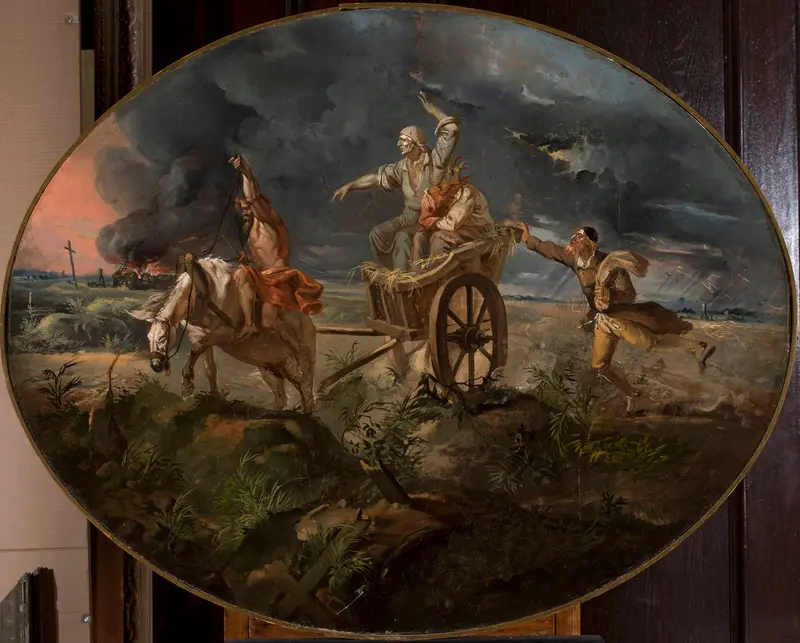
Symbolic scene – Poverty and misery come to see us
Ignacy Gierdziejewski
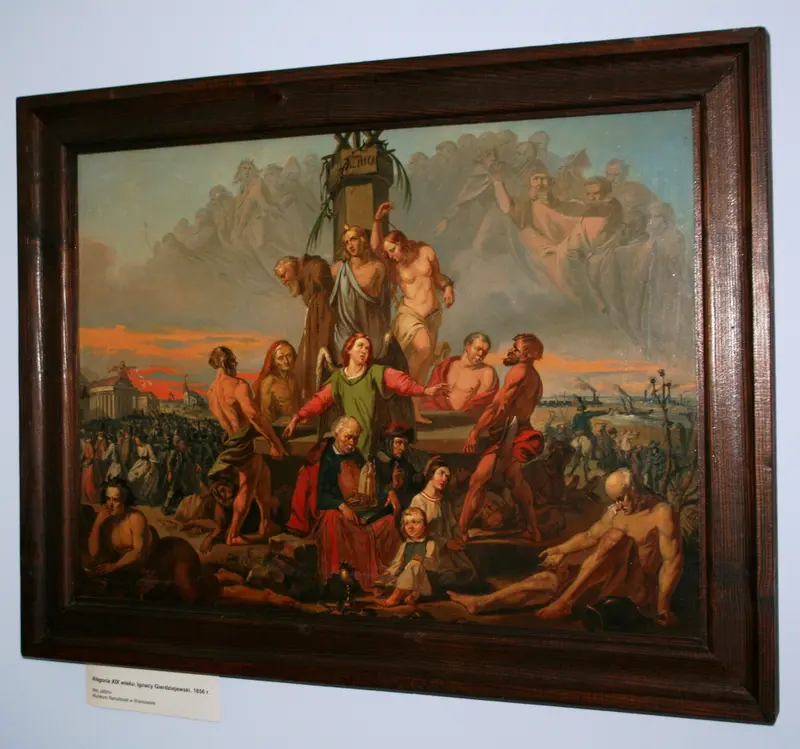
Allegory – The 19th Century
Ignacy Gierdziejewski
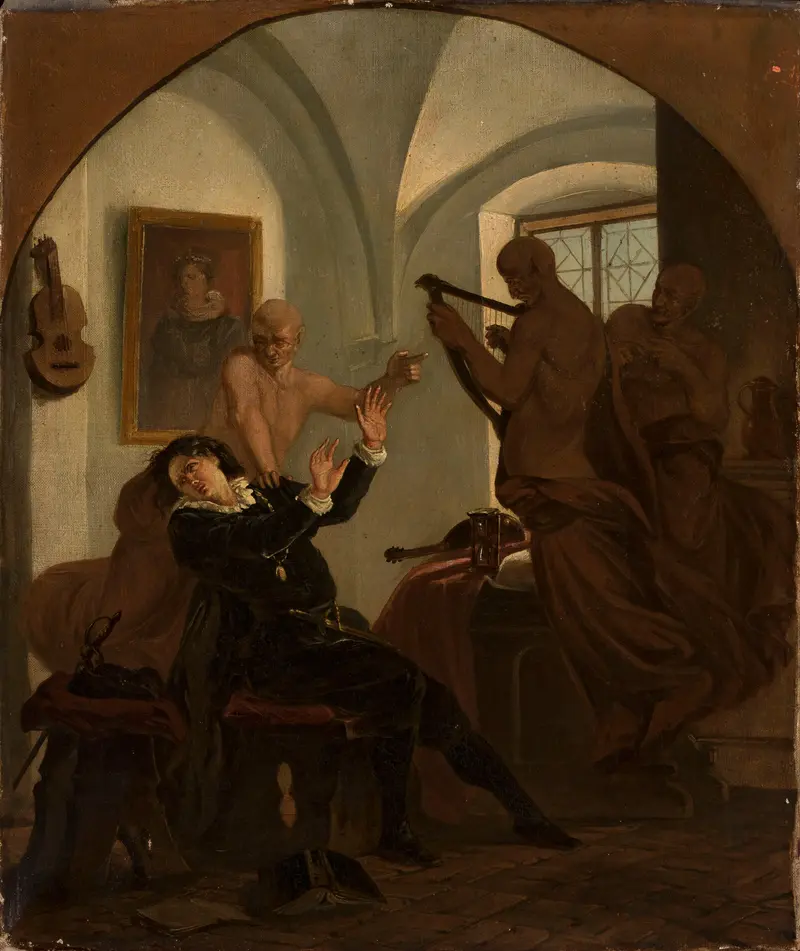
Bakfark, lutenist of Queen Bona
Ignacy Gierdziejewski
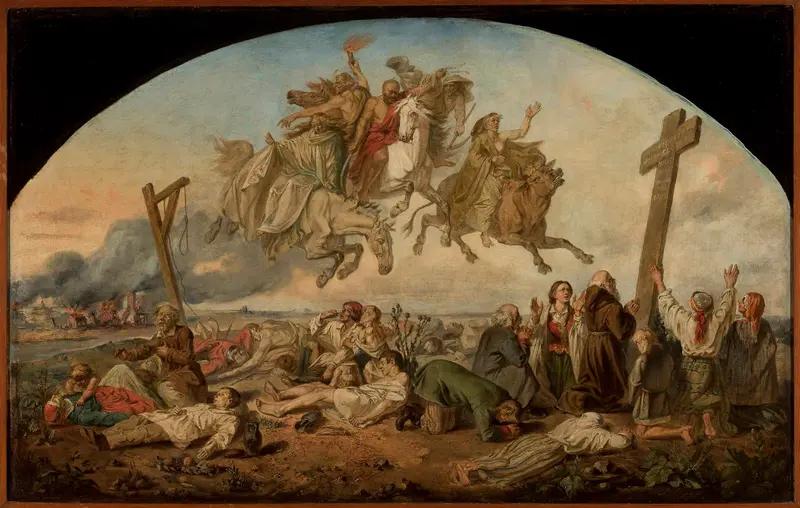
Lord deliver us from air, fire, war, famine and sudden death
Ignacy Gierdziejewski
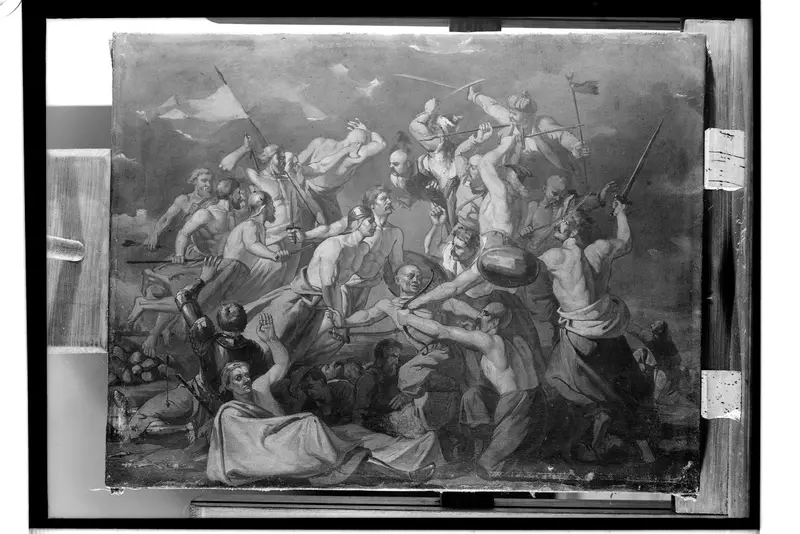
Night after the battle of Legnica
Ignacy Gierdziejewski
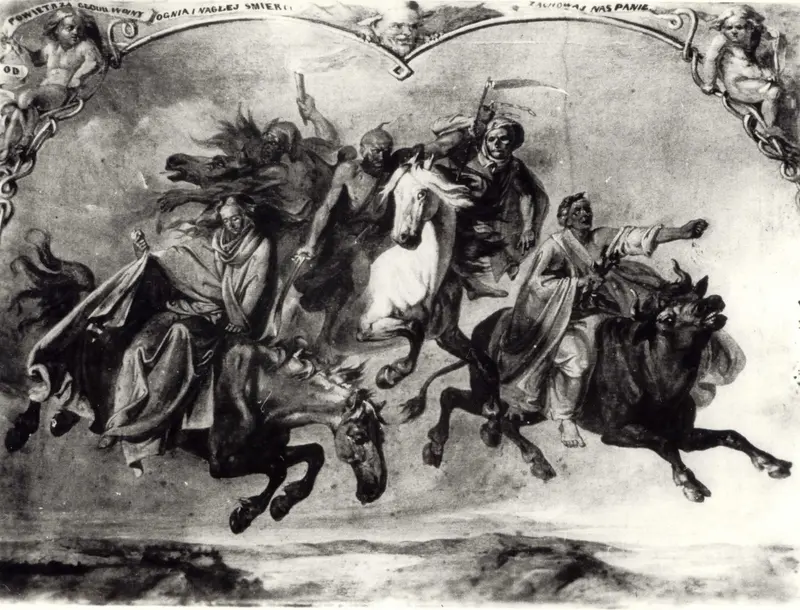
Apocalypse
Ignacy Gierdziejewski
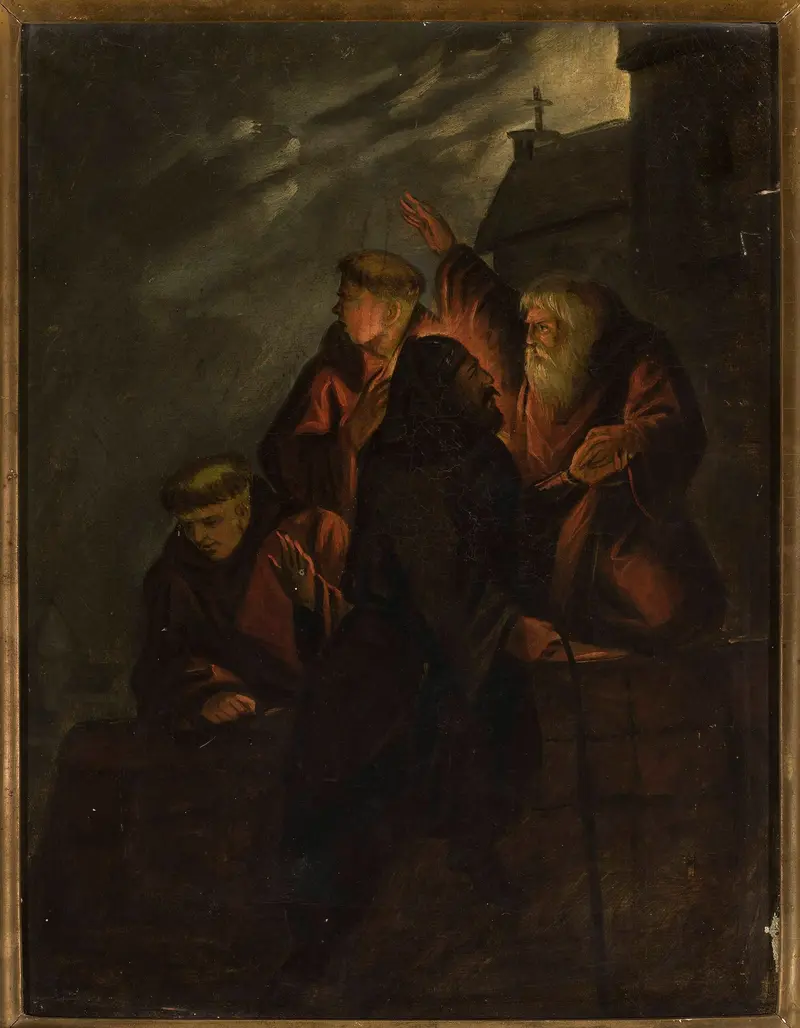
Priest Marek facilitates the escape of Władysław the Short
Ignacy Gierdziejewski
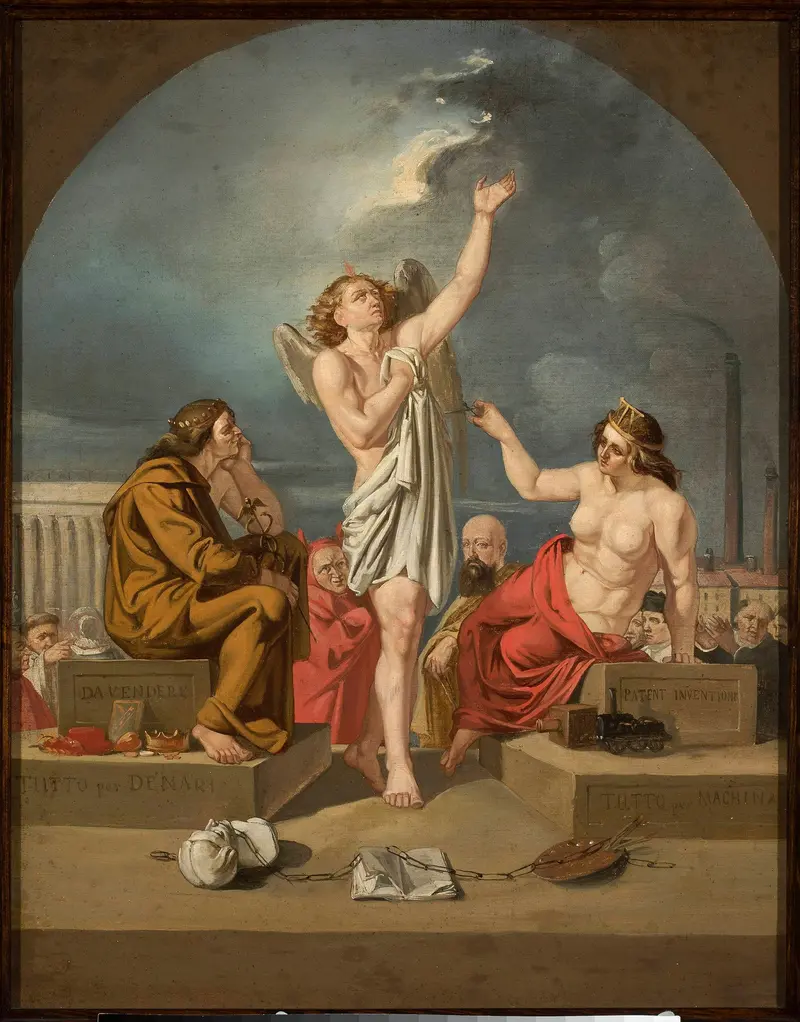
Symbolic scene – Tutto per Machina. Tutto per Denari
Ignacy Gierdziejewski
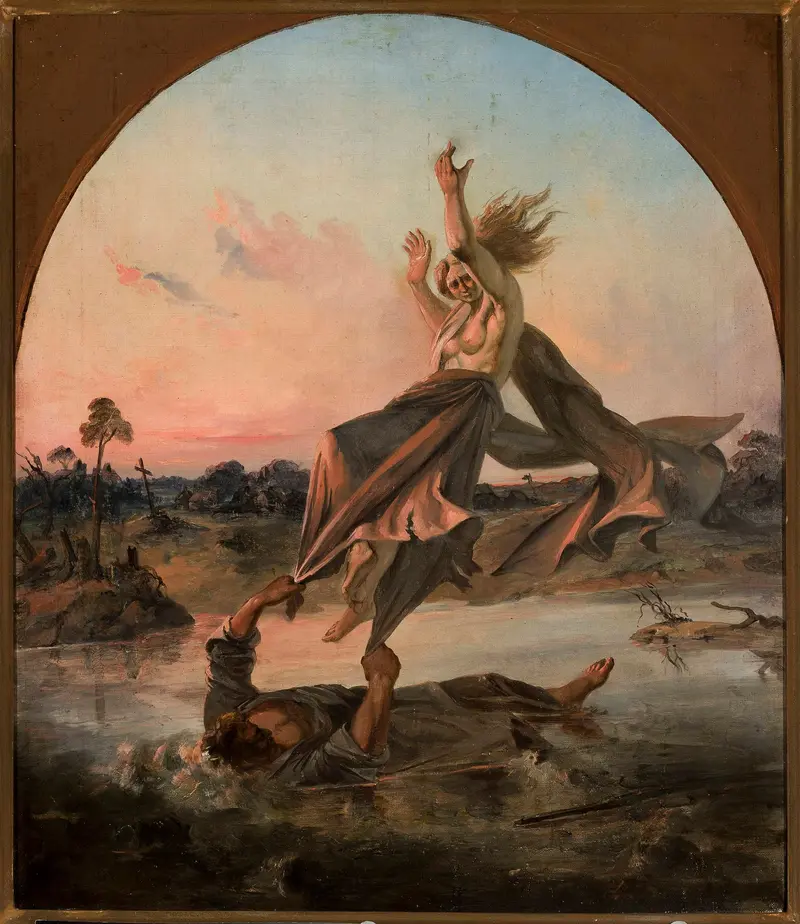
Pestilent air
Ignacy Gierdziejewski





