Dreisamidylle — History & Facts
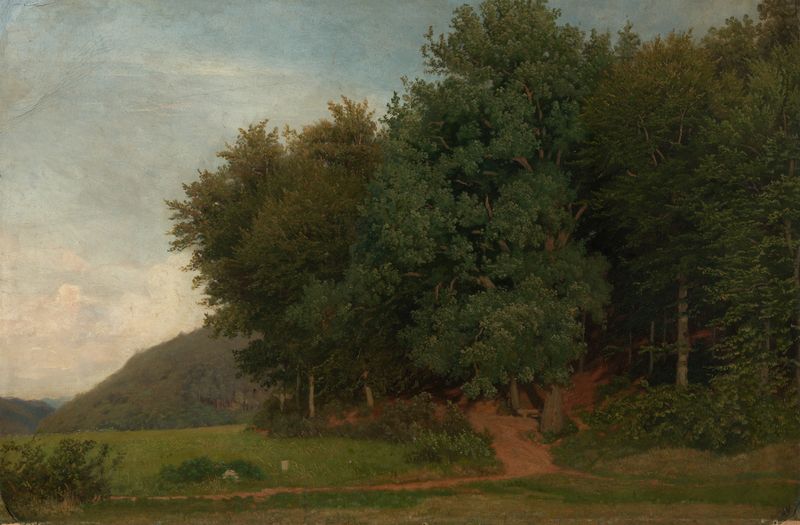
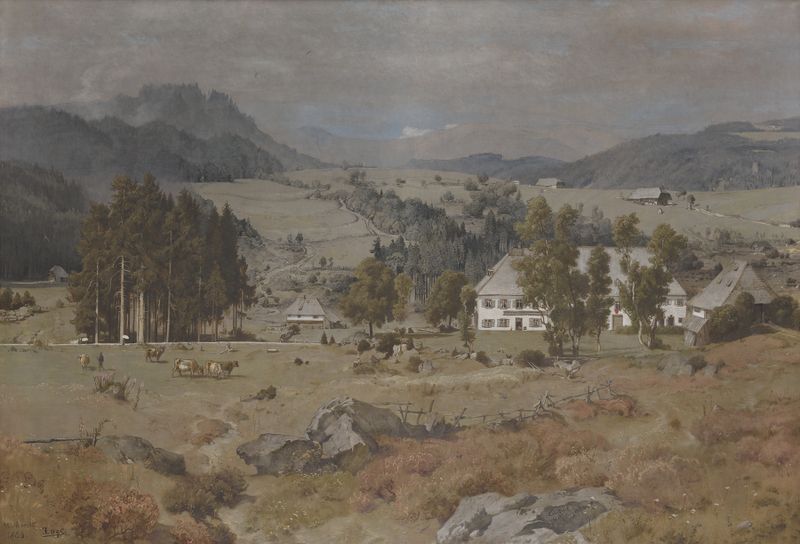
Can paint confess what words never could? In the quiet depths of Dreisamidylle, an exploration of emptiness unfolds with a haunting grace. Look to the left at the solitary figure, poised against an expansive, muted landscape. The subtle interplay of pale blues and soft earth tones envelops the scene, creating a sense of isolation. Notice how the light gently caresses the figure, casting elongated shadows that stretch toward an unseen horizon.
This composition draws your gaze inward, inviting reflection on the profound solitude and yearning depicted. In the delicate brushwork, hidden meanings emerge: the figure’s posture speaks of vulnerability, while the vastness around them amplifies a sense of longing. The sparse detail in the background reinforces the emotional tension, suggesting a world that is both present and disturbingly absent. Each stroke evokes an elusive conversation between the individual and their surroundings, as if to question the essence of existence itself. Emil Lugo created Dreisamidylle in 1884 while residing in a period marked by artistic exploration and a quest for deeper emotional expression.
This was a time when artists began to challenge conventions, seeking to convey not just visual reality but inner truths. Amidst an evolving art landscape, Lugo deftly captured the quiet despair of isolation, foreshadowing themes that would resonate in modern art.