Eichenkronen — History & Facts
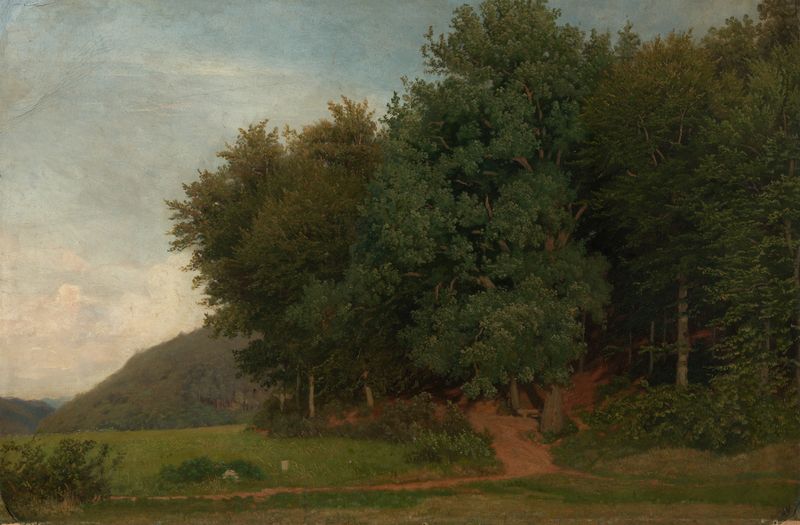
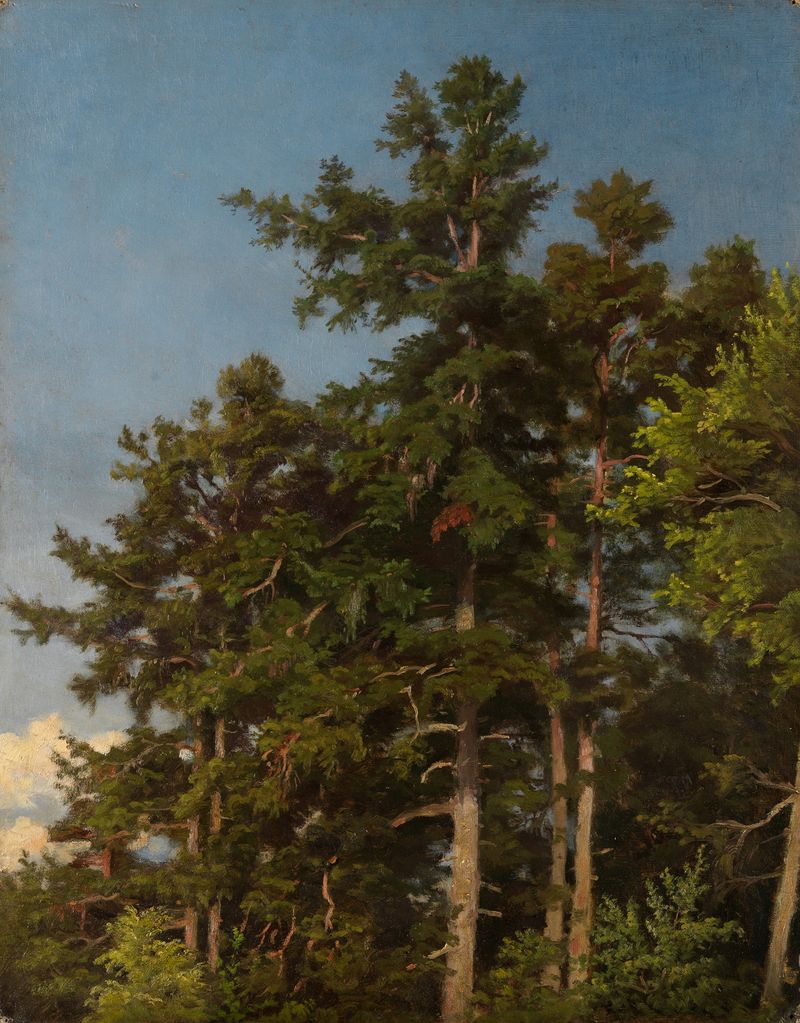
Is this a mirror — or a memory? The essence of reflection intertwines in Eichenkronen, where the viewer is invited to explore the layers of what we see versus what we remember. Look to the center of the canvas, where the rich, swirling greens of towering oak trees create a rhythmic pattern against a soft, ethereal sky. Notice how the light filters through the leaves, casting intricate shadows on the ground below, imbuing the scene with a sense of tranquil mystery. The brushwork speaks of a fluidity that breathes life into every detail, drawing the eye to the interplay between shadow and sunlight. Delve deeper into the layers of this artwork: the trees, with their sturdy trunks, symbolize strength and endurance, while the delicate play of light hints at the fragility of memory.
The lighter hues above contrast sharply with the darker, grounding tones below, suggesting a tension between the fleeting moments of our past and the solidity of our present. This duality evokes an emotional resonance, reminding us of the complexity of recollection and the nature of our inner worlds. Emil Lugo painted Eichenkronen around 1860, during a time when art was shifting toward the exploration of nature and its emotional impacts. Living in the growing art hub of Europe, he was influenced by Romantic ideals, which celebrated the sublime beauty of the natural world.
This period of personal and artistic exploration allowed him to capture the essence of reflection, both in the physical sense of light and shadow and the deeper, more personal implications of memory.