Eichenwipfel — History & Facts
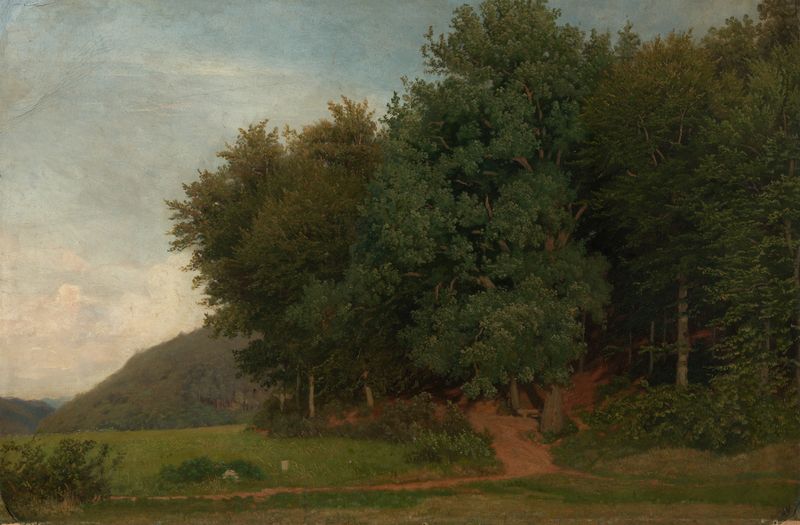
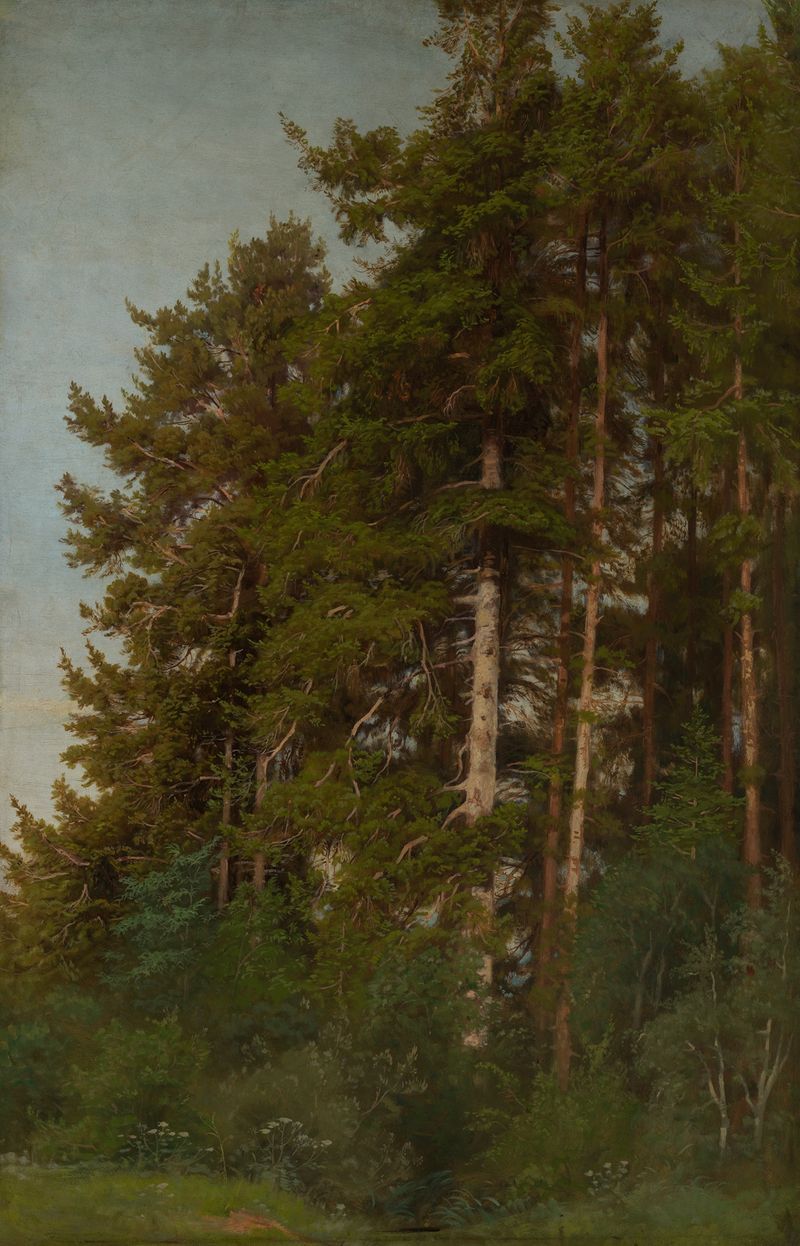
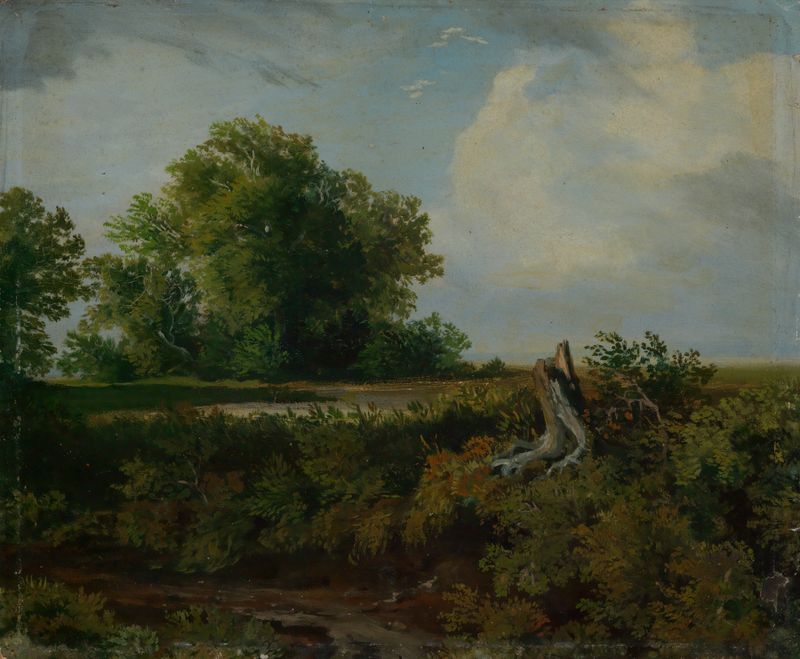
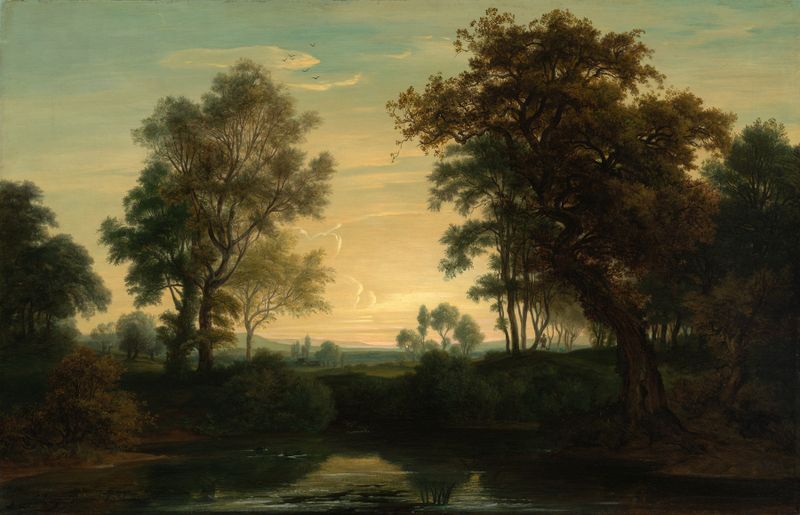
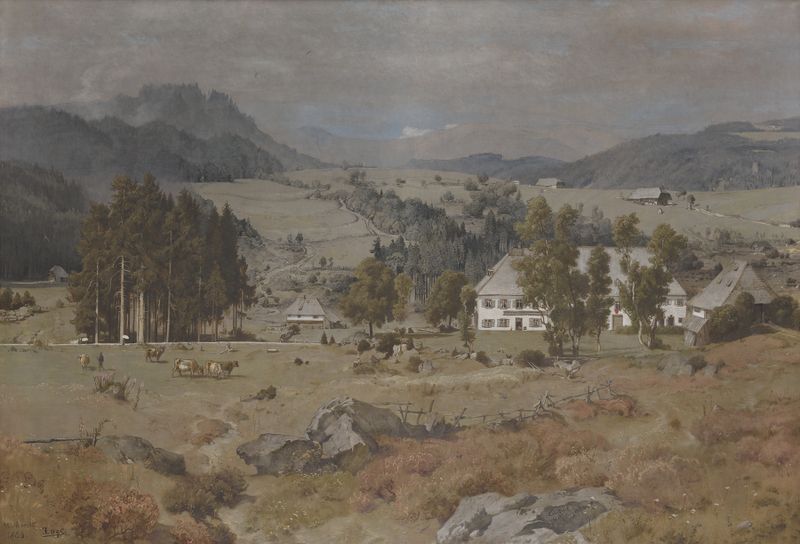
Can beauty exist without sorrow? In Eichenwipfel, the soul awakens to the delicate interplay between light and shadow, revealing the bittersweet essence of nature. Look to the left of the canvas where the sun spills through the leafy canopies, casting dappled reflections upon the forest floor. The vibrant greens and earthy browns create a rich tapestry that beckons the viewer closer, while the soft blending of colors captures the gentle breath of a breeze. The intricate detailing of the oak leaves and their graceful movement conjures a sense of tranquility, inviting contemplation and introspection. Yet beneath this serene surface lies a tension—a reminder of nature's cyclical existence.
The slight decay in some leaves whispers of inevitable change, hinting at the fleeting nature of life and beauty. This juxtaposition of lush vitality with the signs of aging encourages reflection on the transient moments we often take for granted, laying bare the fragile balance between joy and melancholy. In 1860, Emil Lugo painted Eichenwipfel during a time of artistic transition in Europe. Emerging from Romanticism, artists like Lugo sought to capture the authenticity of the natural world, a reflection of their own inner landscapes.
Amidst a backdrop of personal and societal upheaval, this piece serves as both a celebration and an elegy, embodying the artist's struggle to find harmony in a world teetering on the brink of change.