Drie honden — History & Analysis
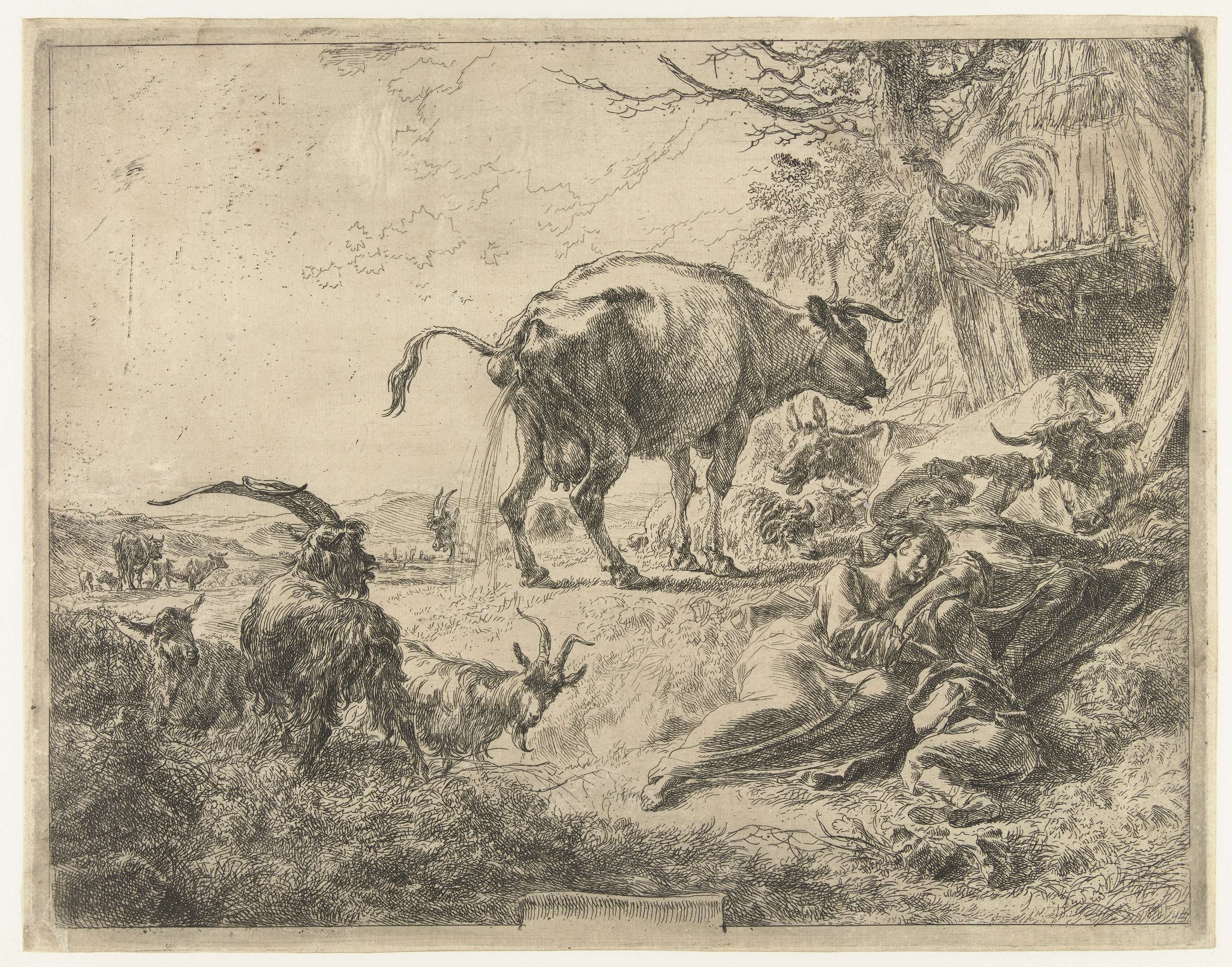
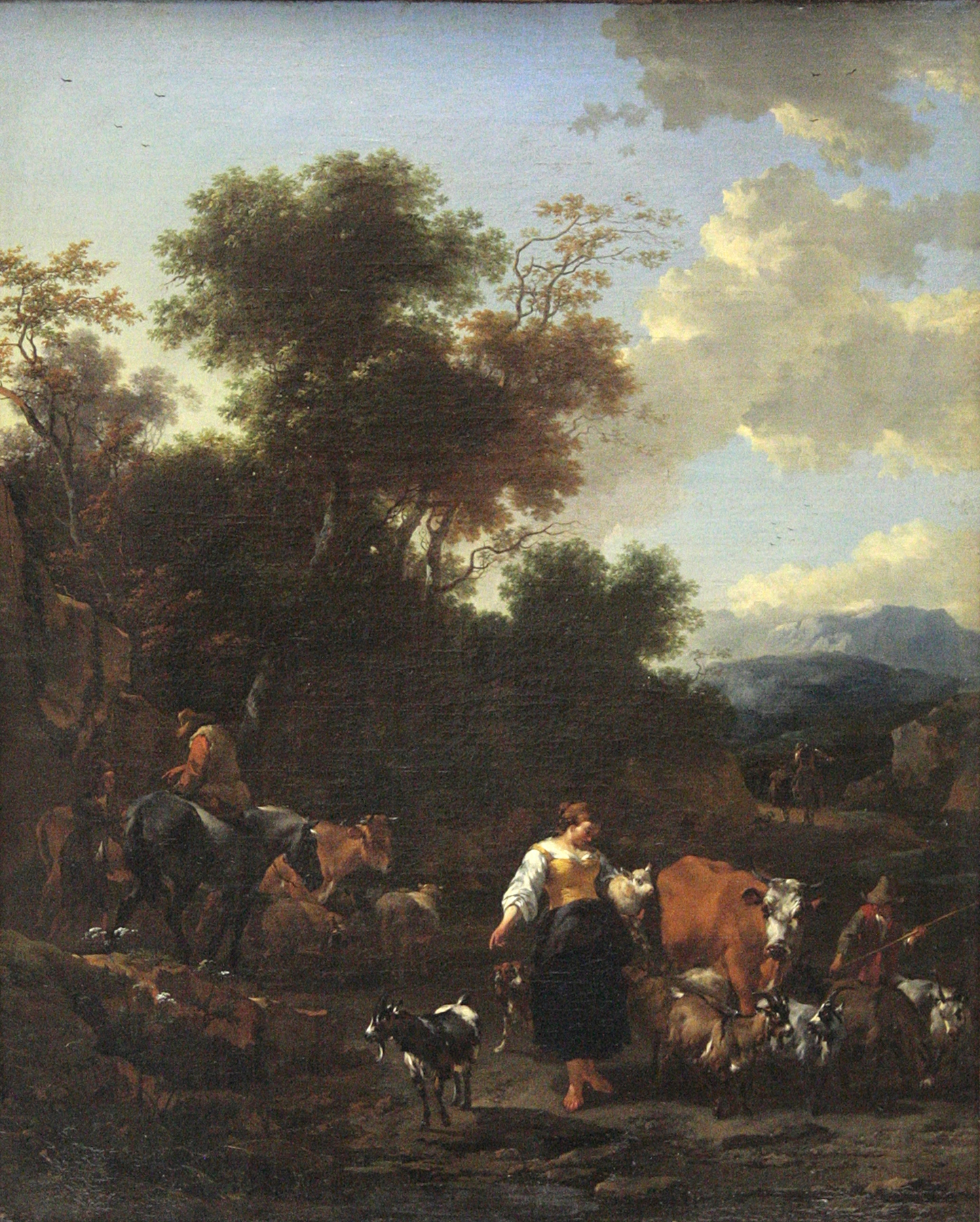
Could a single brushstroke hold eternity? In the elegant simplicity of Drie honden, we witness the fleeting essence of memory woven into the fabric of everyday life. Look to the center where the three dogs, poised in canine camaraderie, invite your gaze. Their fur, rendered in rich, warm tones, catches the soft, diffused light that envelops the scene.
Notice how the artist's deft brushwork creates a sense of movement, infusing life into their stance while the background remains a gentle whisper of landscape. The earthy colors harmonize with the dogs’ playful energy, establishing a serene yet vibrant atmosphere that beckons the viewer to linger. Delve deeper into the composition, where the dogs’ expressions reveal a spectrum of emotion—curiosity, loyalty, and perhaps a hint of mischief. The subtle play of light and shadow across their bodies evokes a sense of nostalgia, as if capturing a moment that transcends time.
This interplay of warmth and shadow speaks to the transitory nature of life, inviting reflections on the bonds we share and the memories that linger long after moments have passed. During the years between 1648 and 1652, Nicolaes Pietersz Berchem was immersing himself in the pastoral landscapes of the Dutch Golden Age. Emerging as a prominent figure within the genre of animal painting, he explored the interplay between nature and society. While the world around him was rapidly changing with burgeoning trade and cultural expansion, his works offered a gentle reminder of the profound connections found in the simplicity of daily existence.