Drie jongetjes, twee saters, een bacchant en een geit — History & Facts
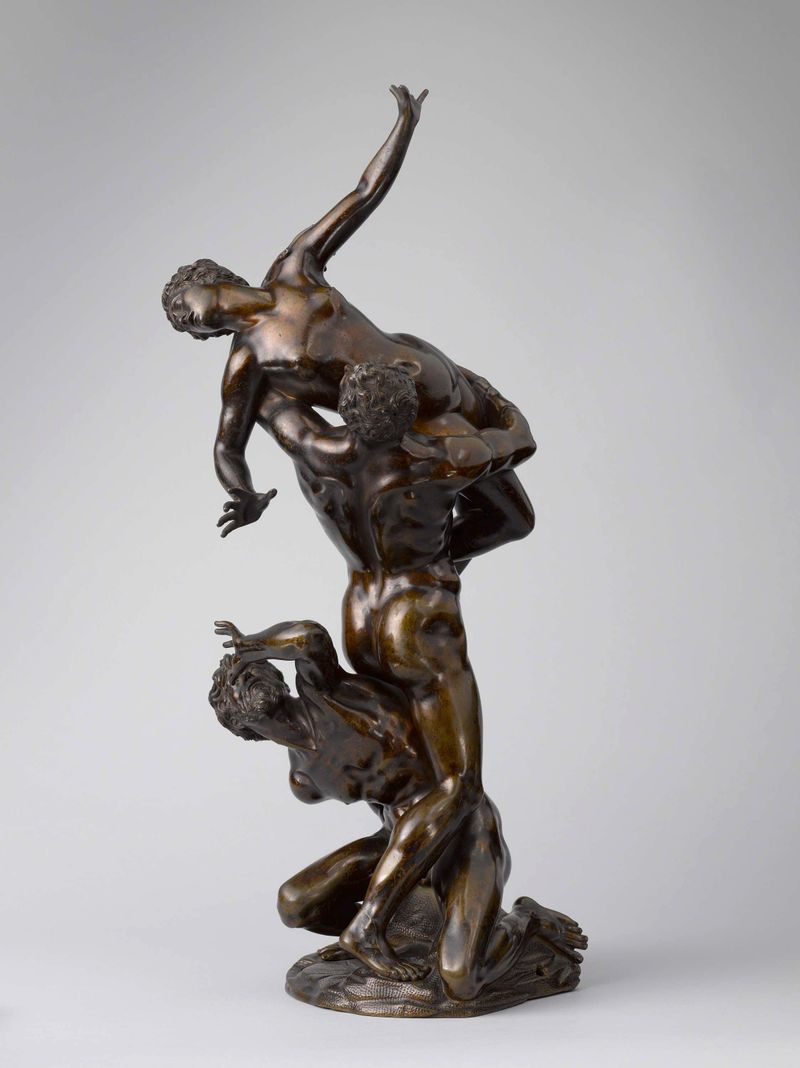
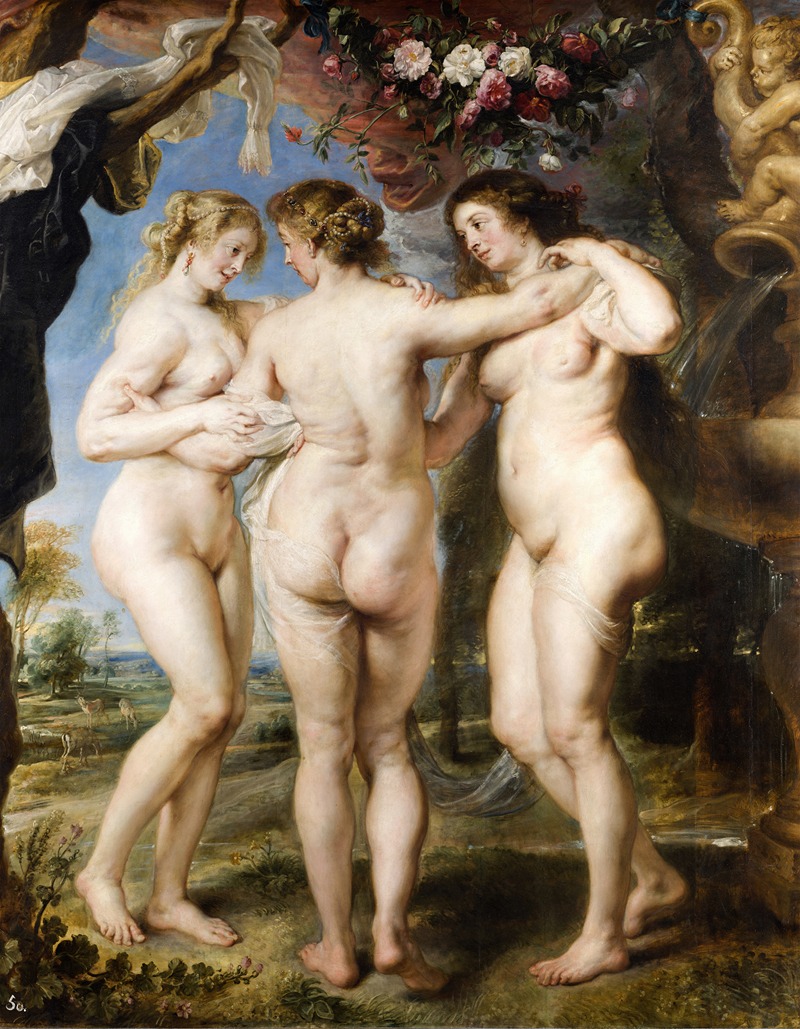
In the hush of this intricate scene, the interplay of boyhood, nature, and myth beckons viewers into a world where innocence meets the untamed wilderness. It poses a question of what lies beneath the surface, inviting us to peer deeper into the void that connects humanity to the divine. Focus on the left side, where the three boys are engaged in a playful dance, their carefree gestures a stark contrast to the solemn figures of the satyrs behind them. Notice how their youthful energy is captured with swift, delicate lines, while the satyrs, rendered with more robust strokes, embody a sense of wildness and freedom.
The composition is built around a triangular formation, guiding the eye across the canvas, while the earthy palette of greens and browns evokes a forest setting, grounding the playful scene in nature’s embrace. The boys’ expressions range from joy to curiosity, embodying the innocence of youth. In contrast, the satyrs’ leering grins hint at mischief and indulgence, suggesting a duality of existence—one that oscillates between innocence and temptation. The goat, a creature often associated with debauchery, serves as a reminder of the primal instincts lurking beneath the boys' playful facade, embodying the tension between the sacred and the profane. Wenceslaus Hollar created this work between 1644 and 1652, during a time in Europe marked by both the Thirty Years' War and the flourishing of Baroque art.
Living in a tumultuous period, Hollar's art reflected a fascination with mythological themes and the natural world, influenced by his experiences across various European courts. This piece not only showcases his technical skill but also illustrates the cultural complexities of his time.
More Artworks by Wenceslaus Hollar
Browse all →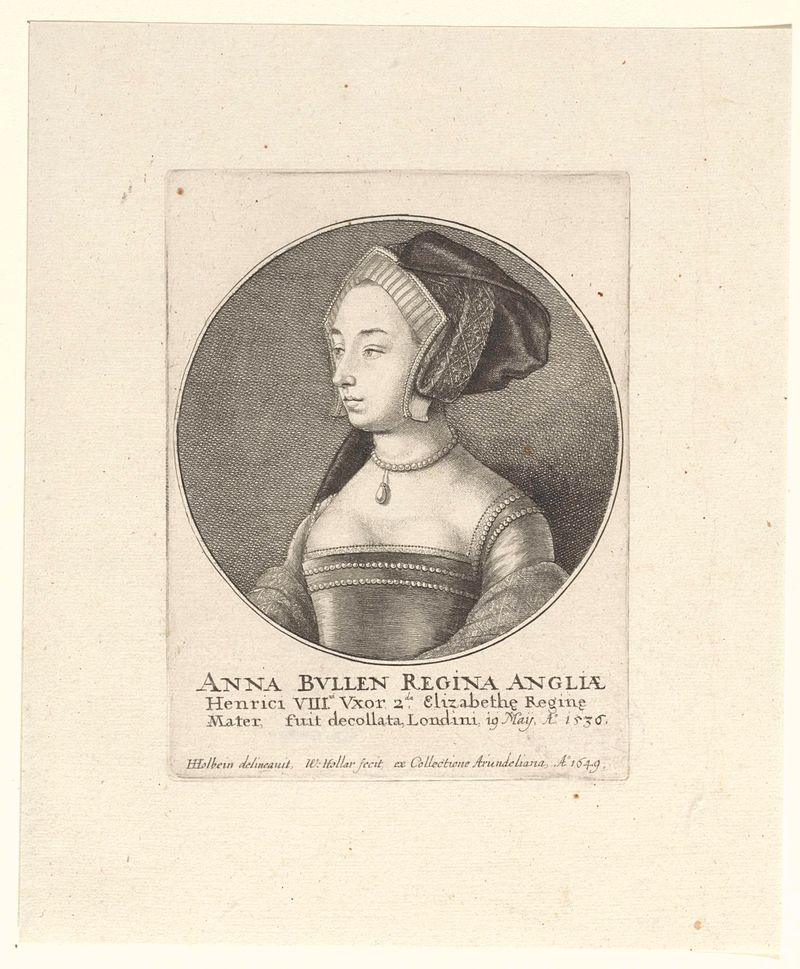
Portret van Anna Boleyn, koningin van Engeland
Wenceslaus Hollar
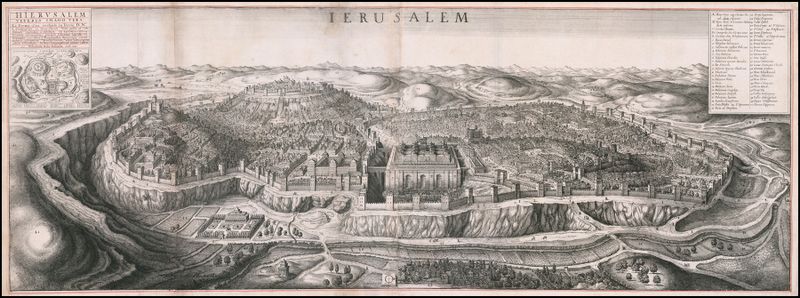
Bird’s eye view of Jerusalem
Wenceslaus Hollar
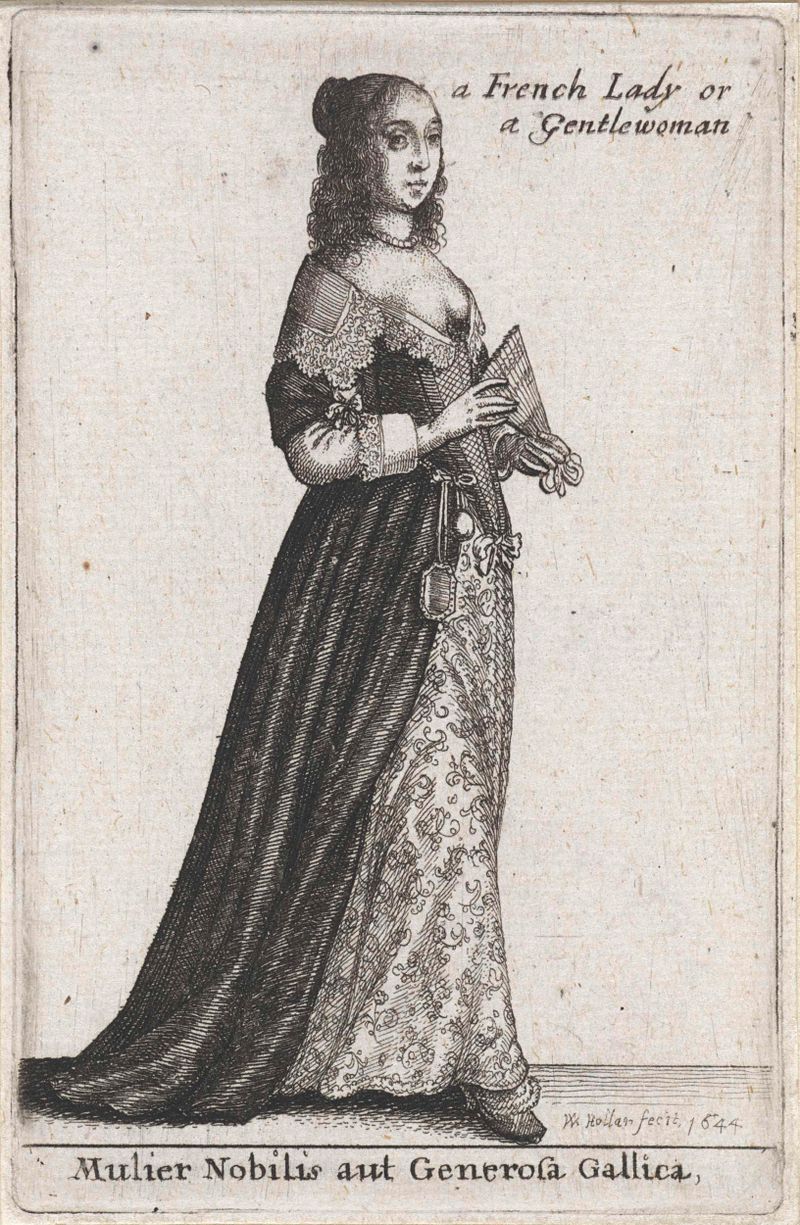
Mulier Nobilis aut Generosa Gallica / a French Lady or Gentlewoman
Wenceslaus Hollar
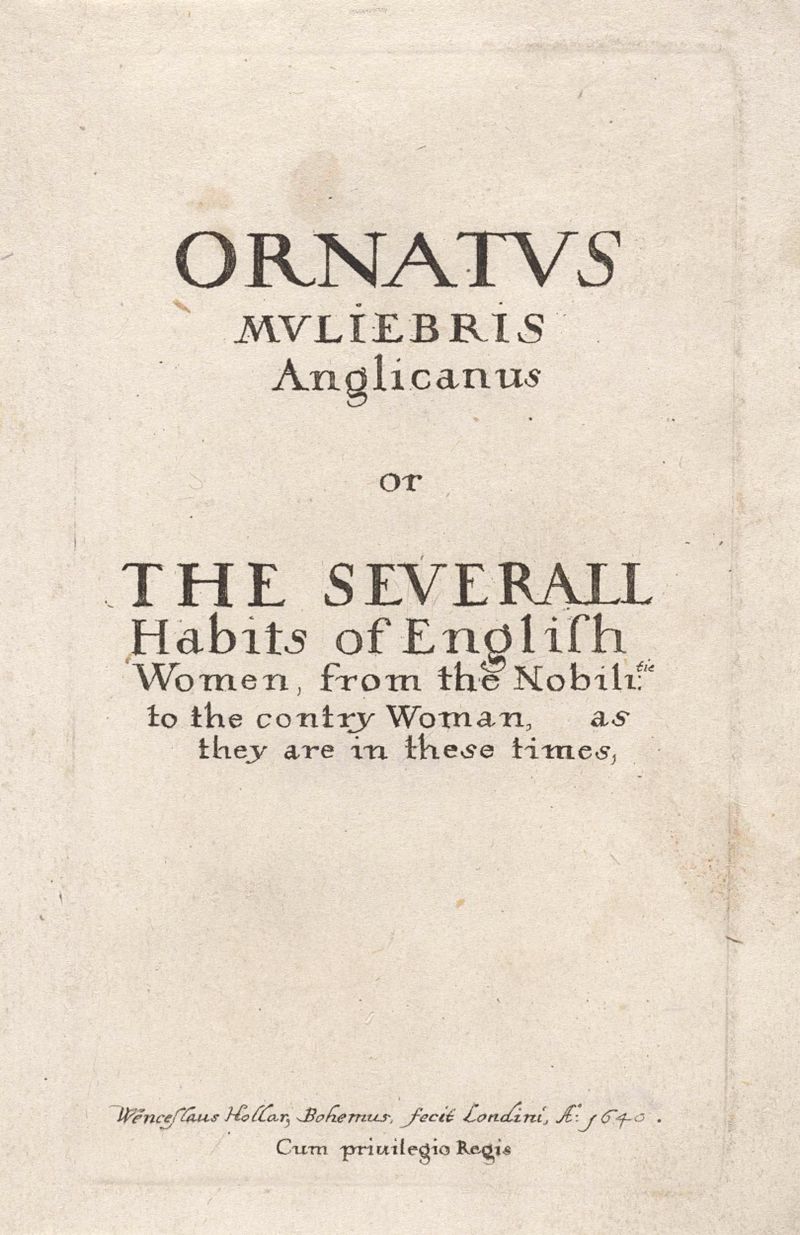
Titelprent voor: Ornatus Muliebris Anglicanus
Wenceslaus Hollar
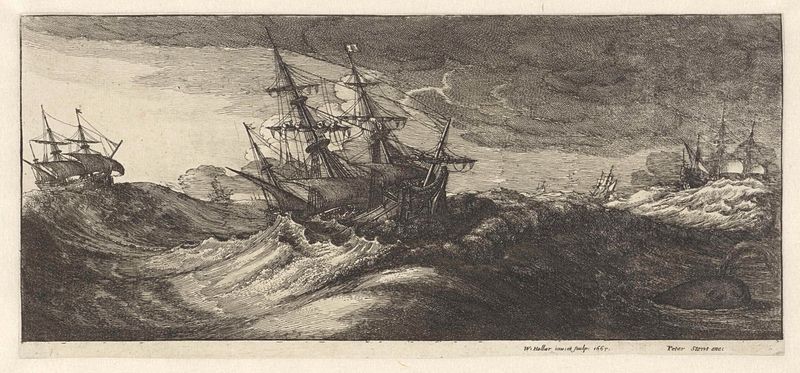
Oorlogsschepen en een walvis in een zeestorm
Wenceslaus Hollar
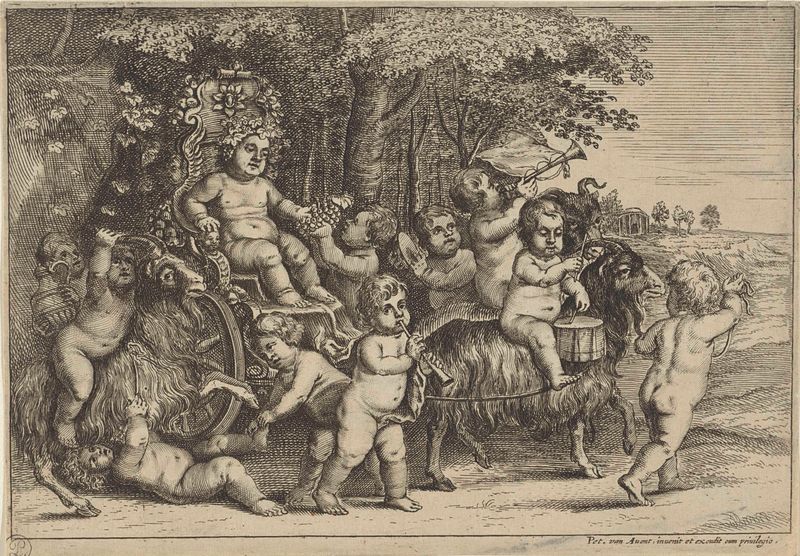
Optocht van bacchant en jongetjes op geiten
Wenceslaus Hollar
Twee libellen en vijf vlinders
Wenceslaus Hollar
Portret van Albrecht Dürer
Wenceslaus Hollar
Ornamenteel ontwerp voor een dolk
Wenceslaus Hollar
Gezicht op Praag vanaf de Moldau
Wenceslaus Hollar