
Drie kinderen met een staf en pijl en boog — History & Facts
Can beauty exist without sorrow? In Drie kinderen met een staf en pijl en boog, Hans Holbein II captures this poignant interplay, intertwining innocence with a profound sense of emptiness. Look to the center of the painting, where three children stand, poised yet seemingly detached from their surroundings. Their faces reveal a mix of curiosity and introspection, accentuated by the soft, diffused light that bathes them in a gentle glow. Notice how the staff and bow, tools of potential conflict, rest in their hands, hinting at the duality of childhood—innocent play and the looming shadows of adulthood.
The muted palette enhances the ethereal quality, drawing the viewer's eye across their delicate features. Delve deeper into the contrasts presented in this piece. The children's attire, rich in detail yet understated in color, speaks to a world of privilege, yet their somber expressions suggest a disconnect from the joy that should accompany youth. The emptiness in their gazes evokes a sense of longing or perhaps an awareness of the burdens they will one day face.
Holbein's meticulous attention to detail emphasizes this tension—each stitch in their garments, every subtle shadow plays a role in revealing the complexity of their emotions. In 1547, Holbein was in England, painting for a court that was shifting under the weight of political and religious upheaval. His mastery of portraiture was unparalleled, yet he faced the challenge of capturing not just likeness but soul. Amidst the splendor of Tudor England, he sought to explore the deeper, often unspoken truths of human experience, weaving beauty with an ever-present undercurrent of sorrow.
More Artworks by Hans Holbein (II)
Browse all →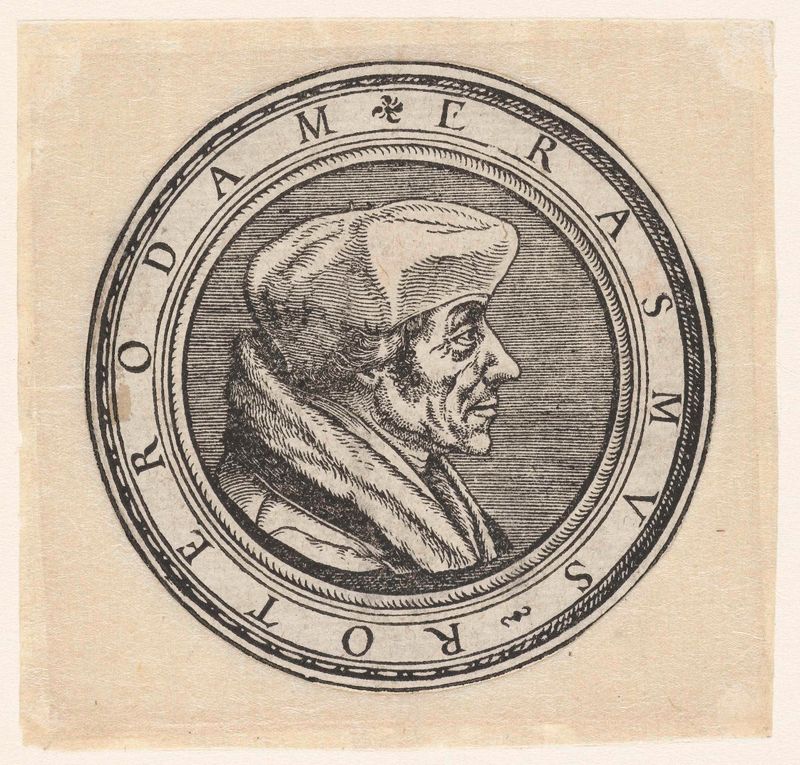
Portret van Erasmus
Hans Holbein (II)
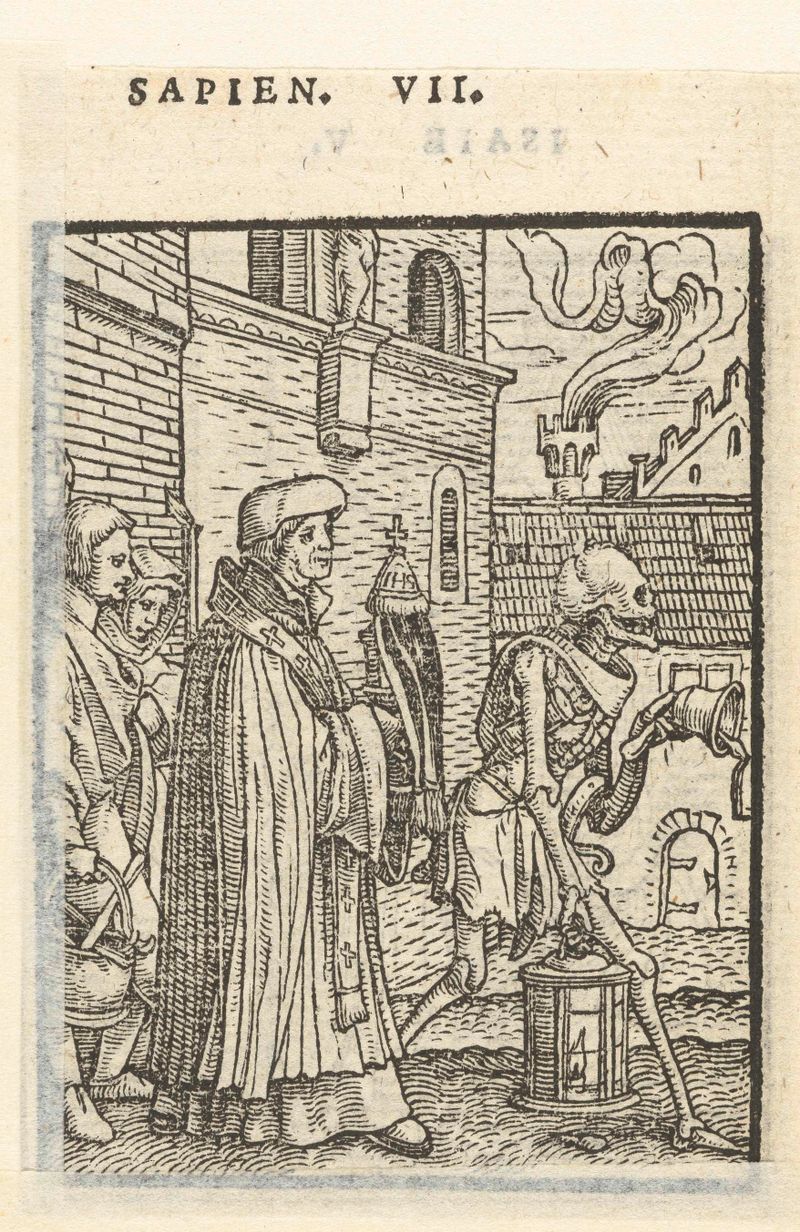
Priester en de Dood
Hans Holbein (II)
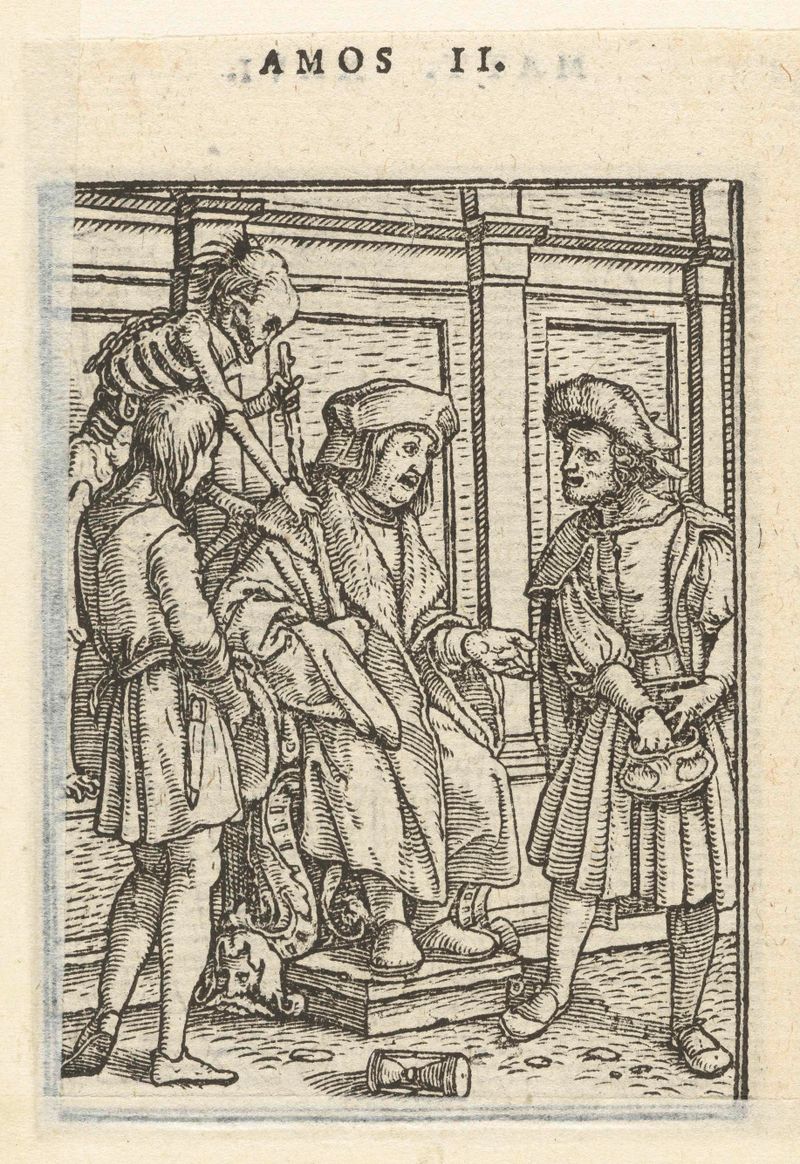
Rechter en de Dood
Hans Holbein (II)
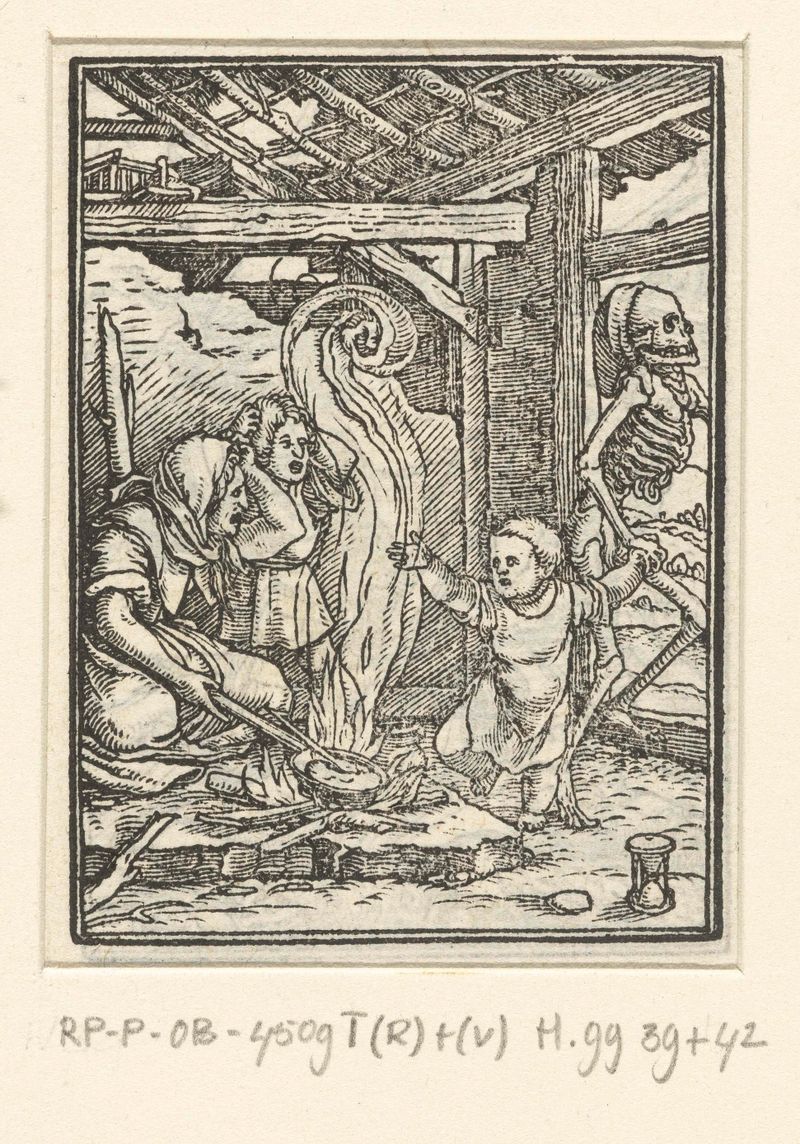
Kind en de Dood
Hans Holbein (II)
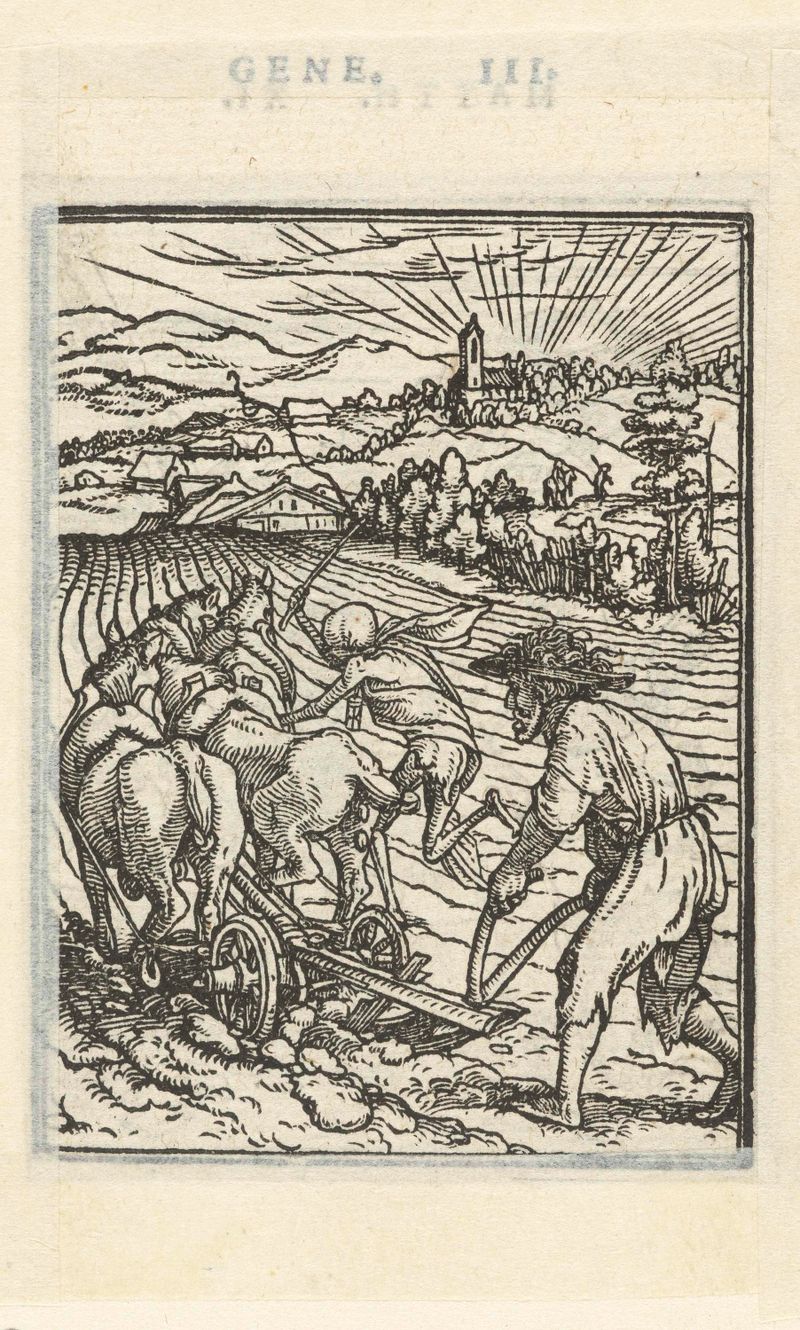
Boer en de Dood
Hans Holbein (II)
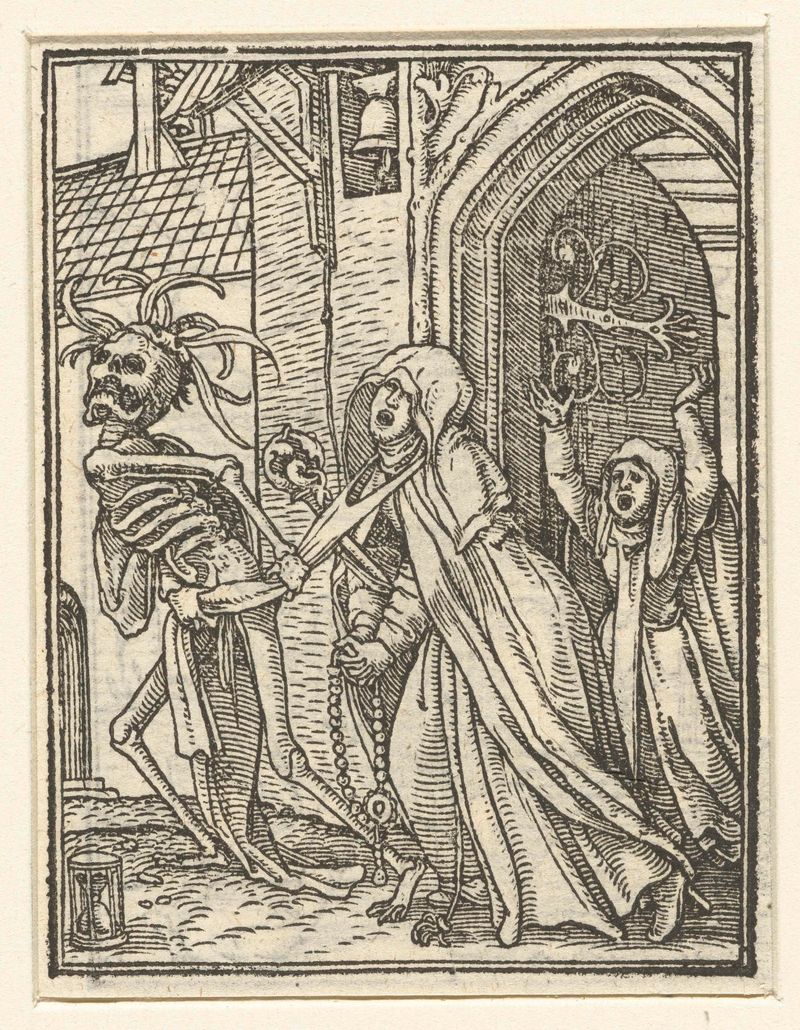
Abdis en de Dood
Hans Holbein (II)
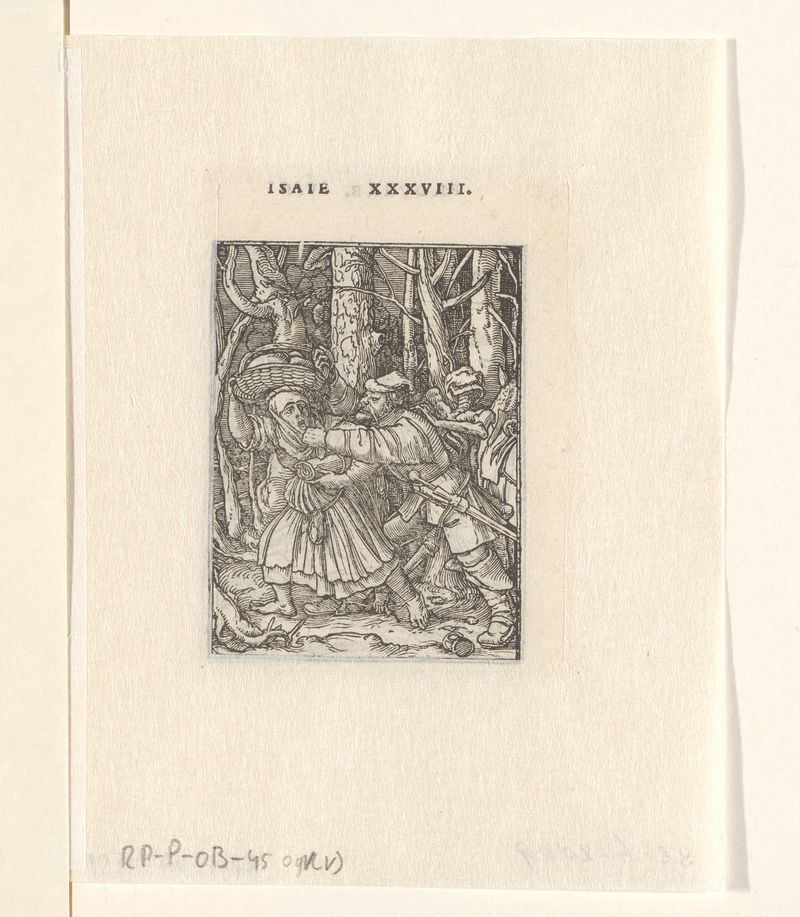
Dief en de Dood
Hans Holbein (II)
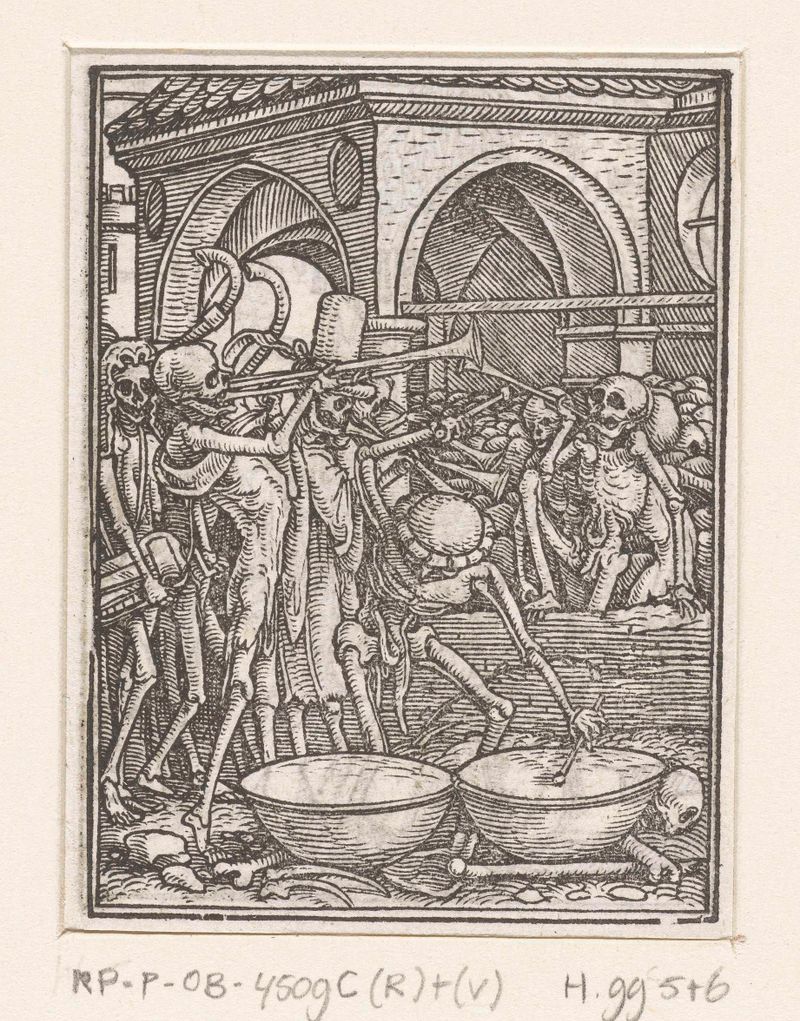
Skeletons Making Music from Dance of the Dead
Hans Holbein (II)
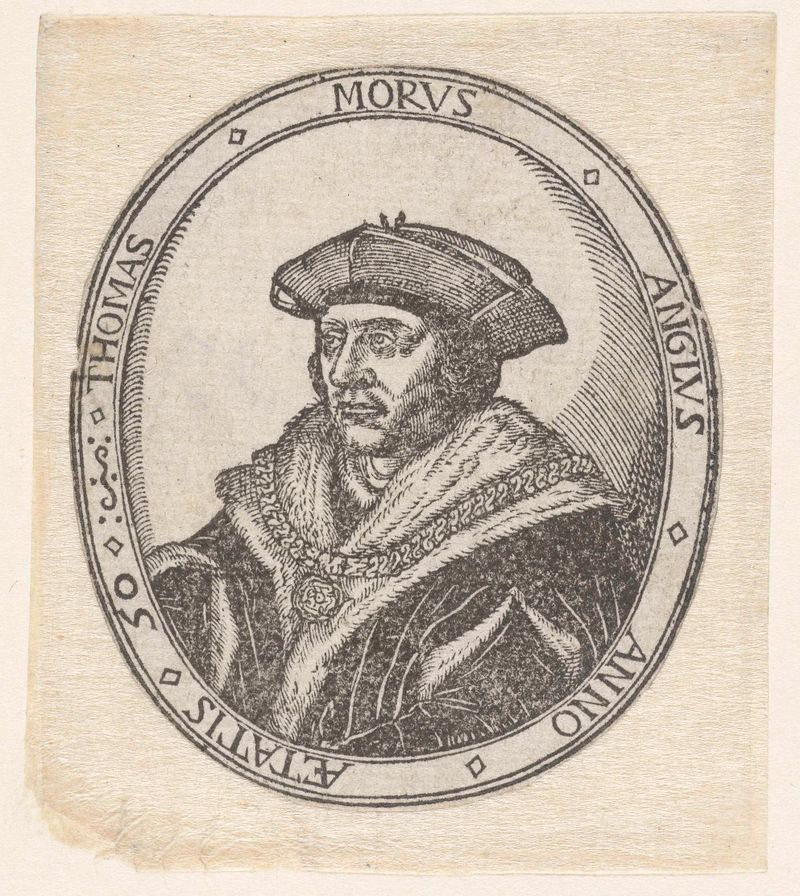
Portret van Thomas More
Hans Holbein (II)
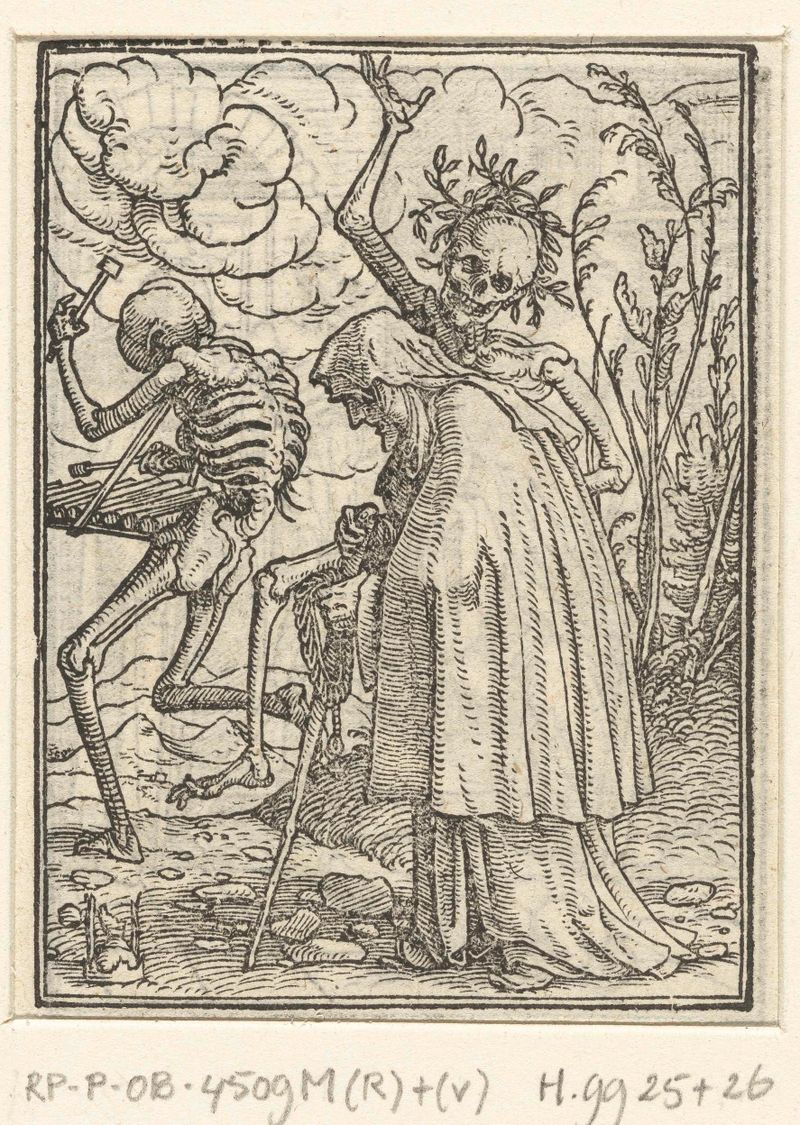
Oude vrouw en de Dood
Hans Holbein (II)





