
Drie kinderen met trofee — History & Facts
Did the painter know this moment would outlive them? In Drie kinderen met trofee, Hans Holbein (II) captures not just a fleeting instant but an immortal testament to childhood’s divine essence and triumphs. Look at the three children at the center, their beaming faces and vibrant attire drawing the eye first. Notice how Holbein’s meticulous attention to detail brings their textures to life; the rich reds and deep blues of their clothing contrast beautifully with the golden trophy they proudly display. The light cascades from the upper left, illuminating their expressions, which range from joy to pride.
Surrounding them, subtle shadows evoke a sense of depth, grounding the moment while allowing the figures to shine. Delve deeper into the composition, and you will see more than mere celebration. The trophy symbolizes achievement, but the children’s varying gazes hint at differing emotions—one child looks ahead, eager for future victories; another glances back, perhaps reflecting on past efforts. This interplay of innocence and ambition creates a poignant tension, raising questions about the weight of expectation and the fleeting nature of such joy.
Together, they embody the divine potential of youth, caught in a moment that feels both sacred and transient. In 1547, Holbein was working in England, following a period of political upheaval and courtly intrigue. His paintings from this time reflect a deep understanding of human nature and the complexities of life. The Renaissance was in full bloom, and Holbein's ability to merge vivid realism with allegorical meaning made his work resonate deeply with contemporary audiences, ensuring that these children—and their triumph—would echo through the centuries.
More Artworks by Hans Holbein (II)
Browse all →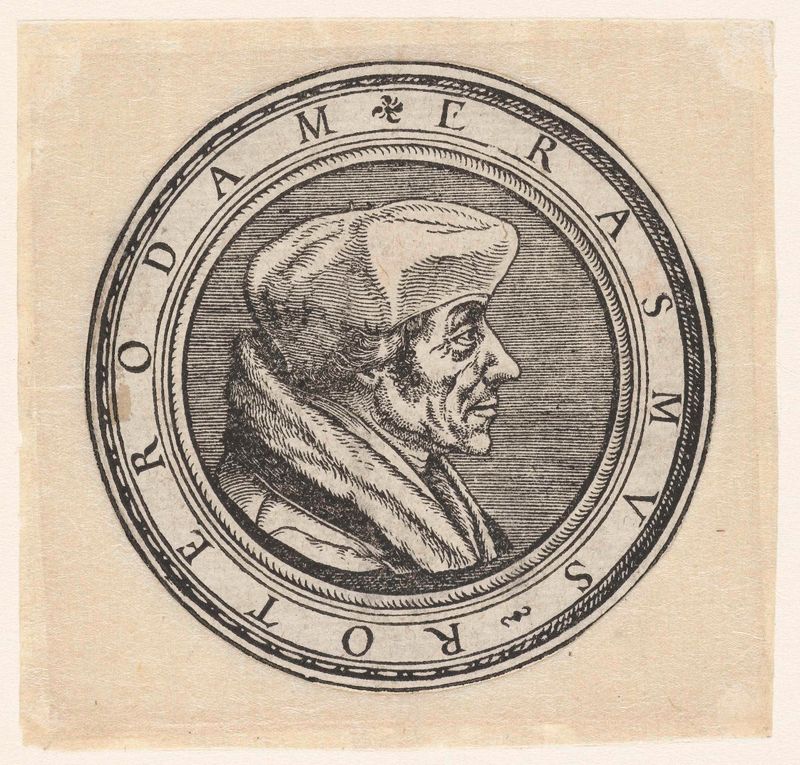
Portret van Erasmus
Hans Holbein (II)
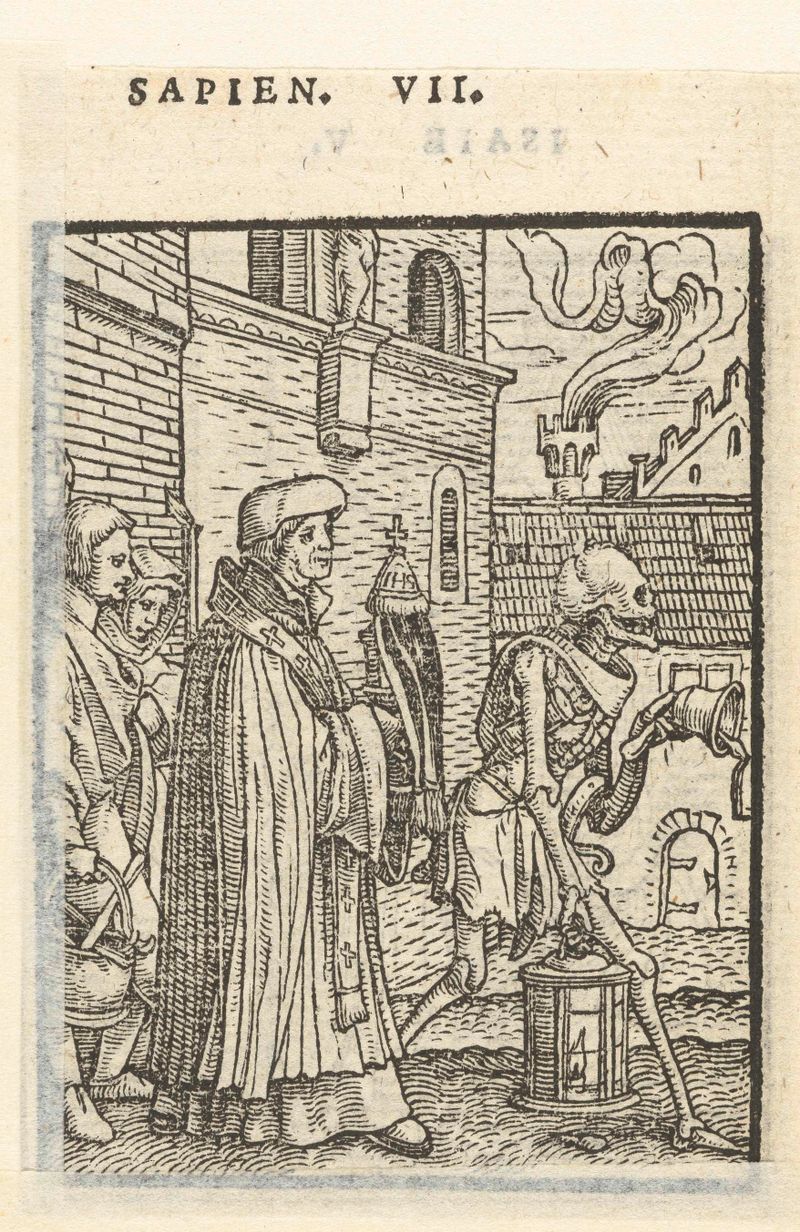
Priester en de Dood
Hans Holbein (II)
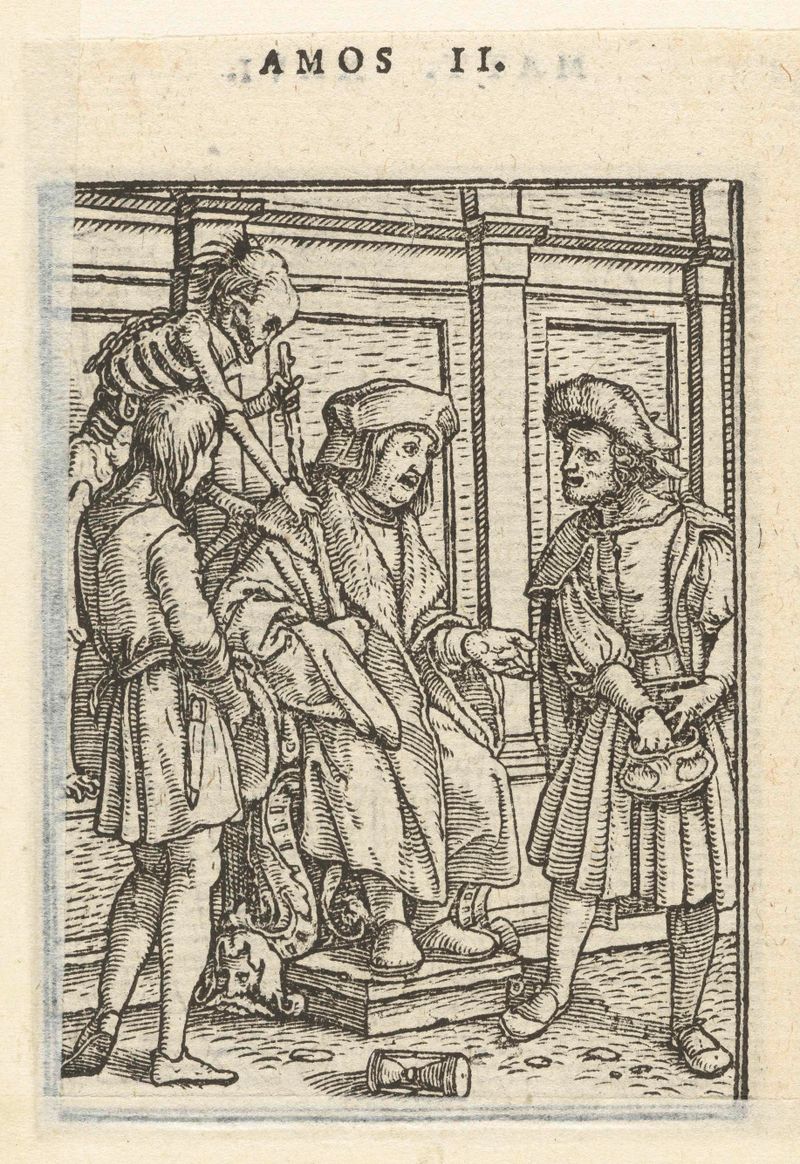
Rechter en de Dood
Hans Holbein (II)
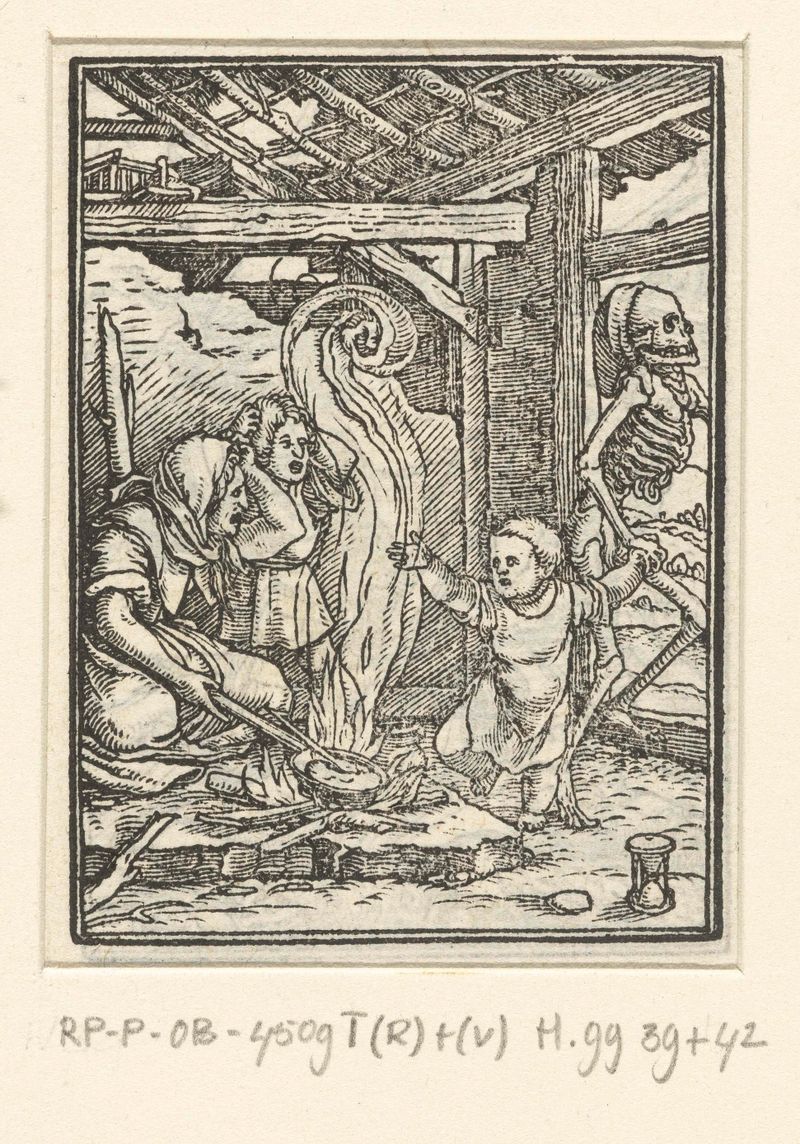
Kind en de Dood
Hans Holbein (II)
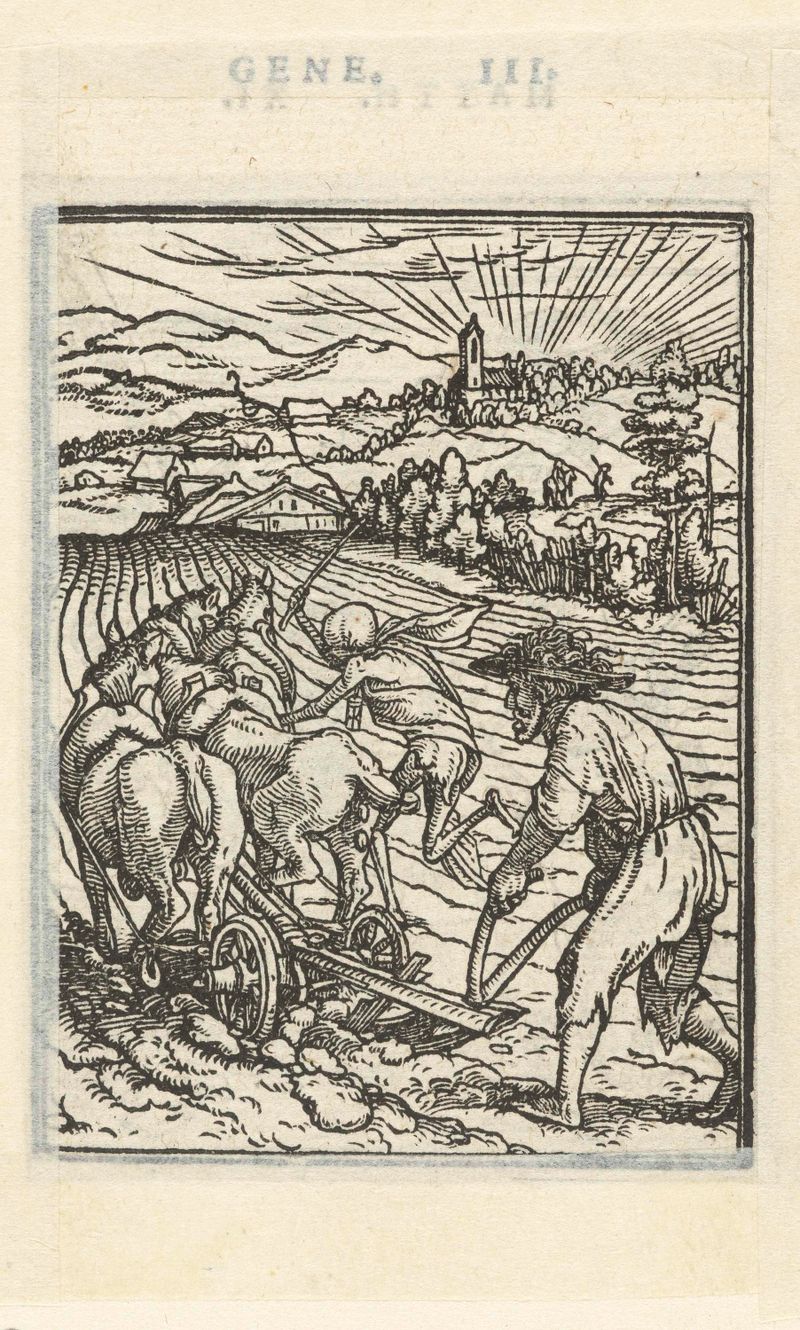
Boer en de Dood
Hans Holbein (II)
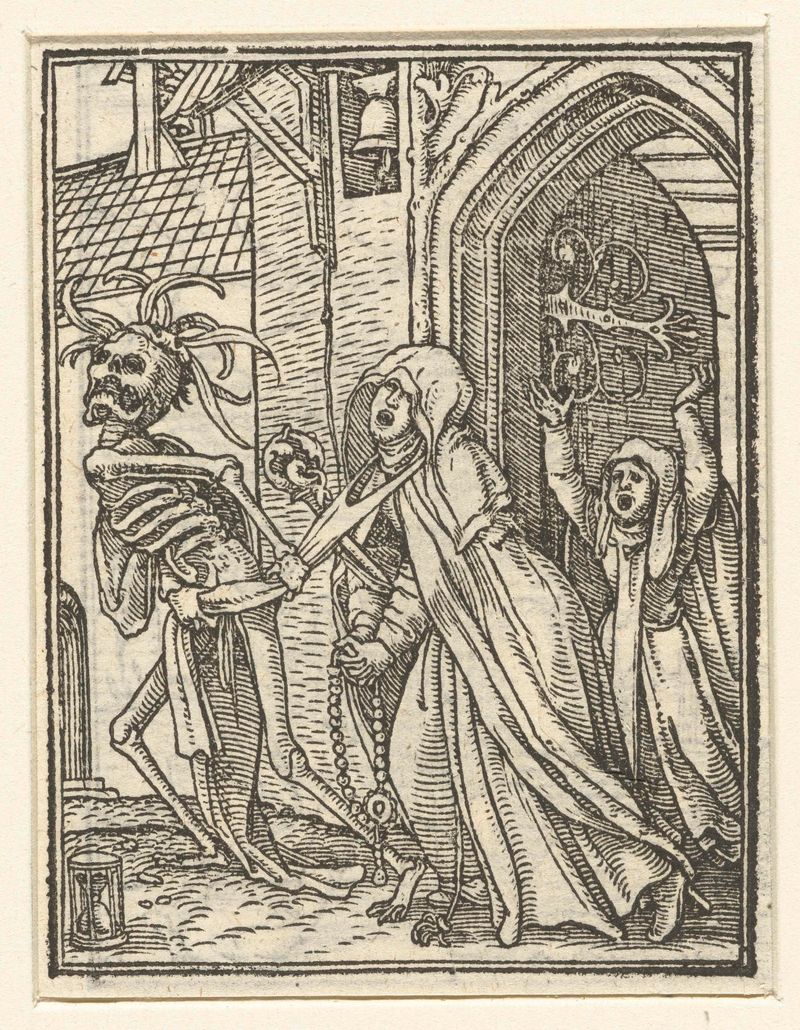
Abdis en de Dood
Hans Holbein (II)
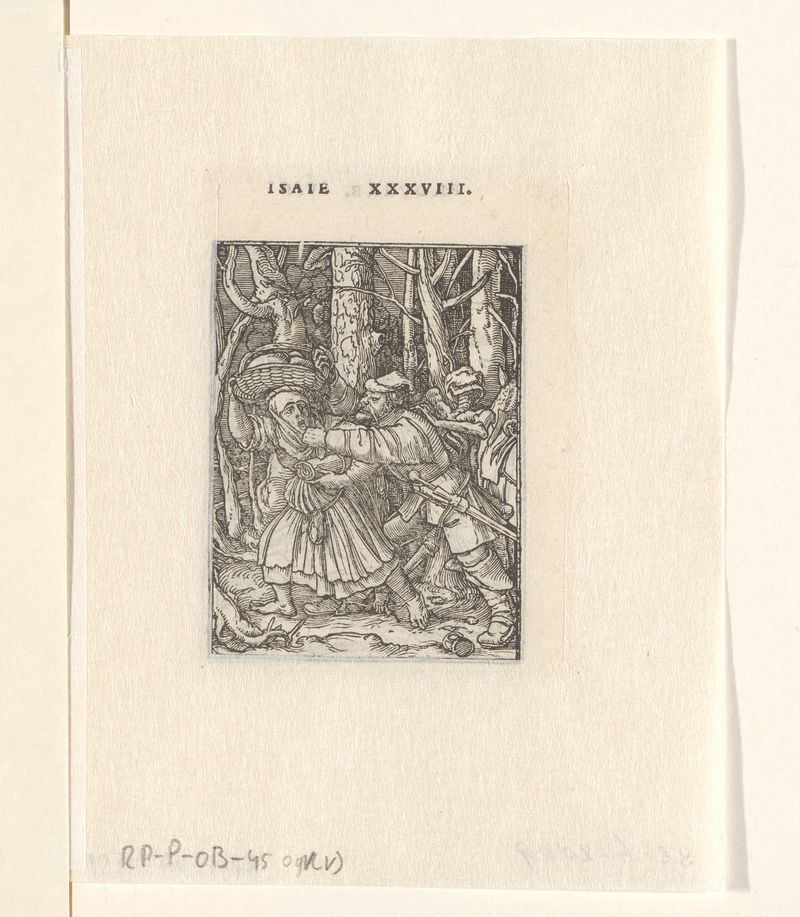
Dief en de Dood
Hans Holbein (II)
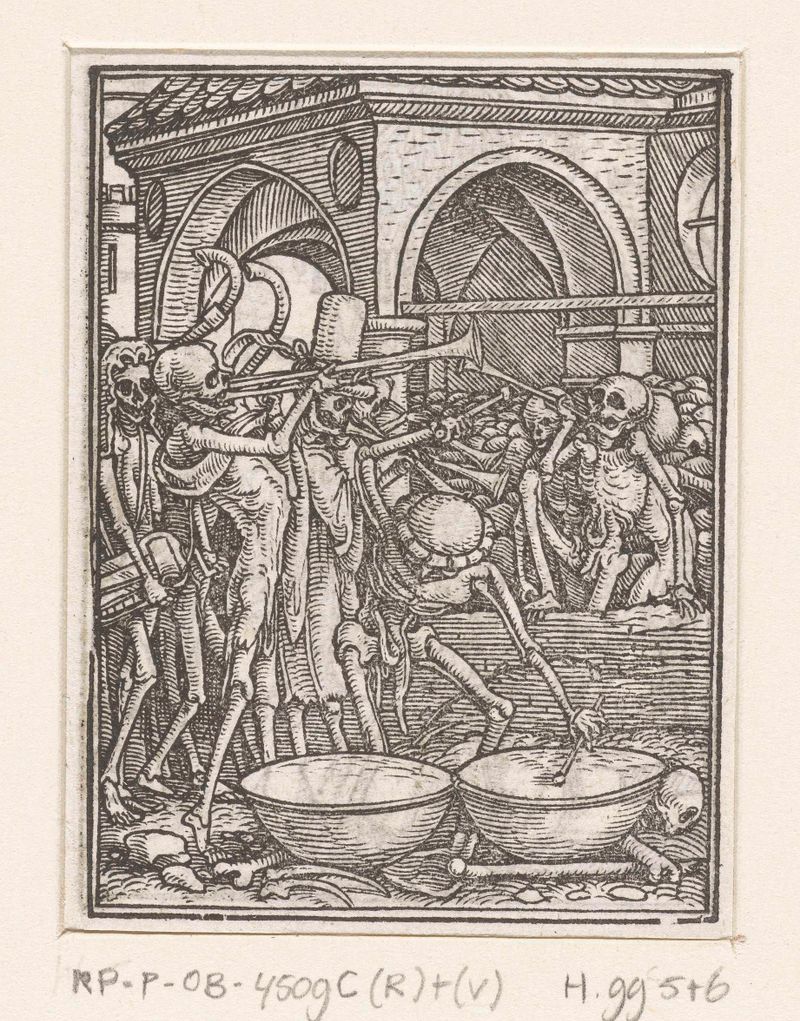
Skeletons Making Music from Dance of the Dead
Hans Holbein (II)
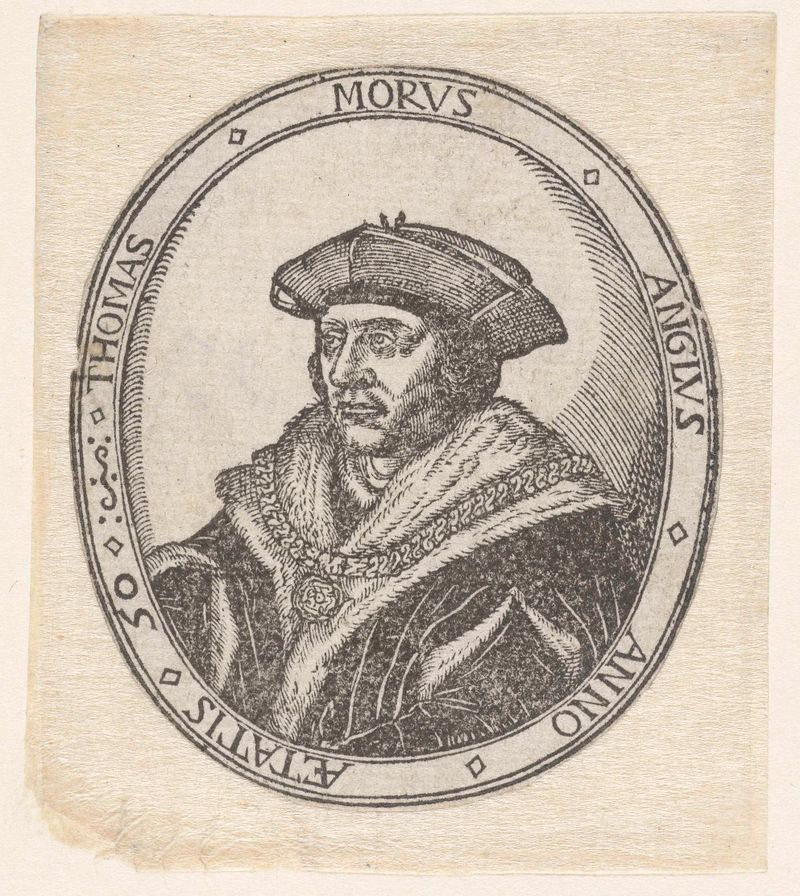
Portret van Thomas More
Hans Holbein (II)
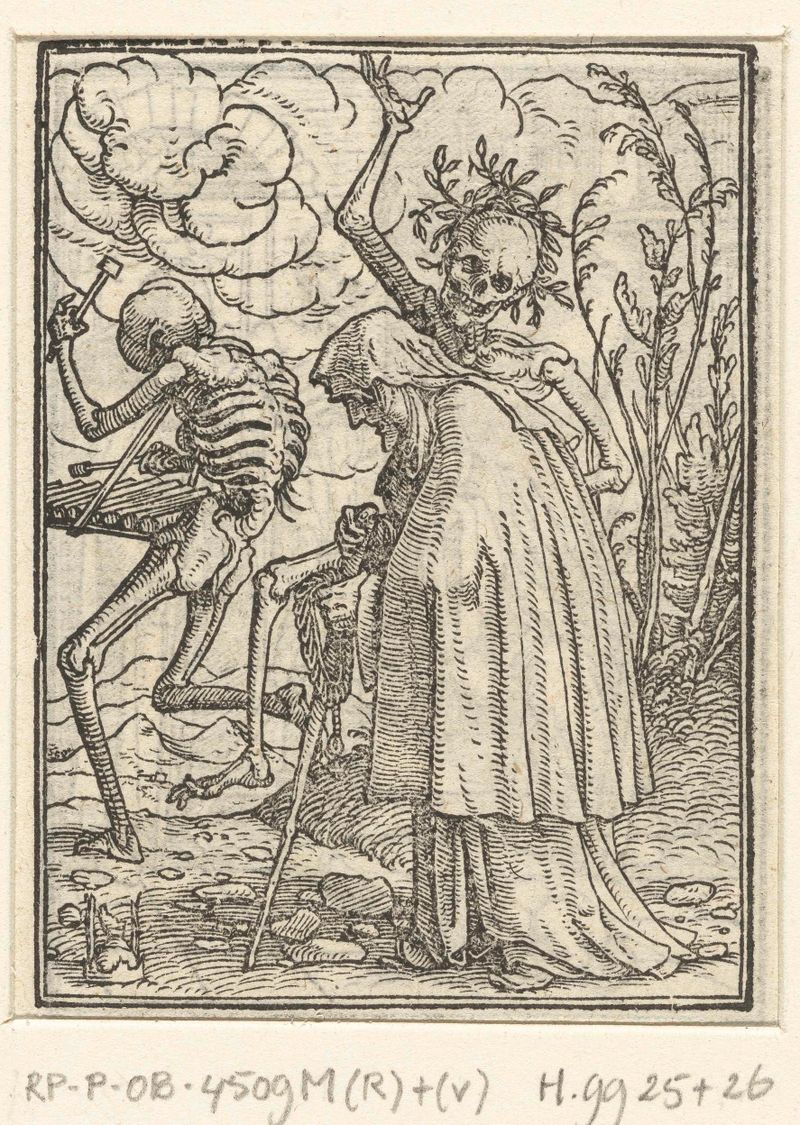
Oude vrouw en de Dood
Hans Holbein (II)





