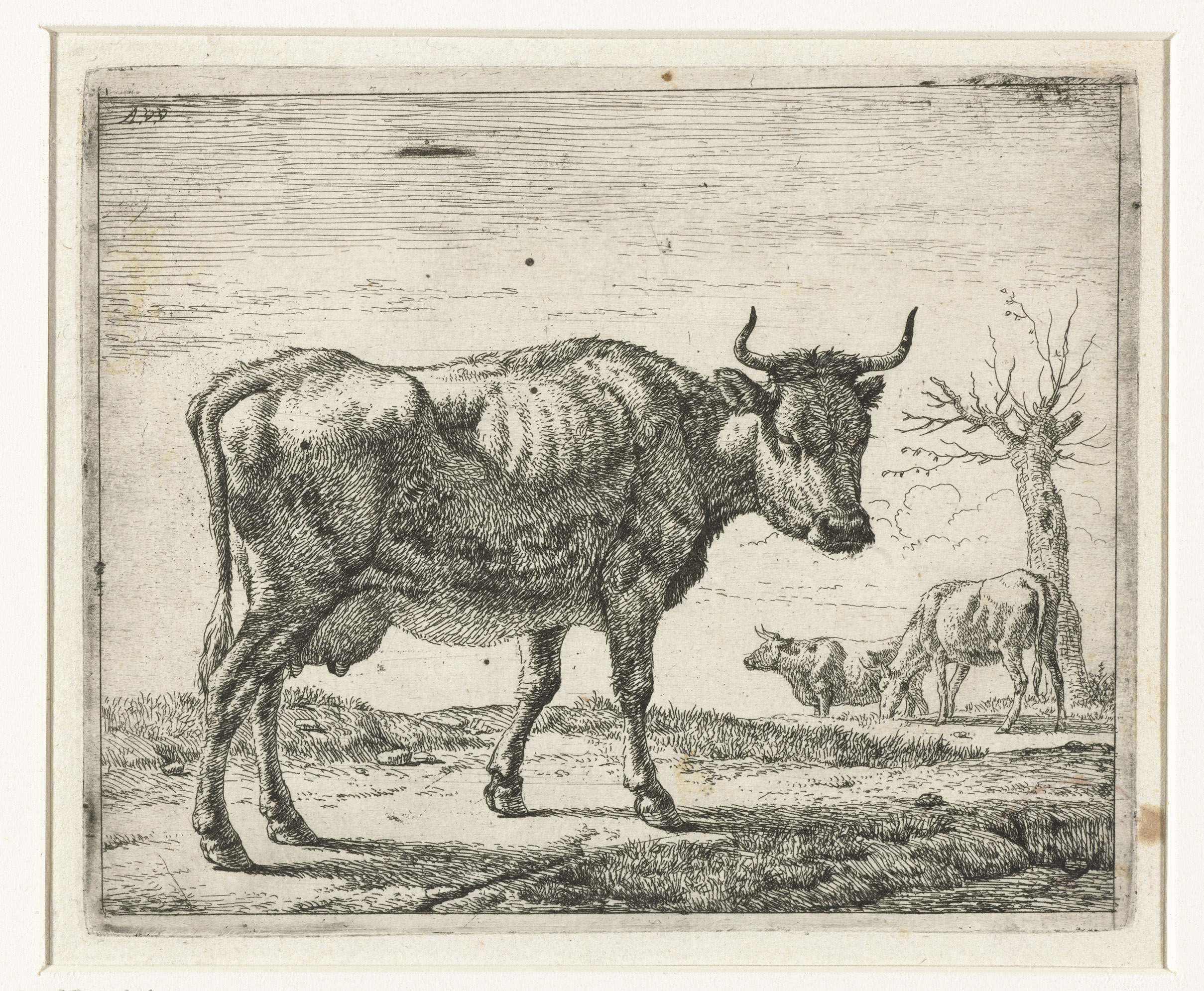
Drie koeien — History & Analysis
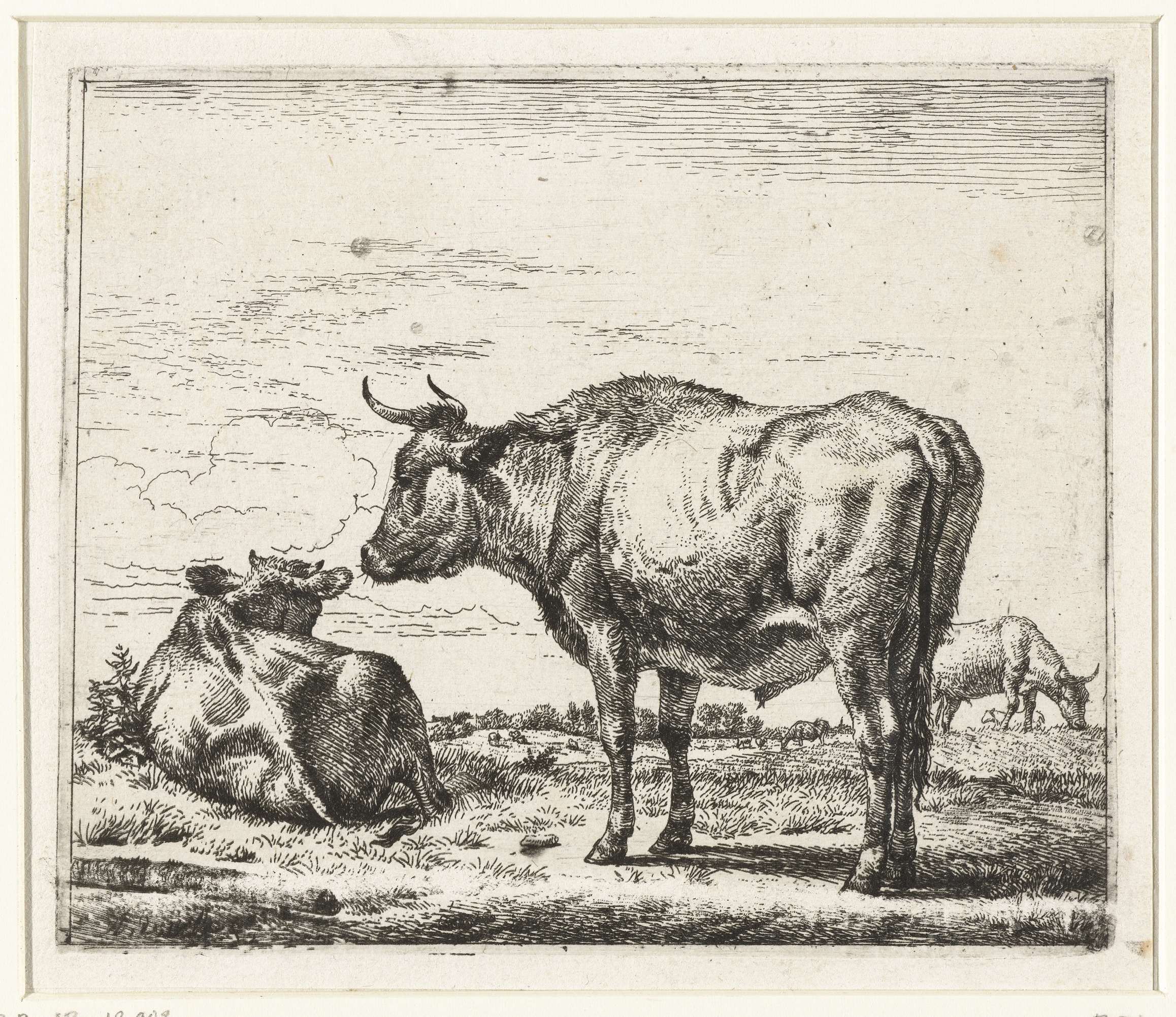
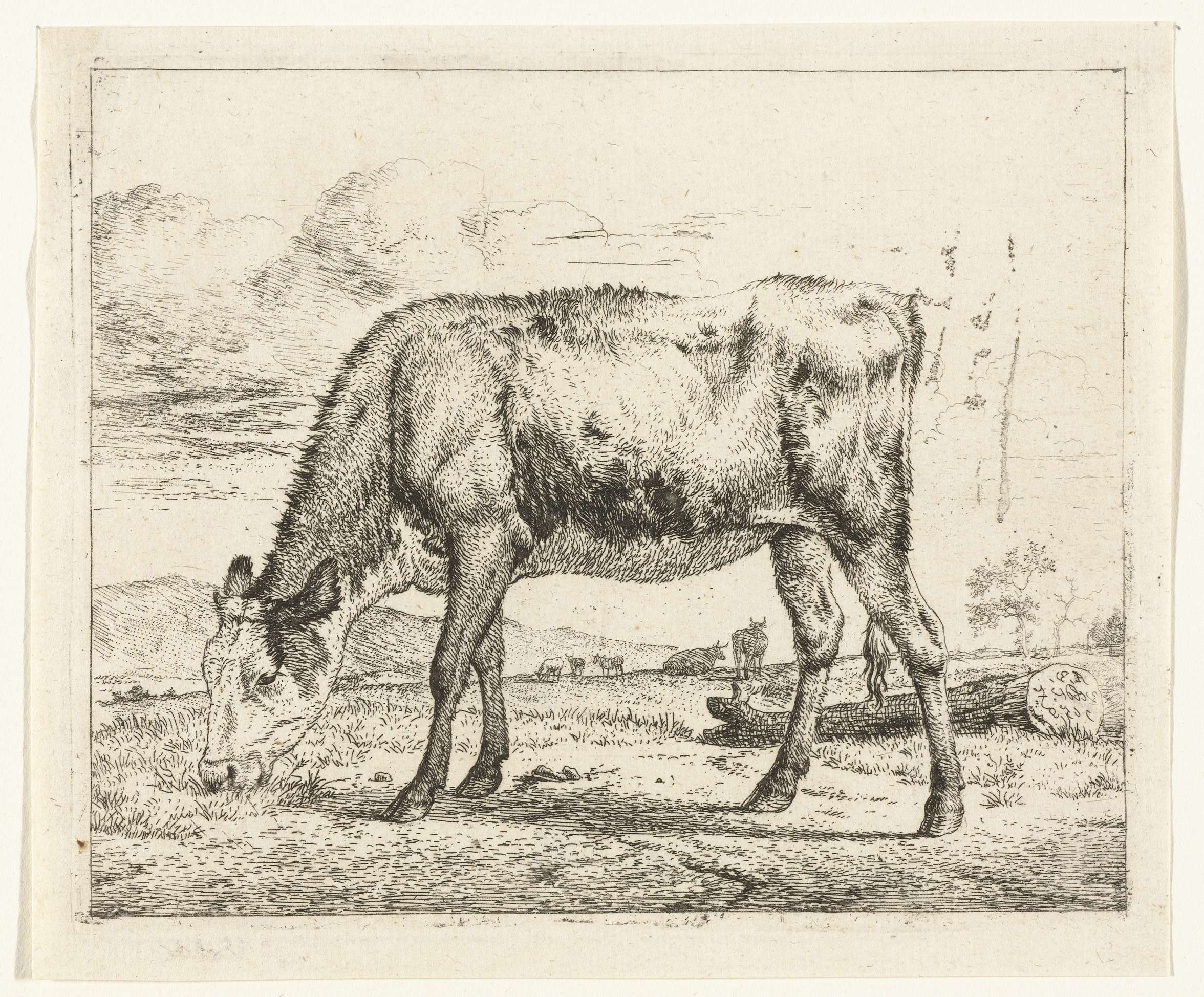
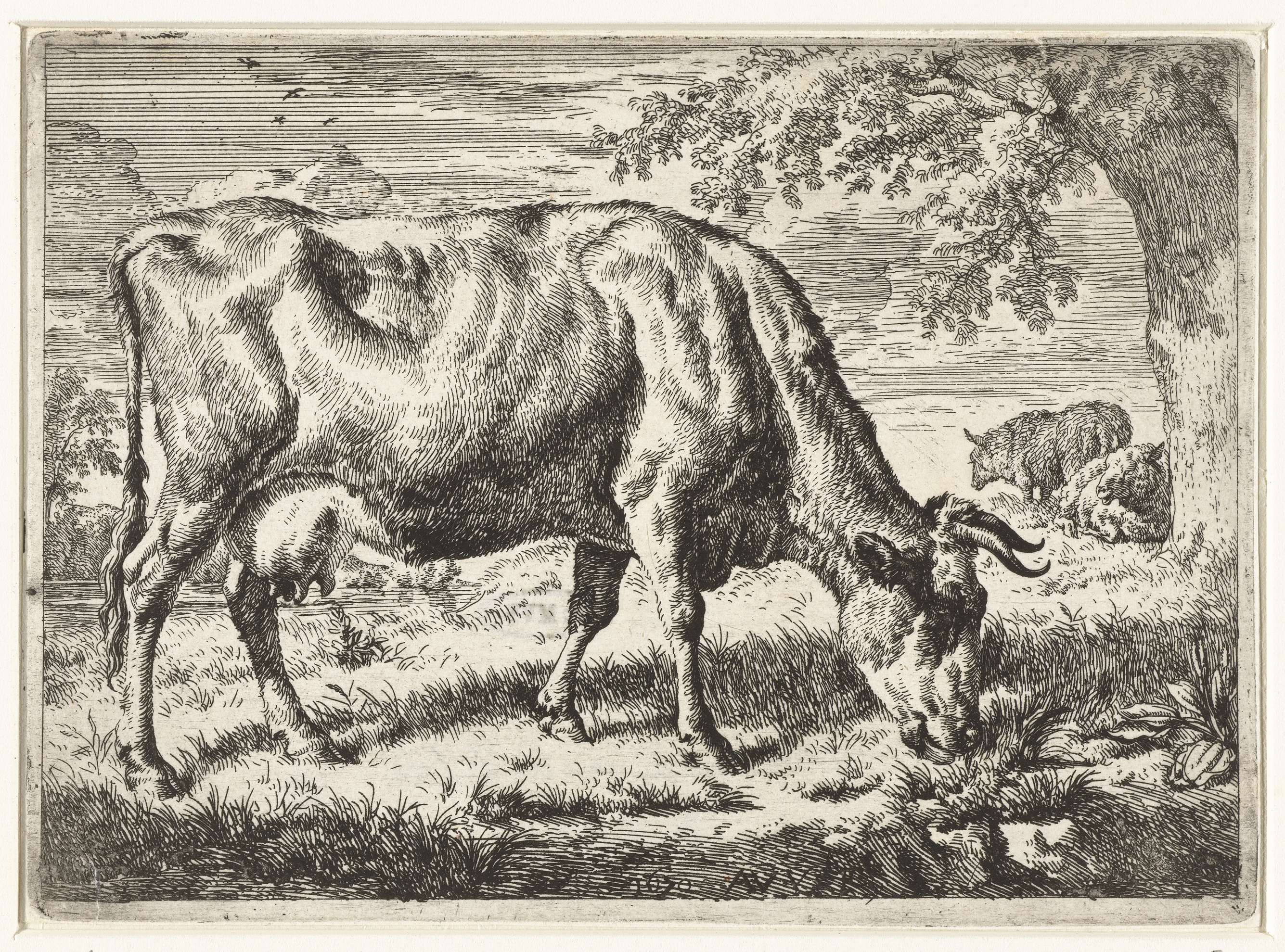
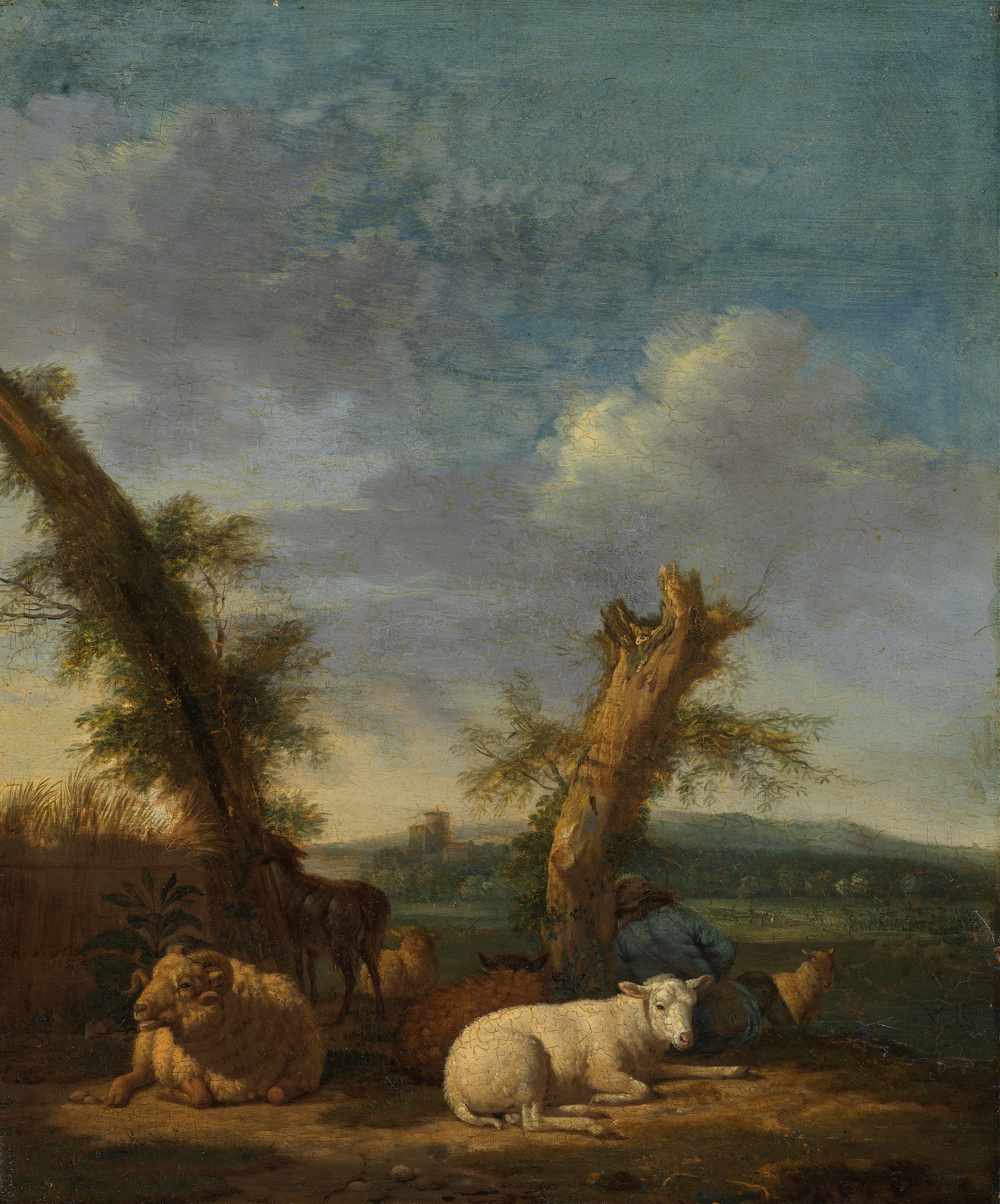
What if silence could speak through light? The ethereal glow captured in this work echoes the passage of time, as if each moment were rendered in paint and breath. Look to the left at the gentle figure of a cow, its soft gaze inviting contemplation. Notice how the sunlight spills across the canvas, illuminating the subtle textures of the animals' fur and the delicate blades of grass beneath them. The composition, with its serene arrangement of tranquil creatures, draws the eye inward, allowing the viewer to revel in the quietude of this pastoral scene.
The muted earth tones invite a sense of warmth and familiarity, evoking the essence of rural life in the Dutch countryside. Beneath this tranquil surface lies a poignant exploration of existence and the passage of time. The cows stand in a momentary pause, symbolizing the steady rhythm of nature amid the fleeting human experience. Their stillness contrasts with the ephemeral quality of the sunlight, suggesting that while life is transient, the beauty of a simple moment remains eternally captured.
The landscape, a melding of idyllic serenity and the inevitability of change, prompts reflection on the cycles of life and the quiet yet profound connections we share with our environment. During 1657-1659, the artist painted this piece in the Netherlands, a time when the Dutch Golden Age flourished. Adriaen van de Velde was immersed in a world rich with artistic innovation and a deepening appreciation for pastoral themes. His works, often featuring a nuanced interplay of light and shadow, reflect not only his technical skill but also his desire to communicate the timeless beauty found in everyday life.