
Dürnstein — History & Facts
In the quiet moments of introspection, time stands still, revealing layers of existence often overlooked. Focus on the gentle interplay of light and shadow in Dürnstein, where the soft hues of dawn illuminate the ancient architecture. Look to the left at the majestic stone fortress, standing resolutely against the soft blues and greens of the surrounding landscape. The artist's careful brushwork captures the delicate details of the buildings while the sky, infused with warm golden tones, creates a contrast that breathes life into the scene.
The serene ripples of the Danube mirror this tranquility, inviting the viewer to linger. At first glance, the painting may appear merely idyllic, but deeper inspection unveils a tension between nature and human endeavor. The fortress, a symbol of history and resilience, juxtaposes the fleeting beauty of the natural world, reminding us of the passage of time. The gentle movement of the water suggests change, while the steadfast mountains loom eternal, inviting contemplation of our own mortality amidst the enduring landscape. Eduard Peithner von Lichtenfels painted Dürnstein in 1893 during a period when Austria was grappling with its identity and cultural heritage.
This was an era of burgeoning nationalism, and the artist sought to capture not just a place but a sense of belonging. Immersed in the picturesque beauty of the Danube Valley, he found inspiration in the past while addressing the transformations of the present, a poignant reflection of the world around him.
More Artworks by Eduard Peithner von Lichtenfels
Browse all →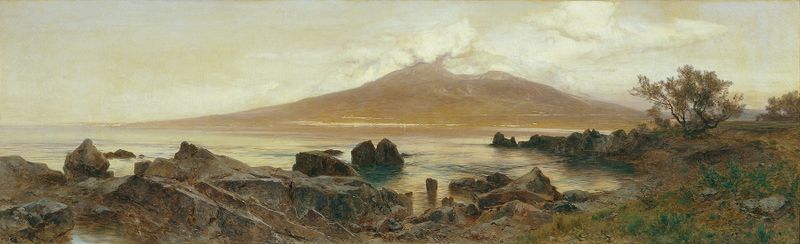
Der Vesuv
Eduard Peithner von Lichtenfels

Donauufer im Prater
Eduard Peithner von Lichtenfels
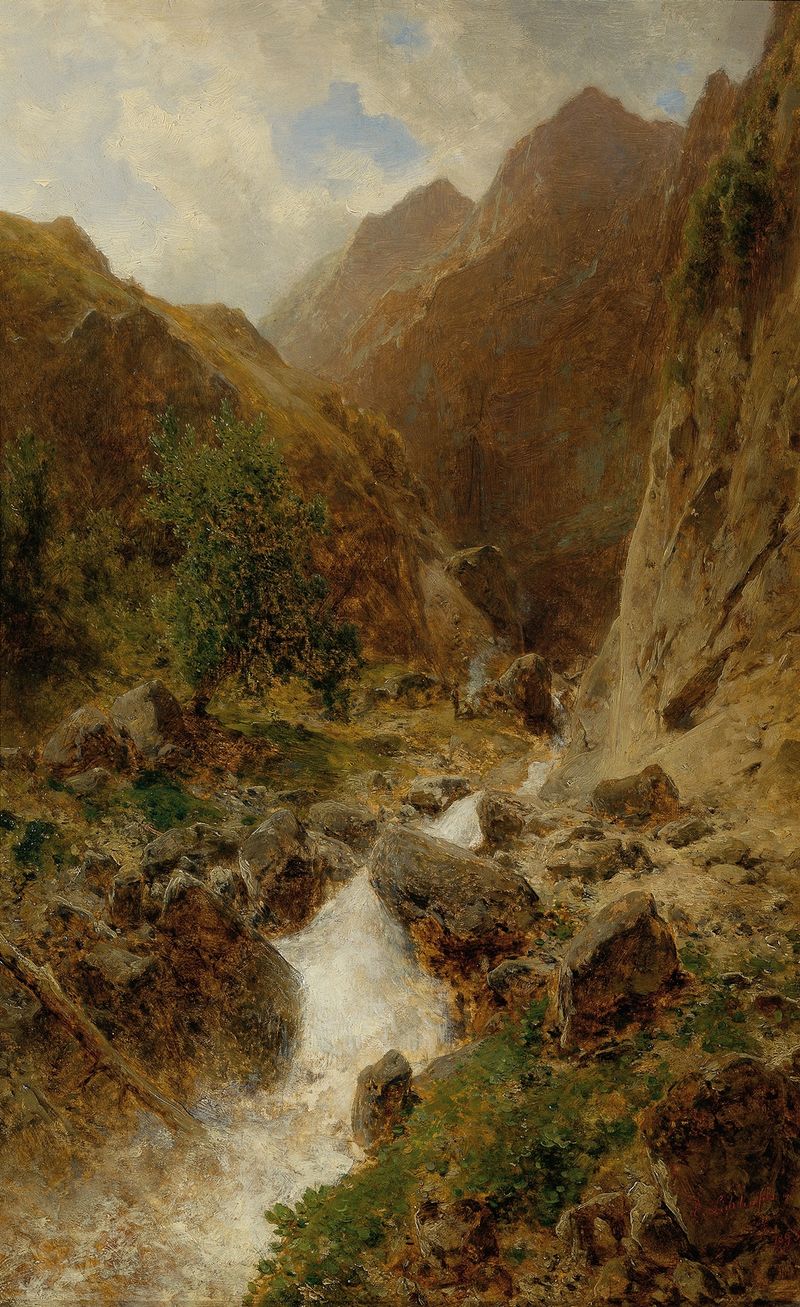
Wildbach
Eduard Peithner von Lichtenfels

Mountain stream
Eduard Peithner von Lichtenfels

Partie bei Hallein an der Salzach
Eduard Peithner von Lichtenfels

Schloss Liechtenstein (vor der Restaurierung)
Eduard Peithner von Lichtenfels

Dürnstein – Am Weg zum Schloss
Eduard Peithner von Lichtenfels

Alpensee
Eduard Peithner von Lichtenfels
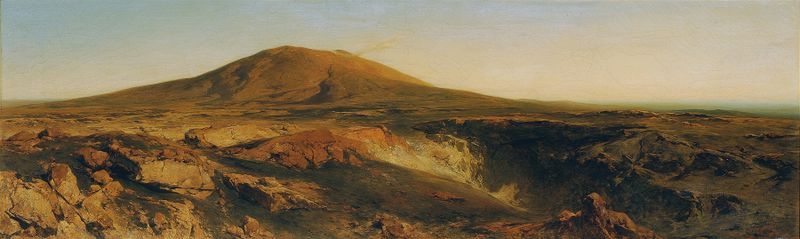
Der Gipfel des Ätna 1878
Eduard Peithner von Lichtenfels

Landschaftsmotiv
Eduard Peithner von Lichtenfels





