
Duc de Chaulnes en Hercule (Nattier, 1746) — History & Facts
The first thing that catches the eye is the confident, almost languid gaze of the sitter, draped in a lion skin and clutching a rough-hewn club. Here, the painter has chosen a moment of poised stillness, inviting us to consider both the myth and the man. The sitter’s flesh is rendered with a creamy softness, yet the heroic costume—fur, club, and a hint of classical drapery—signals a deliberate transformation.
The light falls from above, illuminating the subject’s bare chest and face, casting the surrounding landscape into a gentle shadow that frames him as both noble and approachable. Every detail, from the texture of the lion’s pelt to the relaxed grip on the club, is a calculated play between artifice and authenticity, inviting the viewer to question where portrait ends and allegory begins. This painting belongs to a world where portraiture was not only about likeness, but about identity and ambition. In eighteenth-century France, it was common for aristocrats to commission portraits in the guise of ancient heroes or gods, borrowing the authority of myth to elevate their own image.
Jean-Marc Nattier became especially known for these imaginative transformations, blending the sitter’s features with the trappings of antiquity. The date inscribed, 1746, places this work at the height of Nattier’s career, when such allegorical portraits were in high demand among the court and nobility. History has kept few traces of the specific journey of this canvas, but its theatrical blend of myth and reality is a window into a society that saw itself reflected in the legends of the past—look again, and see how the past and present meet in a single, steady gaze.
More Artworks by Jean-Marc Nattier

Madame Crozat de Thiers and Her Daughter
Jean-Marc Nattier
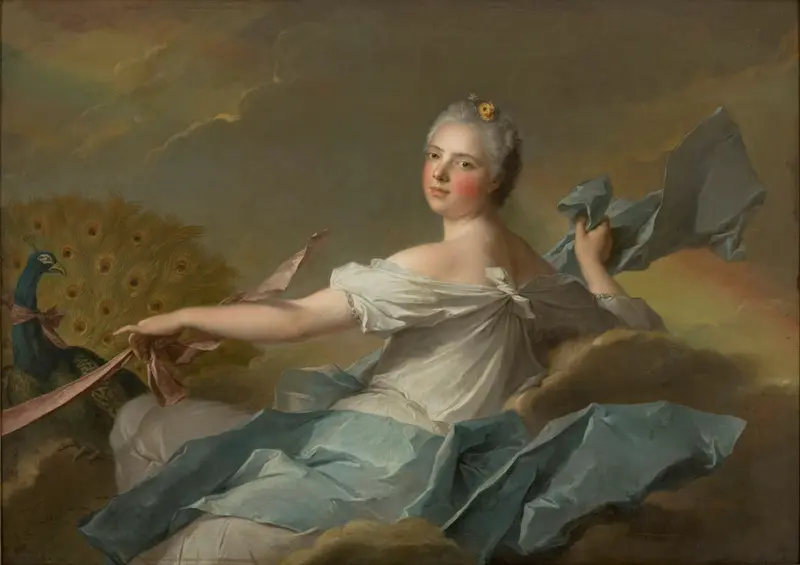
Princess Marie Adélaïde of France - The Air
Jean-Marc Nattier
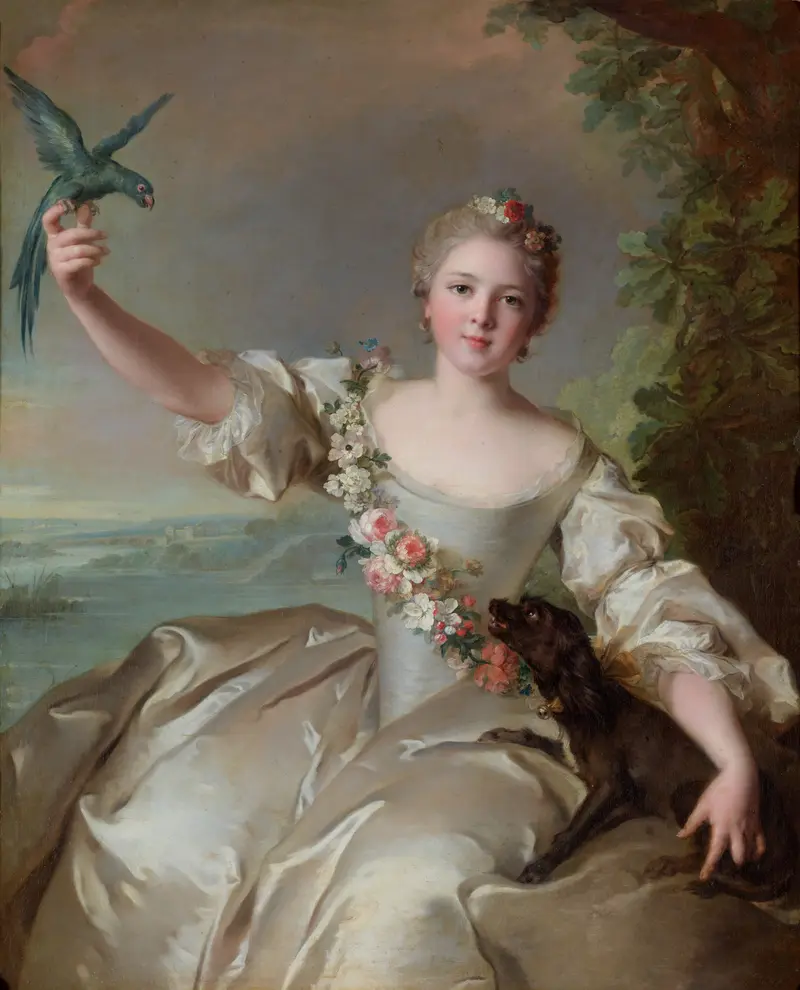
Portrait de Mathilde de Canisy, marquise d'Antin
Jean-Marc Nattier
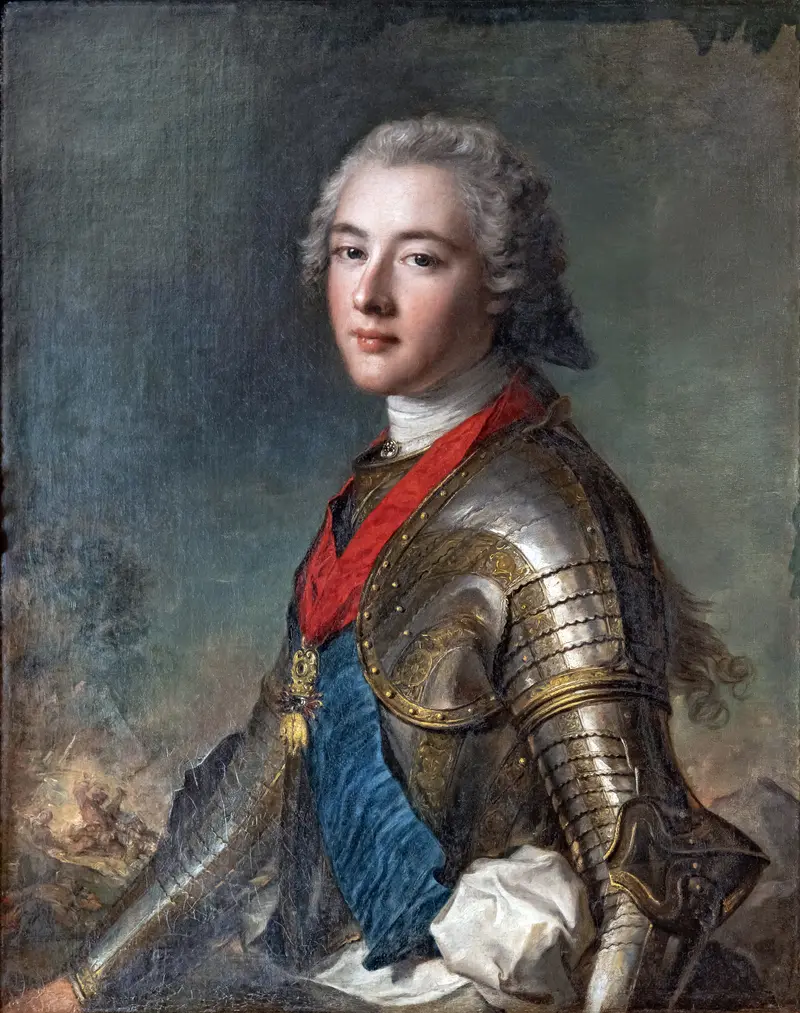
Bemberg Fondation Toulouse - Portrait de Louis Jean Marie de Bourbon, Duc de Penthièvre - Jean Marc Nattier inv.1158 82x65.4
Jean-Marc Nattier
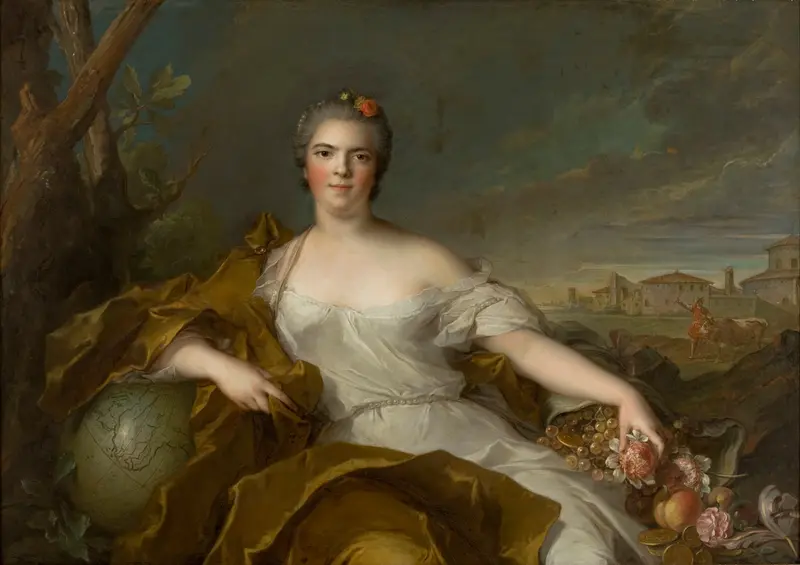
Princess Louise-Élisabeth of France - The Earth
Jean-Marc Nattier
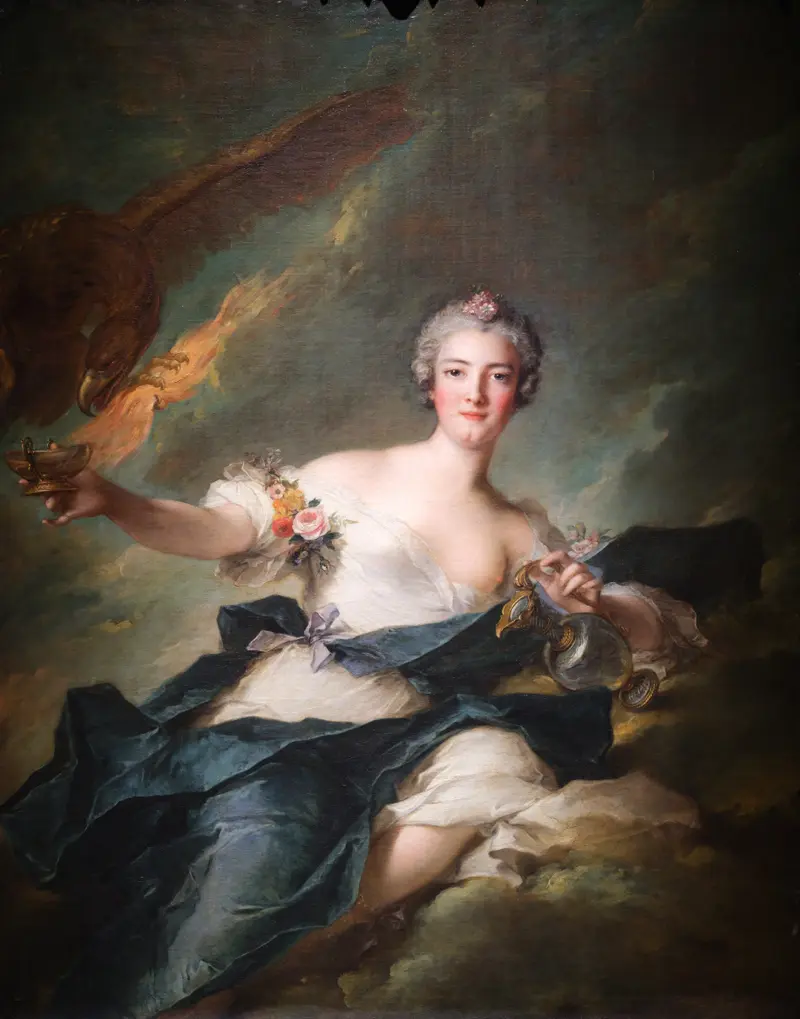
The Duchess of Chaulnes Represented as Hebe
Jean-Marc Nattier
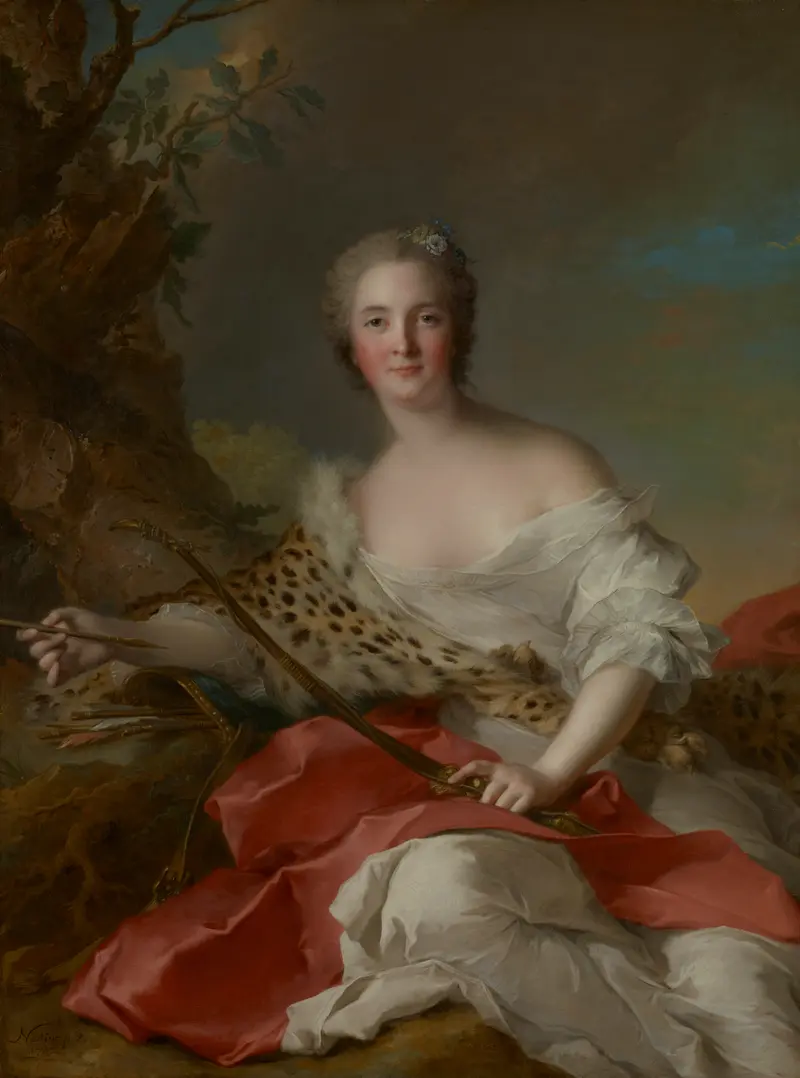
Portrait of Madame Bonnier de la Mosson as Diana (Constance-Gabrielle-Magdeleine du Monciel de Lauraille
Jean-Marc Nattier
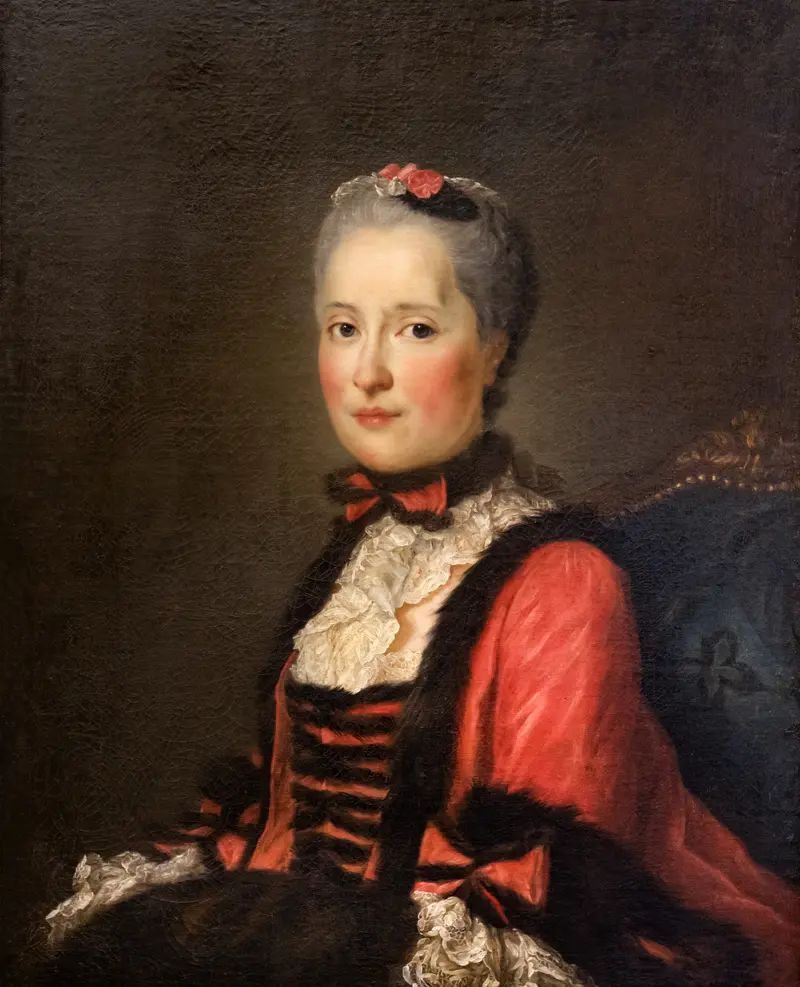
Portrait of Marie-Josephe of Saxony, Dauphine of France
Jean-Marc Nattier
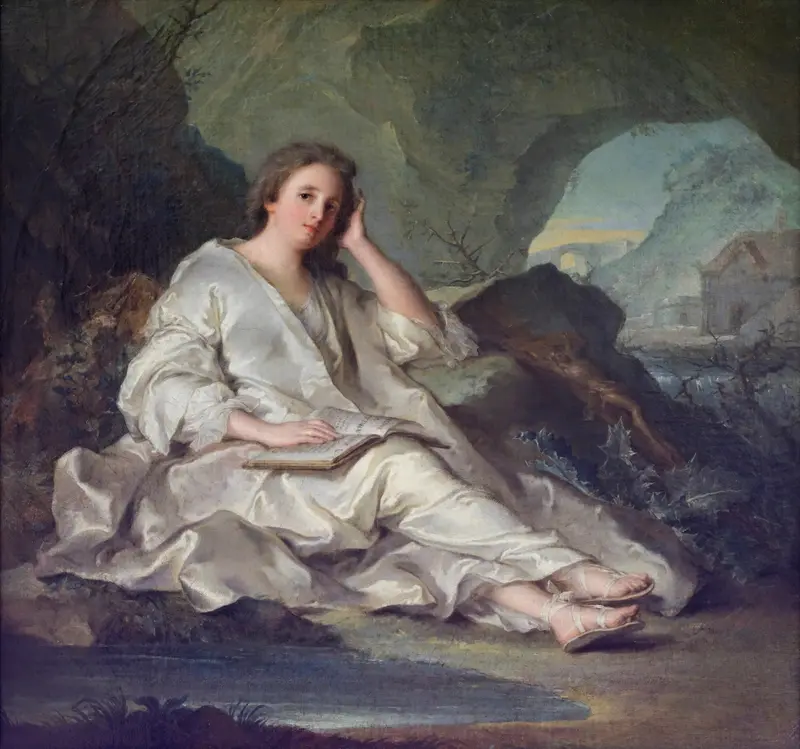
La Madeleine, ou Une Pénitente dans le désert Musée du Louvre Peintures INV 6880 ; MR
Jean-Marc Nattier
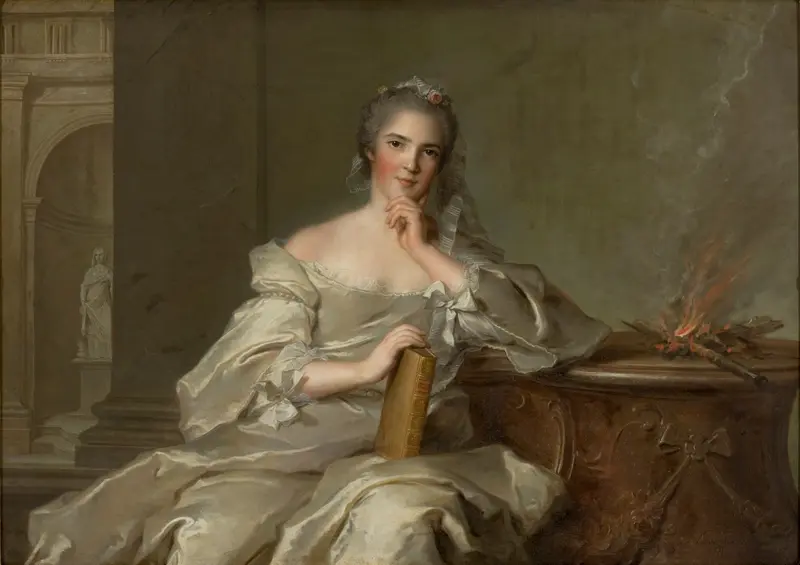
Princess Anne-Henriette of France - The Fire
Jean-Marc Nattier





