
Dudley Castle — History & Facts
What if silence could speak through light? In viewing Dudley Castle, one feels the weight of destiny resting upon the crumbling stones bathed in a soft, ethereal glow. The interplay of shadow and illumination invites contemplation of the past, echoing the stories held within its ancient walls. Focus on the left side of the canvas, where the castle's formidable silhouette rises against the gentle ambiance of dusk. The artist employs soft blues and grays, contrasting with warm ochres, which breathe life into the sky.
Notice how the clouds swirl around the turret, suggesting an impending storm—a metaphor for both nature's fury and the passage of time. The meticulous brushwork captures the texture of the castle's weathered stones, emphasizing resilience amidst decay. Beneath the surface, the painting reveals deeper themes of ruin and rebirth. The juxtaposition of the sturdy fortress against the encroaching darkness speaks to the transient nature of power and glory.
Look closely at the light filtering through the clouds; it suggests not only hope but an inevitable change, as if the castle stands at a crossroads of its own fate. Each element engages in a silent dialogue, reflecting the eternal struggle between permanence and impermanence. In 1805, Philip James de Loutherbourg painted Dudley Castle while living in England, a period marked by the Romantic movement that sought to capture sublime aspects of nature. The artist’s intricate depictions were influenced by the burgeoning interest in landscapes, often reflecting personal feelings and historical narratives.
Amidst a shifting world, the painting embodies a moment of reflection on heritage and the enduring legacy of man-made structures in an ever-changing environment.
More Artworks by Philip James de Loutherbourg
Browse all →
Iron Works, Colebrook Dale
Philip James de Loutherbourg
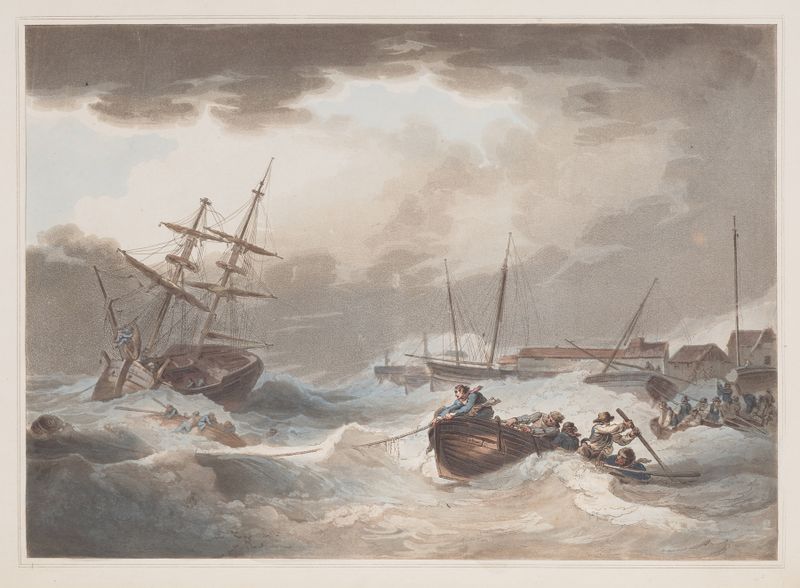
Storm off Margate
Philip James de Loutherbourg
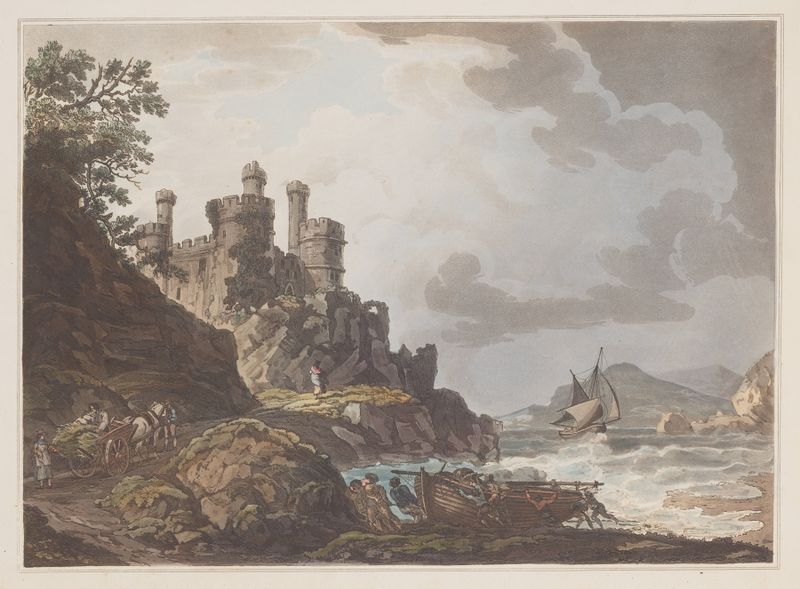
Conway Castle
Philip James de Loutherbourg
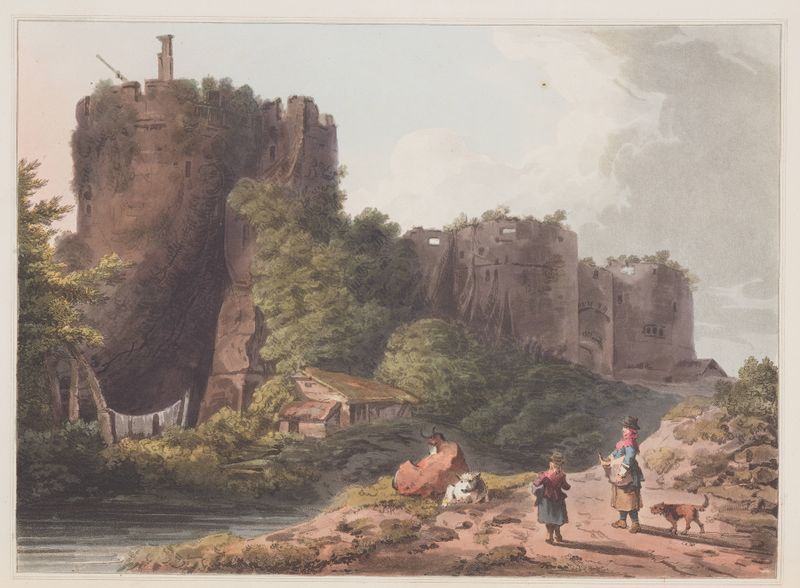
Chepstow Castle in Monmouthshire
Philip James de Loutherbourg
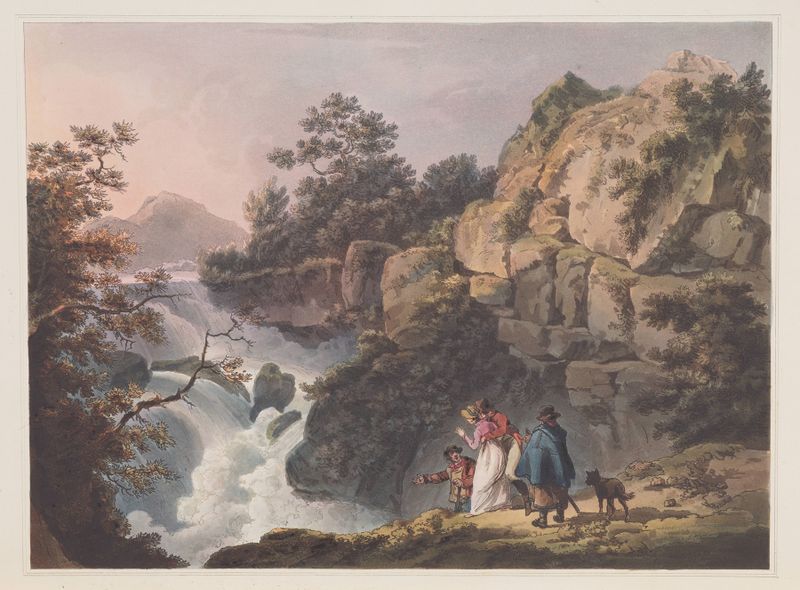
Cataract on the Llugwy
Philip James de Loutherbourg

Tintern Abbey
Philip James de Loutherbourg
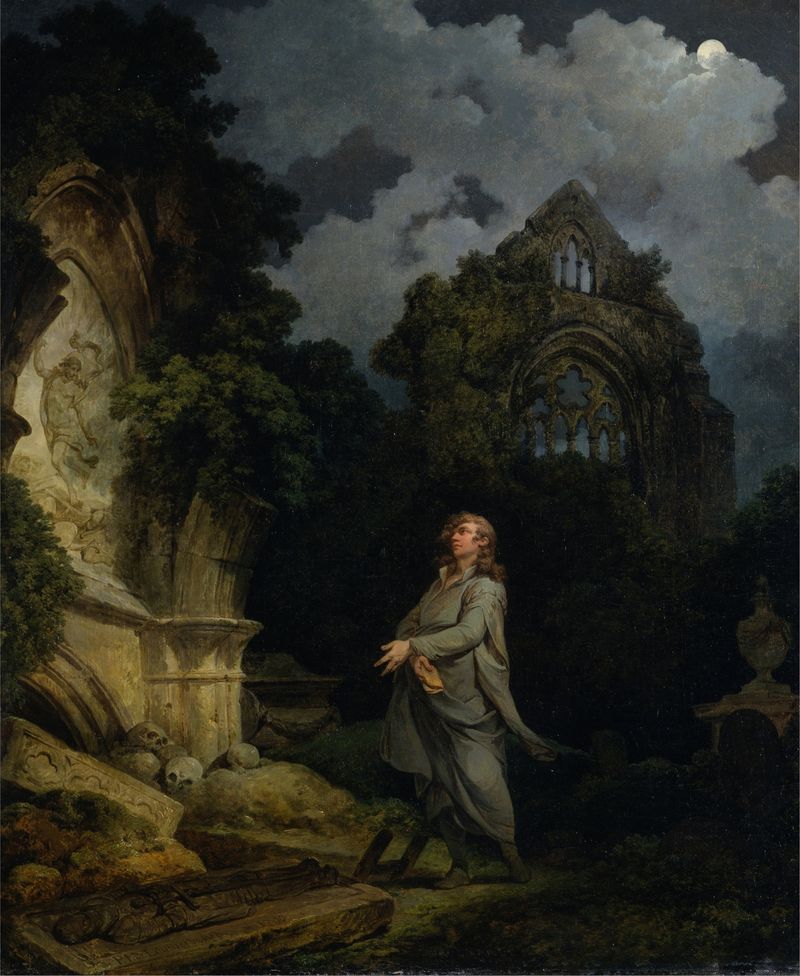
Visitor to a Moonlit Churchyard
Philip James de Loutherbourg

A Storm at the Entrance of a Mediterranean Port
Philip James de Loutherbourg
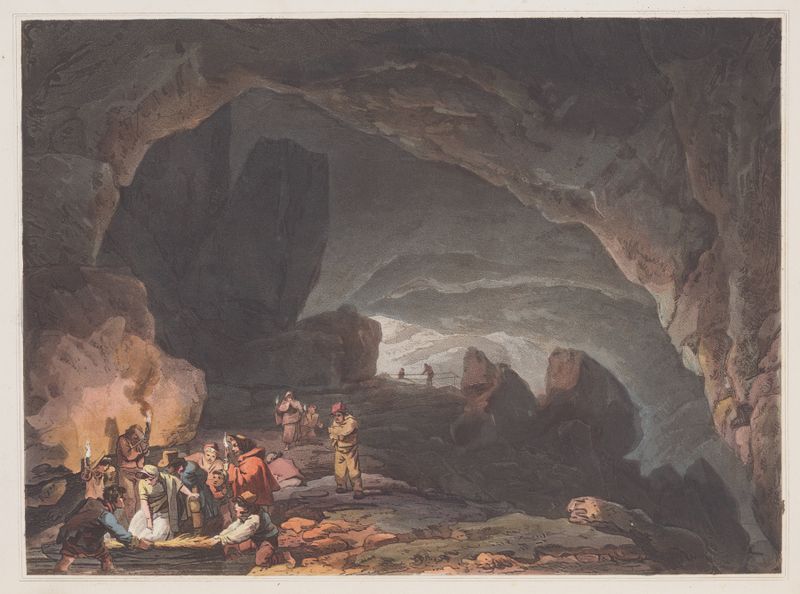
Peak’s Hole, Derbyshire
Philip James de Loutherbourg
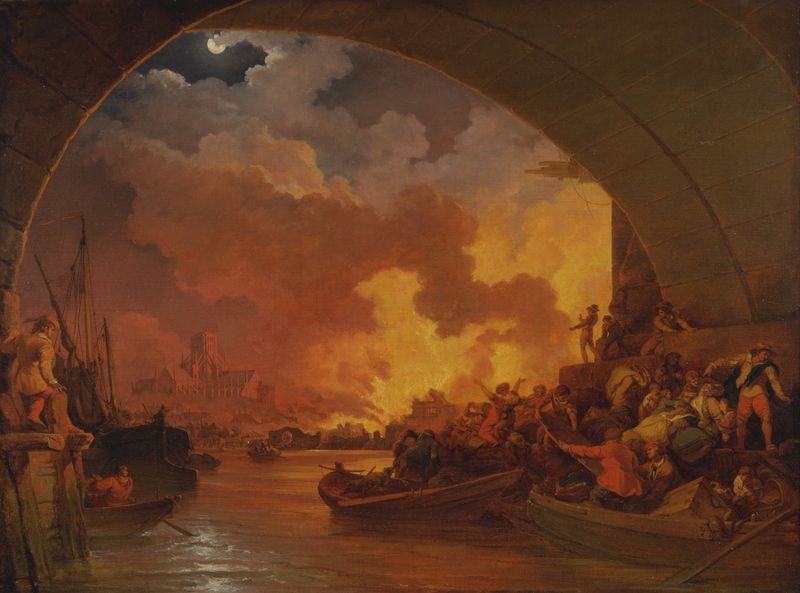
The Great Fire of London
Philip James de Loutherbourg





