
Dunedin from the Ocean Beach — History & Facts
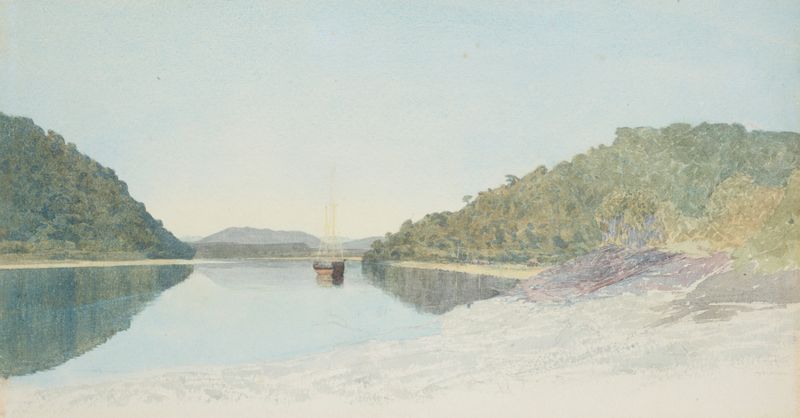
Can paint confess what words never could? In Dunedin from the Ocean Beach, a profound dialogue unfolds between the viewer and the landscape, inviting reflections on legacy and the passage of time. Look to the foreground, where gentle waves lap at the shore, their rhythmic motion a mesmerizing contrast to the solid permanence of hills beyond. The colors are muted yet rich; soft blues and earthy browns evoke a sense of tranquility, while glimmers of light dance across the water's surface, inviting the eye to wander deeper into the scene. The composition balances the land and sea, revealing how nature's beauty harmonizes with its raw power. As you explore further, notice the distant silhouette of the town nestled among rolling hills, signifying human endeavor amid nature's vastness.
The interplay between light and shadow on the land speaks to the transience of existence, evoking a sense of nostalgia for what is lost and a reverence for what remains. Each brushstroke captures a moment in time, echoing the hopes and dreams of generations that have come and gone. In 1865, Richmond painted this work while living in Dunedin, New Zealand, a place shaped by rapid growth and the influx of settlers. The mid-19th century was a vibrant period in art, characterized by an appreciation for landscapes that reflected the essence of national identity.
As the world shifted, Richmond's canvas became a testament to the changing environment and an enduring legacy of the beauty found in local shores.
More Artworks by James Crowe Richmond
Browse all →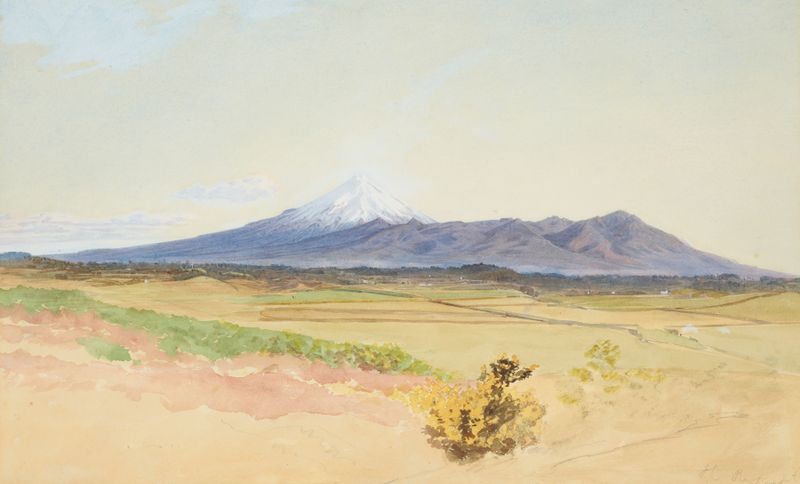
Mount Egmont and Pouakai, from New Plymouth
James Crowe Richmond
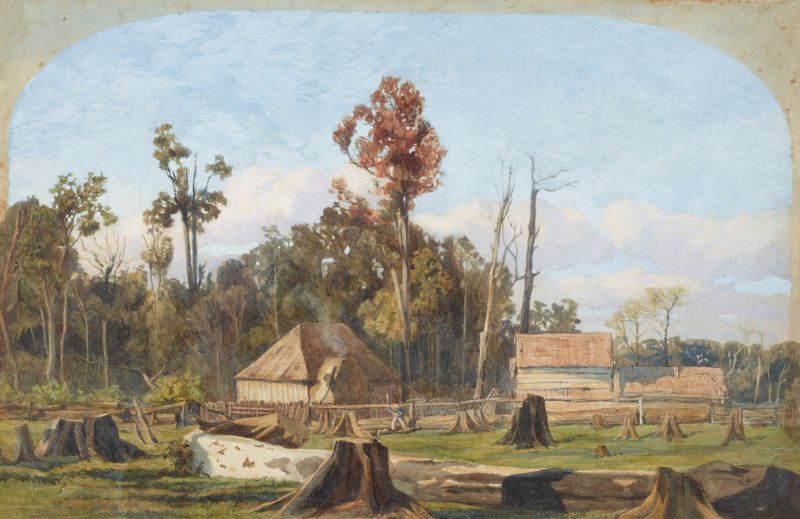
Settler’s home, Merton, near New Plymouth
James Crowe Richmond
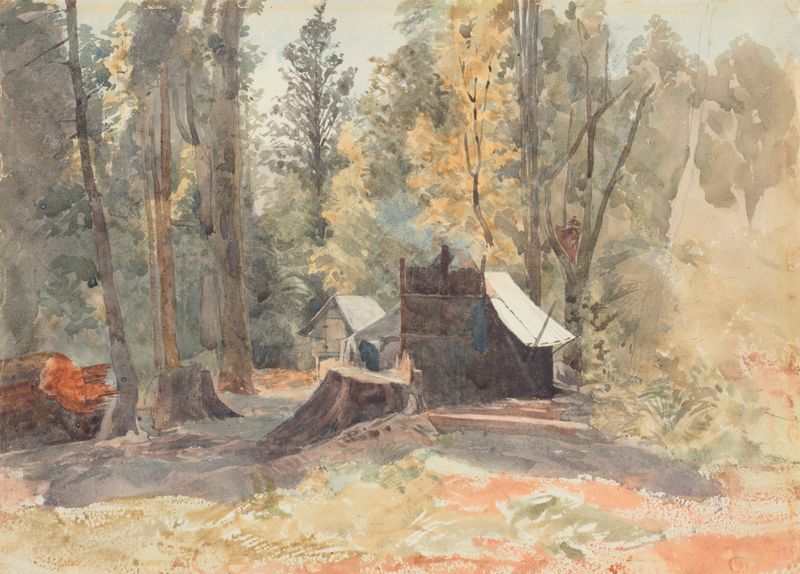
Hut of the ‘Italian party’, old diggings on Buller
James Crowe Richmond

Mosque at Tlemcen
James Crowe Richmond

Ngatapa, Te Kooti’s Pa
James Crowe Richmond

Dividing Range, Riwaka and Takaka
James Crowe Richmond
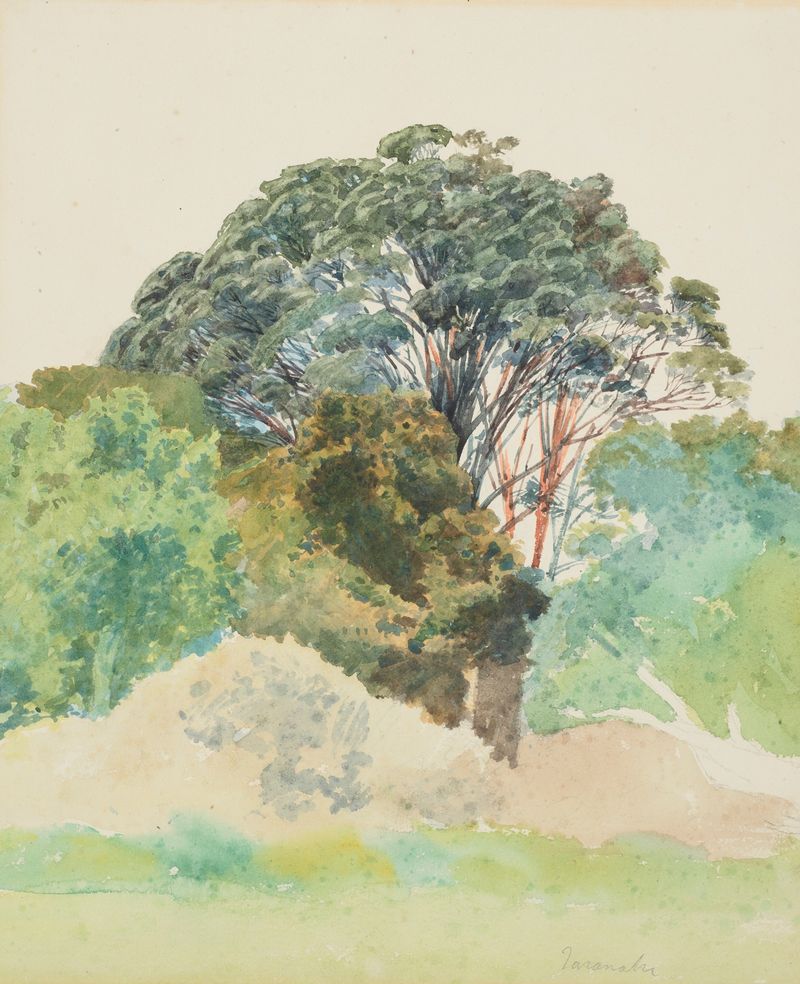
Rata, Taranaki
James Crowe Richmond

Grey River, on the beach
James Crowe Richmond

On Collingwood Goldfields
James Crowe Richmond
Site of Greymouth
James Crowe Richmond





