
Mount Egmont and Pouakai, from New Plymouth — History & Facts
Who listens when art speaks of silence? In the quietude of Mount Egmont and Pouakai, from New Plymouth, a deep faith resonates, whispering the secrets of the landscape. Look to the left, where the majestic silhouette of Mount Egmont rises dramatically against a pale azure sky. Notice how the artist captures the mountain’s rugged peaks with swift, confident brushstrokes, contrasting with the soft, undulating hills in the foreground. The gentle play of light across the canvas illuminates the lush green ferns and the deeply shadowed valleys, creating a sense of harmony that breathes life into the scene.
The palette of earthy tones conveys a rich, almost spiritual connection to the land, inviting the viewer to linger. As you explore further, consider the juxtaposition of the towering mountain and the delicate foliage at its base. This interplay between the majestic and the minute speaks to the duality of nature's power and fragility. The calm, reflective water in the foreground mirrors not only the landscape but also the quiet contemplation that such vistas inspire.
Each detail, from the clouds hanging like whispers in the sky to the rhythmic lines of the hills, suggests an inner dialogue about faith and the vastness of the world. Created in 1858 while Richmond was residing in New Plymouth, this work emerges from an era when New Zealand's natural beauty was beginning to attract attention from European artists. The artist was deeply influenced by the serene landscapes of his new home, reflecting both his personal journey and the burgeoning Romantic movement in art, which sought to capture the sublime in nature. Richmond’s faith in the landscape is not just an aesthetic choice; it is a testament to the spiritual connection he felt towards this untouched wilderness.
More Artworks by James Crowe Richmond
Browse all →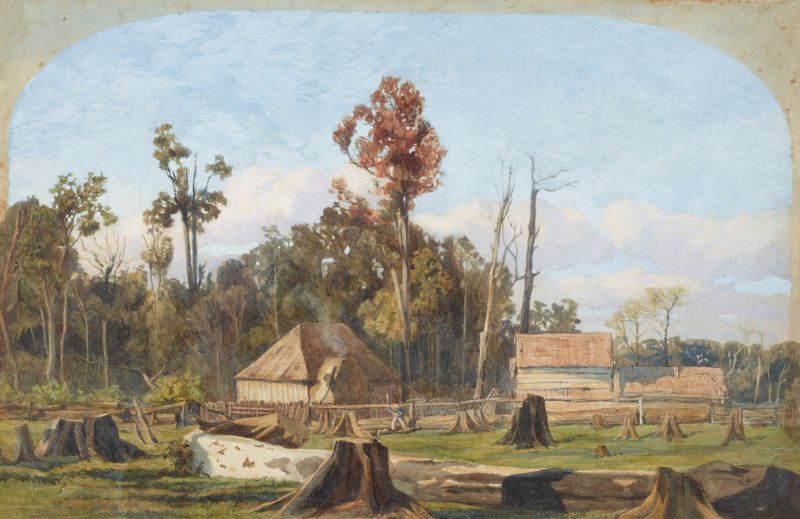
Settler’s home, Merton, near New Plymouth
James Crowe Richmond
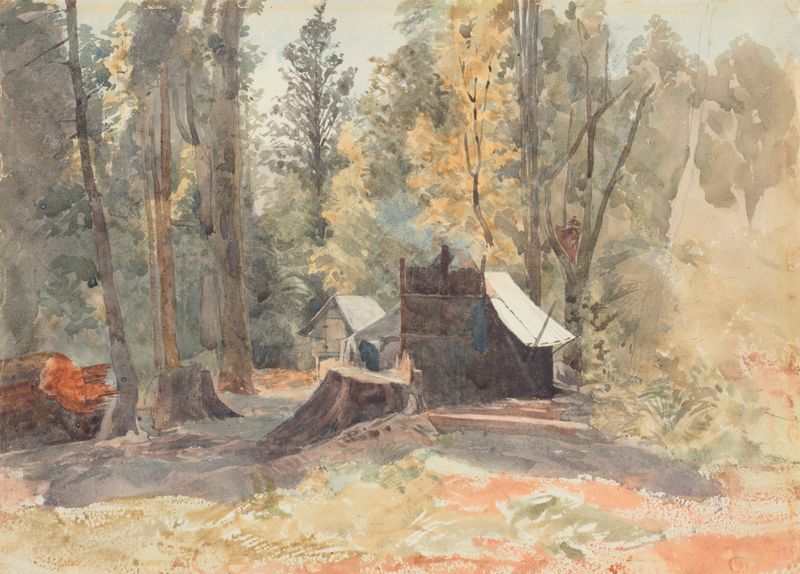
Hut of the ‘Italian party’, old diggings on Buller
James Crowe Richmond

Mosque at Tlemcen
James Crowe Richmond

Ngatapa, Te Kooti’s Pa
James Crowe Richmond

Dividing Range, Riwaka and Takaka
James Crowe Richmond
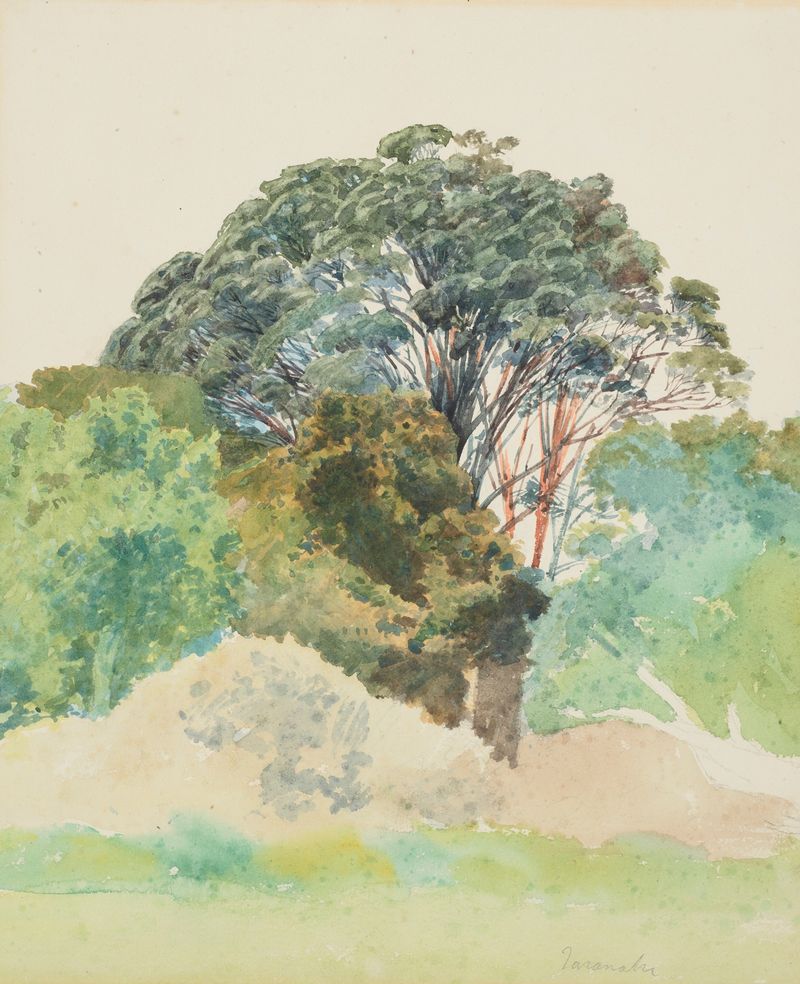
Rata, Taranaki
James Crowe Richmond

Grey River, on the beach
James Crowe Richmond
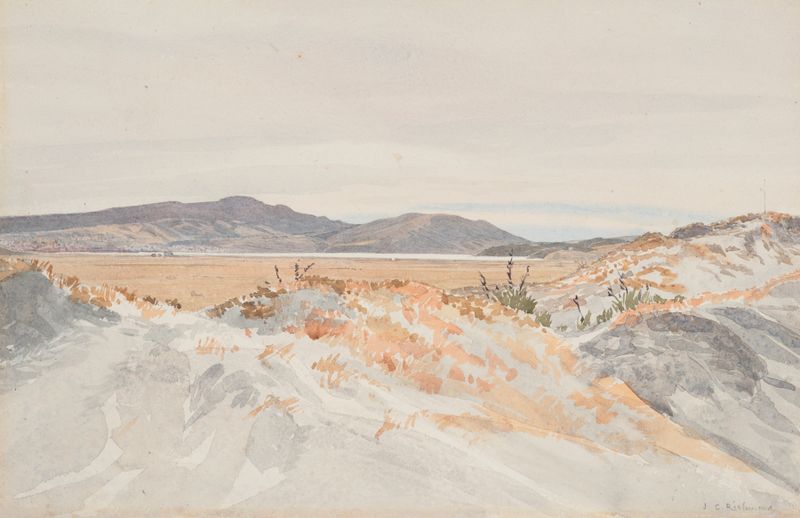
Dunedin from the Ocean Beach
James Crowe Richmond

On Collingwood Goldfields
James Crowe Richmond
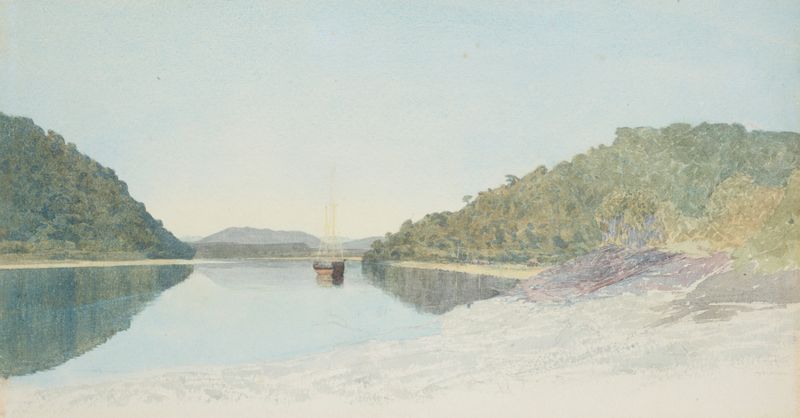
Site of Greymouth
James Crowe Richmond





