
Mosque at Tlemcen — History & Facts
The emptiness of solitude often unveils profound depths within the heart, inviting contemplation and reflection. Look toward the center of the canvas; there, the intricate minaret rises against a muted sky, its architectural lines drawing the eye upward. Notice how the warm earth tones blend seamlessly into the cool blues, creating a harmonious interplay of light and shadow that whispers of the passage of time. The artist's careful brushwork captures both the solidity of the structure and the ethereal quality of the surrounding atmosphere, crafting a moment suspended in tranquility. Beneath the surface lies a contrast between the grandeur of the mosque and the vast, empty spaces that stretch around it.
This emptiness evokes an introspective silence, prompting viewers to consider the spiritual resonance of the scene. The absence of human presence, once bustling with life, now amplifies the mosque’s sacred stillness, inviting a dialogue between the viewer and the divine. Each stroke seems to echo the unspoken stories held within its walls, a testament to the passage of history and the weight of lost voices. James Crowe Richmond painted this work in 1875 while he was traveling in Algeria, immersed in the rich culture and architectural beauty of the region.
As an artist committed to capturing the essence of place, he was influenced by the atmospheric conditions and cultural vibrancy surrounding him, reflecting a shift towards a more impressionistic style that sought to convey emotion rather than mere representation. This period in his life marked a significant evolution in his artistic vision, merging his fascination with landscape and architecture.
More Artworks by James Crowe Richmond
Browse all →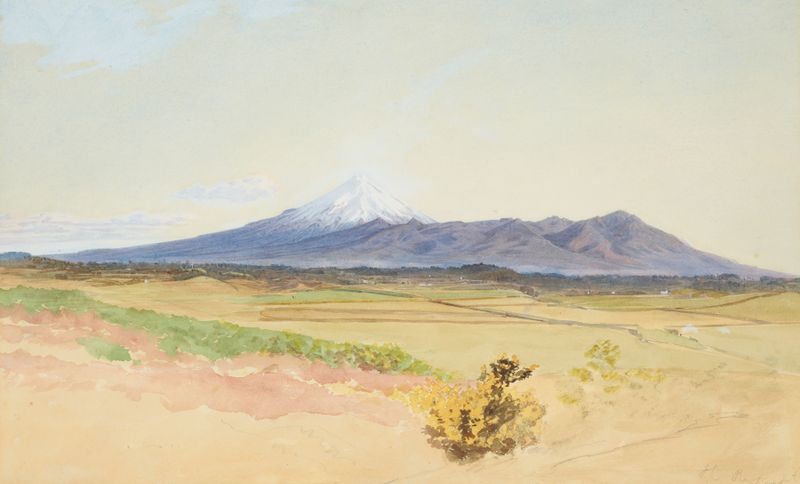
Mount Egmont and Pouakai, from New Plymouth
James Crowe Richmond
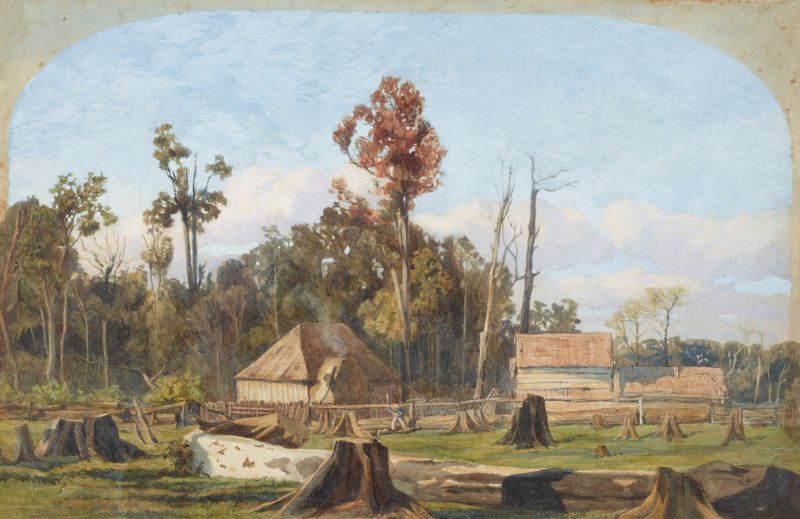
Settler’s home, Merton, near New Plymouth
James Crowe Richmond
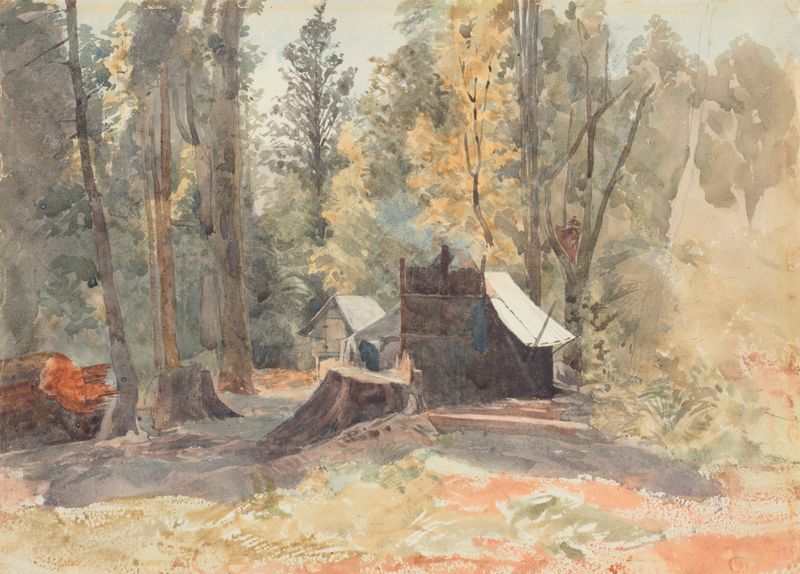
Hut of the ‘Italian party’, old diggings on Buller
James Crowe Richmond

Ngatapa, Te Kooti’s Pa
James Crowe Richmond

Dividing Range, Riwaka and Takaka
James Crowe Richmond
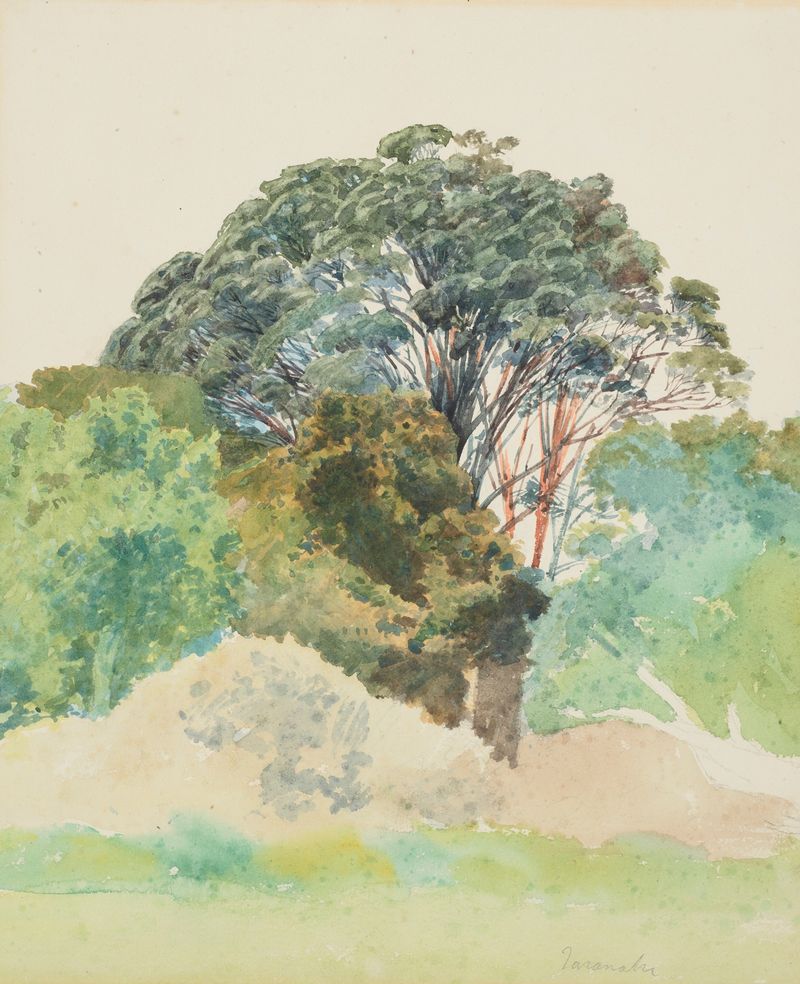
Rata, Taranaki
James Crowe Richmond

Grey River, on the beach
James Crowe Richmond
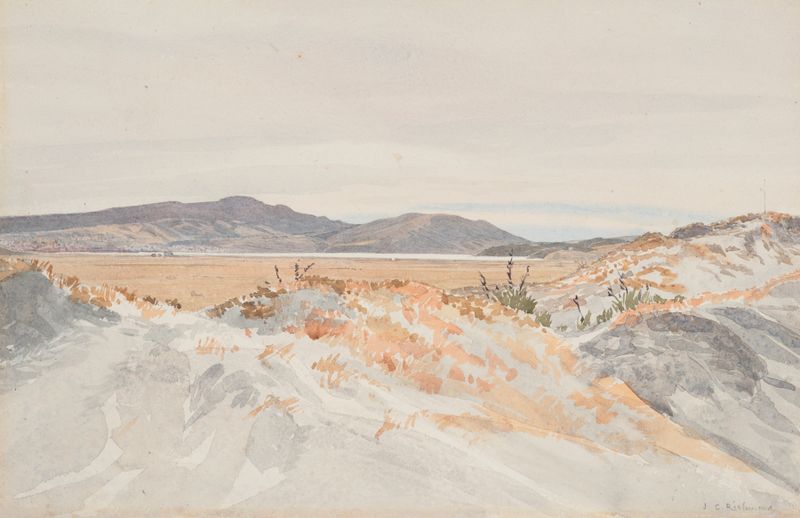
Dunedin from the Ocean Beach
James Crowe Richmond

On Collingwood Goldfields
James Crowe Richmond
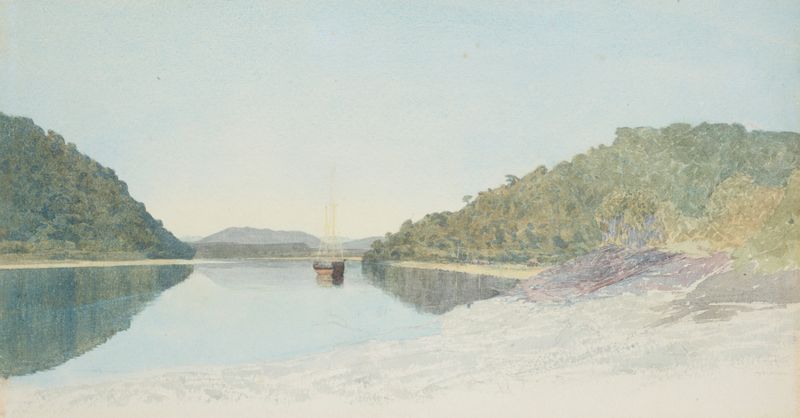
Site of Greymouth
James Crowe Richmond
More Architecture Art
Browse all →
The statue of Liberty
Frédéric Auguste Bartholdi

View of Houses in Delft, Known as ‘The Little Street’
Johannes Vermeer

View of Houses in Delft, Known as ‘The Little Street’
Johannes Vermeer

The Cathedral in Rouen. The portal, Grey Weather
Claude Monet

The yellow house
Vincent van Gogh

The Church in Auvers-sur-Oise, View from the Chevet
Vincent van Gogh