
Ngatapa, Te Kooti’s Pa — History & Facts
This profound transformation captures the essence of color, where each hue tells a story and reflects an emotion. In Ngatapa, Te Kooti’s Pa, the interplay of vibrant tones invites the viewer to explore a world steeped in history and turbulence. Look to the foreground, where the rich greens and browns of the land blend seamlessly with the deep blues of the sky. The brushwork is dynamic, hints of movement that evoke both the natural landscape and the human presence within it.
Notice how the warm oranges and yellows illuminate the buildings, breathing life into the scene. The composition is balanced, leading your eye from the striking peaks in the background to the intimate details of the pa, or fortified village, nestled below. Beneath the surface beauty lies a complex narrative of conflict and resilience. The contrasting colors symbolize not only the lush New Zealand landscape but also the struggle of the Māori people during a tumultuous period in their history.
The delicate interplay between light and shadow further emphasizes the tension between serenity and chaos, reflecting the duality of life in Ngatapa. Each brushstroke becomes a testament to the enduring spirit of a community entwined in both nature and adversity. James Crowe Richmond painted this work between 1868 and 1869, during a time of significant change in New Zealand. As a British artist who settled in the region, Richmond sought to document the landscapes and cultures he encountered.
His artistic journey unfolded amidst the backdrop of colonial encounters, giving his work a vital historical context that enriches its visual impact.
More Artworks by James Crowe Richmond
Browse all →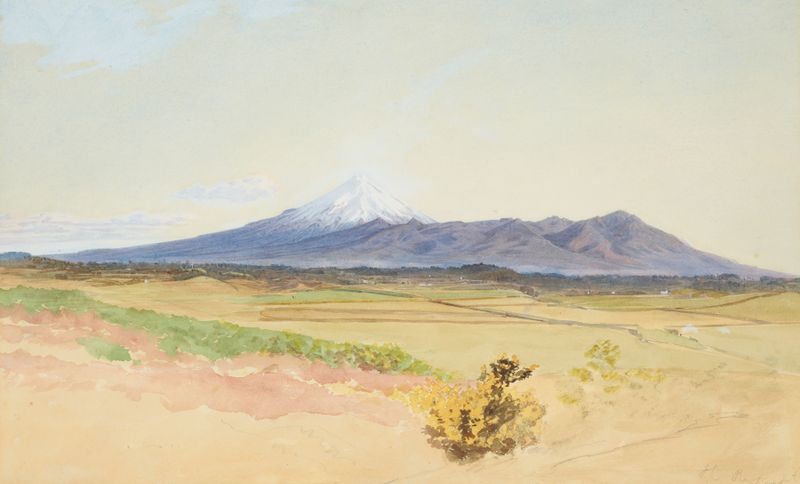
Mount Egmont and Pouakai, from New Plymouth
James Crowe Richmond
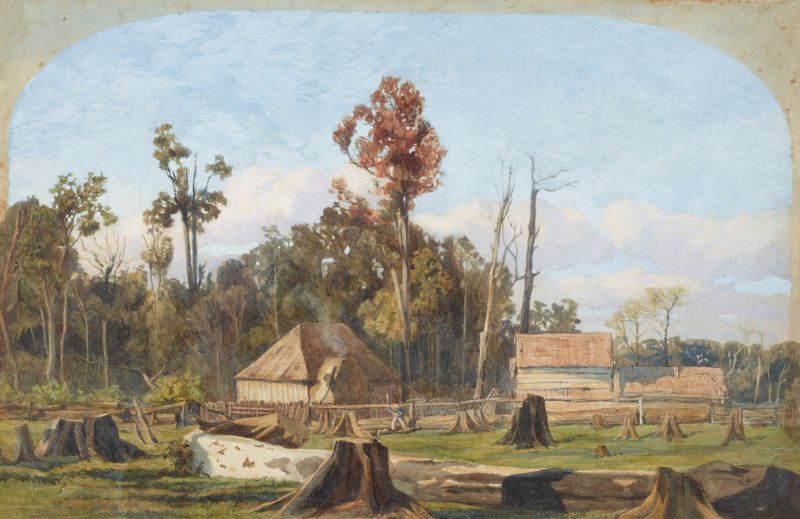
Settler’s home, Merton, near New Plymouth
James Crowe Richmond
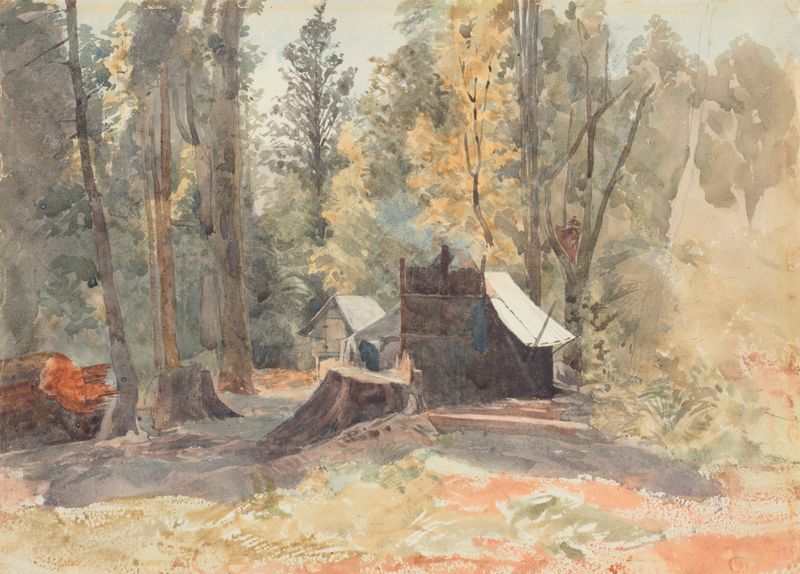
Hut of the ‘Italian party’, old diggings on Buller
James Crowe Richmond

Mosque at Tlemcen
James Crowe Richmond

Dividing Range, Riwaka and Takaka
James Crowe Richmond
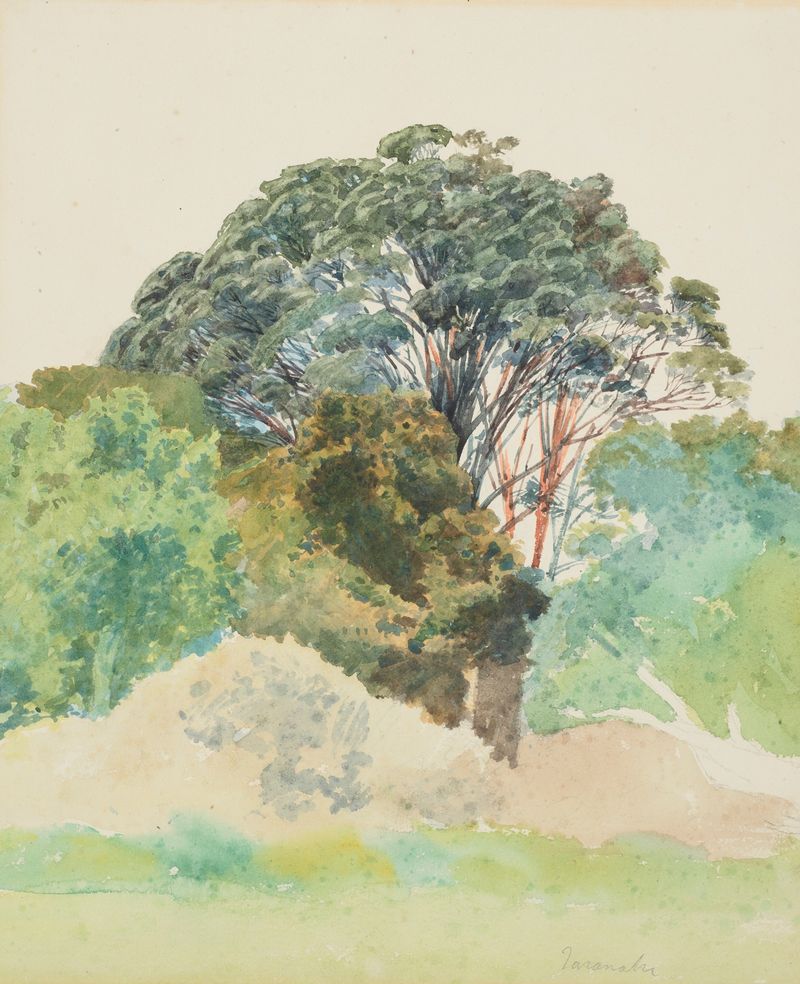
Rata, Taranaki
James Crowe Richmond

Grey River, on the beach
James Crowe Richmond
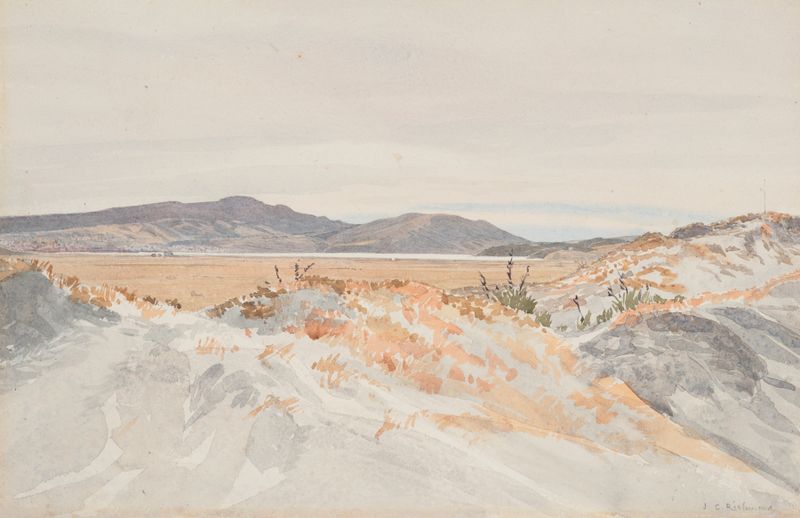
Dunedin from the Ocean Beach
James Crowe Richmond

On Collingwood Goldfields
James Crowe Richmond
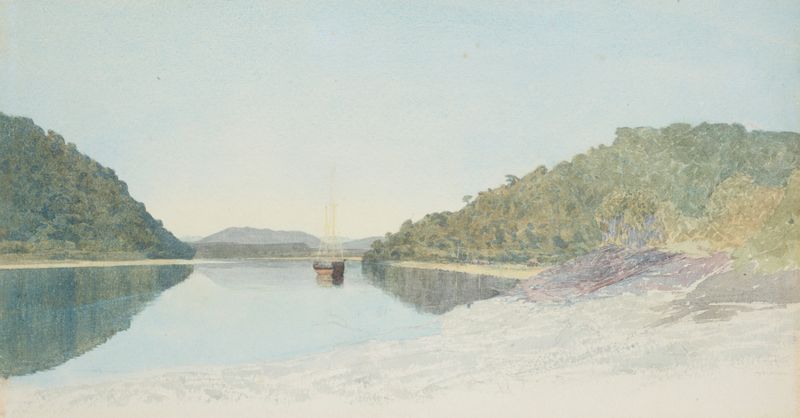
Site of Greymouth
James Crowe Richmond
More Historical Art
Browse all →
The Night Watch Militia Company of District II under the Command of Captain Frans Banninck Cocq
Rembrandt van Rijn

Lincoln Memorial
Henry Bacon

The Third of May 1808
Francisco de Goya

Isaac and Rebecca, Known as ‘The Jewish Bride’
Rembrandt van Rijn

The Charge of the Mamelukes (1814)
Francisco de Goya

De vier ruiters van de apocalyps
Albrecht Dürer