
Dutch Canal Scene with Rigged Sailing Vessels and Figures among the Terraced Townhouses of Holland — History & Facts
What draws the eye first is the crisp geometry of the Dutch townhouses, their red brick facades mirrored in the calm canal, while a single rigged vessel slices through the water beneath a sky so broad it nearly dwarfs the town itself. The painter, Abraham Storck, orchestrates a gentle bustle: figures gather at the quay, some deep in conversation, others poised mid-stride, their reflections caught in the water’s shifting surface. The tall mast and billowing sail of the central boat signal both the reach and rhythm of Dutch commerce, while the flags atop the rigging hint at civic pride or perhaps the identity of the shipping company.
Light pours in from the left, glancing off the water and gilding the facades, guiding the viewer’s gaze from the leafy banks to the architectural order of the town. Every detail — from the careful rendering of windows to the animated gestures of the townsfolk — seems chosen to celebrate the ordered prosperity of Holland’s Golden Age. Scenes like this, painted in 1660, belong to a tradition that flourished in the Dutch Republic, where artists such as Storck found eager patrons among the merchant class and city burghers. These works were not just decorative: they were records of civic pride, reminders of the peace and prosperity that canals and trade had brought to the region.
The genre thrived on specificity — each bridge, gable, and boat a recognizable feature to contemporary viewers — yet also offered a kind of idealized order, a vision of society in harmonious motion. Though history has kept few traces of this particular painting beyond its presence in Art UK’s collection, its careful composition and sunlit palette invite us to linger, to imagine ourselves among the figures on the quay, and to see the world as the Dutch saw it at the height of their maritime age.
More Artworks by Abraham Storck

The Muscovite legation visiting Amsterdam, 29 August 1697
Abraham Storck
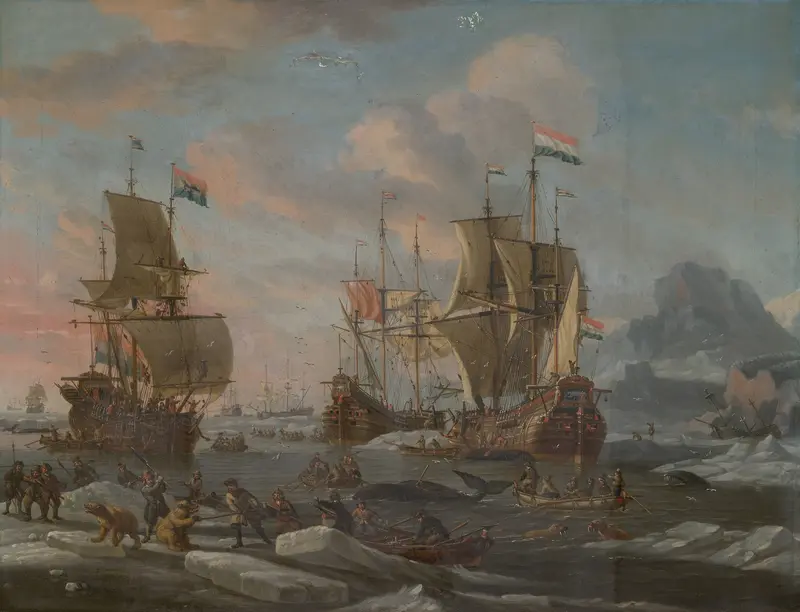
The Dutch Whaling Fleet
Abraham Storck
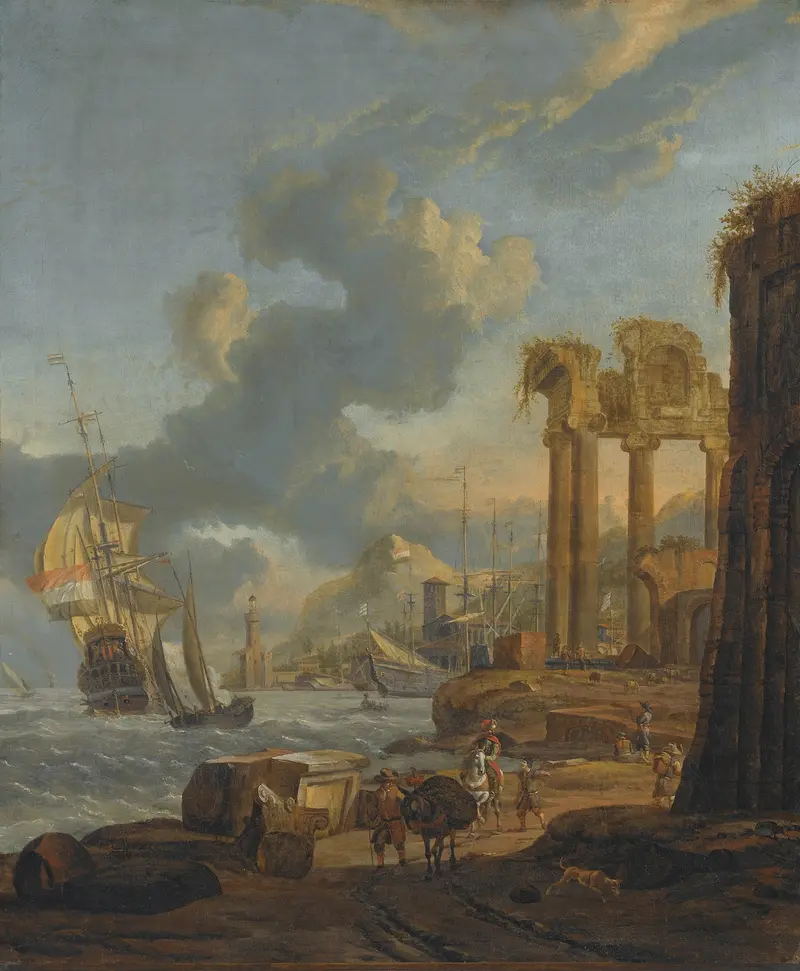
A Mediterranean Harbour Scene With Travellers On The Shore, A Dutch Man-Of-War On The Left
Abraham Storck
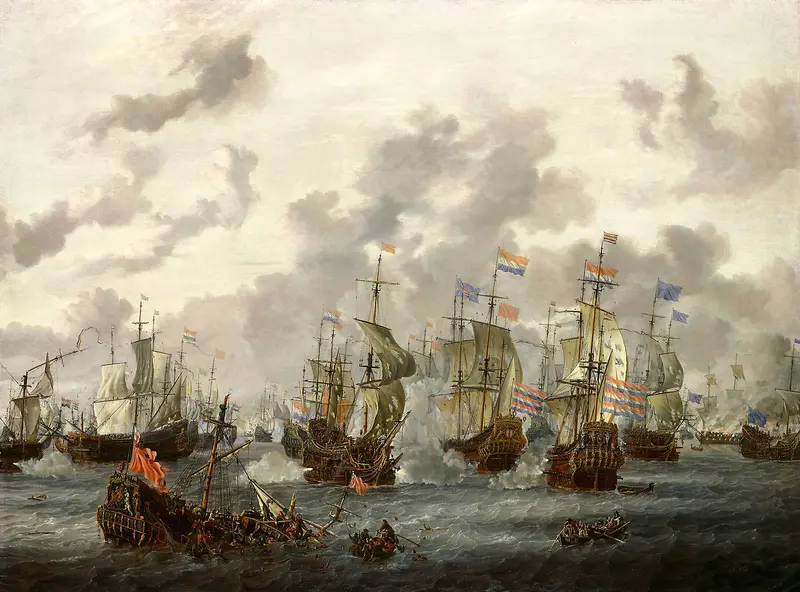
The Four Days’ Battle
Abraham Storck
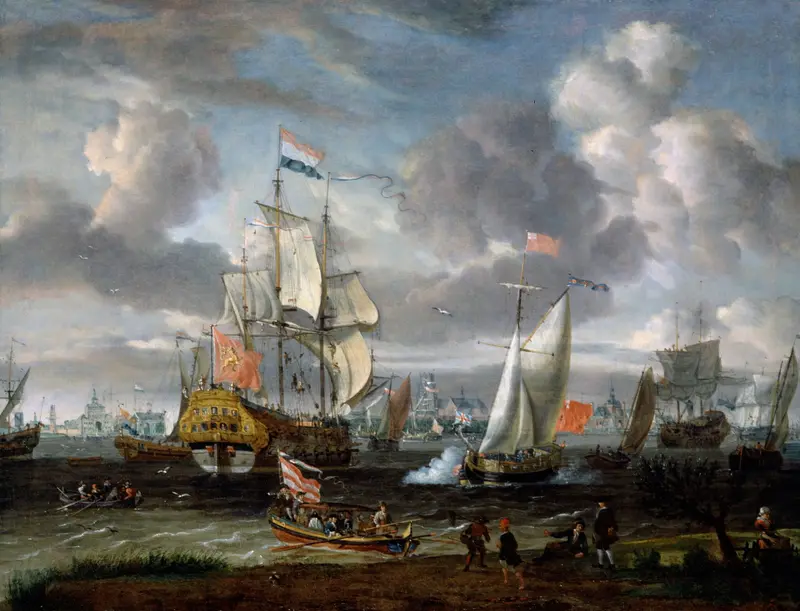
An English Yacht saluting a Dutch Man-of-War in the port of Rotterdam
Abraham Storck
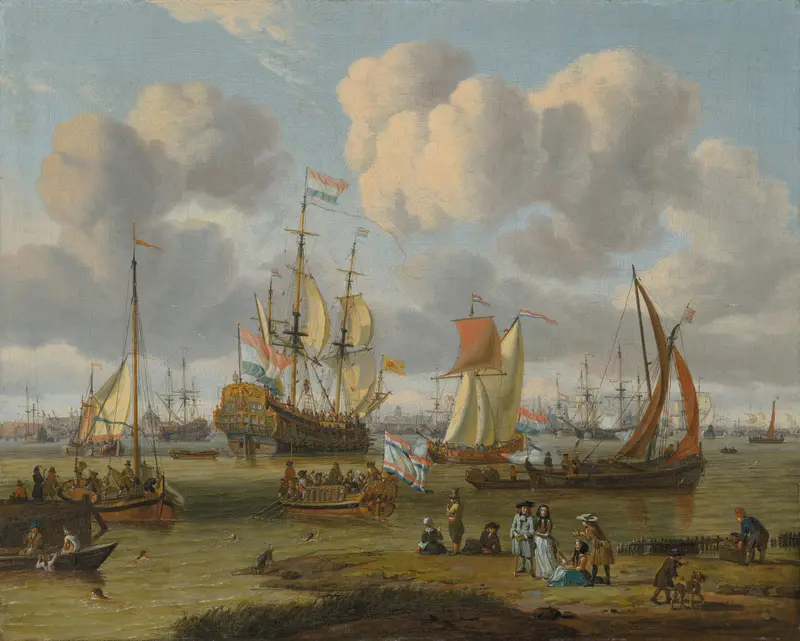
Shipping off Amsterdam with figures on a quay
Abraham Storck
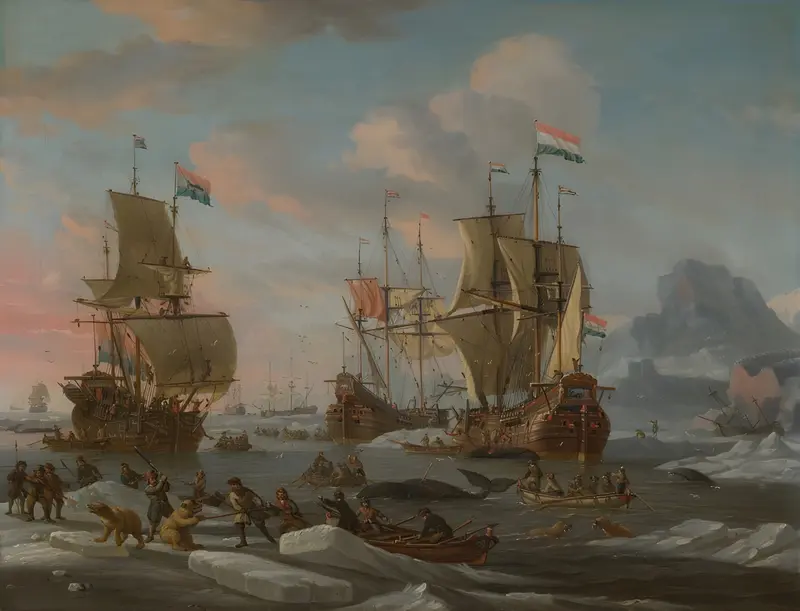
The Dutch Whaling Fleet
Abraham Storck
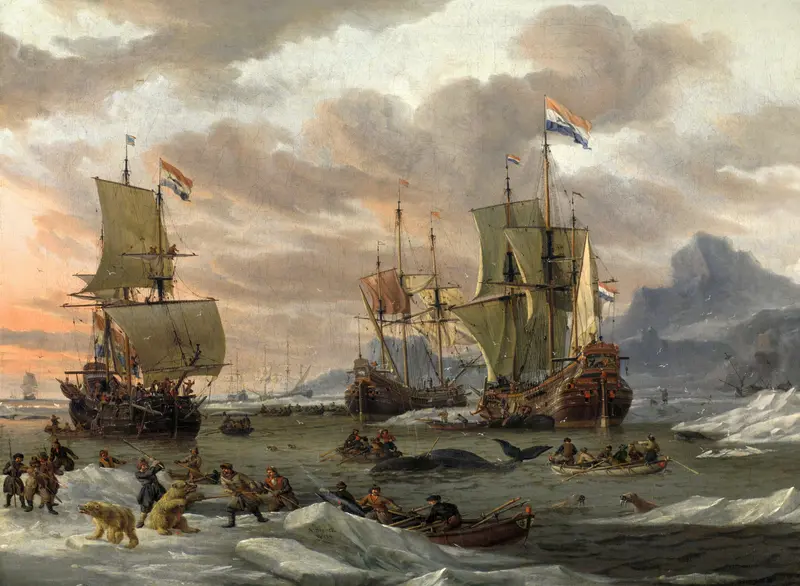
Whaling Grounds in the Arctic Ocean
Abraham Storck
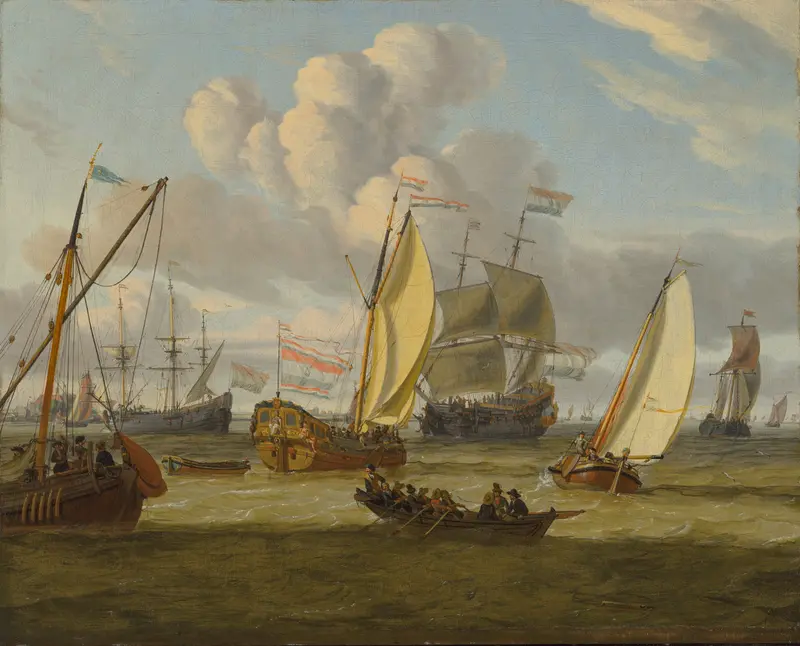
Shipping in an estuary
Abraham Storck
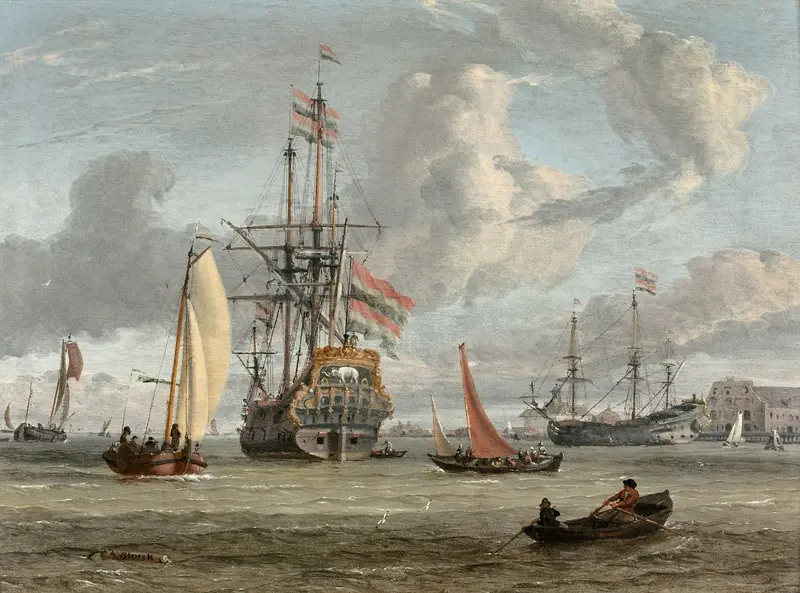
Grand navire de la couronne du Danemark près d’un littoral
Abraham Storck
More Landscape Art

The Starry Night
Vincent van Gogh

View of Delft
Johannes Vermeer

Water Lilies
Claude Monet

The Grand Canal, Venice, looking north-west from the Ca' Corner to the Ca' Contarini degli Scrigni, with the campanile of Santa Maria della Carità
Canaletto

Windsor Castle
Canaletto

The Grand Canal looking North-East from the Palazzo Dolfin-Manin to the Rialto Bridge
Canaletto