
Dutch Ships in a Rough Sea — History & Facts
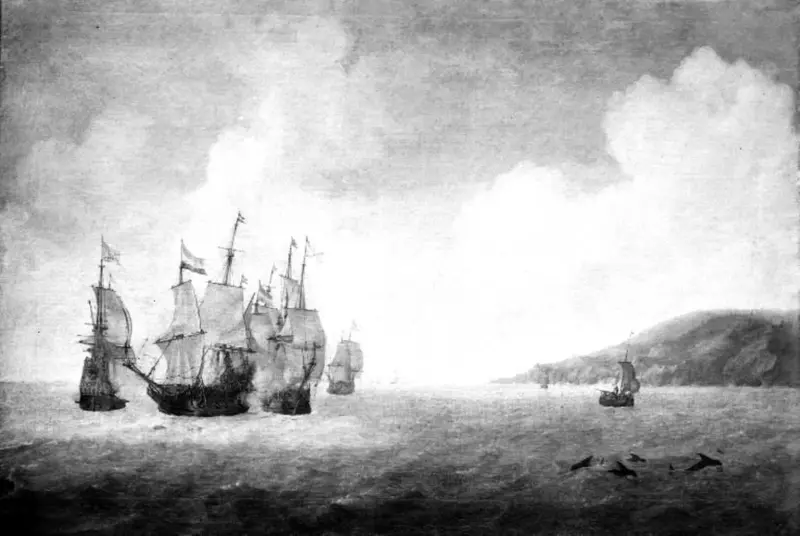
What grips the viewer first in Dutch Ships in a Rough Sea is the sense of motion—ships heaving and tilting as if caught mid-breath by the rolling waves. The largest vessel, its sails half-furled and its Dutch tricolor snapping at the mast, rides a crest that seems ready to tip it into the trough below. The painter, Abraham de Verwer, uses the low horizon to thrust the sky into prominence, while the sea’s green-black swells dominate the lower half, their foam rendered with brisk, almost calligraphic strokes.
Each ship’s angled mast and taut rigging signal the struggle against the wind, while the scattered formation hints at the unpredictability of the open water. The palette—muted greens, browns, and the pale yellow of the sky—sets a mood of wary endurance rather than triumph. Painted in 1625, this work belongs to a moment when Dutch maritime power was reshaping the world, and scenes like this were both a celebration and a warning. Marine paintings were prized by merchants and shipowners, eager to display their connection to the sea’s fortunes and perils.
The flags and ship types are not just decoration but emblems of national pride and the era’s commercial ambitions. While history has kept few traces of this specific canvas beyond its presence in the Art UK collection, its very survival connects us to a time when the North Sea was both a highway and a hazard. Look again at the restless water and the ships pressing on: here is the daily gamble of a seafaring nation, caught forever in paint.
More Artworks by Abraham de Verwer

An Amsterdam East Indiaman
Abraham de Verwer
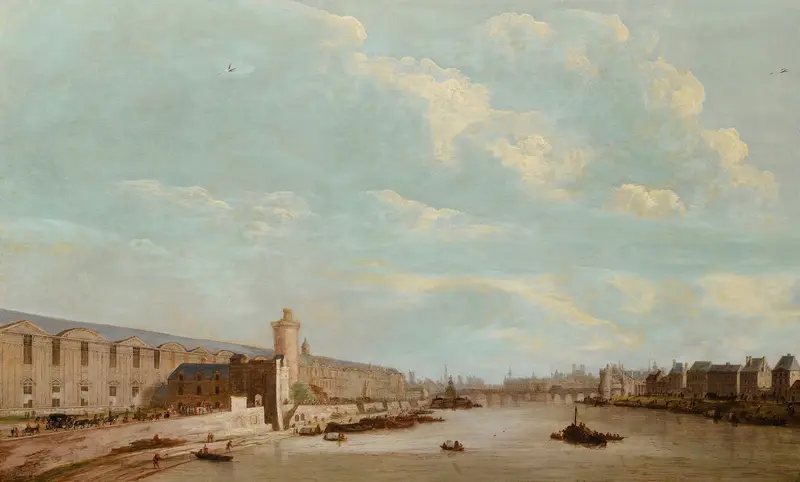
View of Paris from the Pont-royal with the Grande galerie du Louvre, the Pont-Neuf and the Nesle tower
Abraham de Verwer
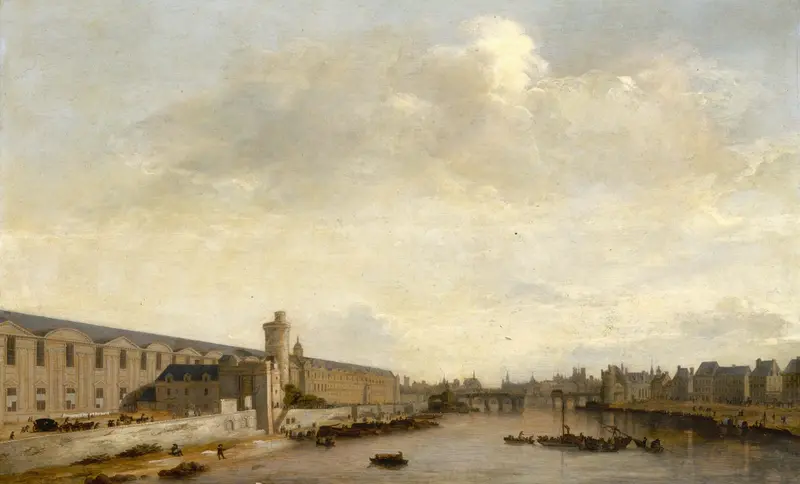
La Grande Galerie du Louvre, avec la porte Neuve et la tour de Bois
Abraham de Verwer
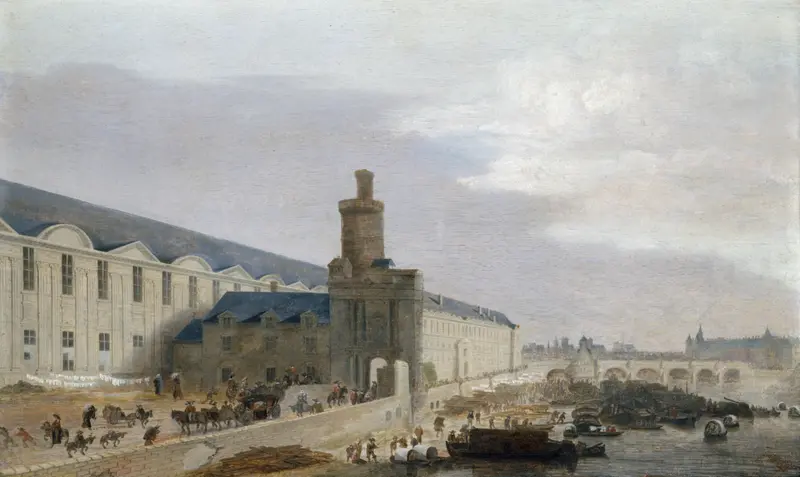
La Grande Galerie du Louvre avec la porte Neuve et la tour de Bois
Abraham de Verwer
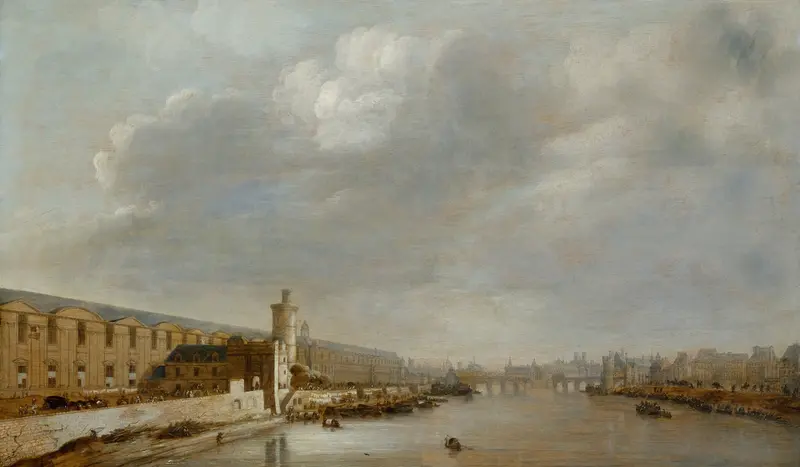
La Grande Galerie du Louvre avec la porte Neuve et la tour de Bois
Abraham de Verwer
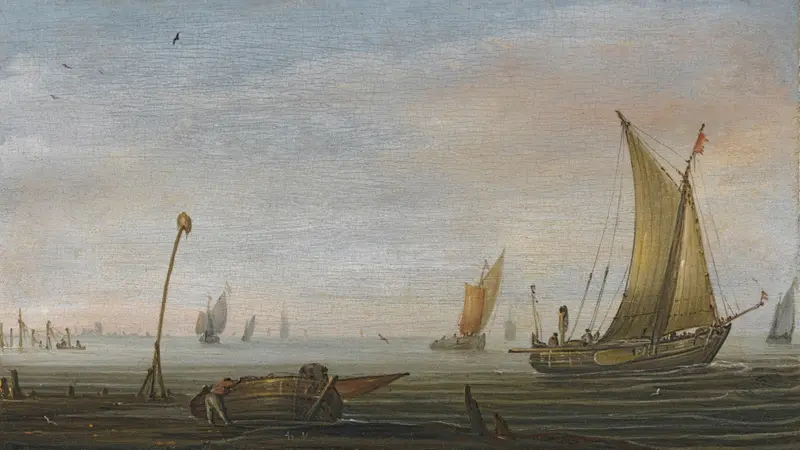
Small Vessels On The Zuider Zee
Abraham de Verwer
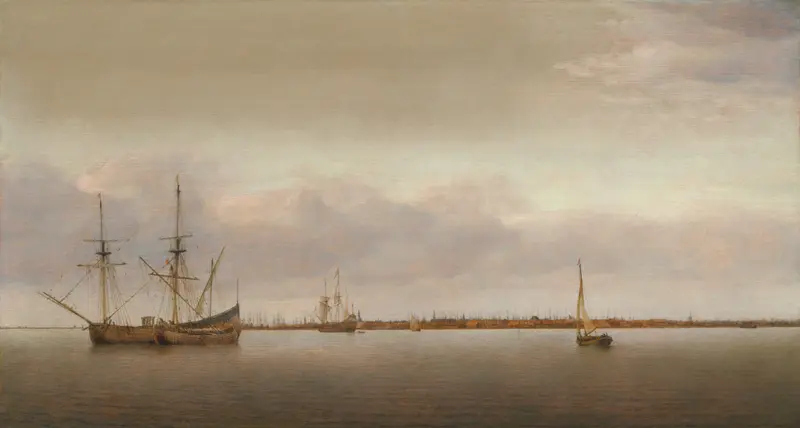
View of Hoorn
Abraham de Verwer
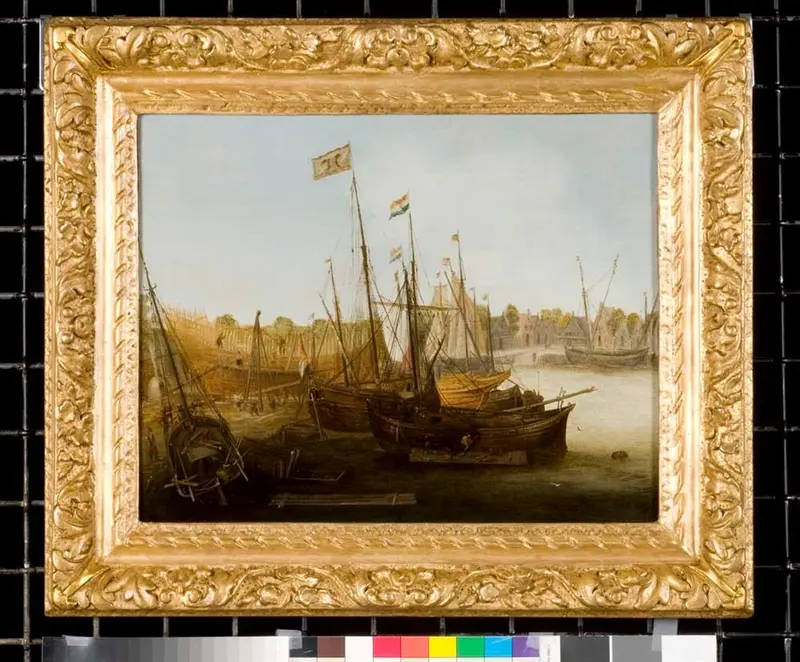
A shipyard with vessels being built
Abraham de Verwer
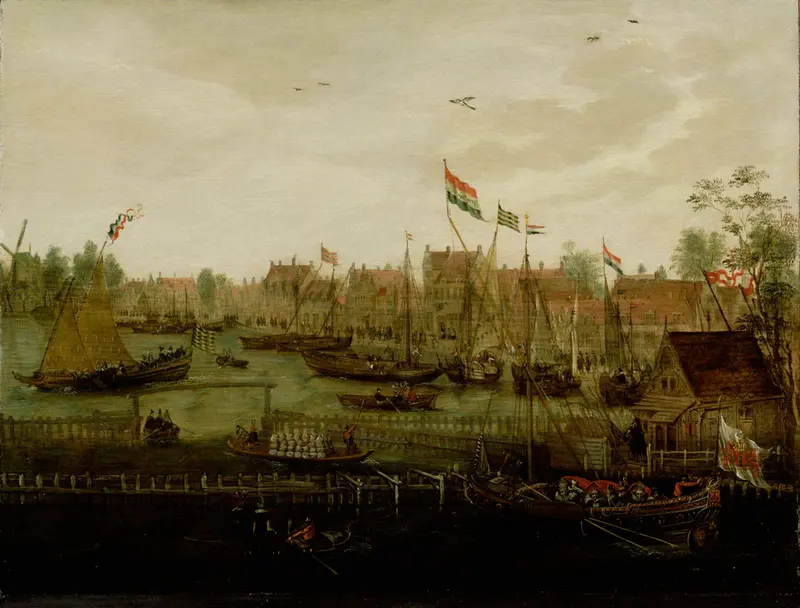
Gezicht vanaf de Blauwbrug over de Amstel-Schepen op de Amstel-View across the river Amstel from the Blauw Bridge
Abraham de Verwer
Naval Battle between Dutch and Spanish Ships of the Line
Abraham de Verwer





