
Dwarf in Narrow Street — History & Facts
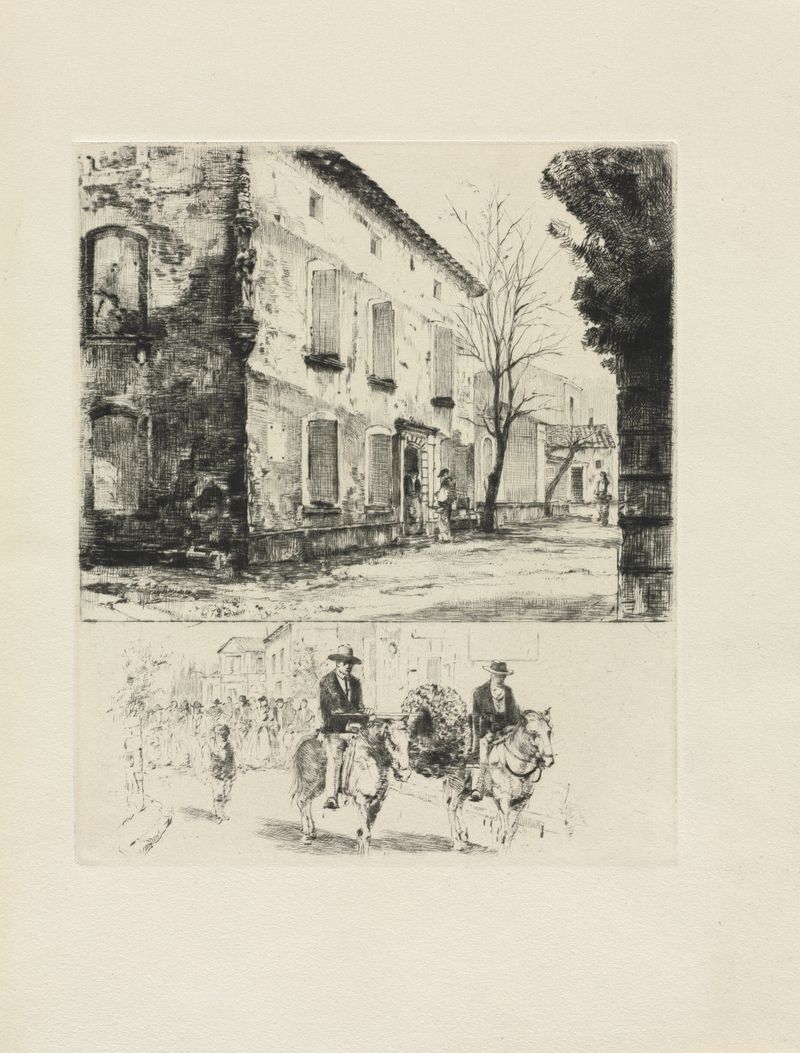
In a world where much is lost to the relentless march of years, art offers a chance to immortalize the fleeting moments of existence, especially those tinged with melancholy. Focus your gaze on the figure at the center, a small man navigating a constricted alleyway, flanked by towering buildings that seem to loom over him. Notice how the muted palette of grays and browns envelops this narrow street, creating an atmosphere both oppressive and intimate. The way light filters through the high windows adds a sense of fragility, illuminating the contours of his weary face as he moves through shadows, embodying a quiet struggle against the weight of his surroundings. Delve deeper into the contrasts presented here: the dwarf, a figure often marginalized in society, juxtaposed against the imposing architecture that symbolizes isolation.
Each brushstroke reveals the emotional tension between the individual and the environment, suggesting a broader commentary on human existence. The empty space around him speaks volumes, encapsulating a universal sense of longing and vulnerability, as if the walls themselves are witnesses to his quiet journey. During the early 20th century, while Brouet painted this work, he lived in France, a time marked by social upheaval and artistic movements searching for identity amidst change. The influence of modernism was shaping the art world, encouraging artists to explore personal subjects and societal issues.
Brouet’s focus on the solitary figure highlights the complexities of the human experience, capturing a poignant moment in the continuum of life.
More Artworks by Auguste Brouet
Browse all →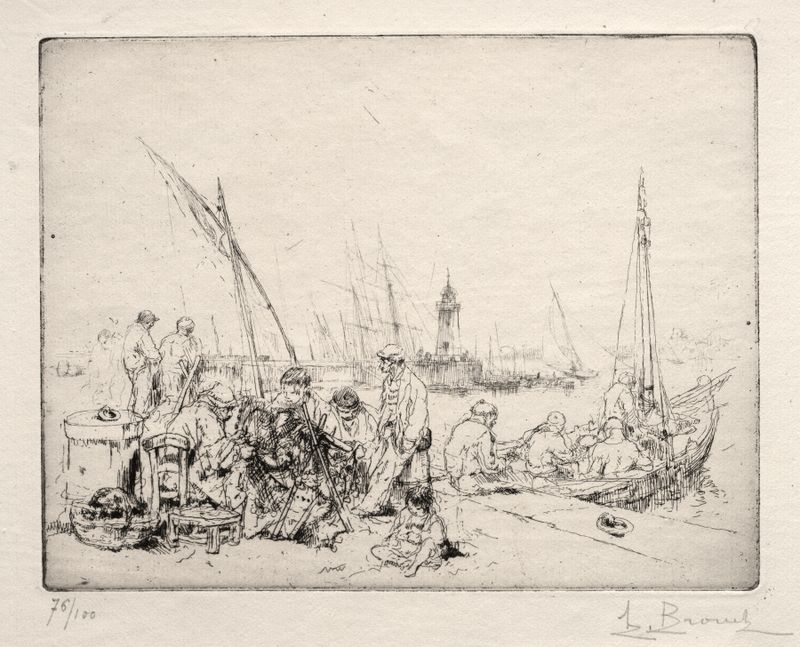
The Net Menders
Auguste Brouet
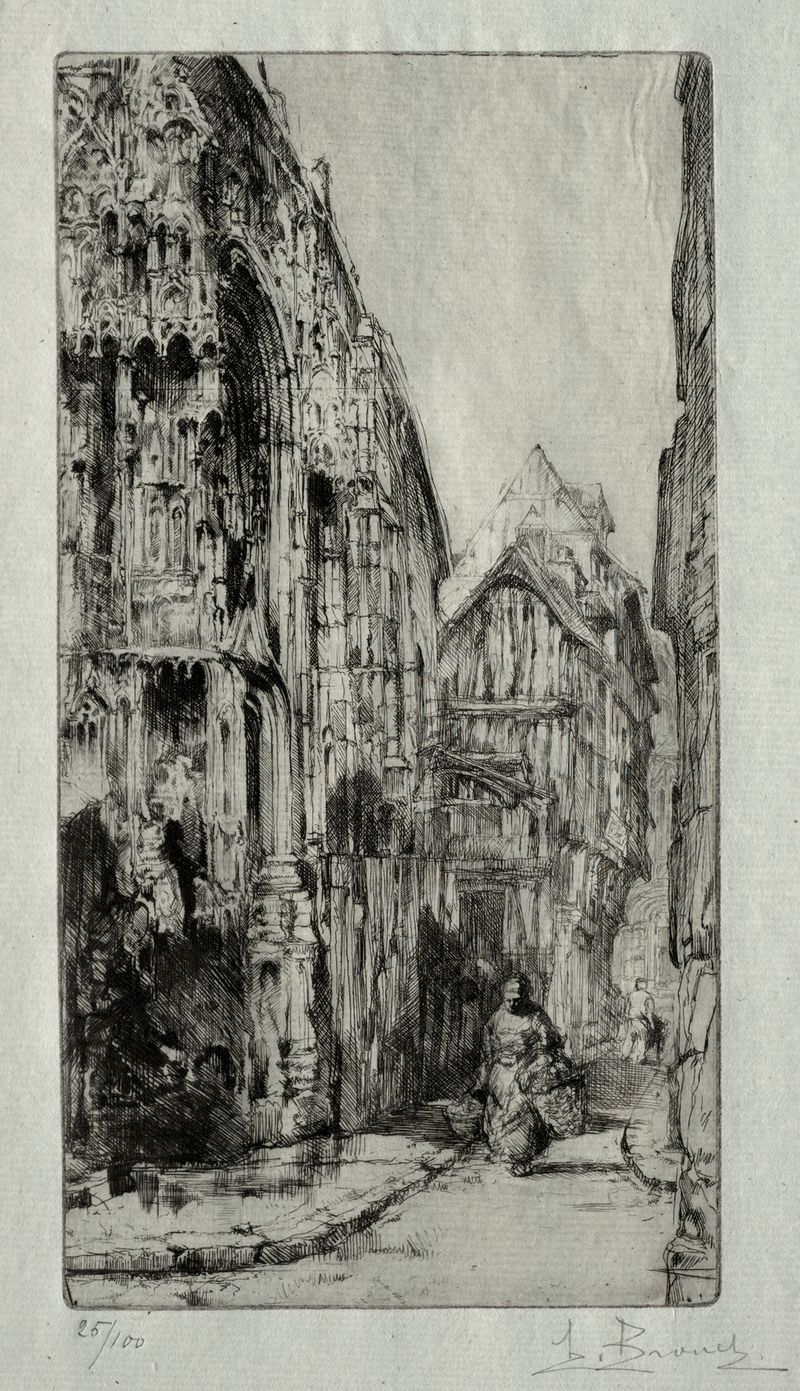
Saint-Etienne des Tonneliers a Rouen
Auguste Brouet
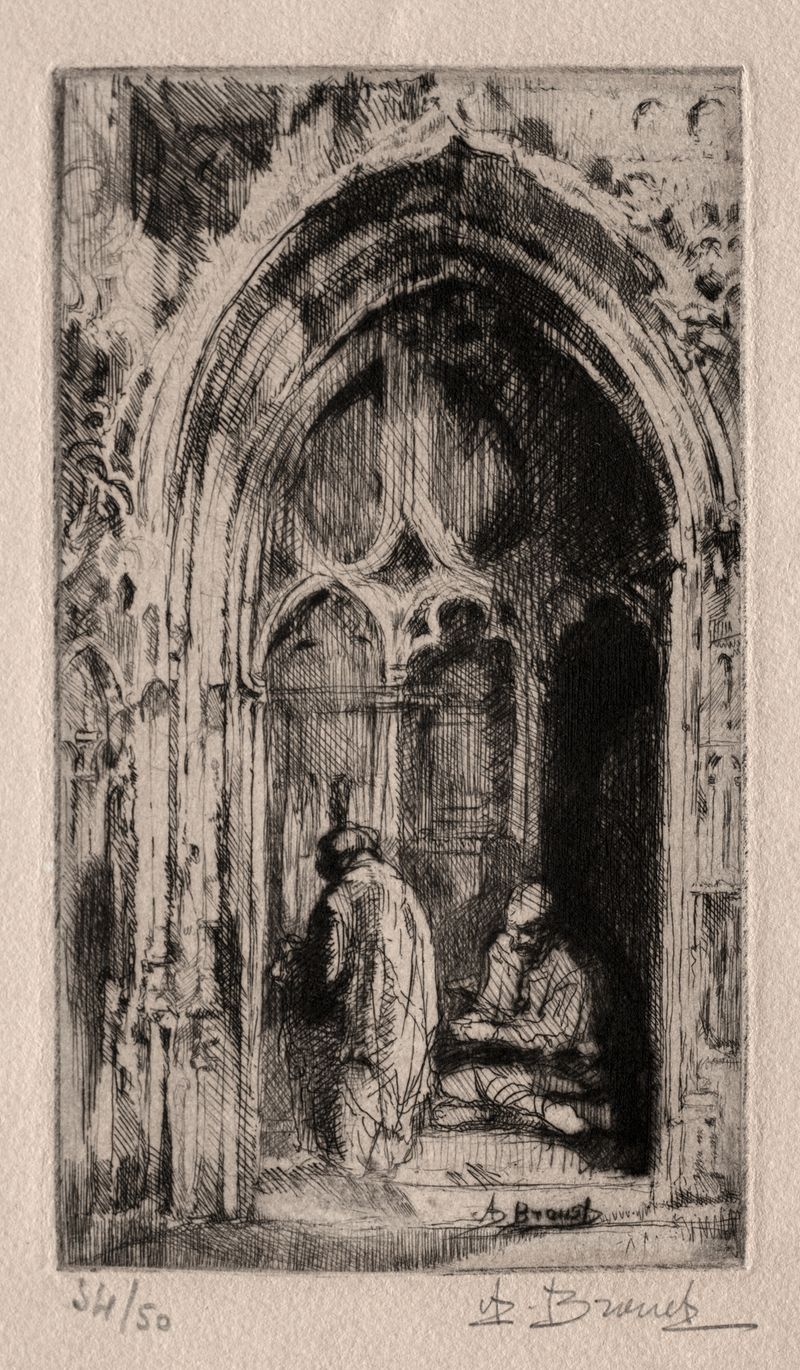
Gothic Doorway
Auguste Brouet
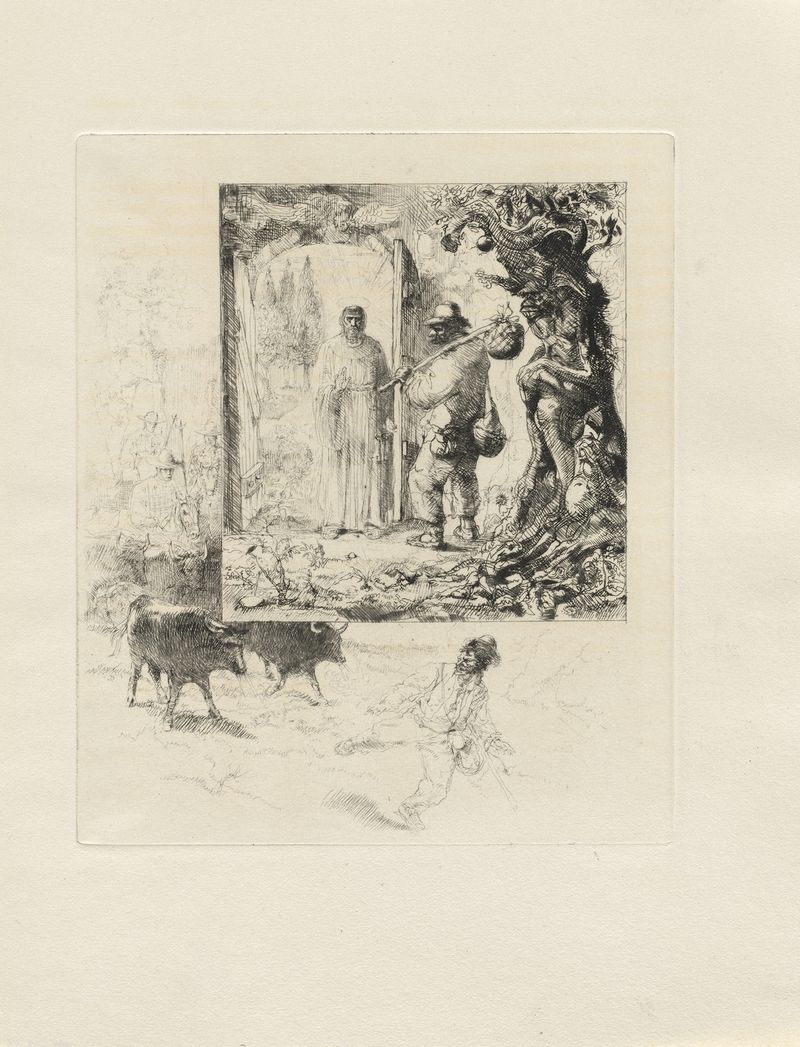
Frédéric Mistral; Mémoires et Recits Pl.08
Auguste Brouet

The Halt at the Village
Auguste Brouet

The Footbridge
Auguste Brouet

Frédéric Mistral; Mémoires et Recits Pl.13
Auguste Brouet

Frédéric Mistral; Mémoires et Recits Pl.12
Auguste Brouet

Frédéric Mistral; Mémoires et Recits Pl.03
Auguste Brouet
Frédéric Mistral; Mémoires et Recits Pl.14
Auguste Brouet





