
Earl Talbot’s Hound, Thomasine — History & Facts
No one knows exactly when John Linnell painted Earl Talbot’s Hound, Thomasine, but it stands as a rare glimpse into the personal world of aristocratic animal portraiture in early nineteenth-century Britain. The painting’s subject, Thomasine, belonged to Charles Chetwynd-Talbot, 2nd Earl Talbot, a prominent figure in English society and a noted patron of the arts. The Earl’s affection for his hound was such that commissioning a portrait was not merely a gesture of pride, but a declaration of status and sentiment.
Linnell, better known for his landscapes and religious scenes, was here entrusted with capturing not a human likeness, but the character of a beloved animal. Thomasine is depicted at rest, her lithe body stretched across a richly textured rug, her gaze alert yet calm. Linnell’s brushwork lingers on the sheen of her coat and the delicate tension in her limbs, suggesting both athleticism and gentleness. The background is understated, drawing the viewer’s eye to the hound herself, whose collar bears the Talbot crest—a subtle reminder of her noble association.
Unlike George Stubbs, whose animal portraits often place their subjects in dramatic, open landscapes, Linnell opts for intimacy, inviting us to share a private moment between owner and companion. The soft play of light across Thomasine’s form hints at the affection with which she was regarded. The precise journey of Earl Talbot’s Hound, Thomasine through time is not fully documented. It likely remained in the Talbot family’s collection for many years, cherished as a token of loyalty and memory.
Today, its whereabouts are uncertain, and the painting is known chiefly through references in catalogues and the occasional exhibition. For John Linnell, this work represents a departure from his usual themes, offering a glimpse into the breadth of his talent and the intimate commissions that sustained many artists of his era. The painting endures as a testament to the bonds between people and their animals, and to a quieter side of British portraiture.
More Artworks by John Linnell

A View Near Hampstead
John Linnell
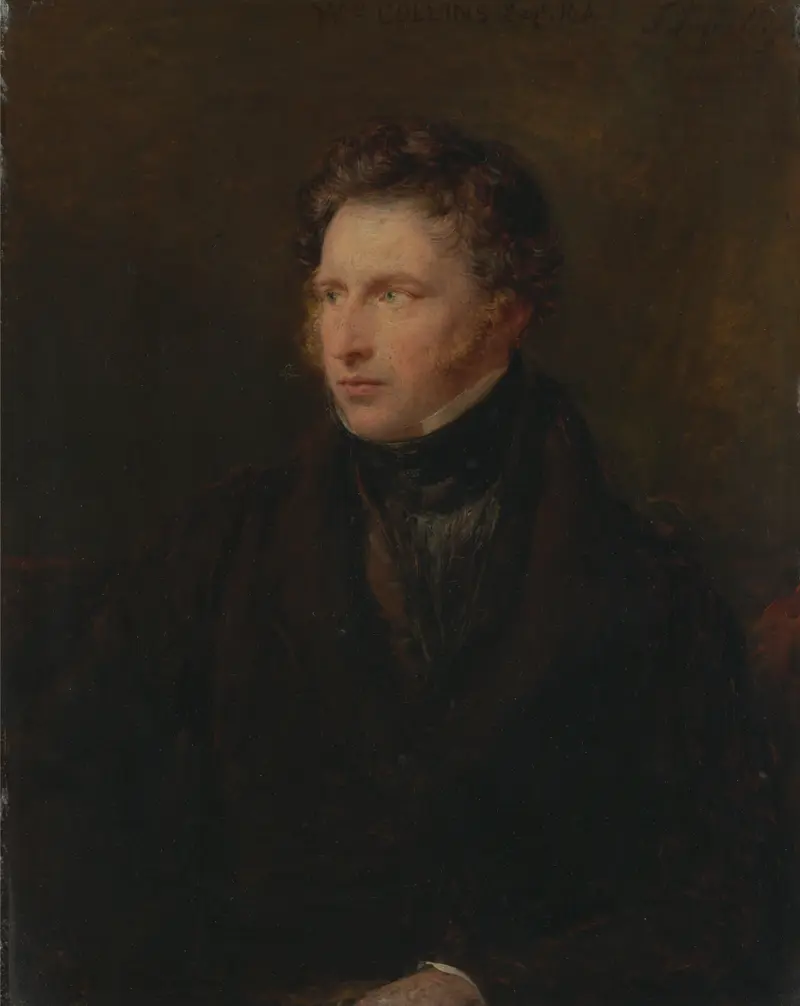
William Collins, R.A.
John Linnell
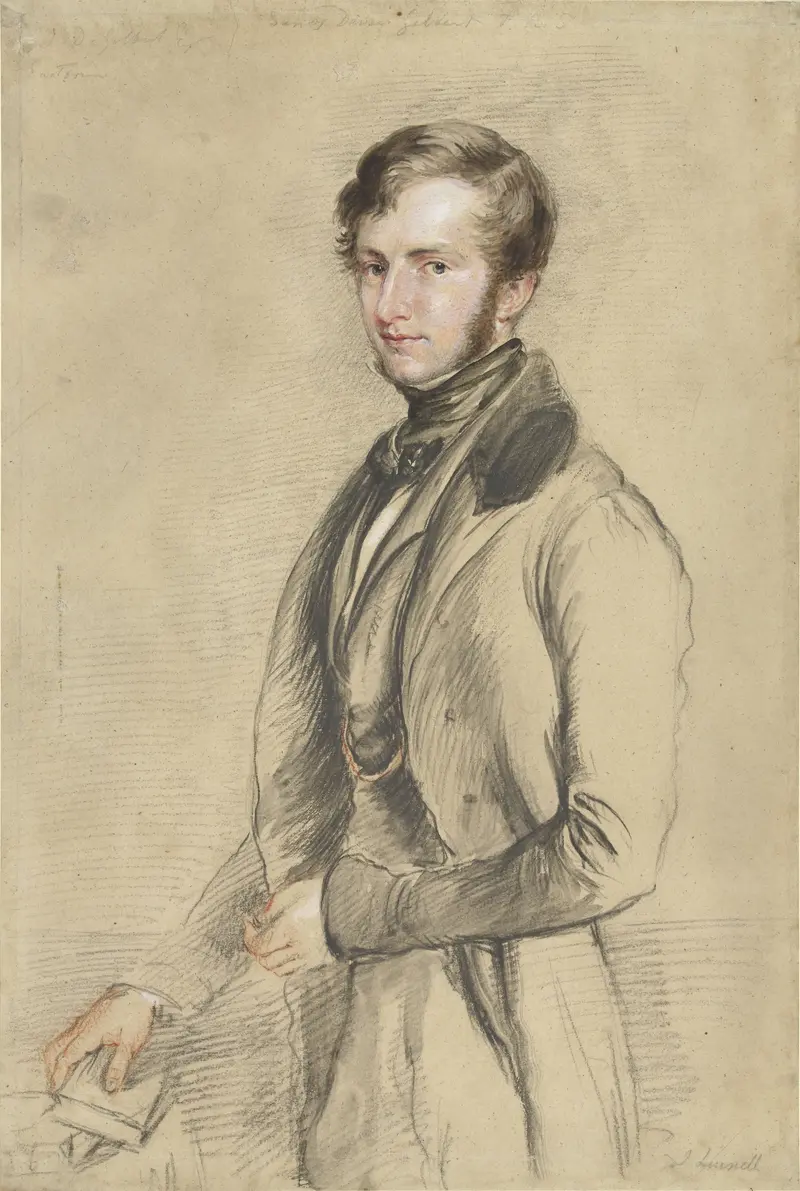
Portrait of John Davies Gilbert
John Linnell
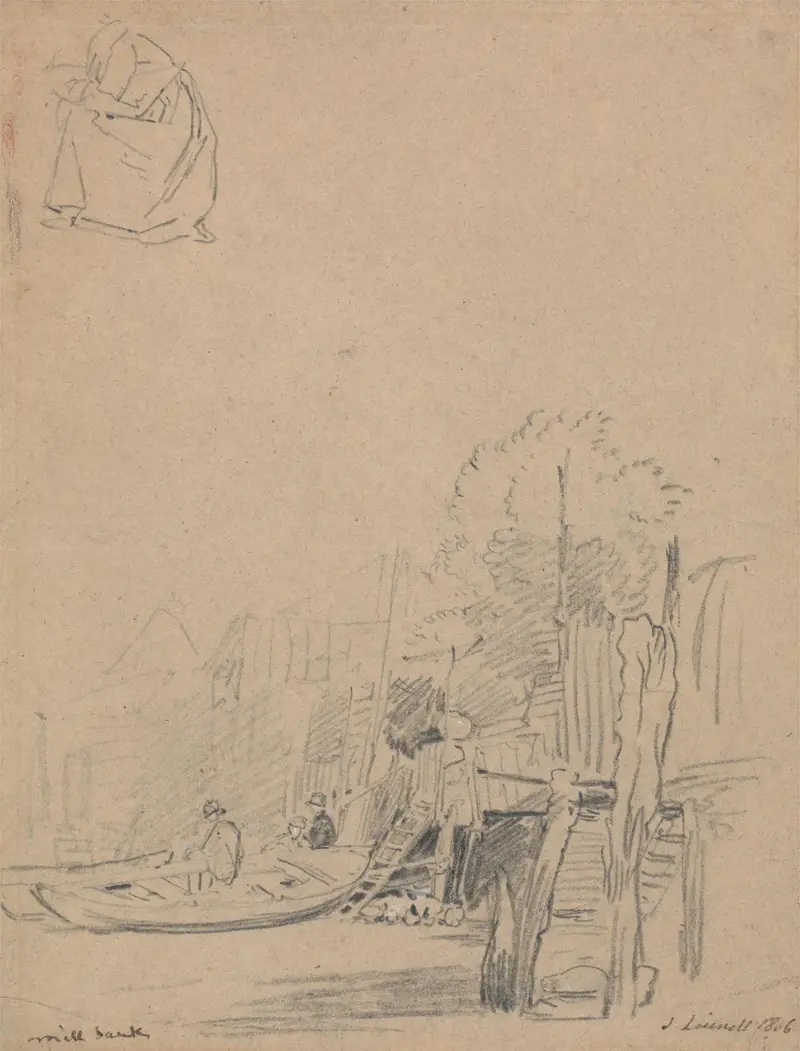
Millbank
John Linnell
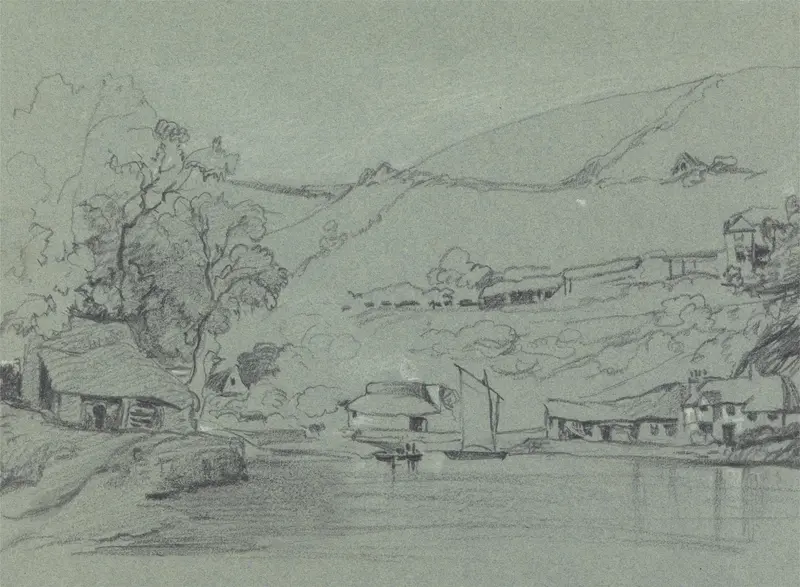
Scene in Kent
John Linnell
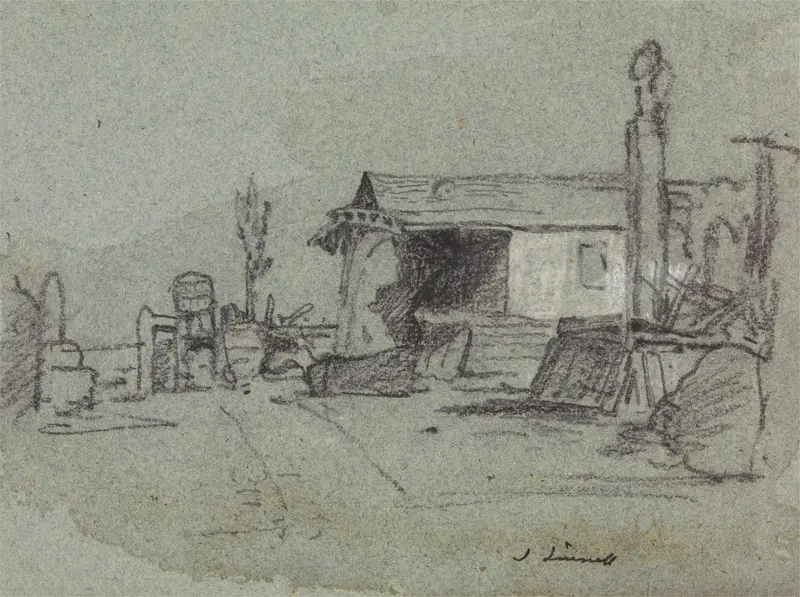
A Scene in the Edgware Road, London
John Linnell
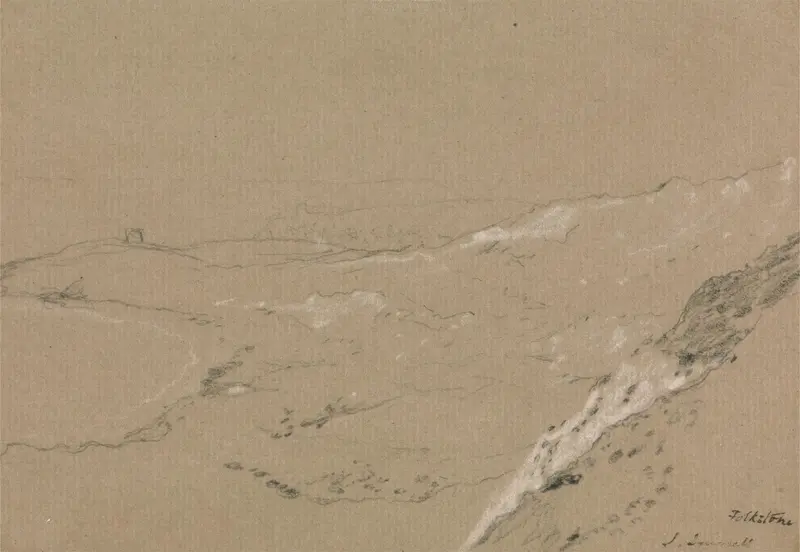
Folkestone
John Linnell
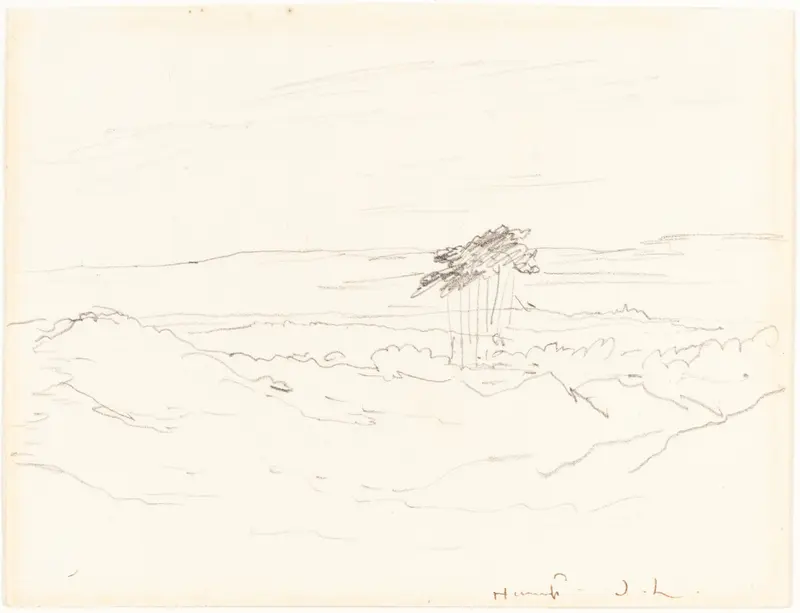
Hampstead Heath
John Linnell
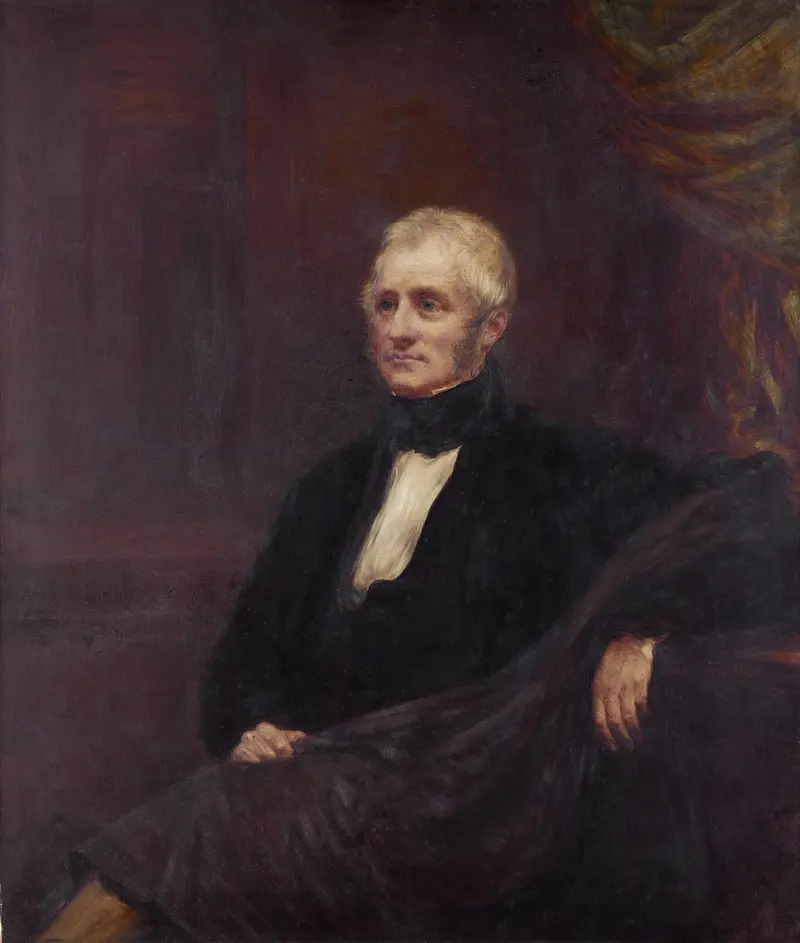
Henry Stephen Fox-Strangways, 3rd Earl Of Ilchester
John Linnell
View at Mr. Sheppard’s, The Ridge, Gloucestershire
John Linnell





