
Eastern Point Light — History & Facts
In the delicate interplay of light and shadow, art captures moments that transcend time, inviting us to explore the divine intricacies of nature. Look to the horizon where the sun breaks, casting a golden hue upon the water's surface. The lighthouse stands firm, its stoic silhouette juxtaposed against the vastness of the ocean, drawing your eye. Notice how the gentle strokes of blue and gray create a rhythmic dance of waves, while accents of white highlight the frothy edges.
Each brushstroke feels intentional, part of a deliberate composition that celebrates both the power and serenity of the seaside. Hidden within the tranquil scene are whispers of solitude and vigilance. The lighthouse, a sentinel against the encroaching darkness, symbolizes guidance and hope amidst uncertainty. The vast expanse of the sea reflects a duality — an invitation for introspection while evoking the wildness of nature.
This tension between calm and chaos resonates deeply, suggesting a divine watchfulness over humanity's journey. In the late 19th century, the artist found himself immersed in a transformative period for American art, often shifting his focus to the natural world. While we do not have a specific date for this piece, it likely reflects his continued exploration of coastal themes after moving to Maine. Winslow Homer was at the forefront of realism, capturing the raw beauty and emotional power of the landscape, marking a pivotal moment in his career and American artistic expression.
More Artworks by Winslow Homer
Browse all →
The Gulf Stream
Winslow Homer
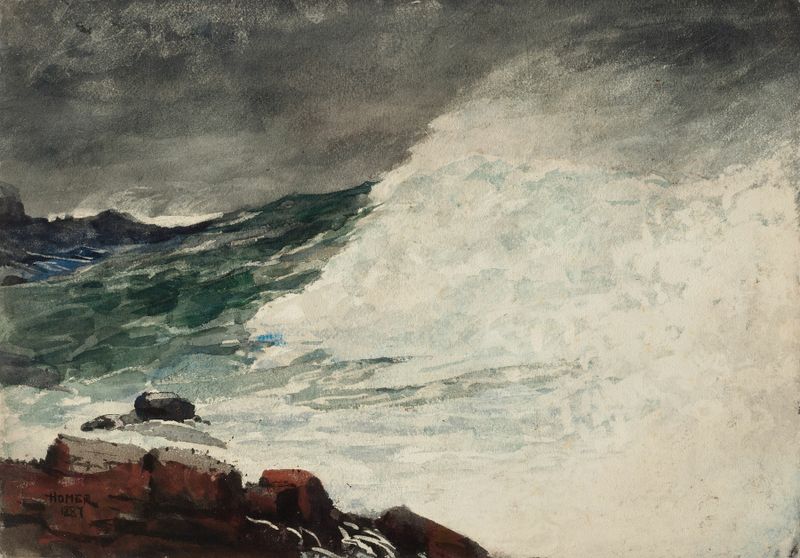
Prout’s Neck, Breaking Wave
Winslow Homer
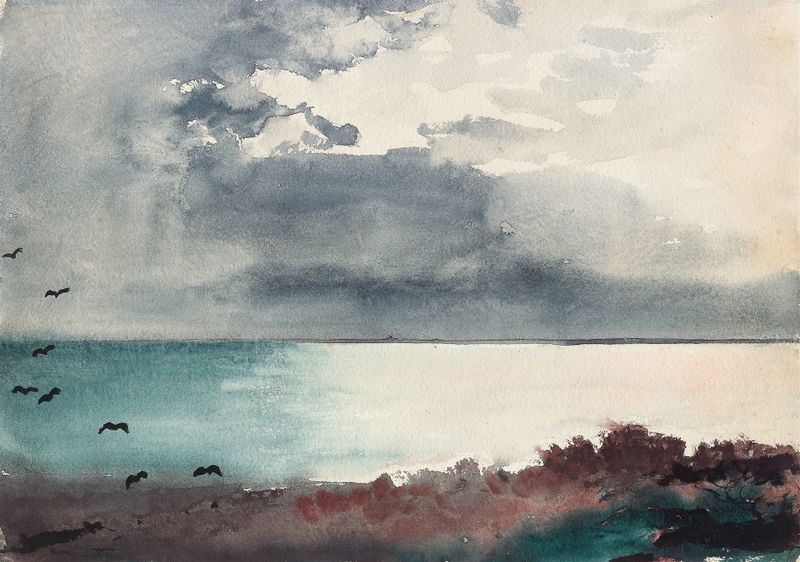
Breaking Storm, Coast of Maine
Winslow Homer
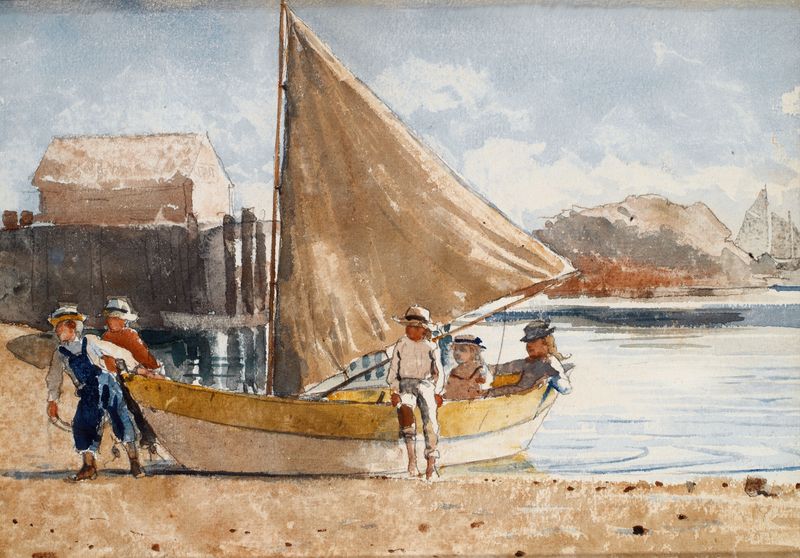
Summertime
Winslow Homer
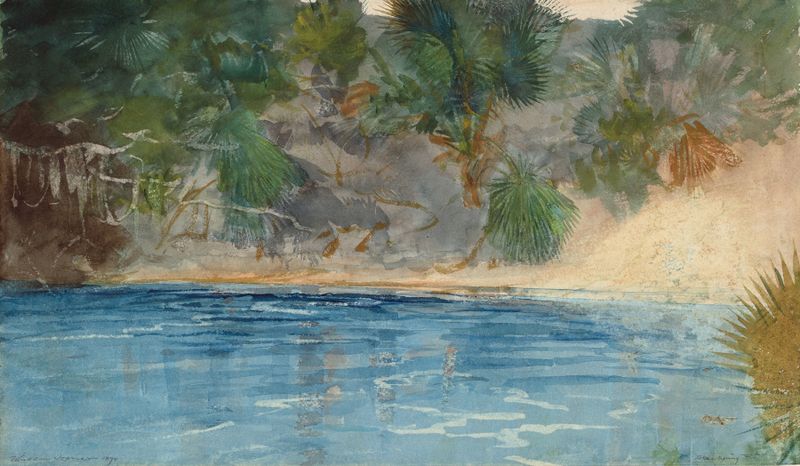
Blue Spring, Florida
Winslow Homer
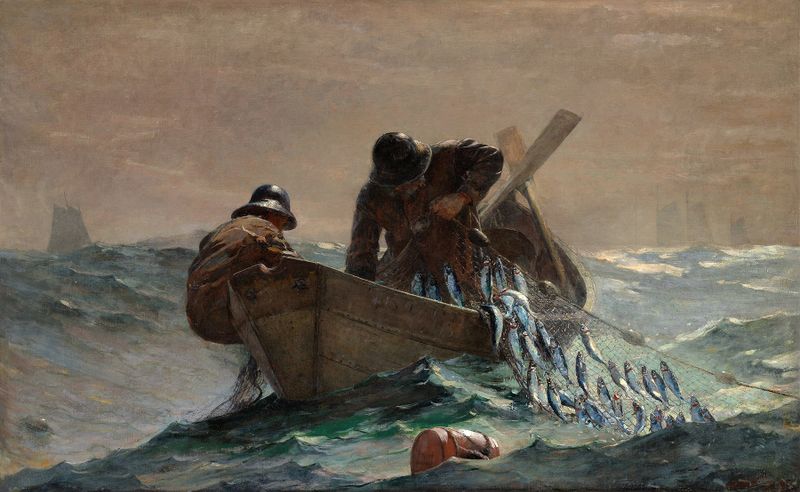
The Herring Net
Winslow Homer
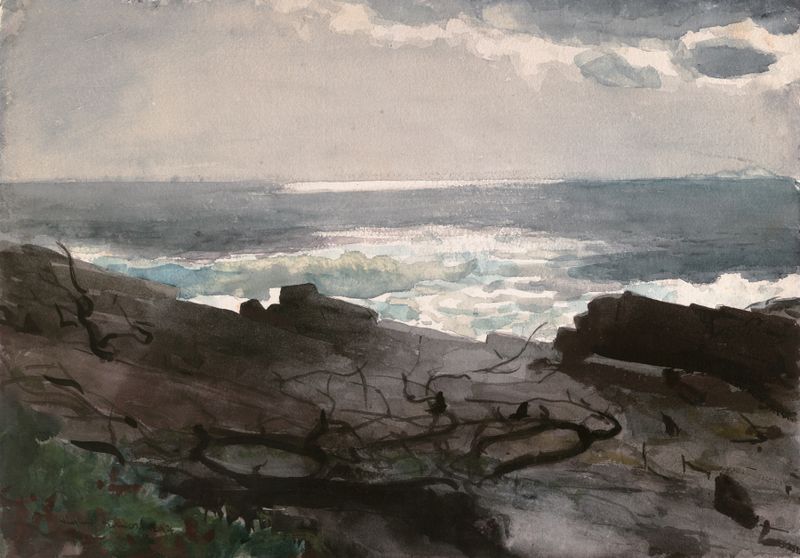
Sunshine and Shadow, Prout’s Neck
Winslow Homer
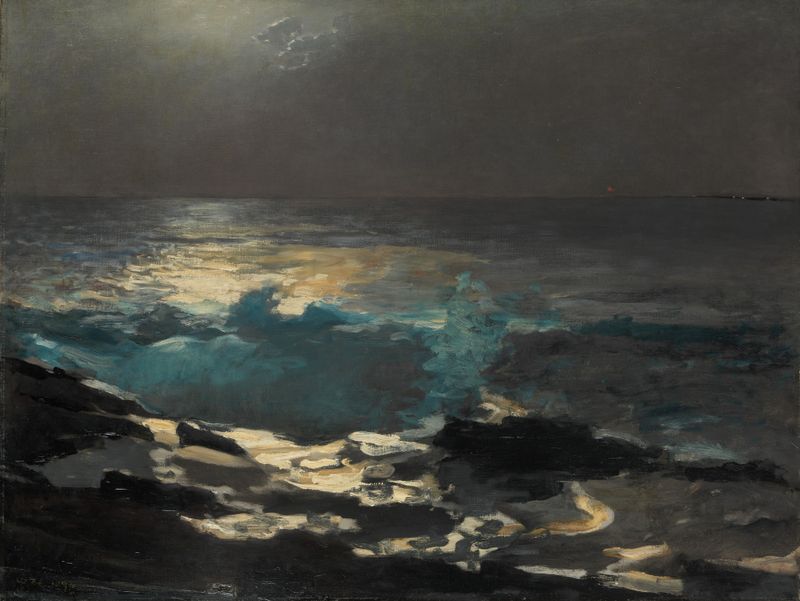
Moonlight, Wood Island Light
Winslow Homer
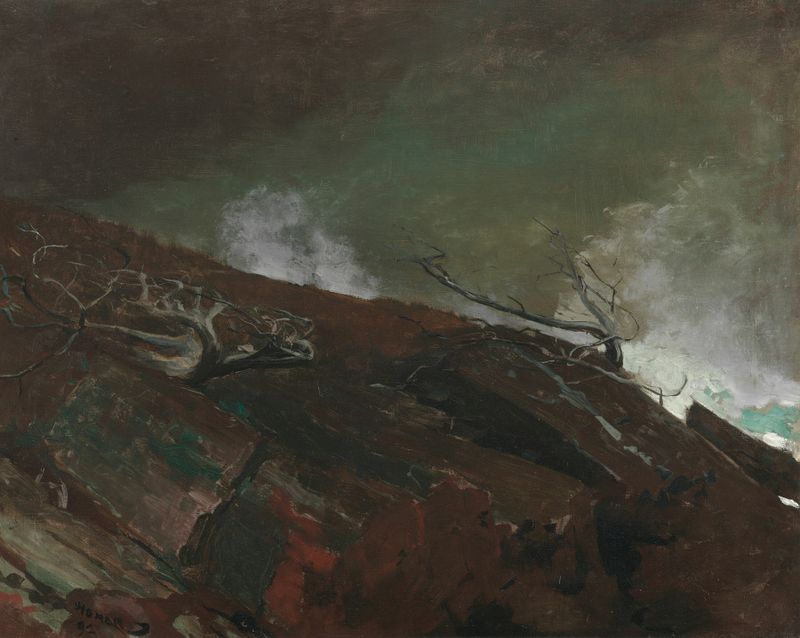
Coast of Maine
Winslow Homer
Bass Fishing – Florida
Winslow Homer




