
Echinidea (Sea Urchins) — History & Facts
What first catches the eye in Echinidea (Sea Urchins) by Ernst Haeckel is the sense of orchestration: each form radiates with a precision that feels both mathematical and exuberant. The central figure bursts outward in a star-like display, its spines and tendrils unfurling in all directions, while the surrounding specimens—circular, columnar, and petal-like—frame it like a gallery of natural wonders. Every surface is textured with astonishing detail: the plates and tubercles of the shells, the delicate filaments, the geometric regularity of the patterns.
The black background isolates each form, turning the sea urchins into luminous objects of study and wonder, as if suspended in deep space. This is not a simple catalog, but a celebration of structure and symmetry, inviting the viewer to marvel at the hidden architecture of life. Created in 1904 for the influential Kunstformen der Natur, this work belongs to a world where art and science were partners in discovery. Haeckel’s illustrations were not merely educational tools—they were part of a broader movement to reveal the beauty of the natural world through the lens of scientific observation.
At the turn of the twentieth century, such images helped bridge the gap between laboratory and living room, bringing the marvels of marine biology to a fascinated public. The precise naming of species, such as Cidaris tribuloides and Strongylocentrotus nudus, grounds the image in the rigor of taxonomy, while the composition and style elevate it into the realm of visual art. Few records remain of the individual histories of these plates, but their impact endures: return to the image, and let your eye wander through its labyrinth of forms, tracing the logic and invention of nature itself.
More Artworks by Ernst Haeckel
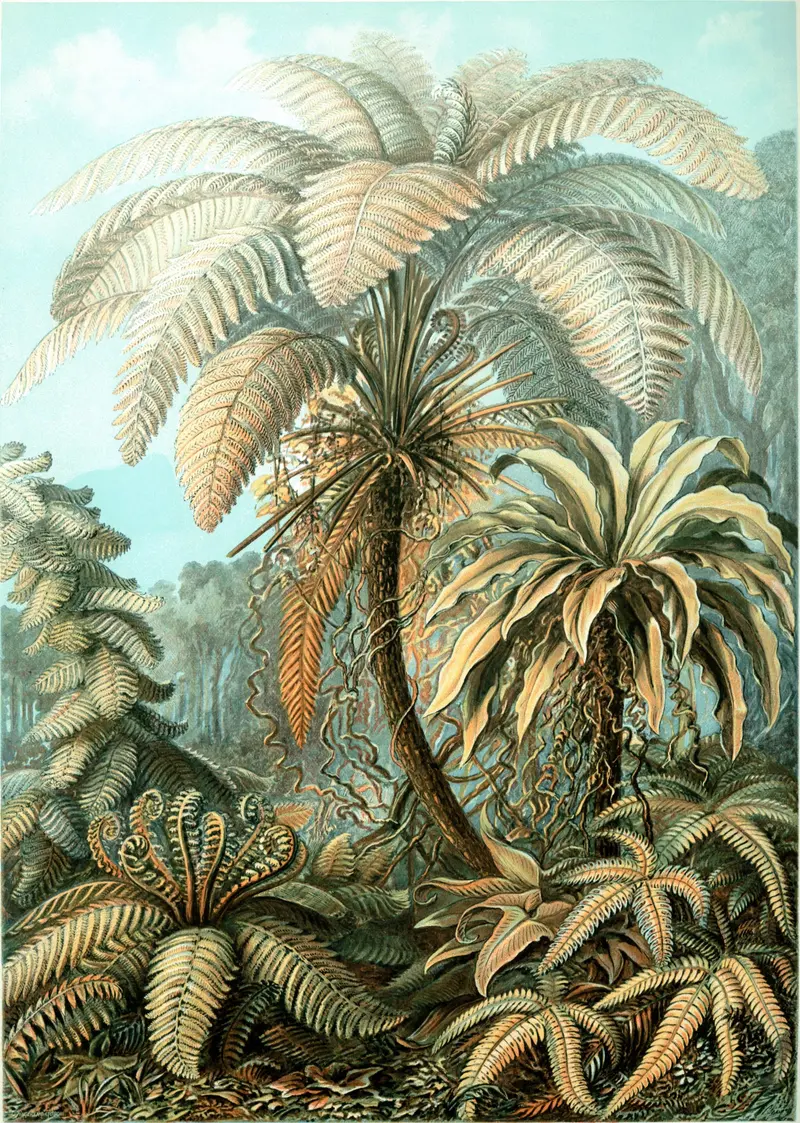
Filicinae (Ferns)
Ernst Haeckel
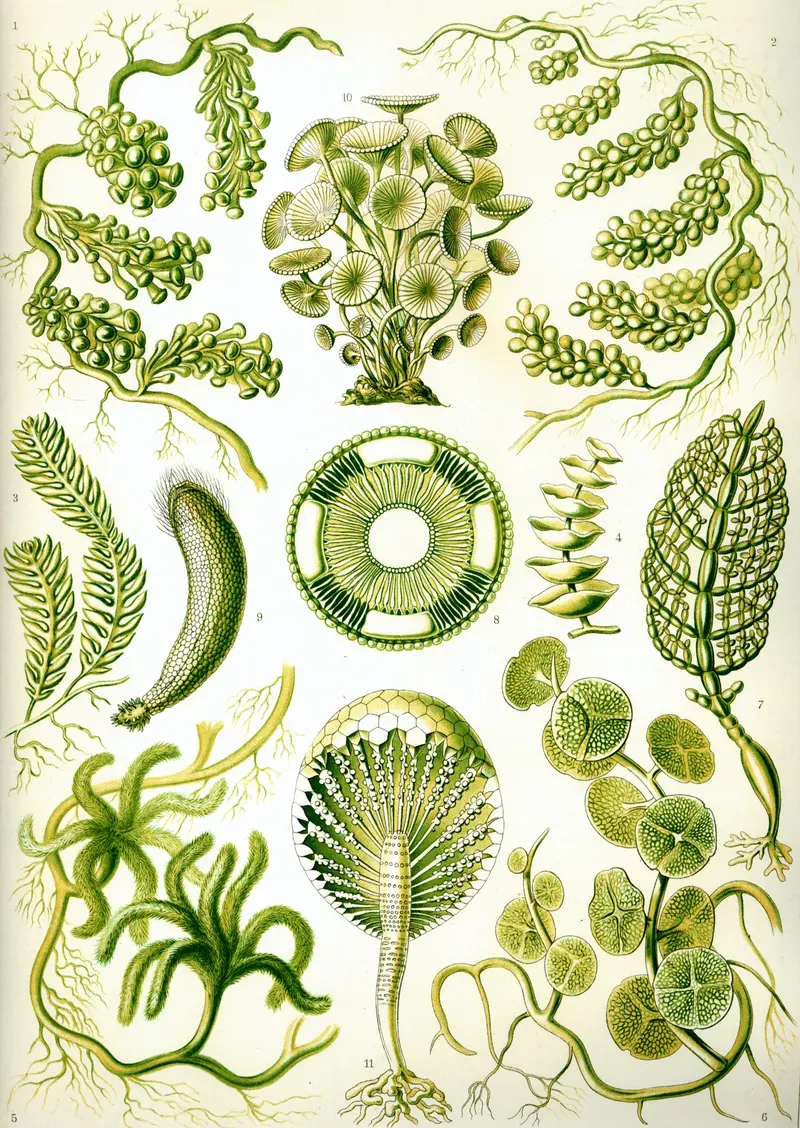
Siphoneae (Green Algae)
Ernst Haeckel

Cirripedia (Barnacles)
Ernst Haeckel

Actiniae (Sea Anemones)
Ernst Haeckel
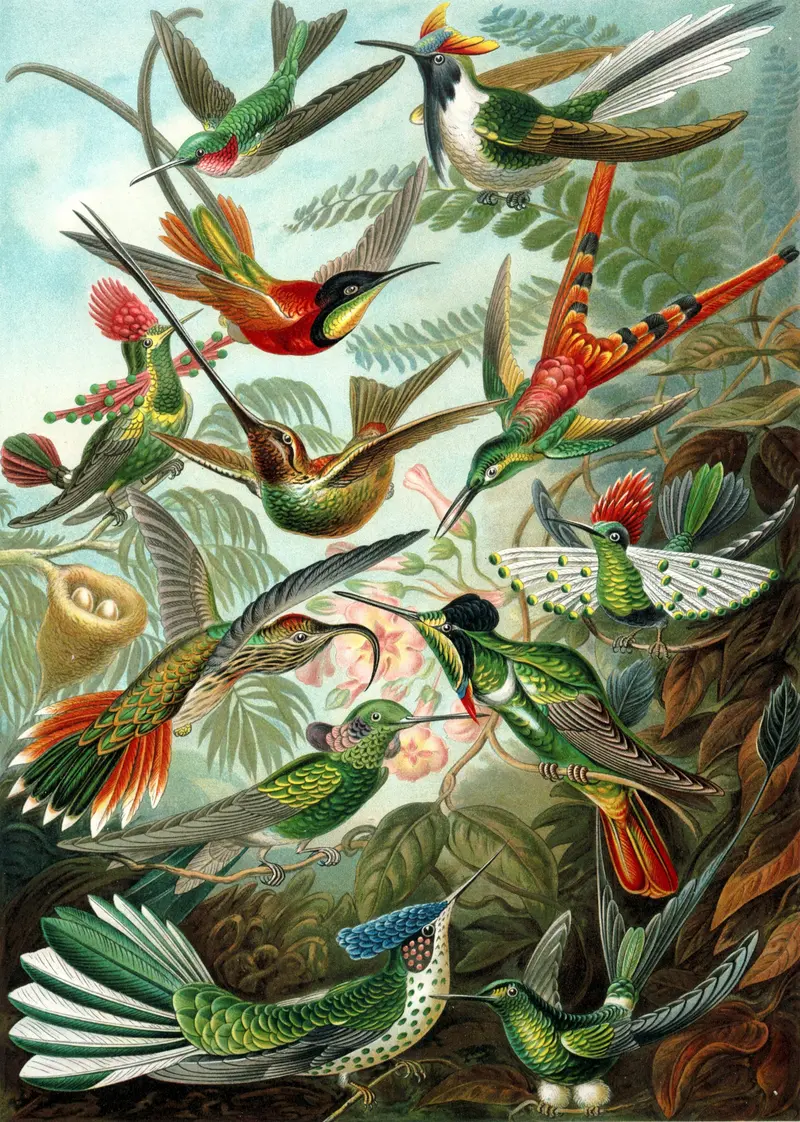
Trochilidae (Hummingbirds)
Ernst Haeckel
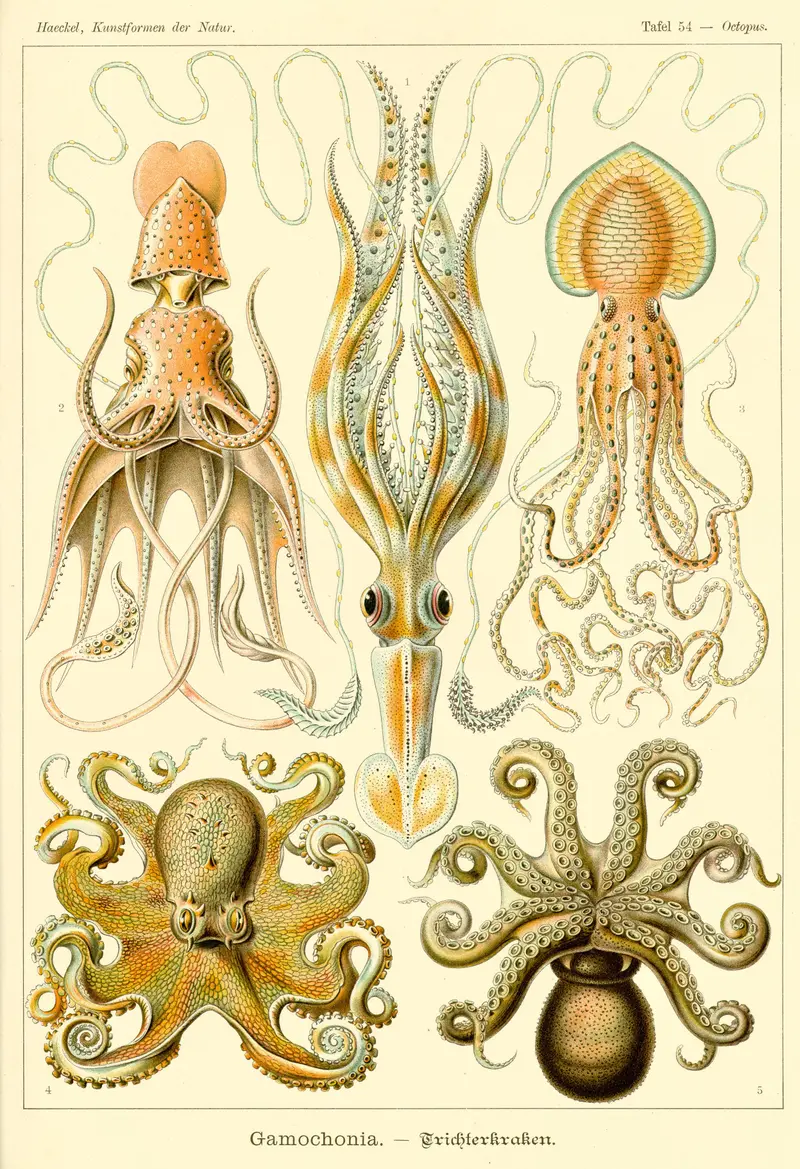
Gamochonia (Cephalopods)
Ernst Haeckel
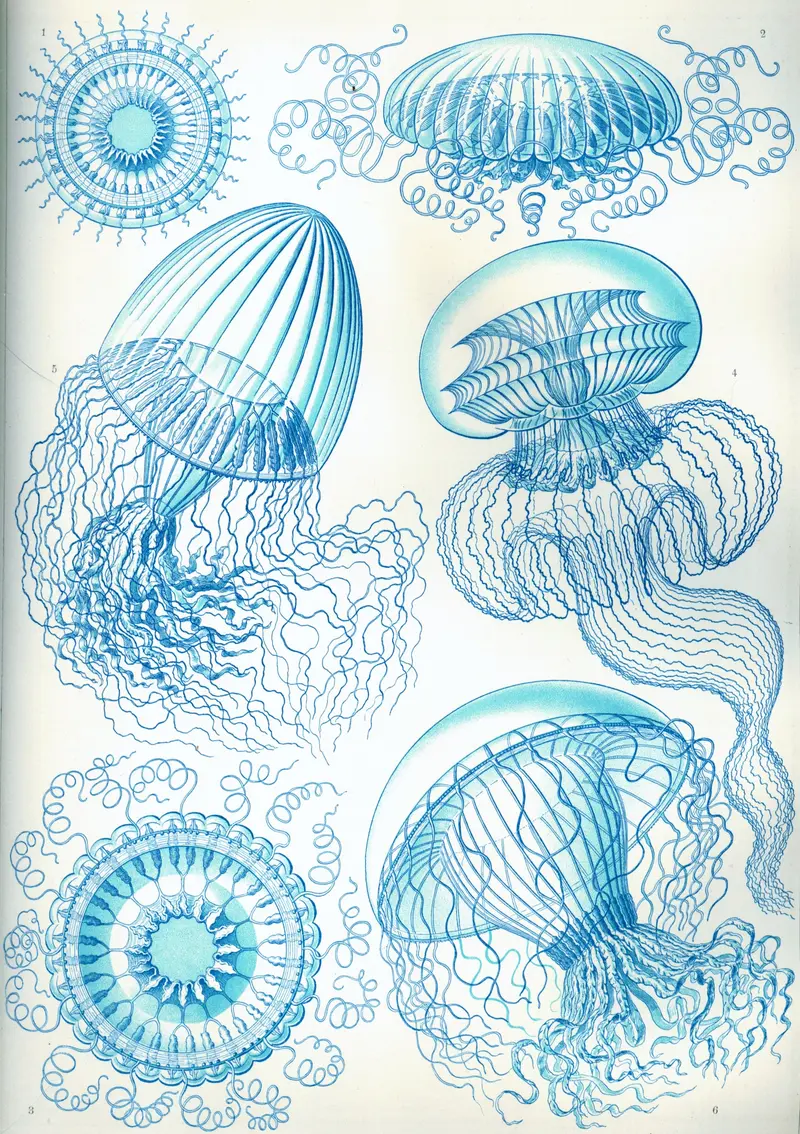
Leptomedusae (Jellyfish)
Ernst Haeckel
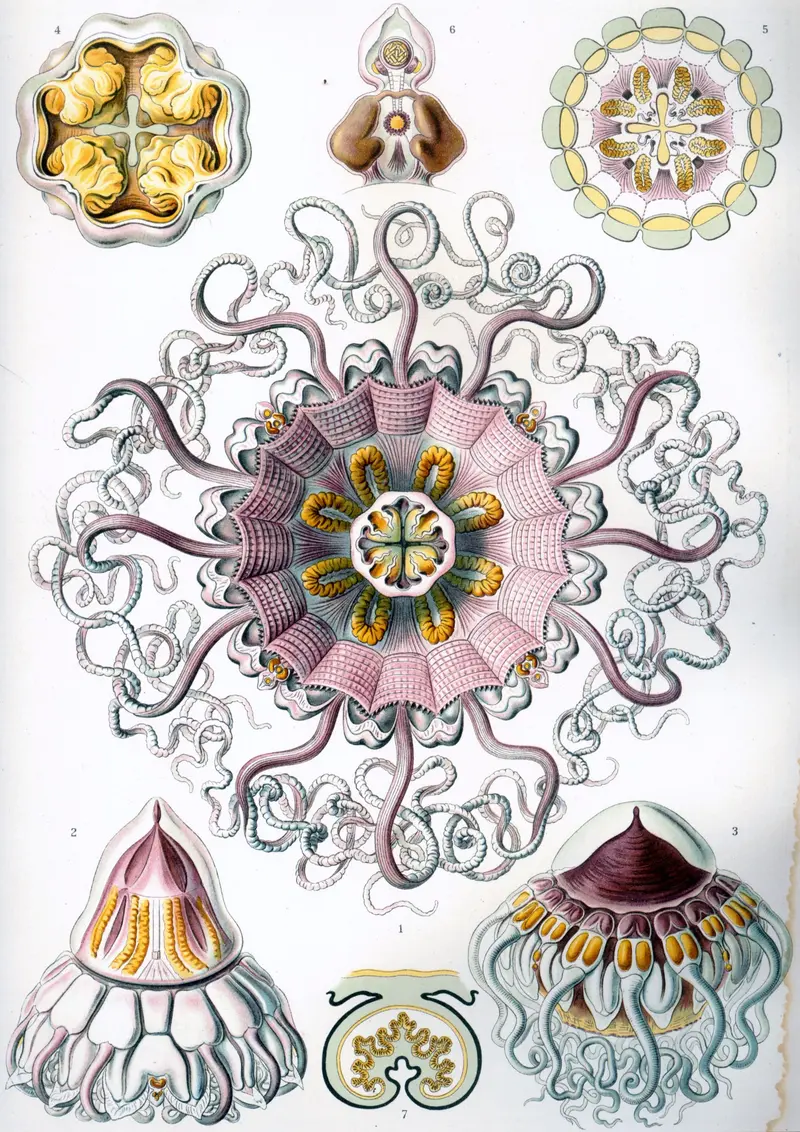
Peromedusae (Jellyfish)
Ernst Haeckel
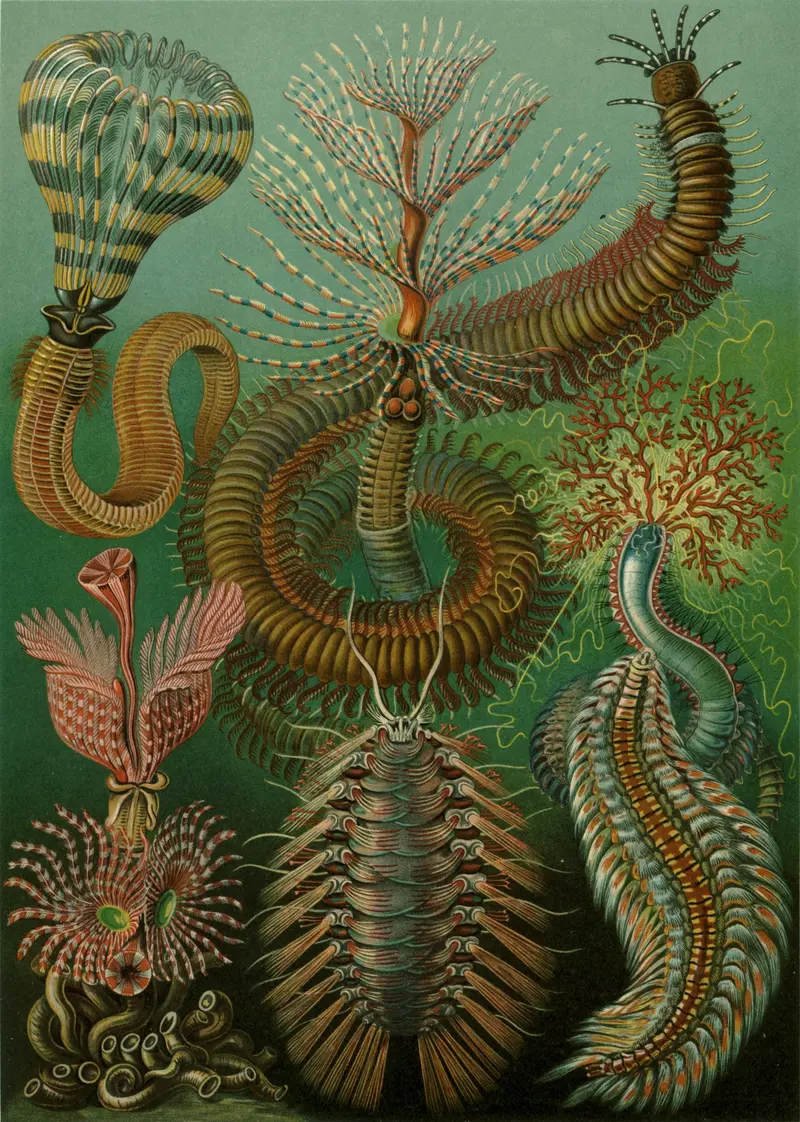
Chaetopoda (Bristle Worms)
Ernst Haeckel
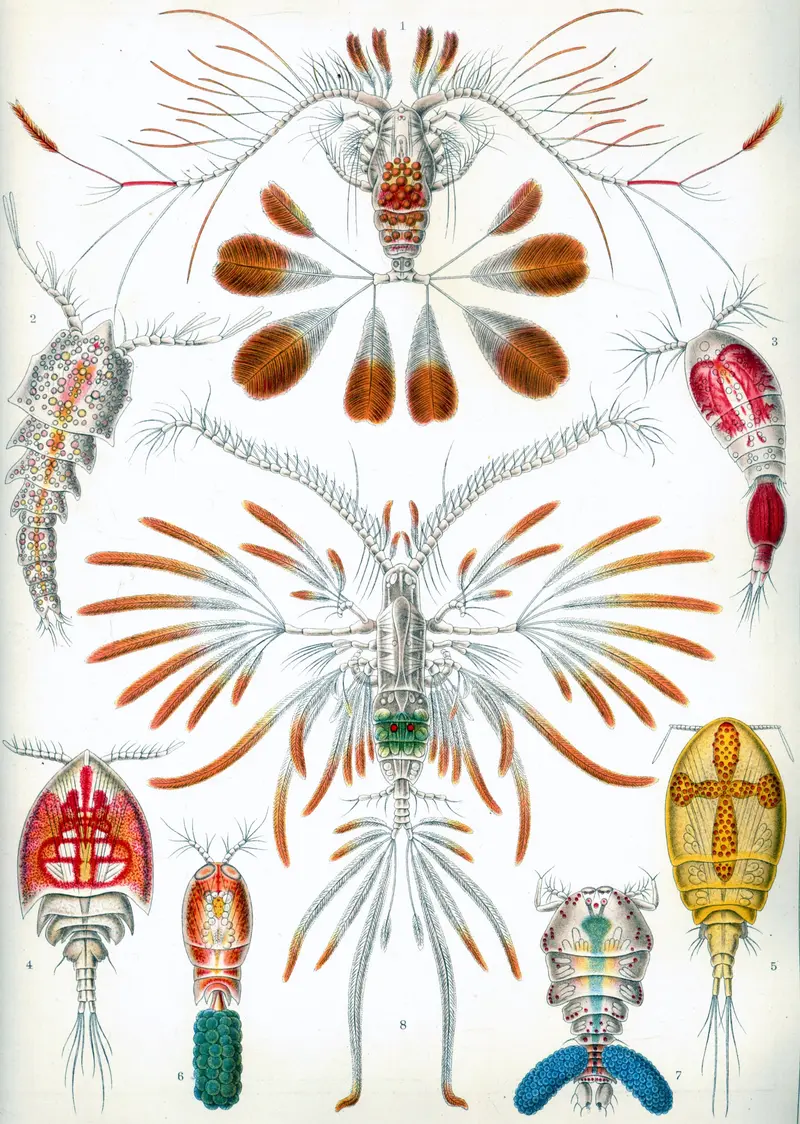
Copepoda (Copepods)
Ernst Haeckel





