
Ecuador, mountain plateau with hut — History & Facts
Can beauty exist without sorrow? In the tranquil yet poignant depiction of nature, Frederic Edwin Church invites us to consider the delicate interplay of joy and melancholy amid breathtaking landscapes. Look to the distant mountains, where layers of rich greens and warm ochres converge beneath a soft, ethereal sky. The hut, modest and understated, stands to the left, its earth-toned walls harmonizing with the surrounding scenery. Notice how the light cascades over the peaks and valleys, casting gentle shadows that create depth while illuminating the simplicity of human existence amid such grandeur.
This interplay of light and color draws the eye, inviting us to explore the quiet invitation of the scene. Yet, within the beauty lies a whisper of introspection. The solitary hut hints at human fragility, overshadowed by the vast wilderness. The expansive sky, with its hints of both warmth and impending shadow, evokes a sense of transience.
There is an emotional tension in the way the natural world looms over the human experience—reminding us that moments of peace are often laced with an awareness of solitude and time’s passage. In 1890, Church was immersed in his later works while living in New York, reflecting on the landscapes he had explored throughout his life. This painting emerged during a time of personal contemplation as he dealt with loss and the shifting currents within the art world. His vision remained steadfast in revealing the profound connection between humanity and nature, a theme that resonates deeply in this captured moment of serene beauty.
More Artworks by Frederic Edwin Church
Browse all →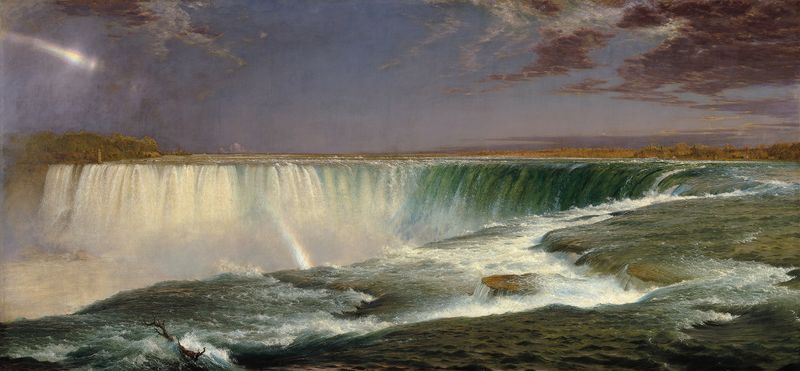
Niagara
Frederic Edwin Church
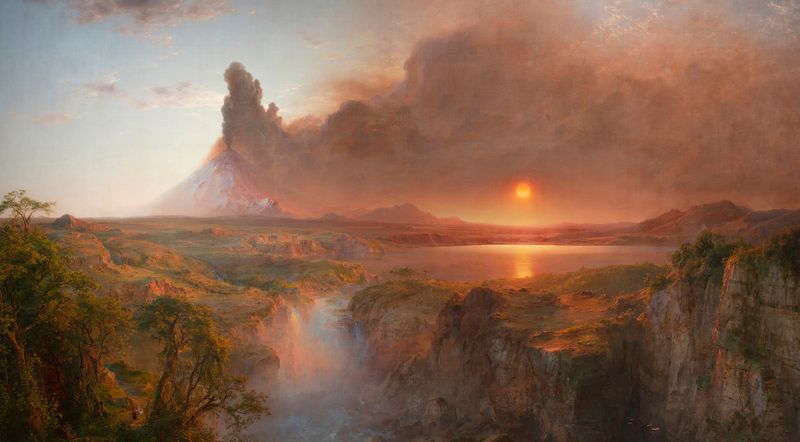
Cotopaxi
Frederic Edwin Church
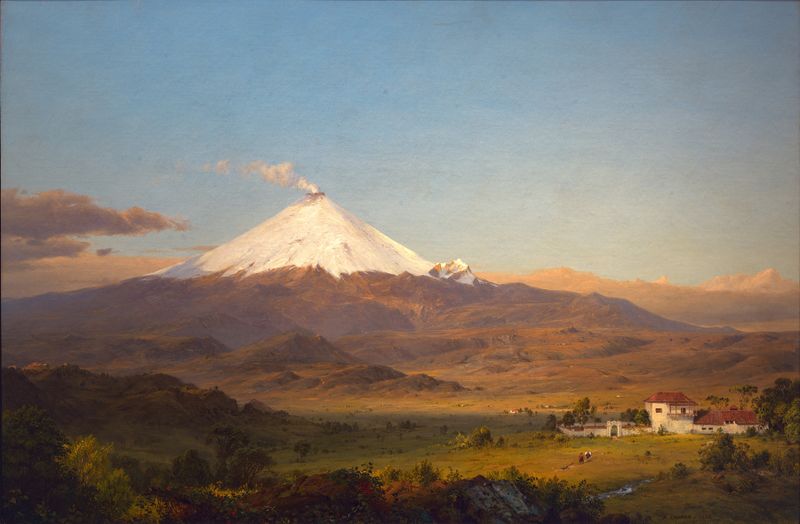
Cotopaxi
Frederic Edwin Church
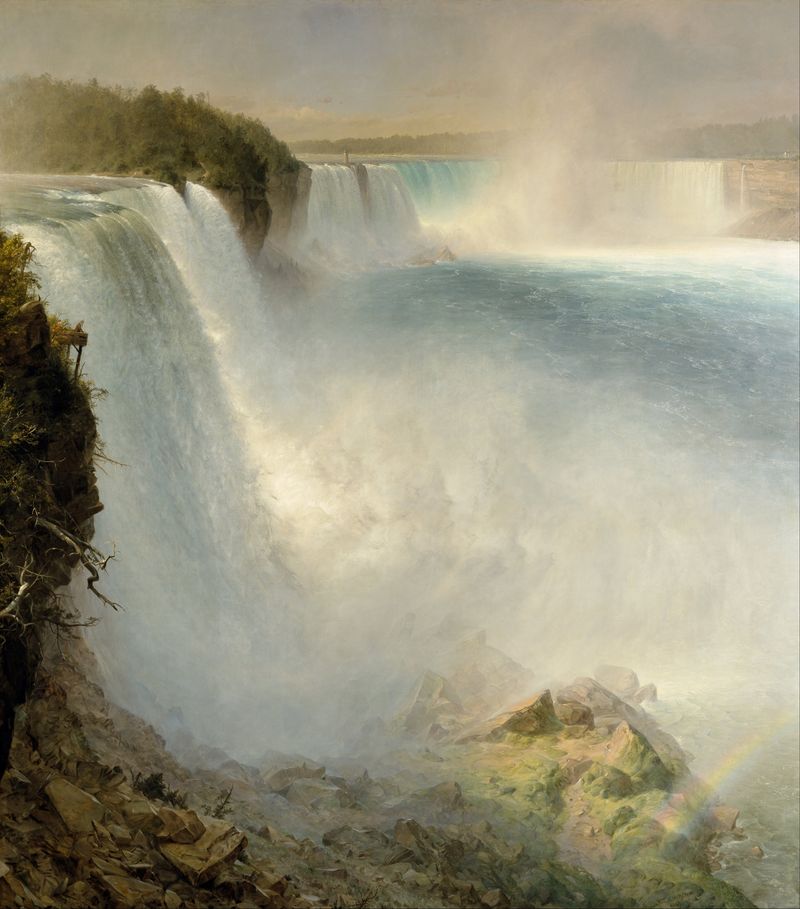
Niagara Falls, from the American Side
Frederic Edwin Church
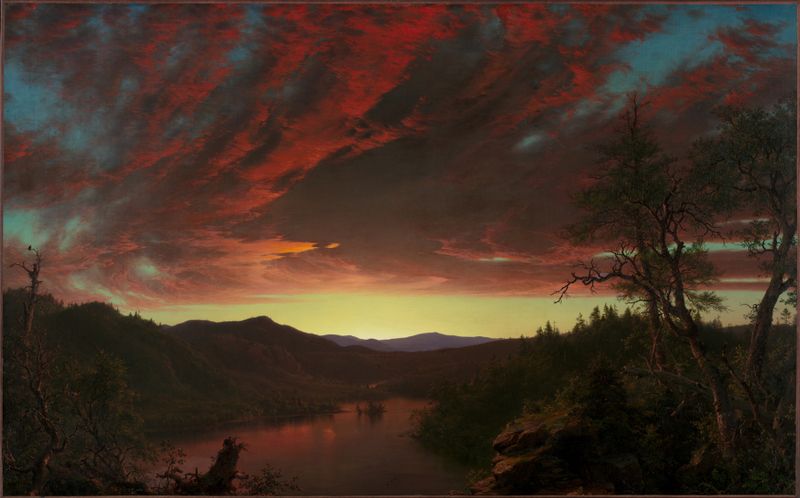
Twilight in the Wilderness
Frederic Edwin Church
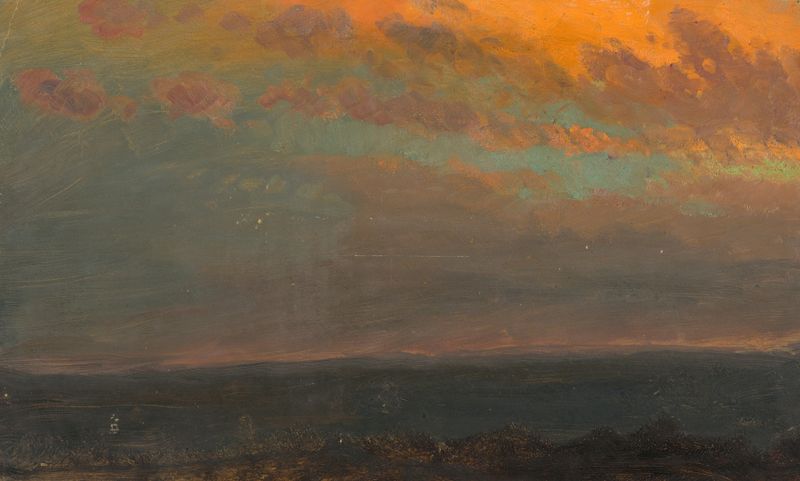
Hudson Valley at Sunset
Frederic Edwin Church
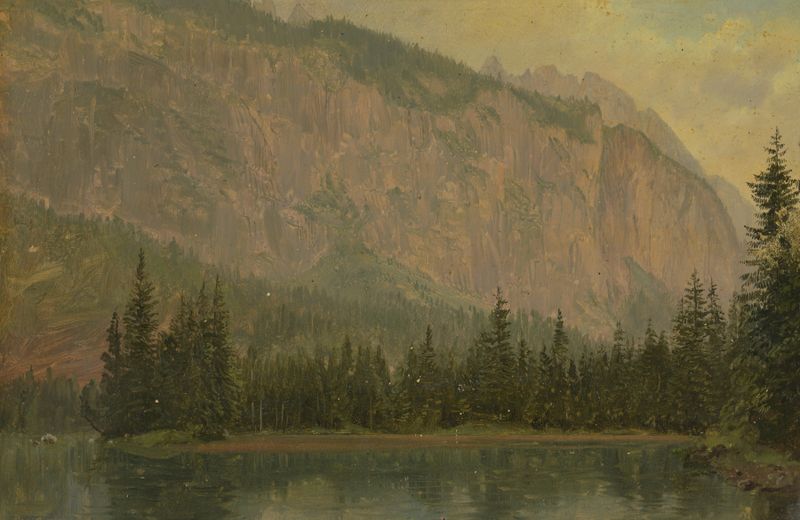
The Hintersee, near Berchtesgaden, Bavaria
Frederic Edwin Church
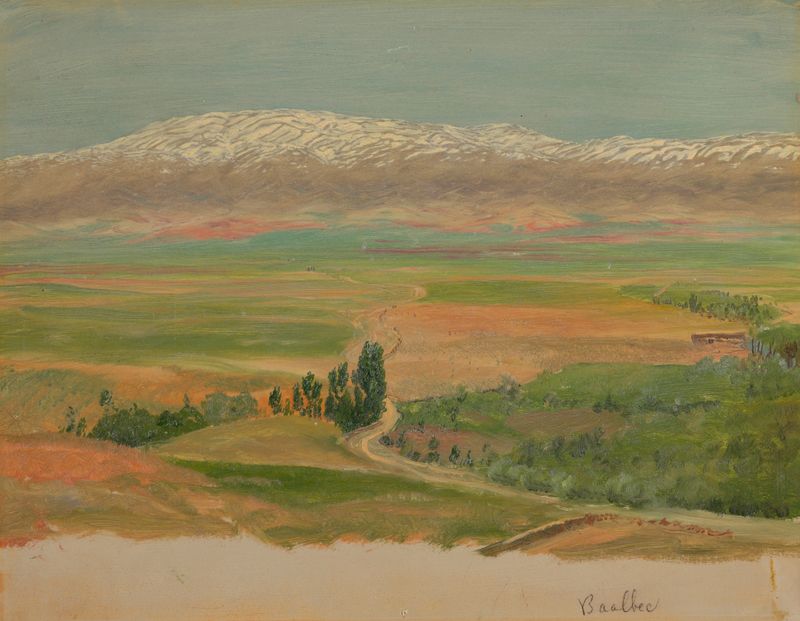
Mountains near Baalbec
Frederic Edwin Church
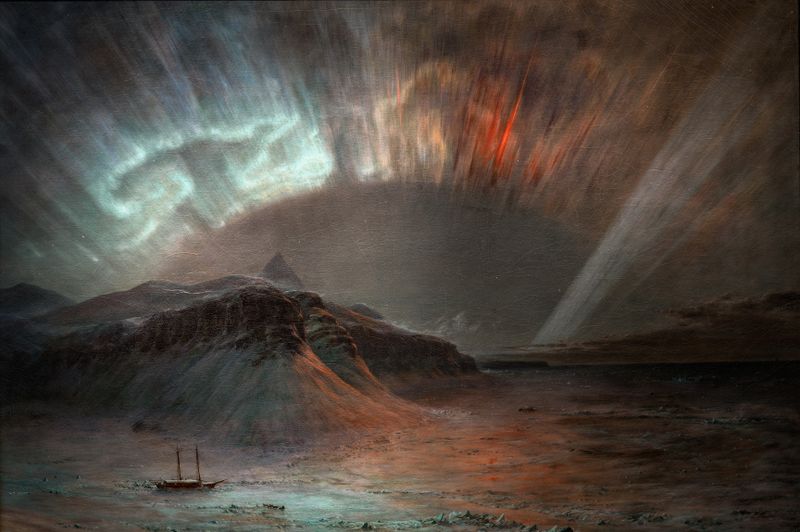
Aurora Borealis
Frederic Edwin Church
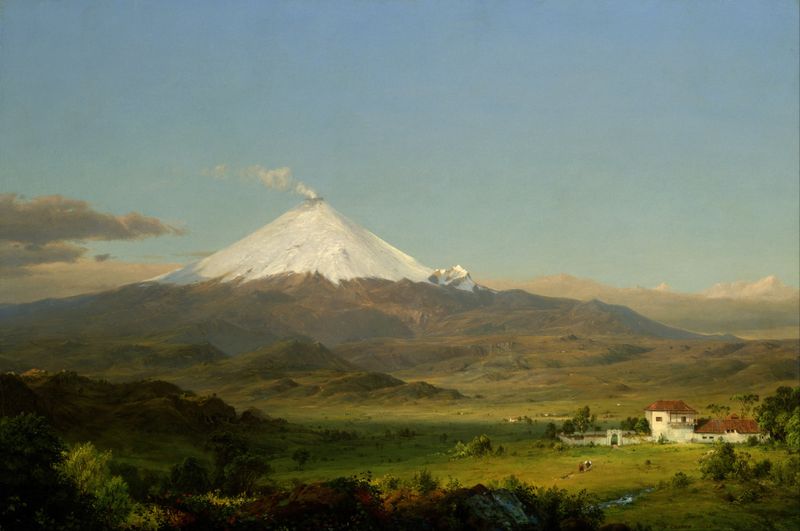
Cotopaxi
Frederic Edwin Church





