
Edgware Road, London — History & Facts
No record survives of when or why John Linnell turned his attention to the bustling artery of Edgware Road, London, but this painting stands out for its rare glimpse into the city’s everyday life before the coming of the railway. Unlike the grand vistas or rural idylls that defined much of Linnell’s career, here he captures a slice of urban reality, a motif seldom attempted by his contemporaries. The exact date and circumstances of the work remain uncertain, adding an air of mystery: some scholars suggest it may have been painted in the 1820s or 1830s, when London’s expansion was transforming the city’s edges.
The lack of documentation has made the painting a subject of debate among historians, who piece together its context from style and subject alone. The scene unfolds at a moment of transition: horse-drawn carts jostle with pedestrians along a broad, muddy thoroughfare, flanked by modest shops and brick terraces. Linnell’s eye lingers on the ordinary—market women, a distant coach, the play of light on wet cobblestones—inviting viewers to witness London’s pulse at street level. The painter’s use of earthy tones and crisp detail roots the work in observation, while the low horizon and wide sky hint at the city’s restless growth.
Unlike Canaletto’s grand, ordered cityscapes or Turner’s atmospheric visions, Linnell offers a portrait of London as lived and worked in, unvarnished and immediate. Every figure, every cartwheel, seems to carry the weight of daily routine. The painting’s provenance is as elusive as its date: no records of commission or early ownership have been traced, and it has rarely appeared in public exhibitions. Its attribution to John Linnell is generally accepted, based on stylistic analysis and comparison with his known works, though some have speculated about studio assistance or later retouching.
Today, Edgware Road, London is valued as a rare urban subject in Linnell’s oeuvre, offering insight into both the artist’s range and the changing face of nineteenth-century London. It remains in private hands, its whereabouts occasionally surfacing in sales catalogues, a quiet testament to a city in flux and an artist’s curiosity about the world beyond the studio window.
More Artworks by John Linnell

A View Near Hampstead
John Linnell
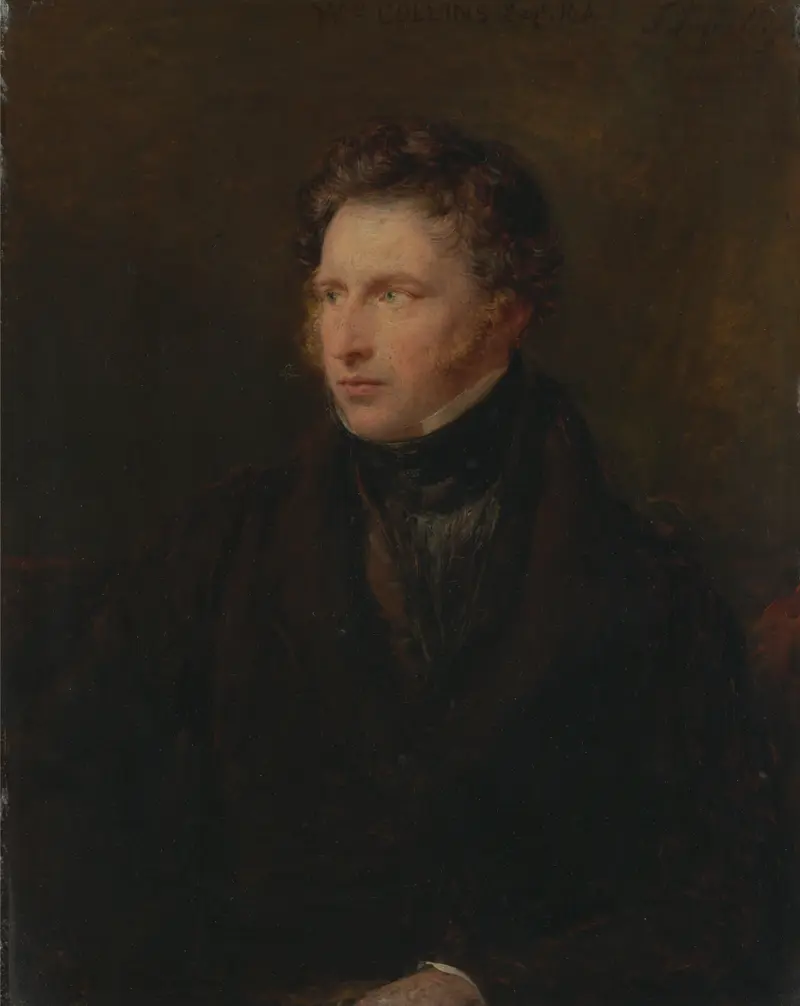
William Collins, R.A.
John Linnell
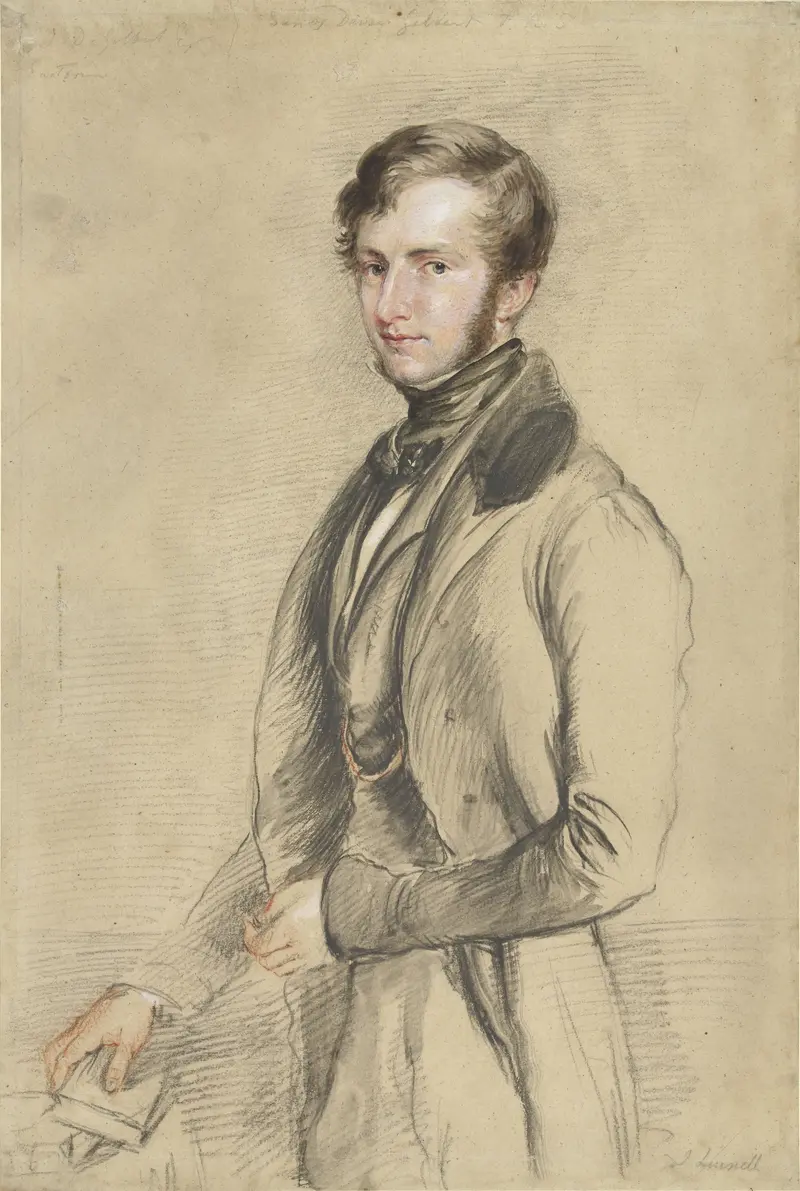
Portrait of John Davies Gilbert
John Linnell
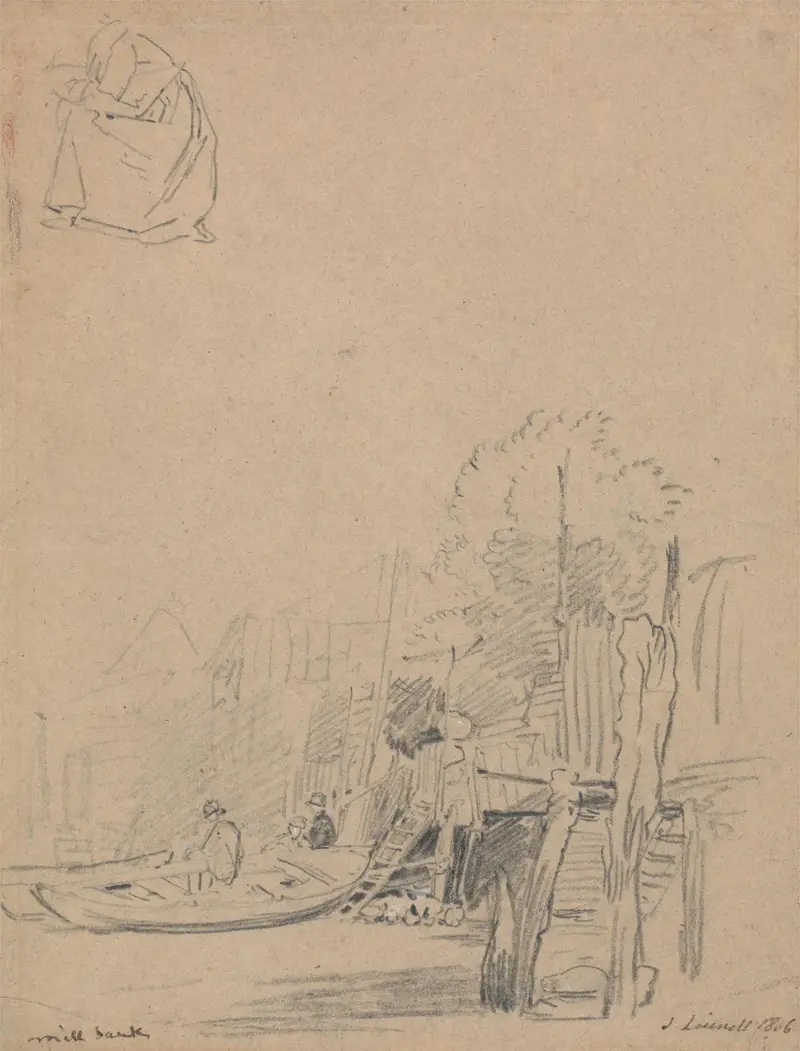
Millbank
John Linnell
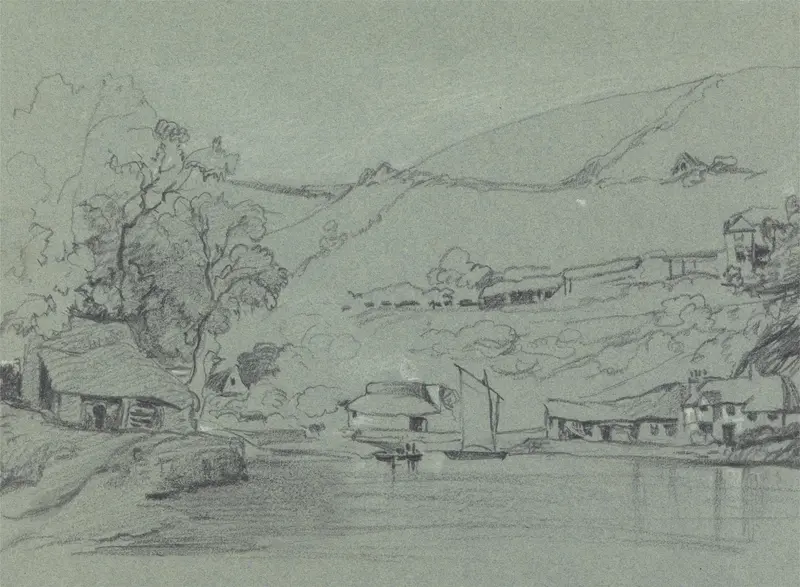
Scene in Kent
John Linnell
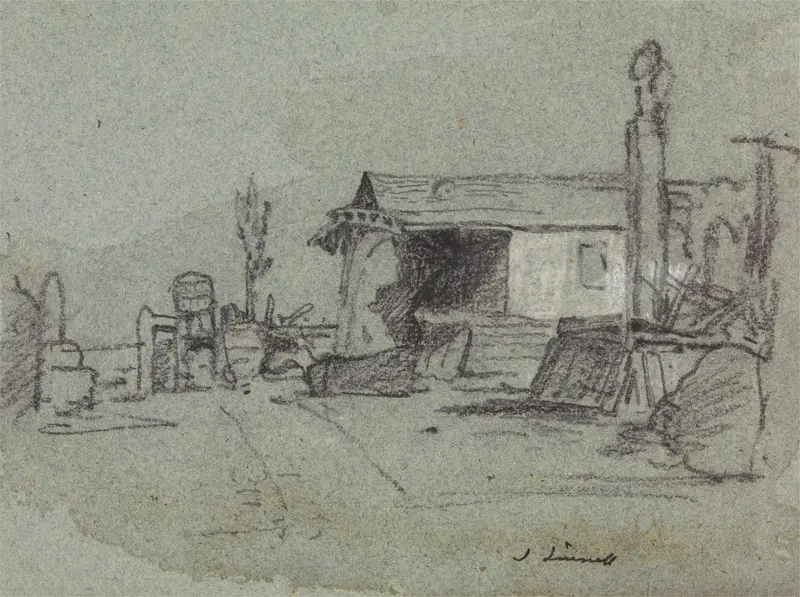
A Scene in the Edgware Road, London
John Linnell
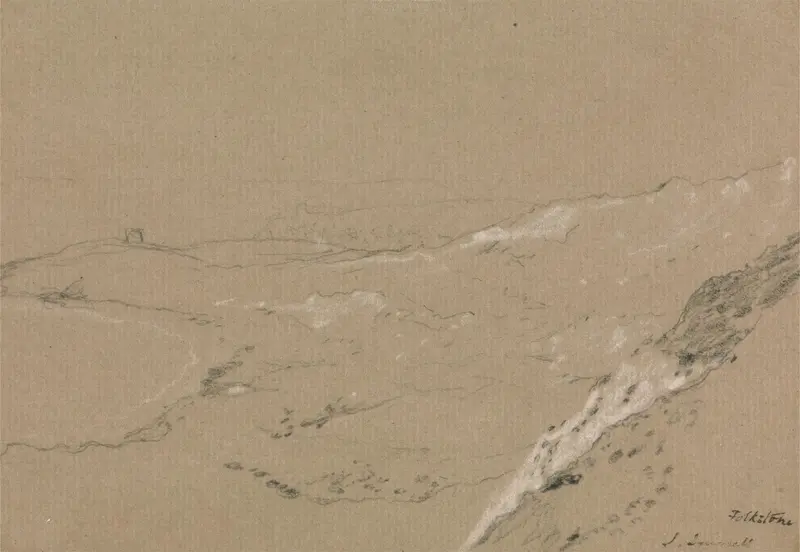
Folkestone
John Linnell
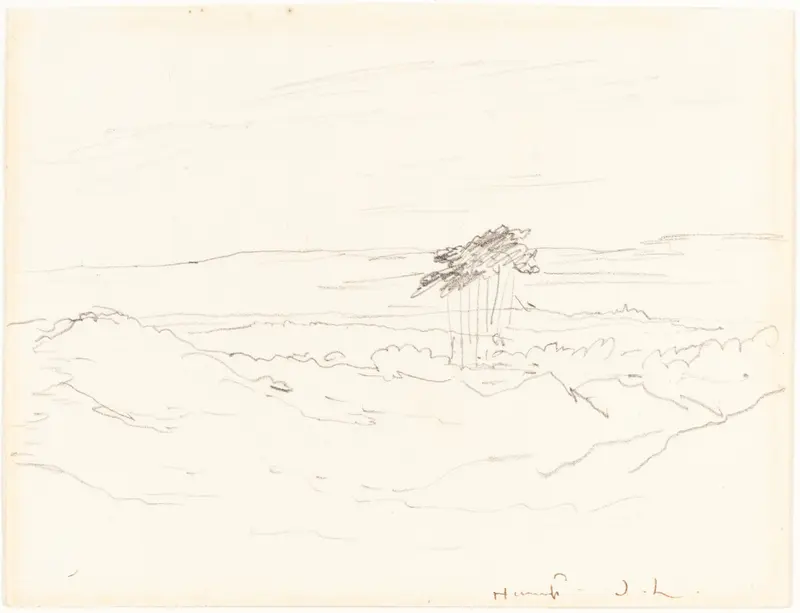
Hampstead Heath
John Linnell
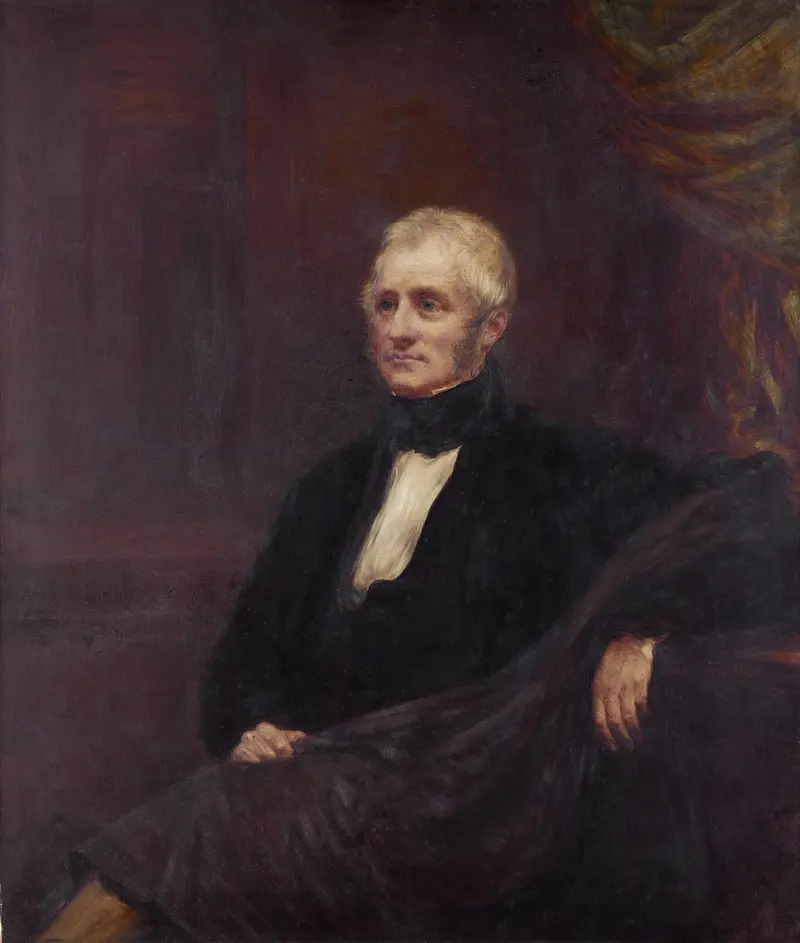
Henry Stephen Fox-Strangways, 3rd Earl Of Ilchester
John Linnell
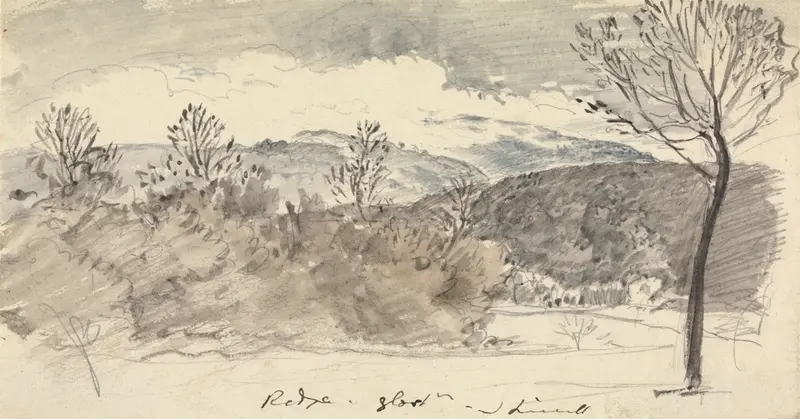
View at Mr. Sheppard’s, The Ridge, Gloucestershire
John Linnell
More Genre Scene Art

Banquet of the Officers of the St George Civic Guard
Frans Hals

Rembrandt and Saskia in the Scene of the Prodigal Son
Rembrandt van Rijn

Bal du moulin de la Galette
Pierre-Auguste Renoir

Quadrille at the Moulin Rouge
Henri de Toulouse-Lautrec

A Burial at Ornans
Gustave Courbet

When Will You Marry?
Paul Gauguin