
Edward Guthrie Kennedy — History & Facts
What draws the eye first in Edward Guthrie Kennedy by James McNeill Whistler is not the sitter’s face, but the way the figure seems to emerge from the darkness, half-formed, as if memory itself is struggling to hold him in place. The man’s features—his mustache, the tilt of his head, the suggestion of a gentle but self-assured gaze—are rendered with a softness that borders on the elusive. His right hand, clutching a hat, glows with a sudden, unexpected warmth, the only real flash of color in a sea of muted greens and browns.
The background is not a setting but a void, forcing us to meet the sitter on his own terms, without distraction or narrative. Whistler’s brushwork is loose, almost ghostly, as if the portrait might dissolve if you looked away for a moment. Painted between 1893 and 1895, this work belongs to a period when portraiture was shifting from formal display to psychological encounter. In the late nineteenth century, artists like Whistler were less interested in grand statements and more in capturing the fleeting presence of their subjects—an approach that set them apart from earlier, more declarative traditions.
Portraits such as this were often commissioned by or for the sitter, serving as both personal memento and social signal, yet Whistler’s treatment resists easy reading. Now part of the Metropolitan Museum of Art’s collection, and made accessible through their open access initiative, this painting survives as a quiet testament to a moment when the boundaries between sitter, artist, and viewer were being redrawn. The longer you look, the more the figure seems to hover between worlds—challenging you to decide whether you are seeing a likeness, or simply the memory of one.
More Artworks by James McNeill Whistler
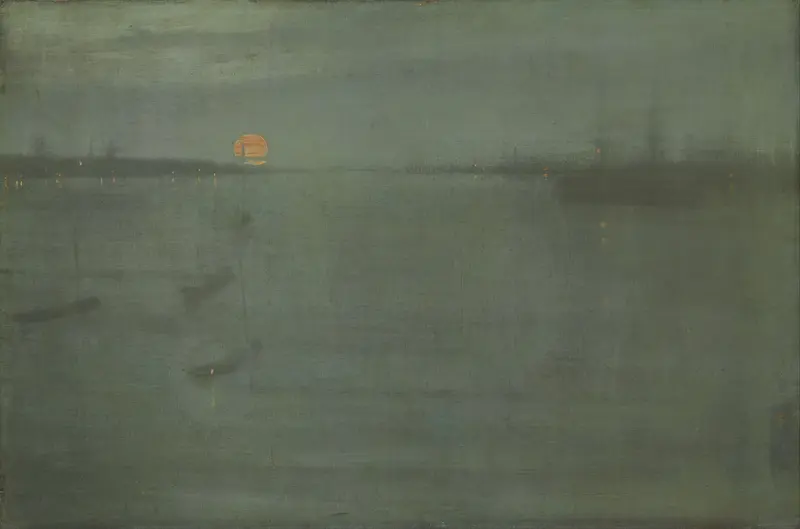
Nocturne: Blue and Gold—Southampton Water
James McNeill Whistler
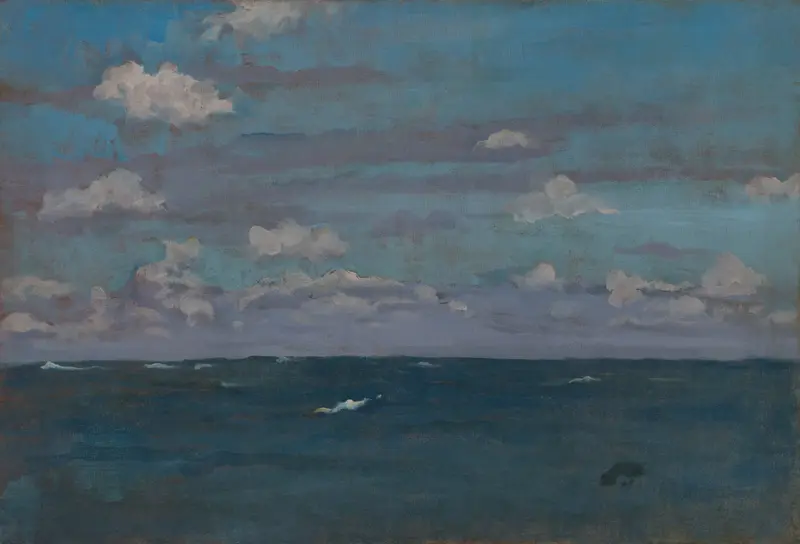
Violet and Silver—The Deep Sea
James McNeill Whistler
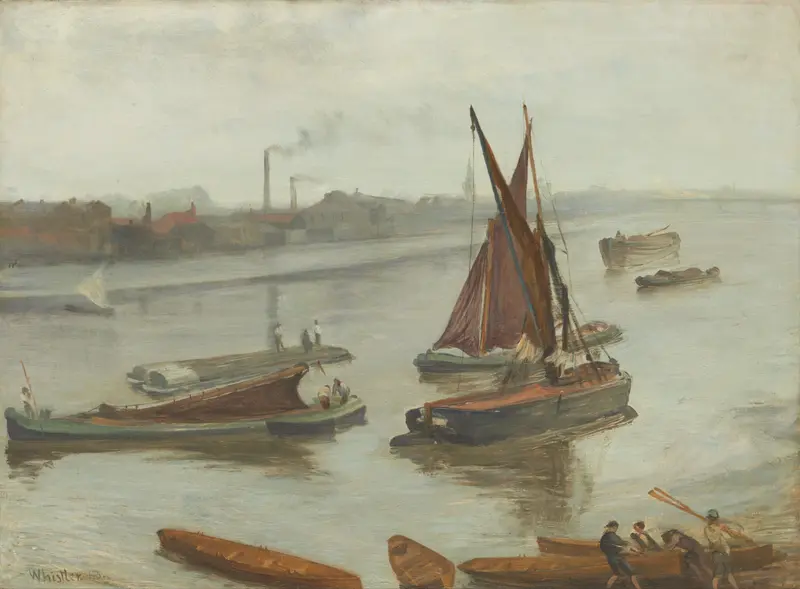
Grey and Silver: Old Battersea Reach
James McNeill Whistler
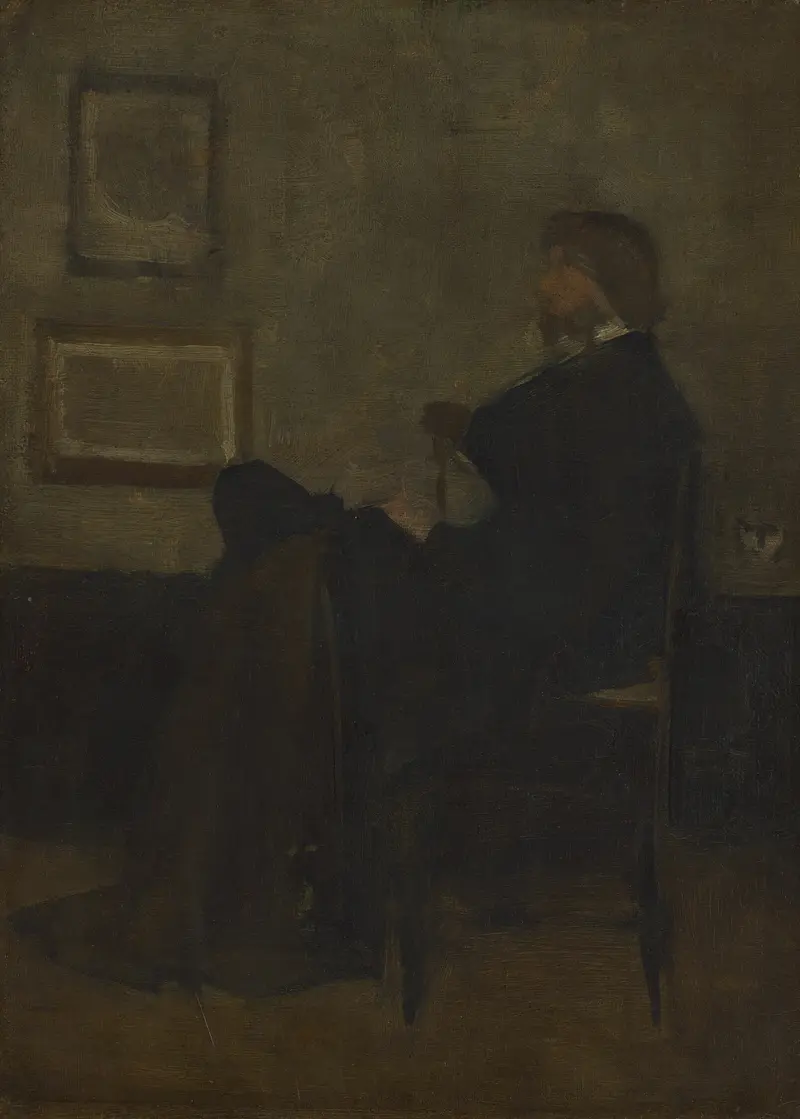
Study for "Arrangement in Grey and Black, No. 2: Portrait of Thomas Carlyle"
James McNeill Whistler
Portrait of M. R. Elden
James McNeill Whistler
The Blue Sea
James McNeill Whistler
Arrangement in Gray: Portrait of the Painter
James McNeill Whistler
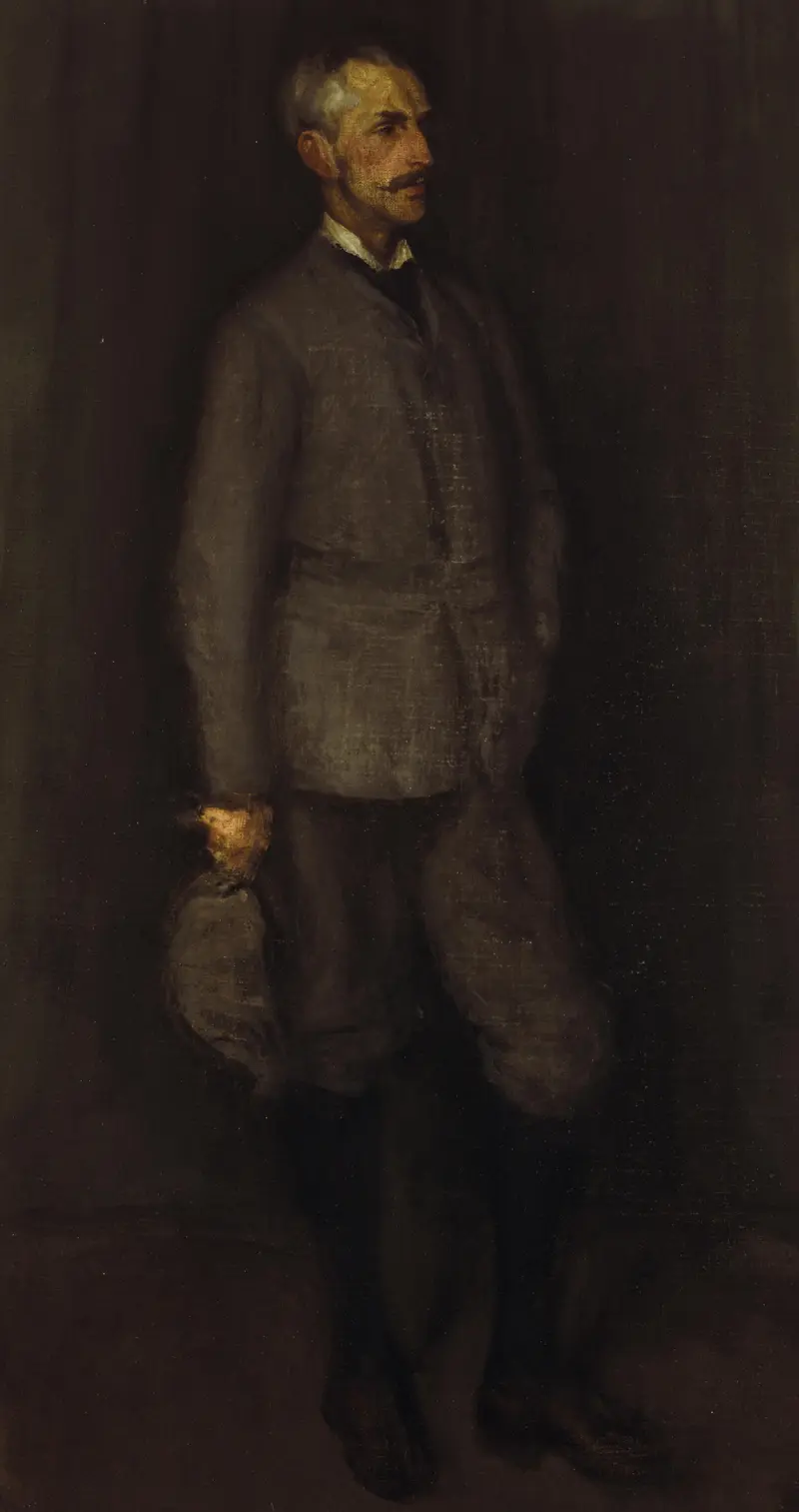
Arrangement in Grey and Green. Portrait of John James Cowan
James McNeill Whistler
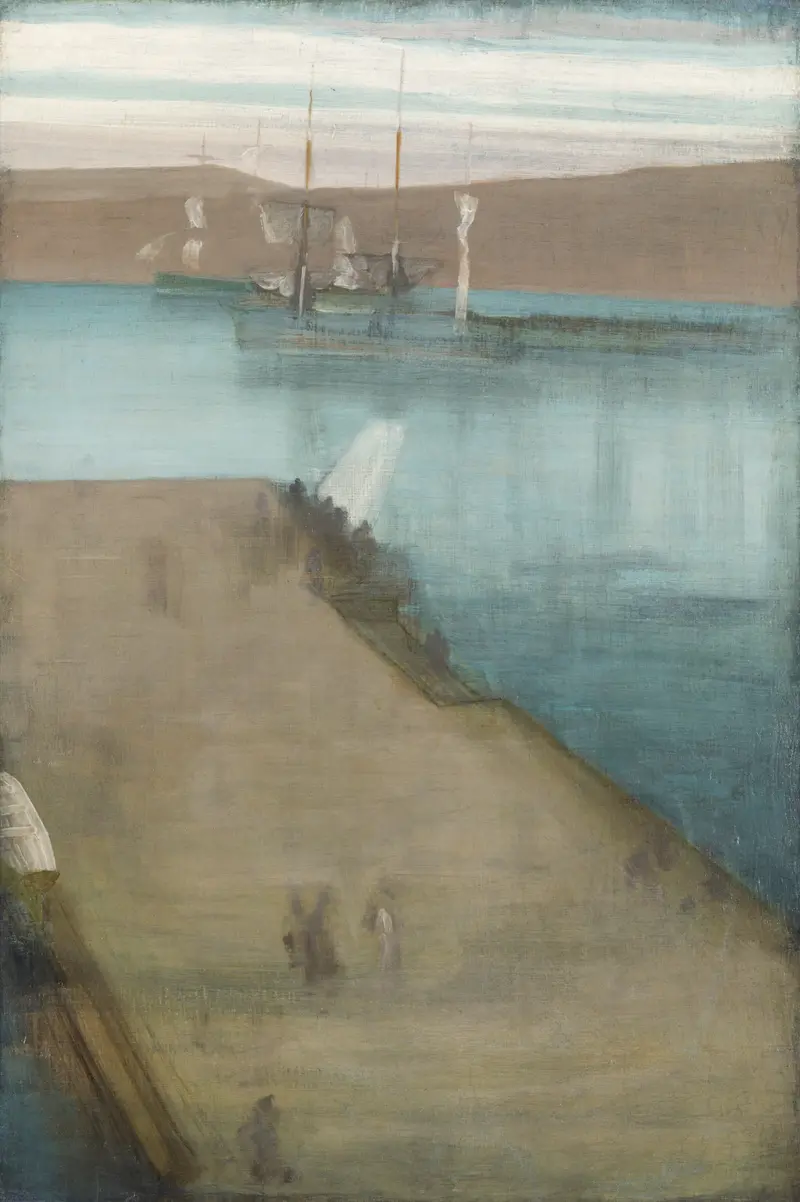
Valparaiso Harbor
James McNeill Whistler
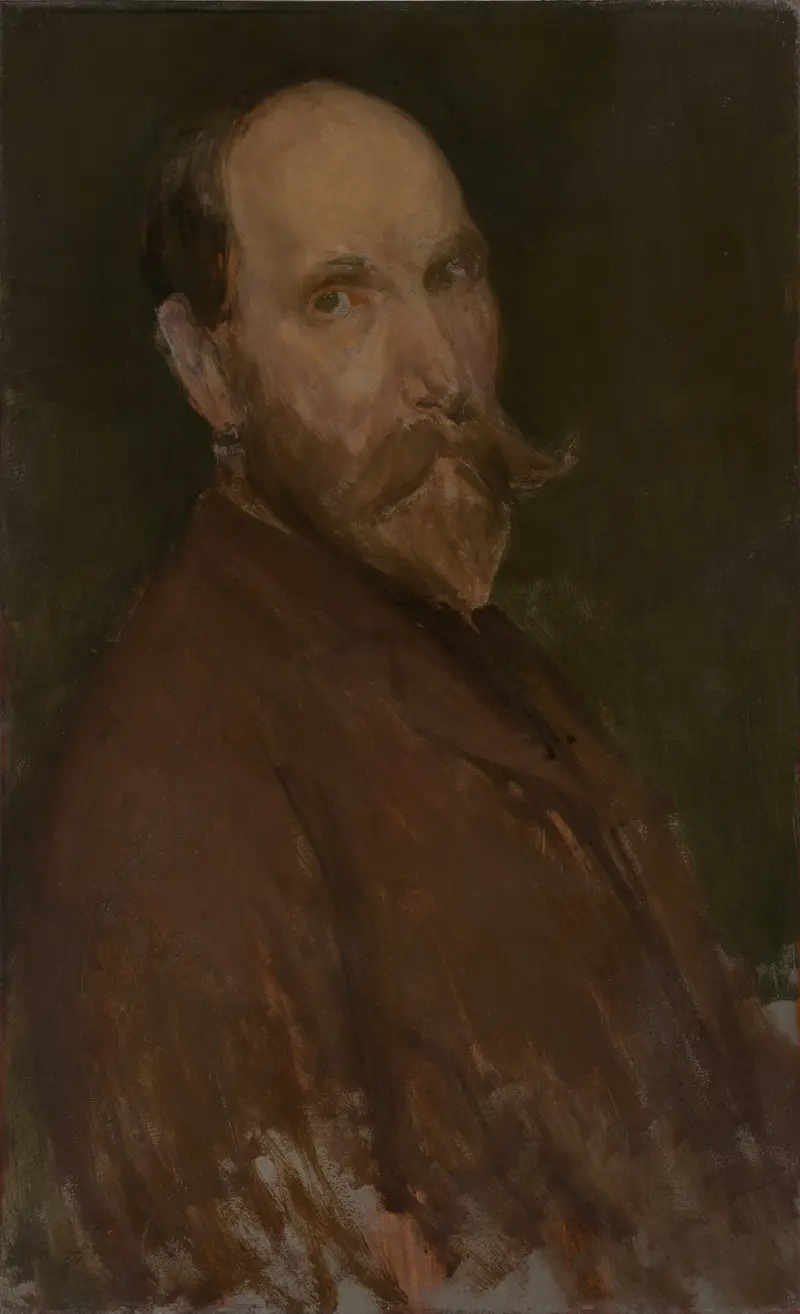
Charles Lang Freer
James McNeill Whistler





