
Eel-Catcher’s House — History & Facts
What secret hides in the quiet of the canvas? Beneath the surface of stillness, chaos brews, waiting to be unveiled. Focus on the gentle interplay of muted earth tones as they cradle the central figure, a solitary fisherman, poised in his task. Look closely at the way the light softly bathes the scene, casting elongated shadows that whisper of the day's passage. The structure of the house looms in the background, a steadfast guardian of this tranquil moment, while the rippling water at the forefront reflects fleeting glimpses of a world in constant flux. As your gaze wanders, notice the tension between the calm setting and the energy of the fisherman’s limbs, poised to act amidst an illusion of serenity.
The carefully rendered texture of the water suggests a hidden life beneath, where eels writhe and dart, reminding us that tranquility often masks a struggle. The stillness of the house contrasts with the vibrant motion suggested by the fisherman’s gestures, hinting at the chaos of nature and life that exists just beyond this peaceful tableau. Created between 1900 and 1925, this work emerged during a time when Haskell was immersed in the exploration of American scenes and rural life. Living in the United States, he sought to capture the essence of everyday moments while reflecting broader themes of nature and humanity’s place within it.
This period marked a significant shift in the art world, as artists increasingly embraced realism, moving away from the constraints of traditional styles to explore new forms of expression and connection.
More Artworks by Ernest Haskell
Browse all →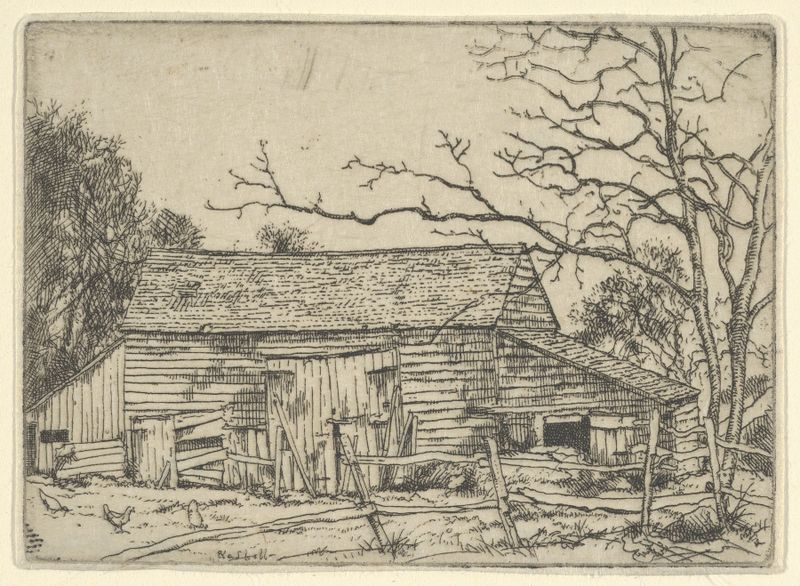
The Barn–Staten Island, N.Y.
Ernest Haskell

Four Live Oaks
Ernest Haskell
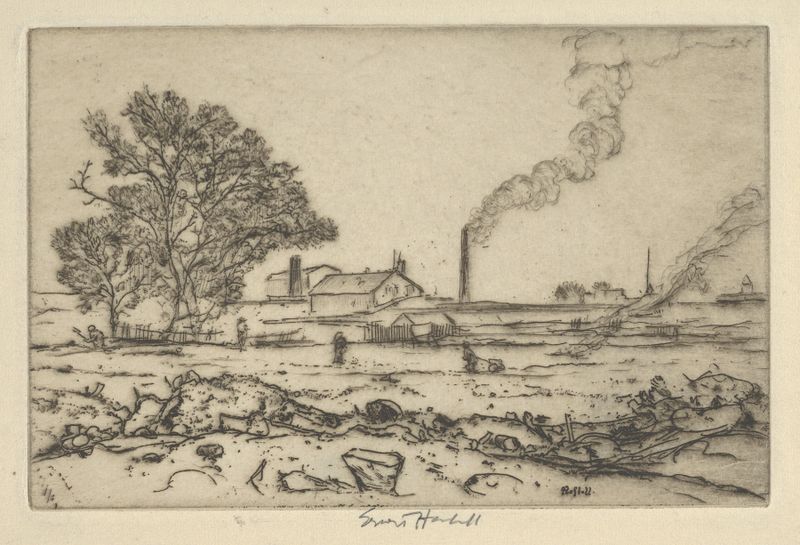
Outskirts of Boston
Ernest Haskell
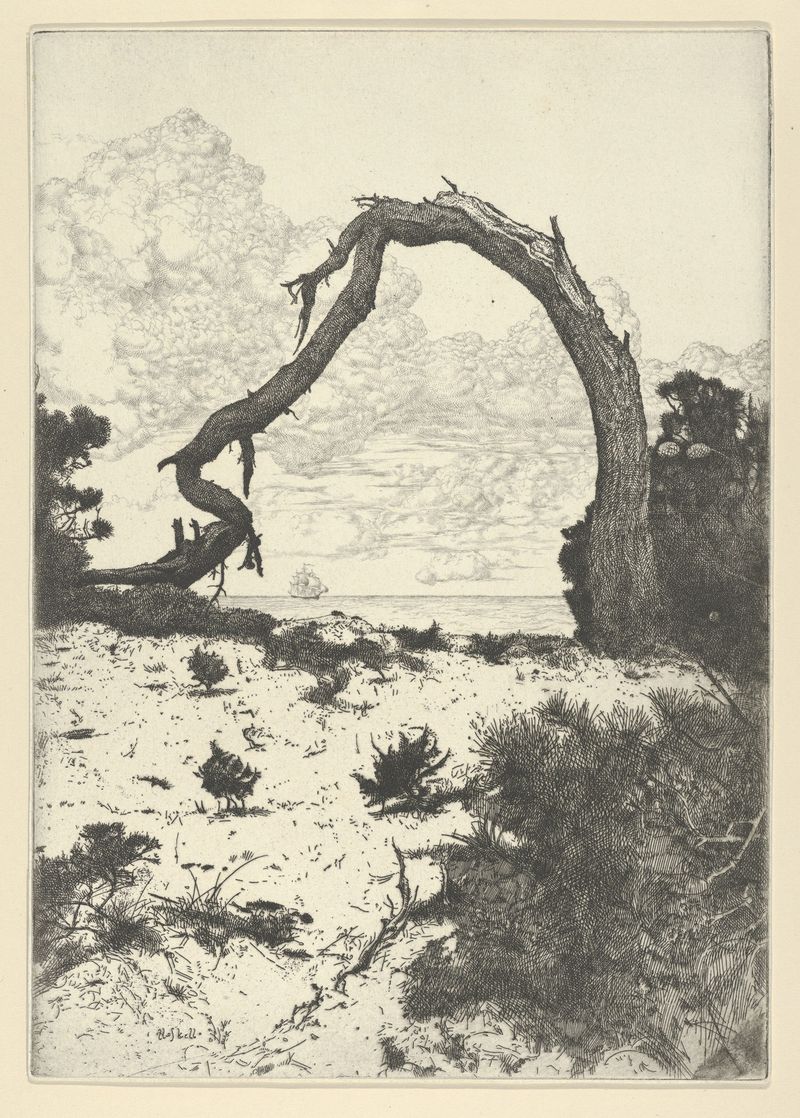
Pine Arch
Ernest Haskell

General Sherman
Ernest Haskell
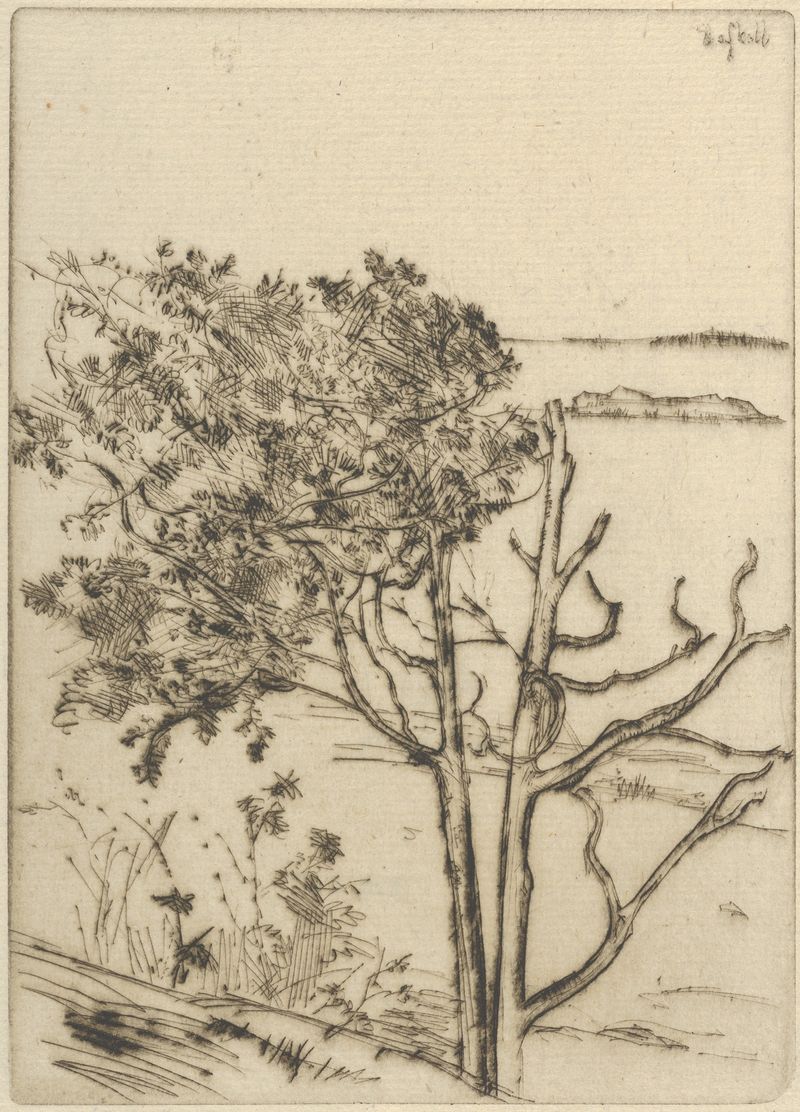
Ragged Tree – Maine
Ernest Haskell

Tide Mill
Ernest Haskell

Ship Building
Ernest Haskell
To the Southward – Ragged Island, Me.
Ernest Haskell
Long Island Marshes
Ernest Haskell





