
Effet De Neige — History & Facts
Who listens when art speaks of silence? In Effet De Neige, a soft hush blankets the canvas, inviting contemplation of the fleeting beauty found in winter's embrace. Look to the center, where a pristine snow-laden landscape stretches into the horizon, a striking contrast of white against the ethereal grays and blues of the sky. The artist masterfully captures the effect of light diffusing through the snow, creating a shimmering illusion that beckons the eye to linger. Notice how gentle strokes evoke the texture of freshly fallen snow, each one breathing life into the stillness of the scene.
The careful balance of muted colors complements the quietude, urging viewers to engage with the tranquility. Delve deeper, and you’ll discover a tension between nature's serene beauty and the underlying solitude it conveys. The absence of human figures amplifies the feeling of isolation, whispering secrets of solitude and introspection. The subtle variations in hue hint at the transient nature of snow, representing not just the season, but the impermanence of all things.
This interplay of light and shadow embodies an illusion, creating a space where time feels suspended, inviting personal reflection. Gustave Courbet created Effet De Neige during a transformative period for landscape painting, likely in the mid-19th century. At this time, he was immersed in the realism movement, aiming to depict nature authentically rather than idealistically. This approach diverged from the romanticized portrayals prevalent during that era, as he sought to challenge artistic conventions and embrace the raw beauty of the world around him.
More Artworks by Gustave Courbet
Browse all →
Marine
Gustave Courbet
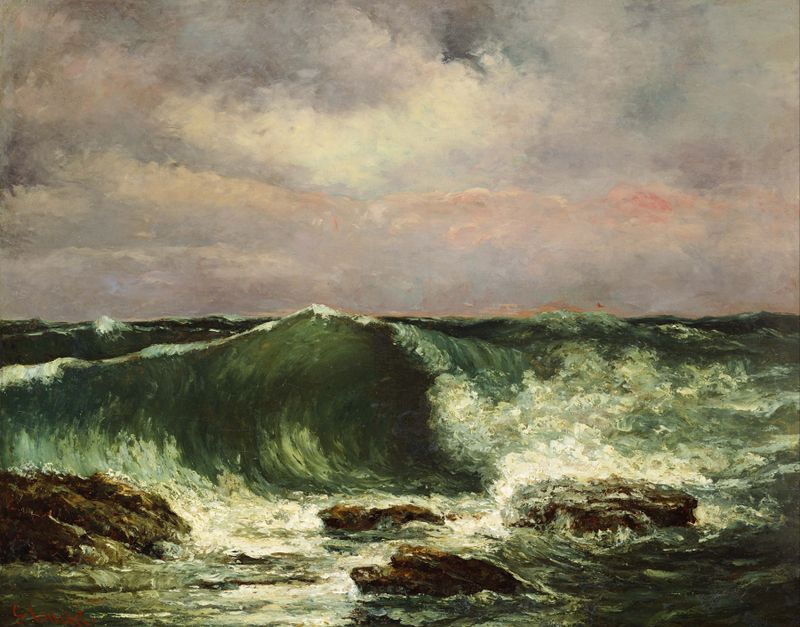
Waves
Gustave Courbet

Étretat; Les Falaises
Gustave Courbet
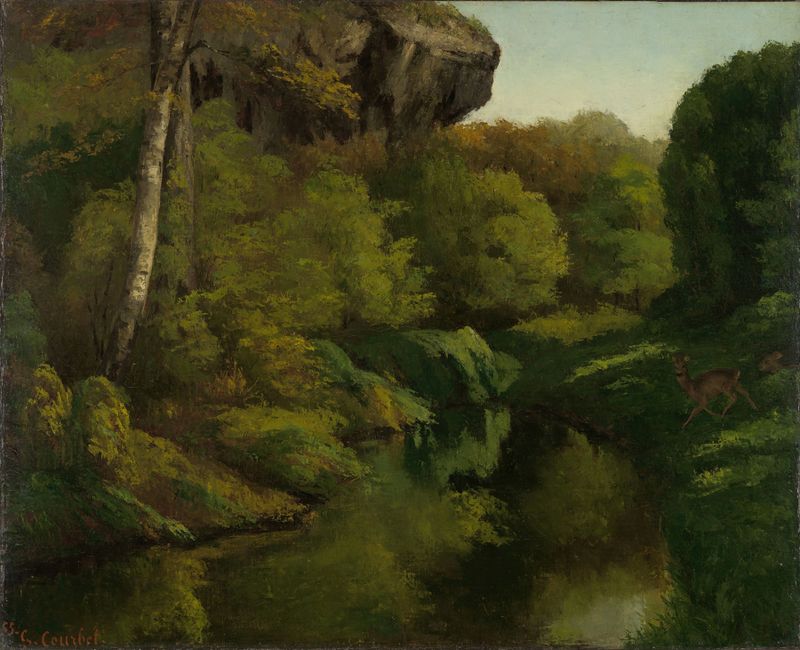
View in the Forest of Fontainebleau
Gustave Courbet
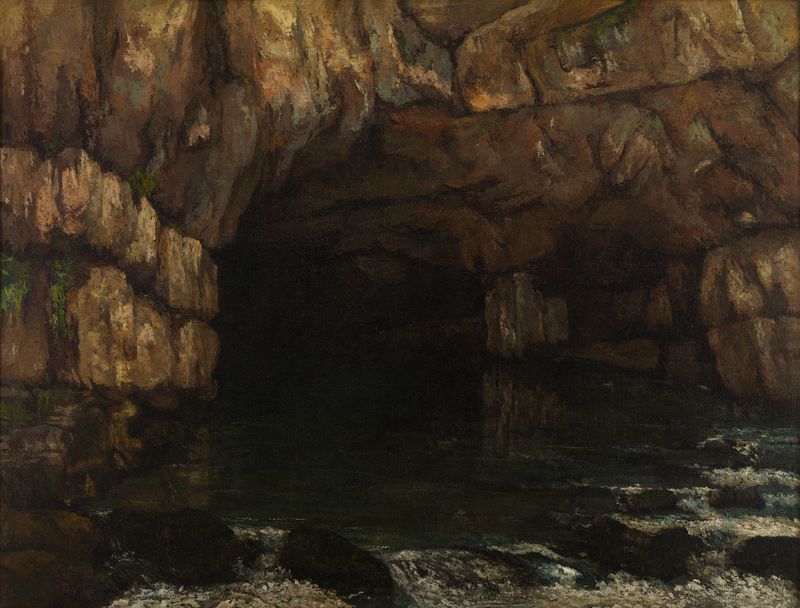
La source de la Loue (The Source of the Loue)
Gustave Courbet

Low Tide at Trouville
Gustave Courbet
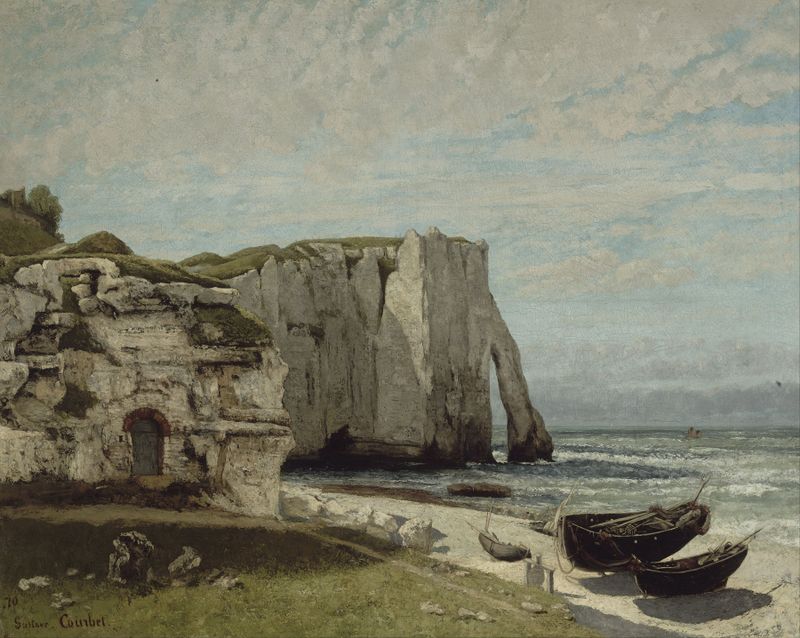
The Etretat Cliffs after the Storm
Gustave Courbet
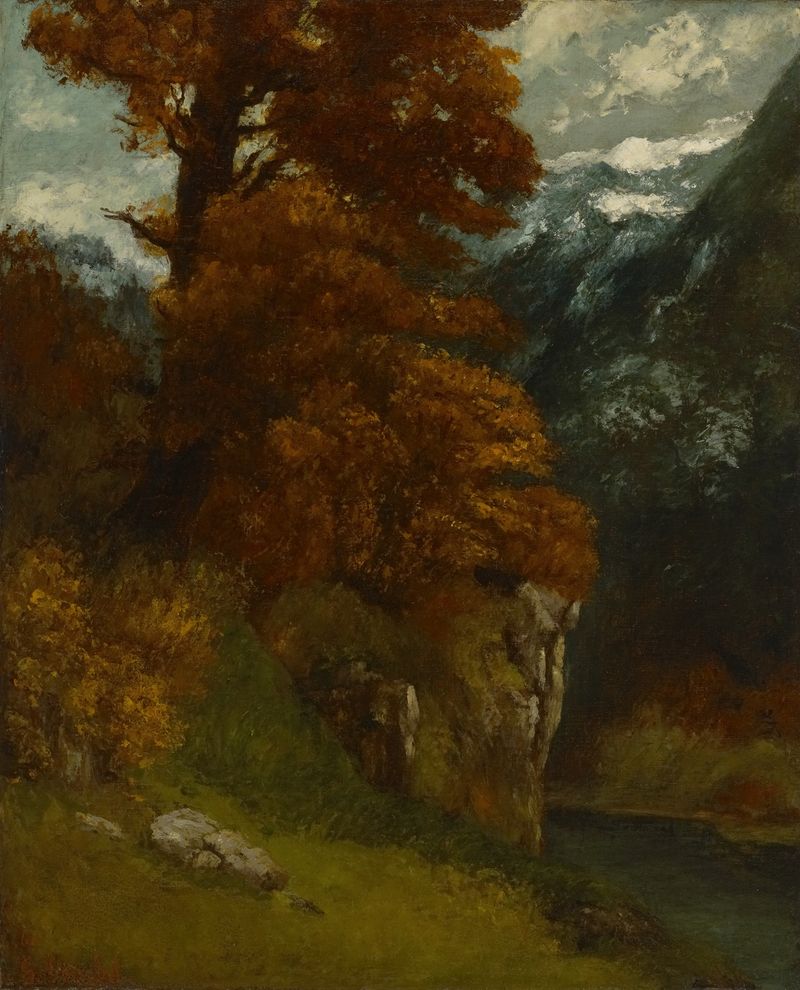
The Glen at Ornans (Bords du Doubs; Effet d’Automne)
Gustave Courbet
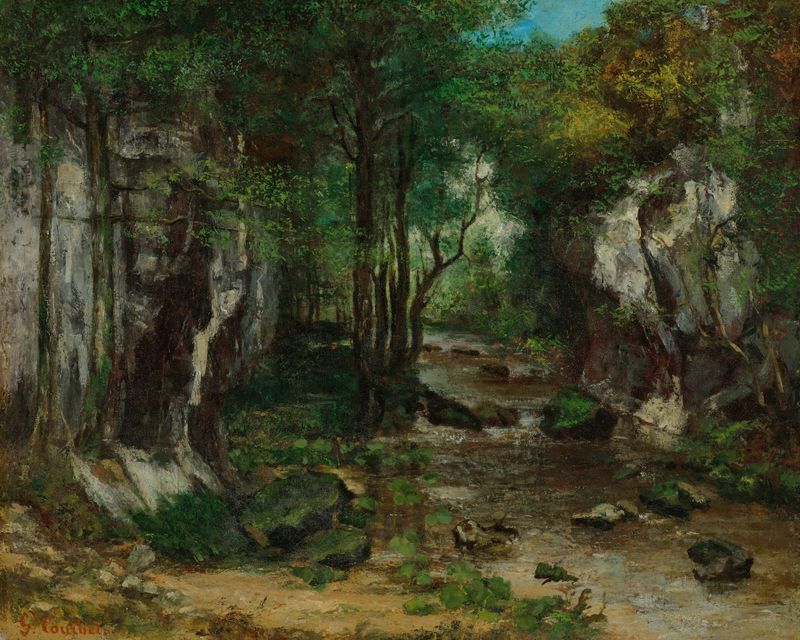
Le Ruisseau de Puits Noir
Gustave Courbet
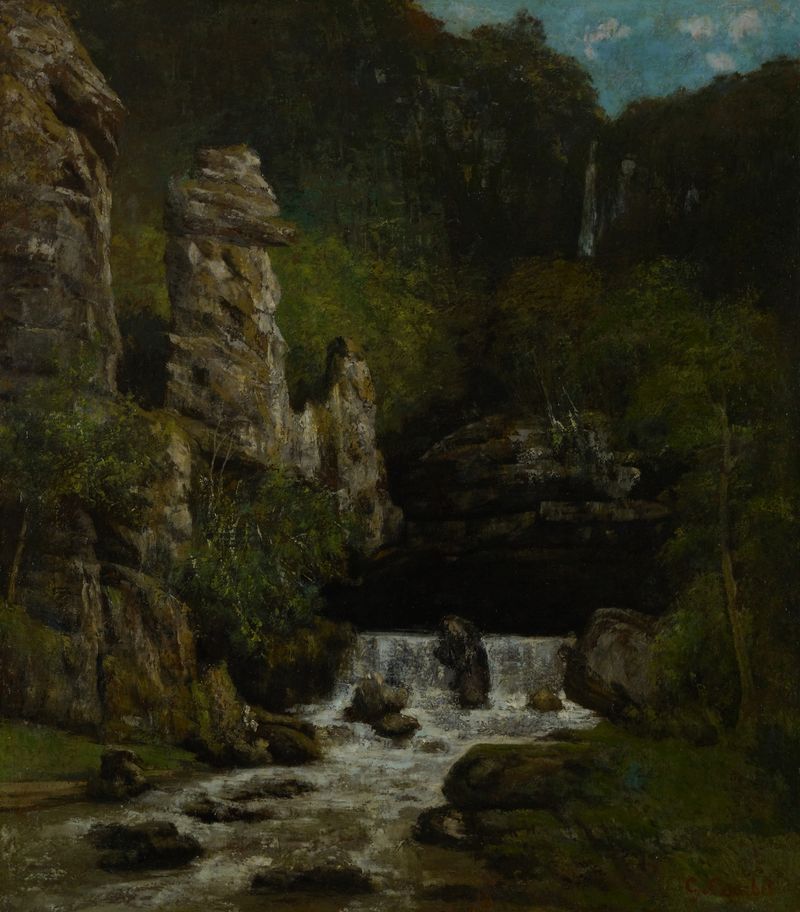
Landscape with a Waterfall
Gustave Courbet





