
Egawa Tarōzaemon Playing the Koto — History & Facts
In Egawa Tarōzaemon Playing the Koto, we see a serene scene featuring a man playing the koto, a traditional Japanese string instrument. The colors are soft and muted, with a focus on earthy tones that create a calm atmosphere. The figure of Egawa Tarōzaemon is depicted in traditional clothing, emphasizing his cultural heritage.
The background features subtle patterns that enhance the overall composition without overwhelming the central figure. This artwork is a woodblock print, a popular medium in Japanese art, especially during the Edo period. The details in the clothing and the koto are finely rendered, showcasing the artist's skill in capturing texture and form. The print likely employs multiple colors layered through the woodblock technique, which was characteristic of Ukiyo-e.
Viewers can appreciate the intricate lines and patterns that define the subject's attire and the instrument. Tsukioka Yoshitoshi was a prominent figure in the Ukiyo-e movement, known for his innovative approach to traditional themes. This work, created in the late 19th century, reflects a period of transition in Japanese art as Western influences began to emerge. An interesting fact about this piece is that it highlights the cultural significance of music in Japanese society, particularly through the representation of the koto.
Yoshitoshi's ability to blend traditional subjects with contemporary elements makes this print a notable example of his work.
More Artworks by Tsukioka Yoshitoshi

Frost fills the air and the autumn air is still/lines of returning geese cross the moon in the third hour-Kenshin, from the series Twelve Aspects of the Moon
Tsukioka Yoshitoshi
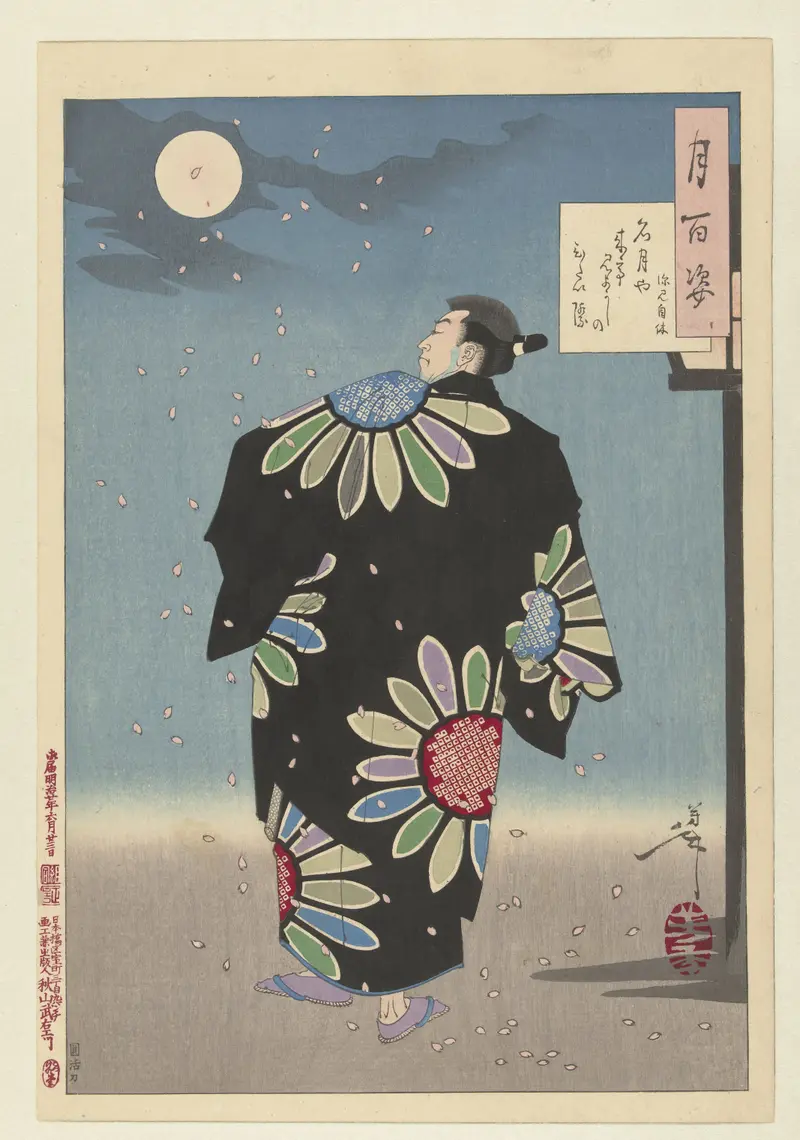
Fukami Jikyu in maanlicht
Tsukioka Yoshitoshi
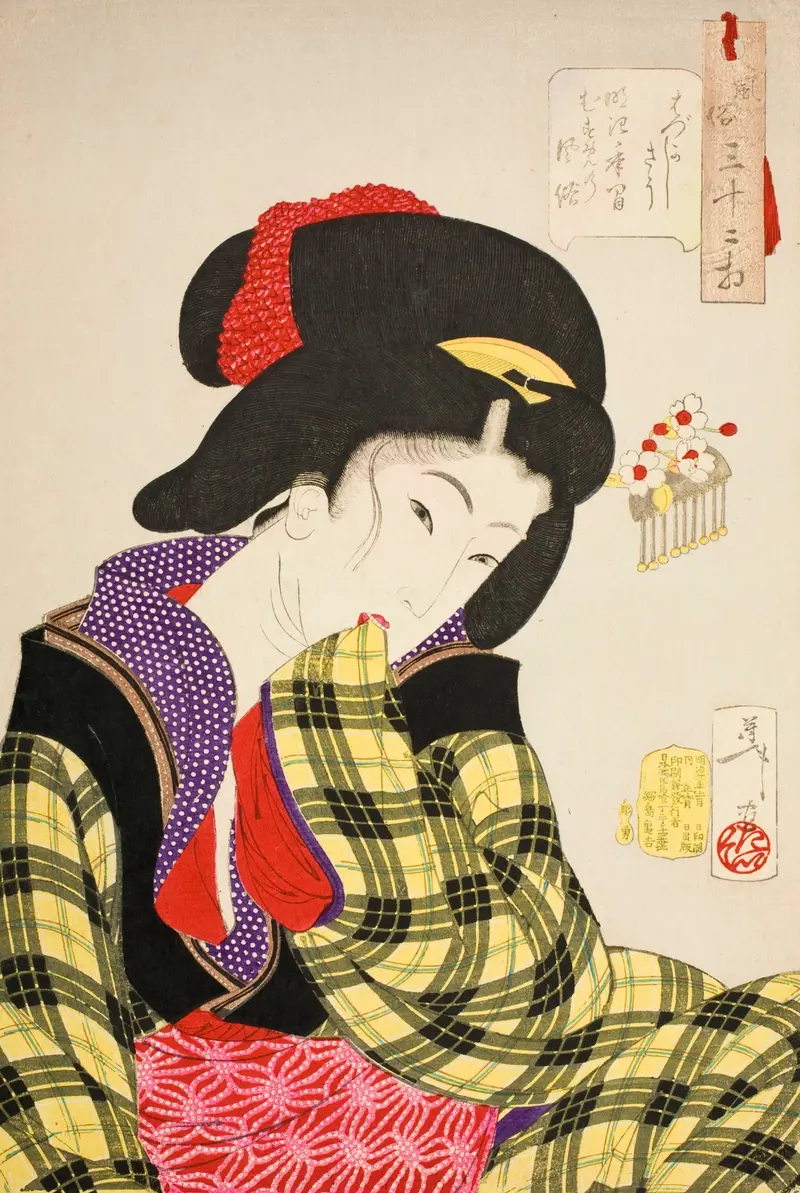
Looking Shy; The Manners of a Young Girl of the Meiji Era
Tsukioka Yoshitoshi
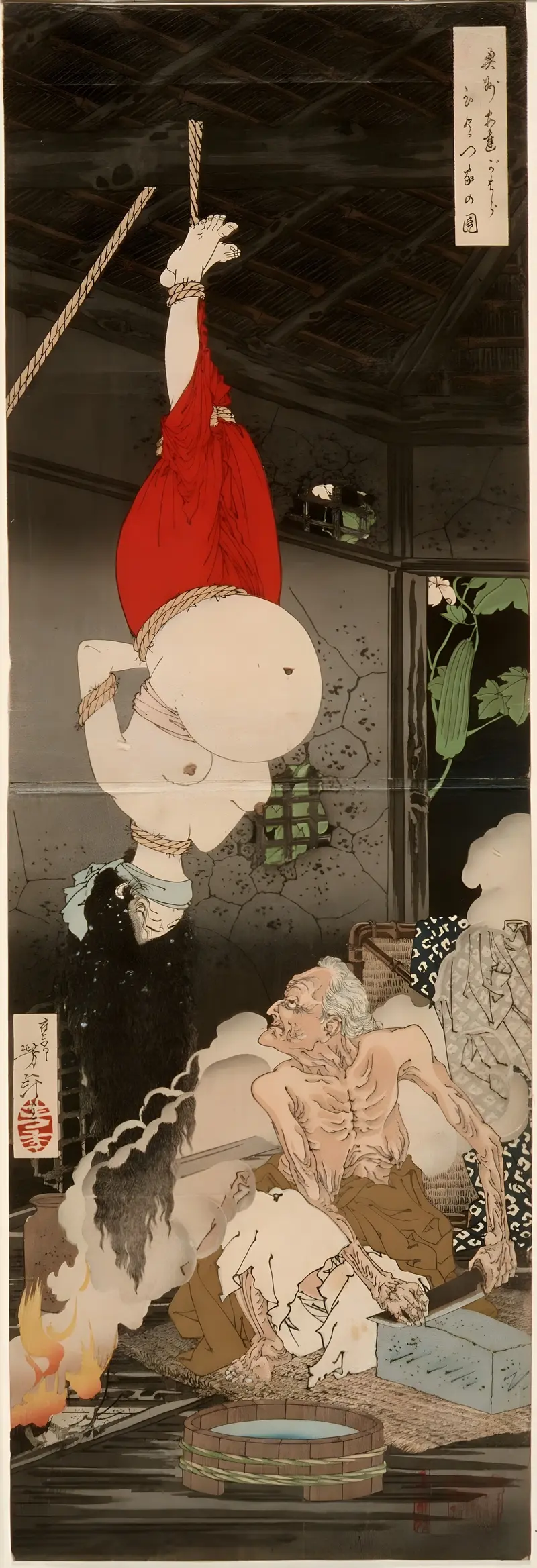
The Lonely House on Adachi Moor in Northern Japan
Tsukioka Yoshitoshi
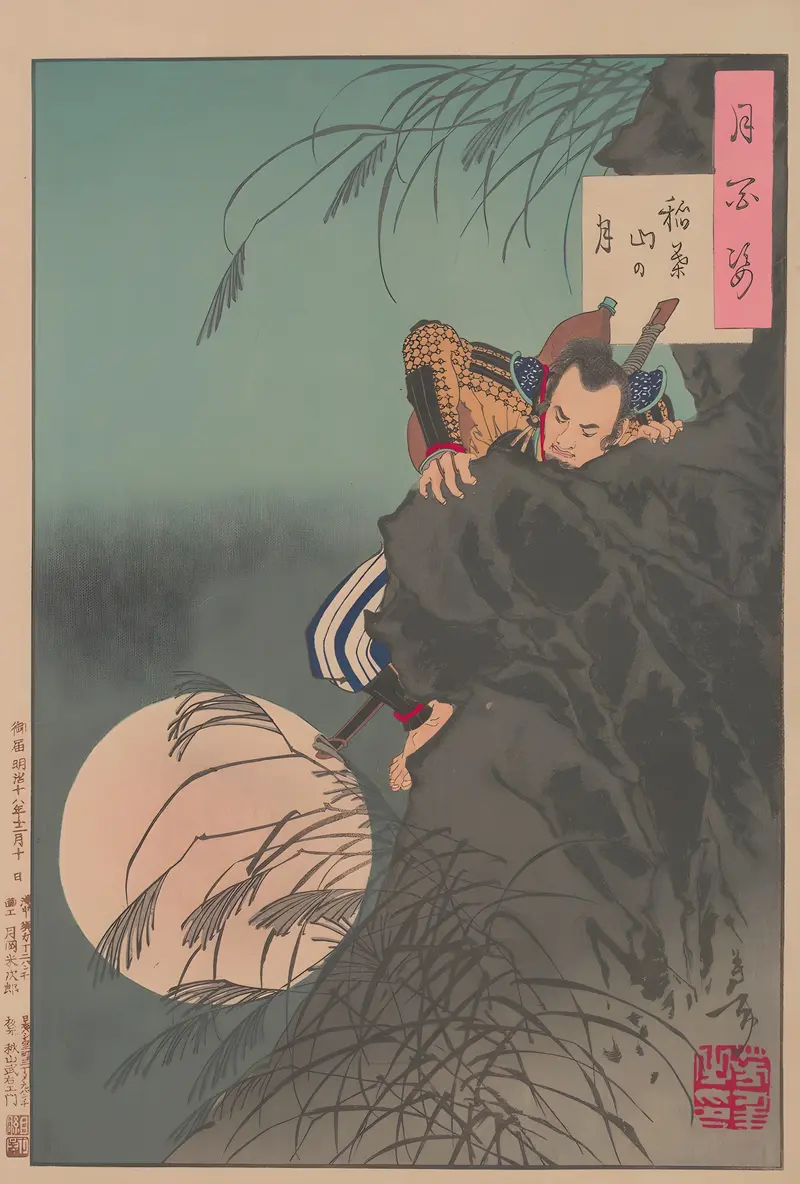
Inaba Mountain moon (Inabayama no tsuki)
Tsukioka Yoshitoshi
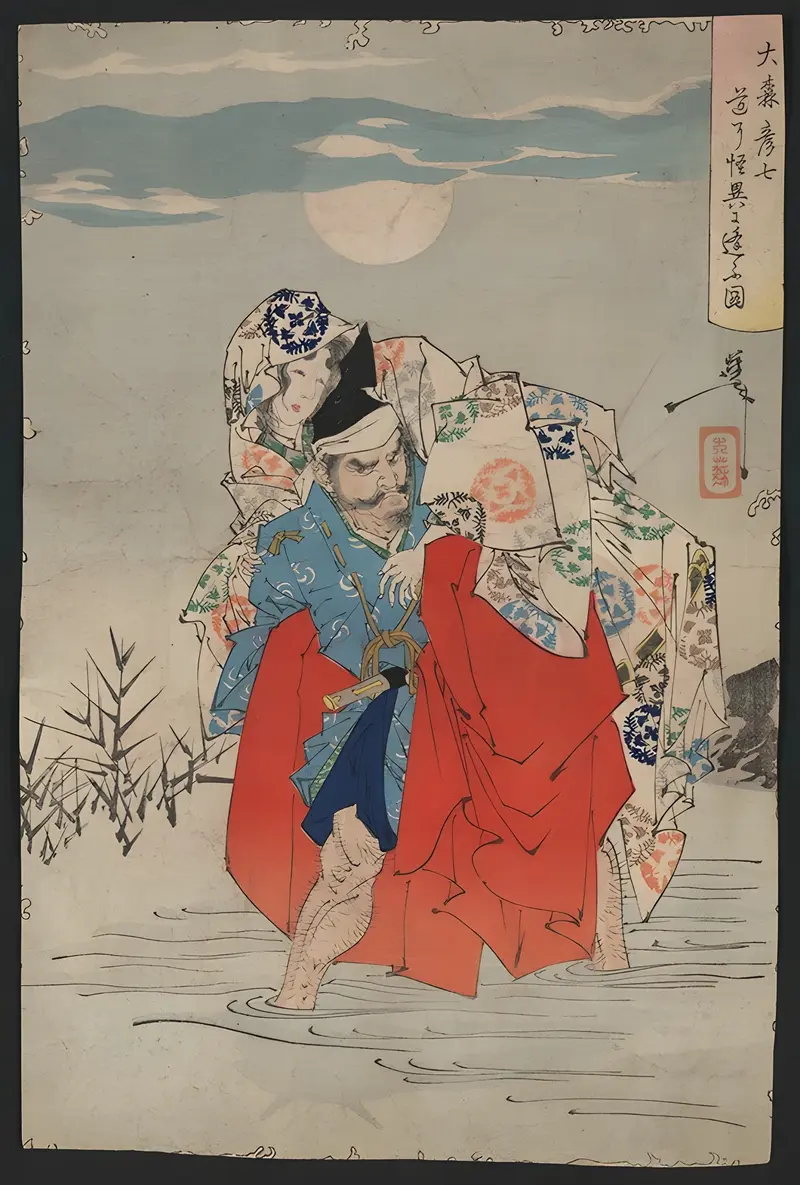
Omori Hikoshichi
Tsukioka Yoshitoshi
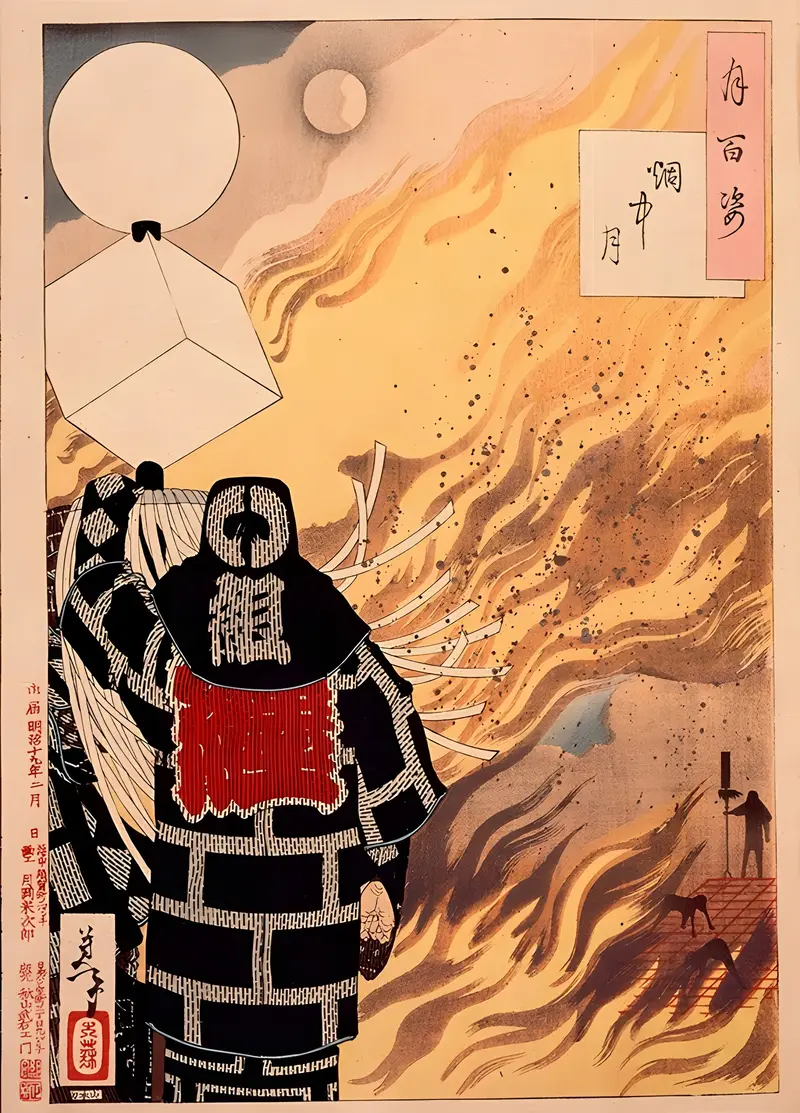
One Hundred Aspects of the Moon
Tsukioka Yoshitoshi
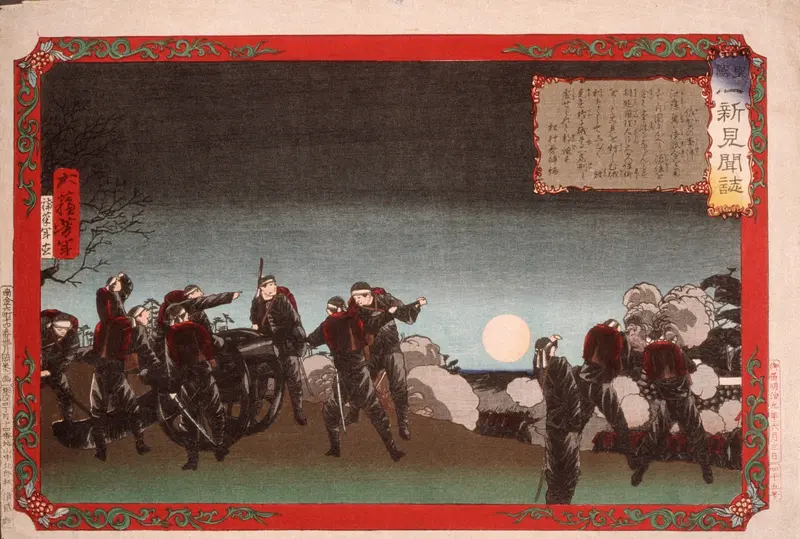
The Saga Incident
Tsukioka Yoshitoshi
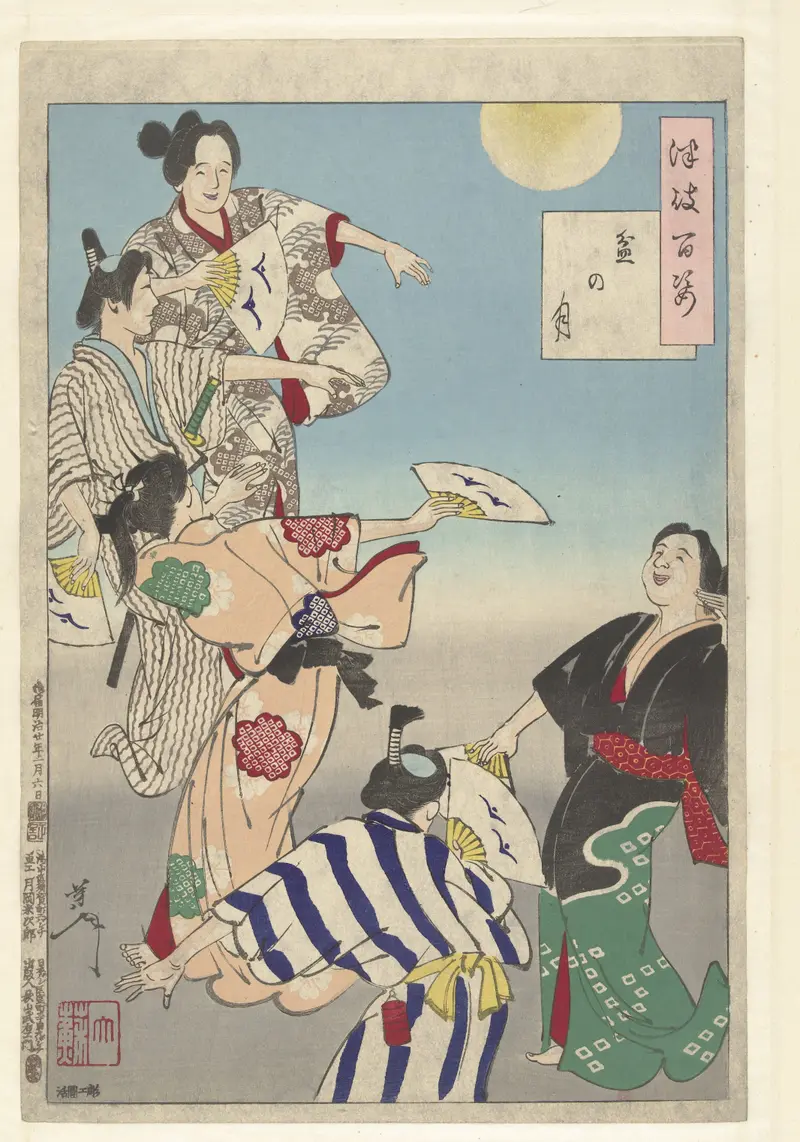
Bon Festival Moon (Bon no tsuki)
Tsukioka Yoshitoshi
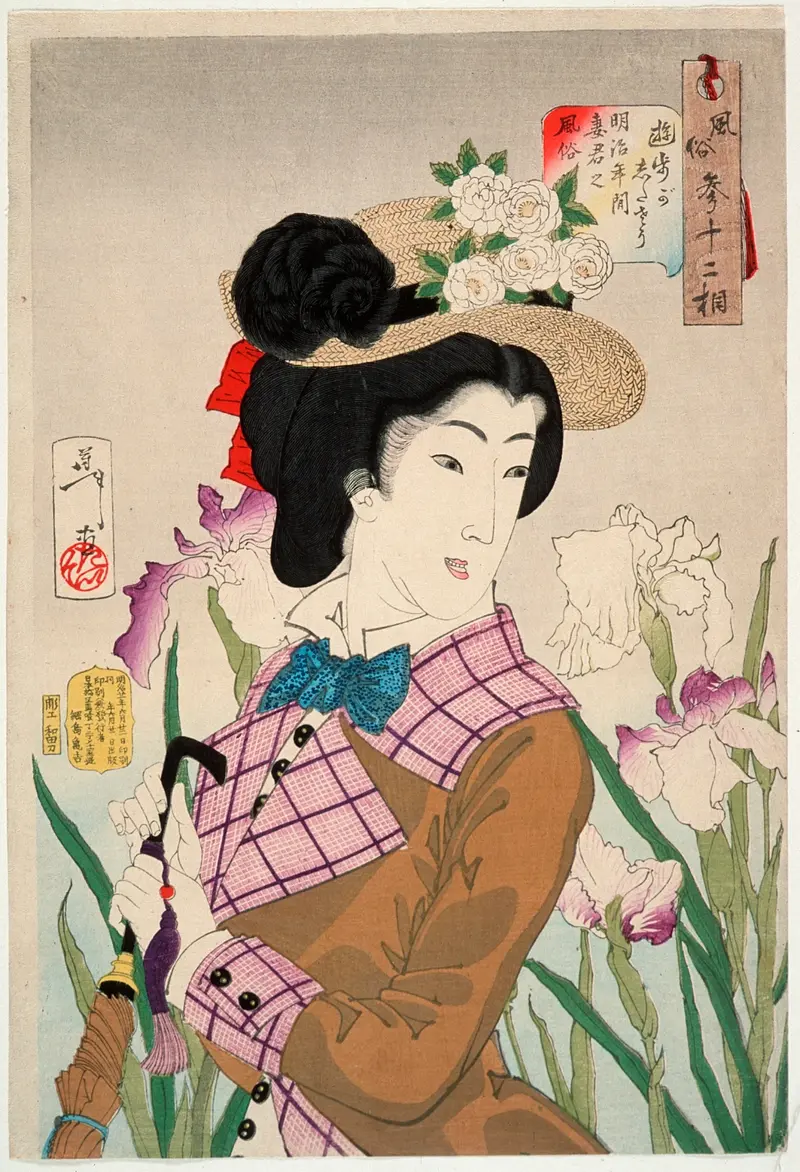
Preparing to Take a Stroll; The Wife of a Nobleman of the Meiji Period
Tsukioka Yoshitoshi
More Genre Scene Art

Banquet of the Officers of the St George Civic Guard
Frans Hals

Rembrandt and Saskia in the Scene of the Prodigal Son
Rembrandt van Rijn

Bal du moulin de la Galette
Pierre-Auguste Renoir

Quadrille at the Moulin Rouge
Henri de Toulouse-Lautrec

A Burial at Ornans
Gustave Courbet

When Will You Marry?
Paul Gauguin