Eight Apostles — History & Facts
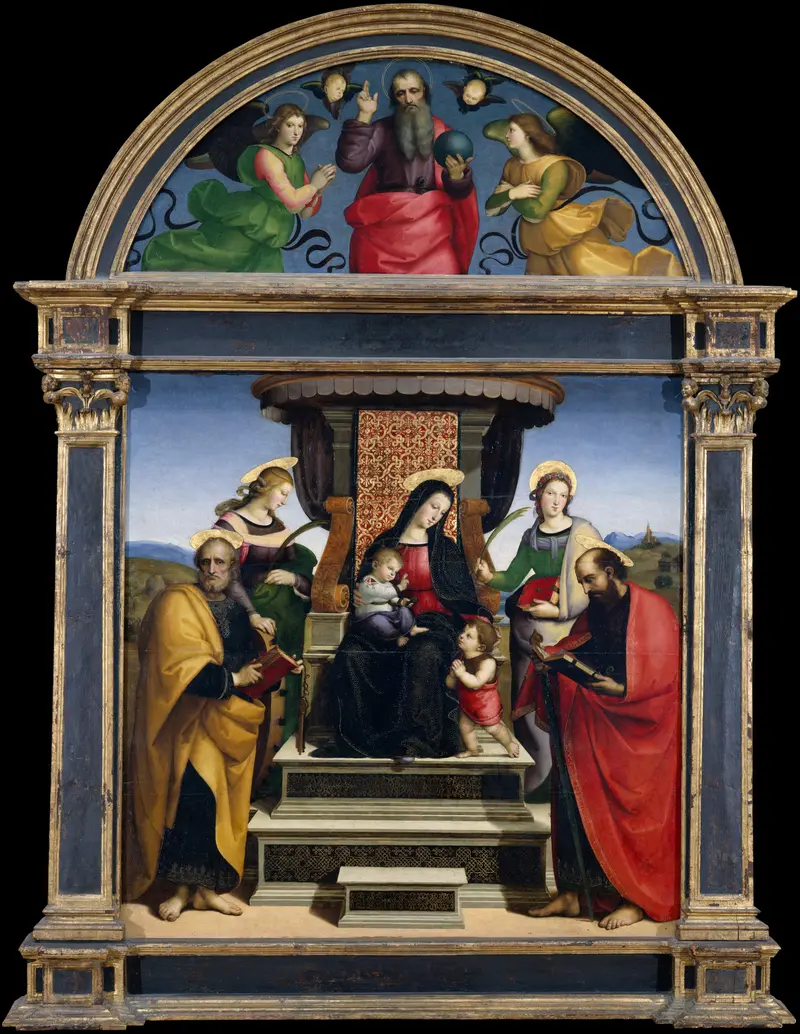
In Eight Apostles, Raphael presents a group of apostles in a serene and harmonious setting. The painting is characterized by its rich colors, with deep blues and warm earth tones dominating the palette. Each figure is distinct, showcasing a variety of expressions and gestures that convey their individual personalities.
The background features a soft landscape that enhances the spiritual atmosphere of the scene. The artwork is executed in oil on panel, a common medium during the Renaissance period. Raphael's technique is evident in the careful attention to detail and the use of light to create depth and dimension. The composition is balanced, with the apostles arranged in a way that draws the viewer's eye across the painting.
The overall effect is one of unity and peace, inviting contemplation. Raphael, a key figure of the High Renaissance, created this work around c. 1510, during a time of great artistic innovation. The Eight Apostles reflects his mastery of human emotion and expression, which was revolutionary for its time.
An interesting fact about this painting is that it was originally part of a larger altarpiece, emphasizing its intended role in religious worship. Today, it is housed in the Museo del Prado, where it continues to inspire visitors.
More Artworks by Raphael
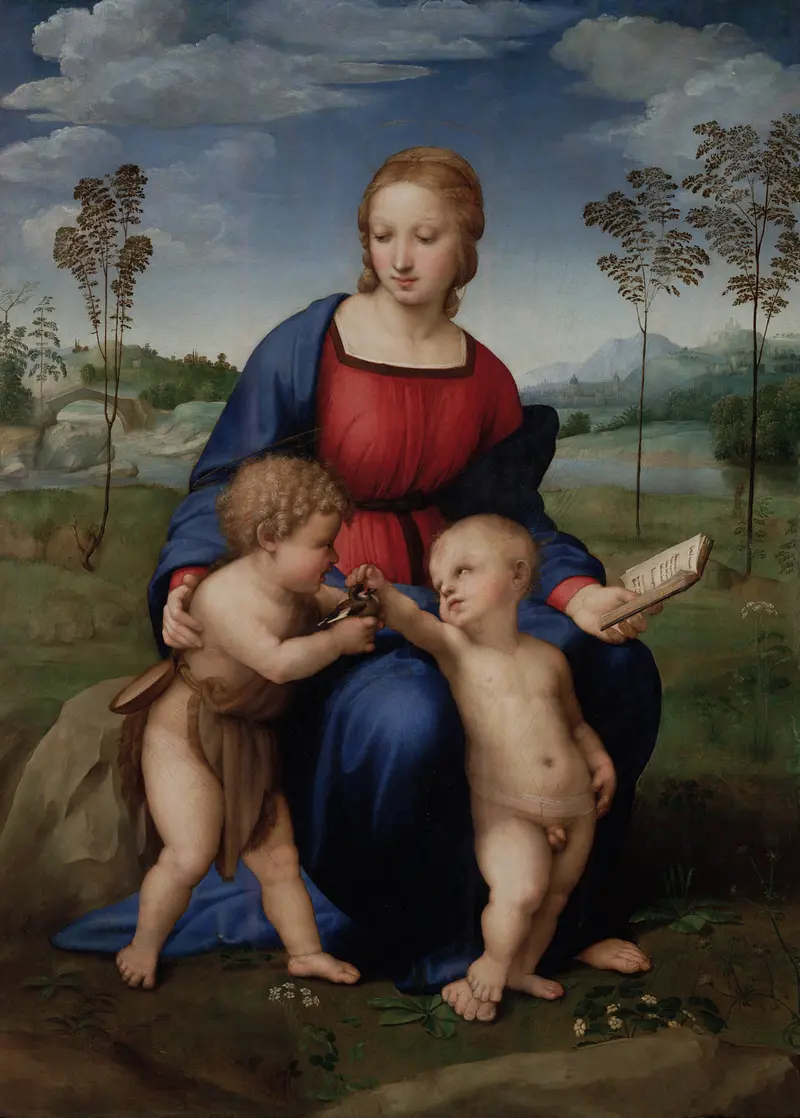
Madonna of the Goldfinch
Raphael

Madonna with the Fish
Raphael
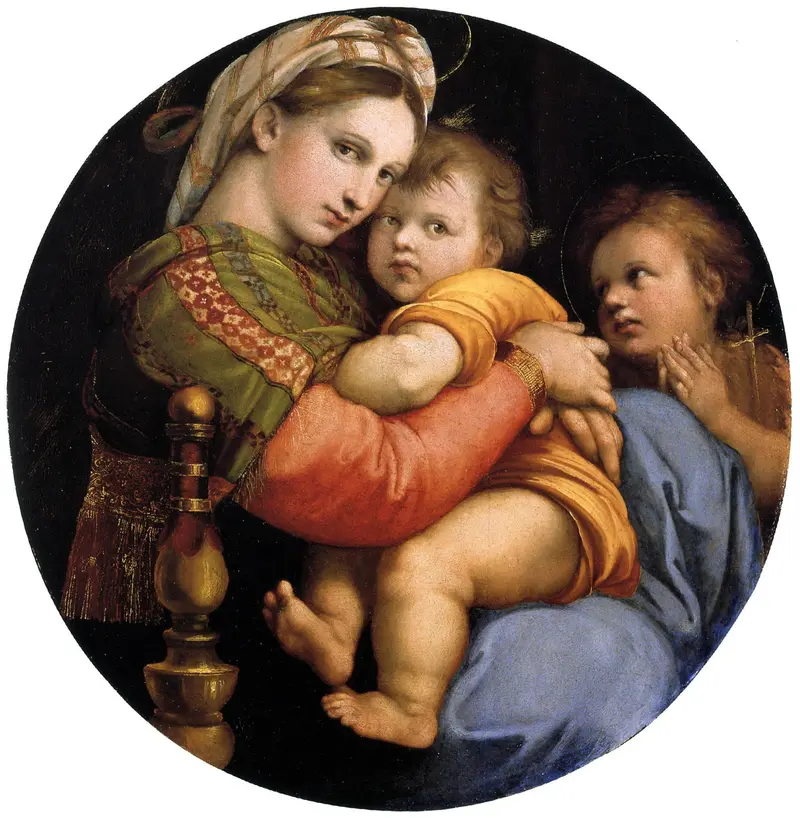
Madonna and Child (Madonna della Seggiola)
Raphael
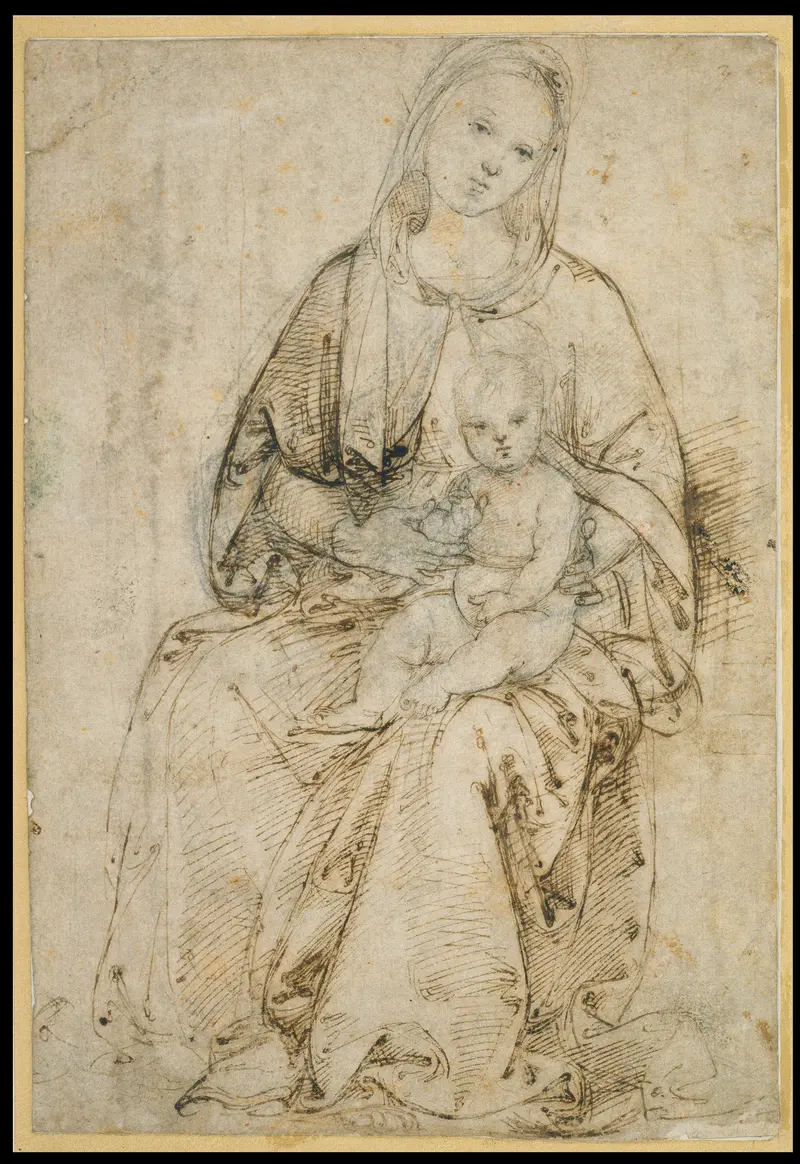
Seated Madonna and Child
Raphael
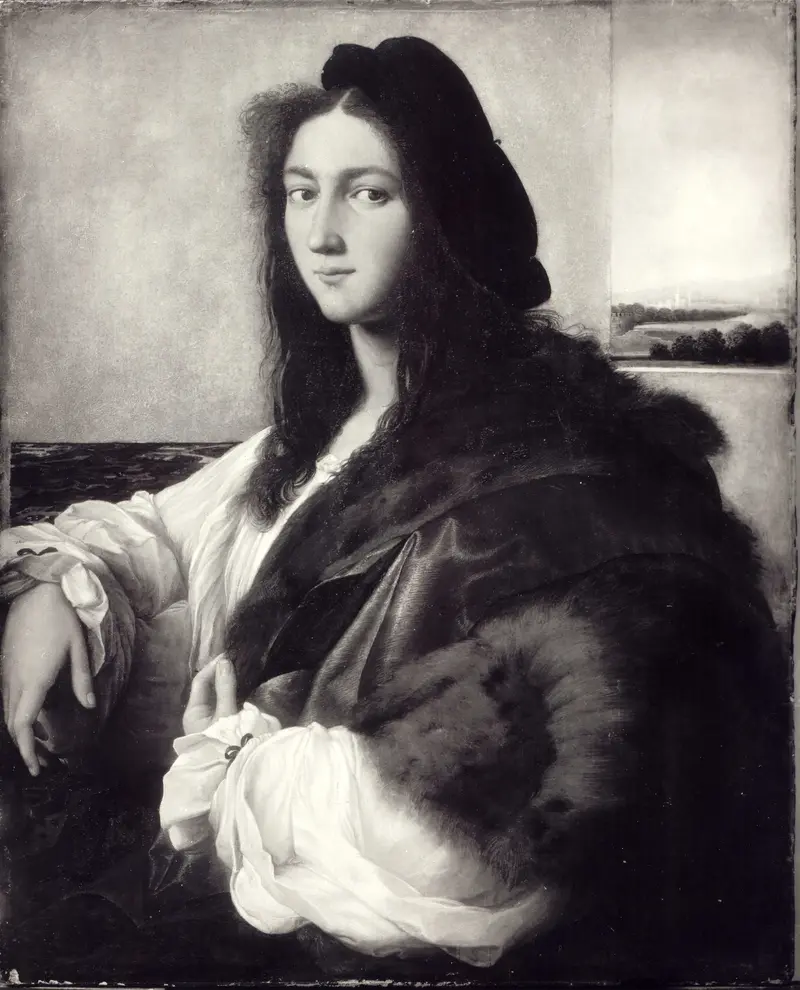
Portrait of a Young Man
Raphael
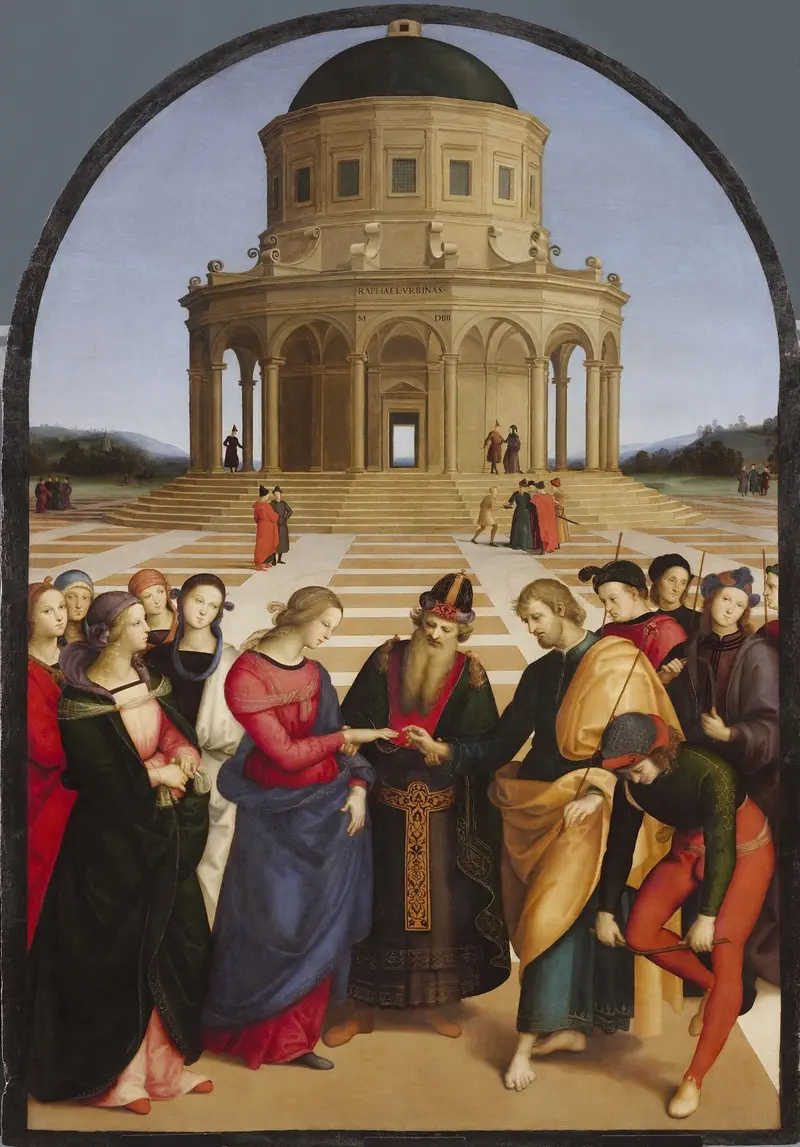
The Marriage of the Virgin
Raphael
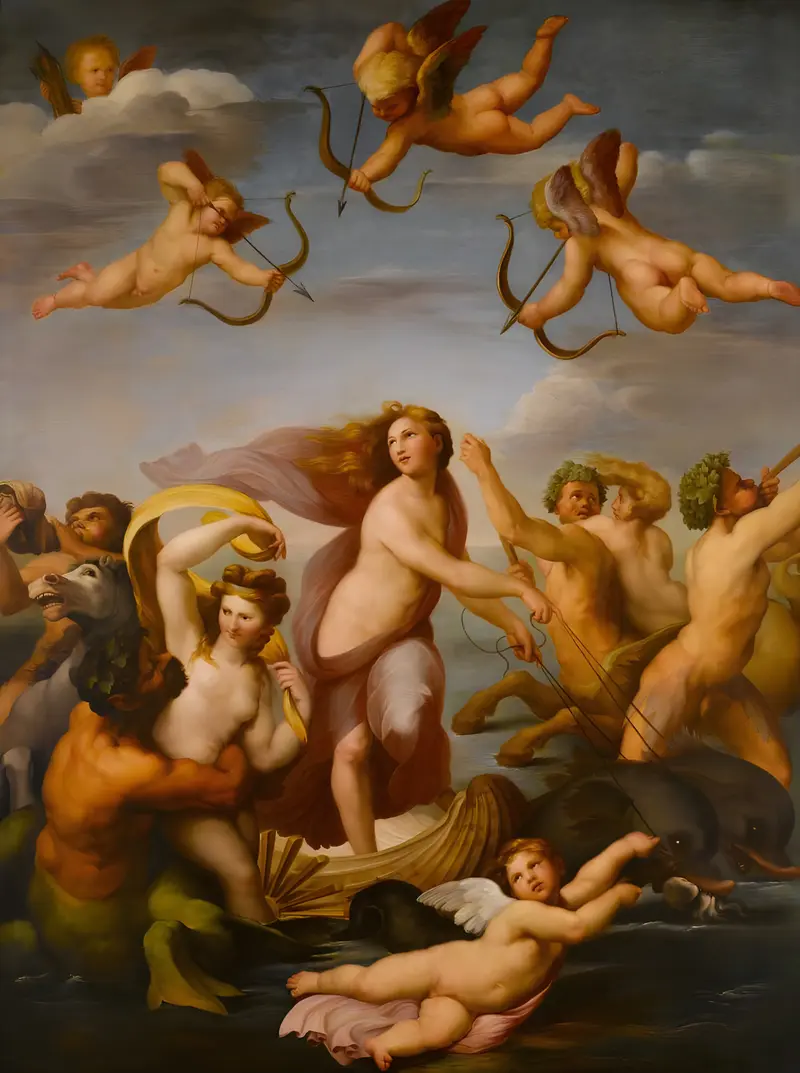
The Triumph of Galatea (copy after Raphael)
Raphael
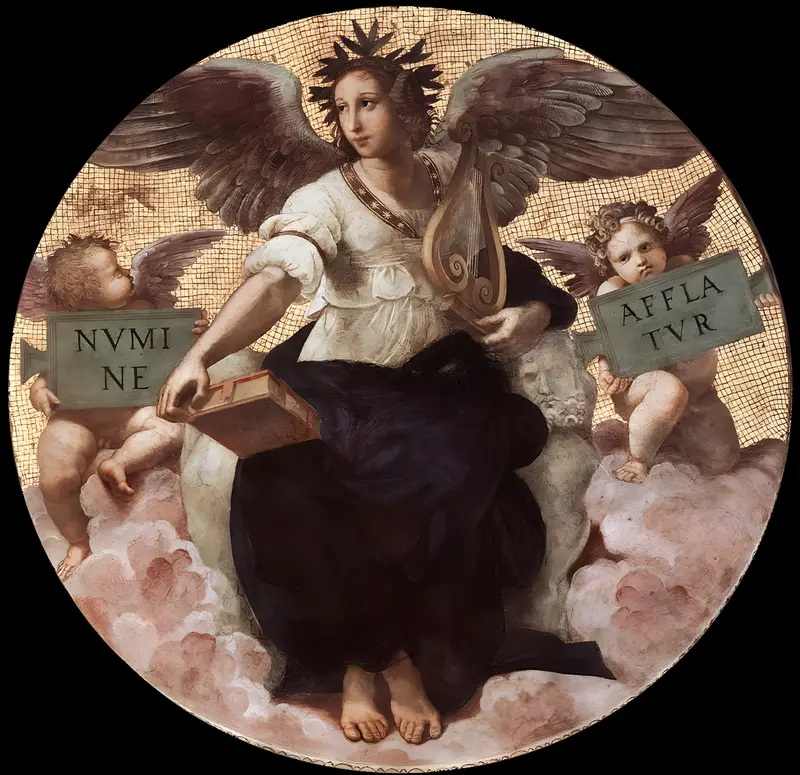
Poetry
Raphael
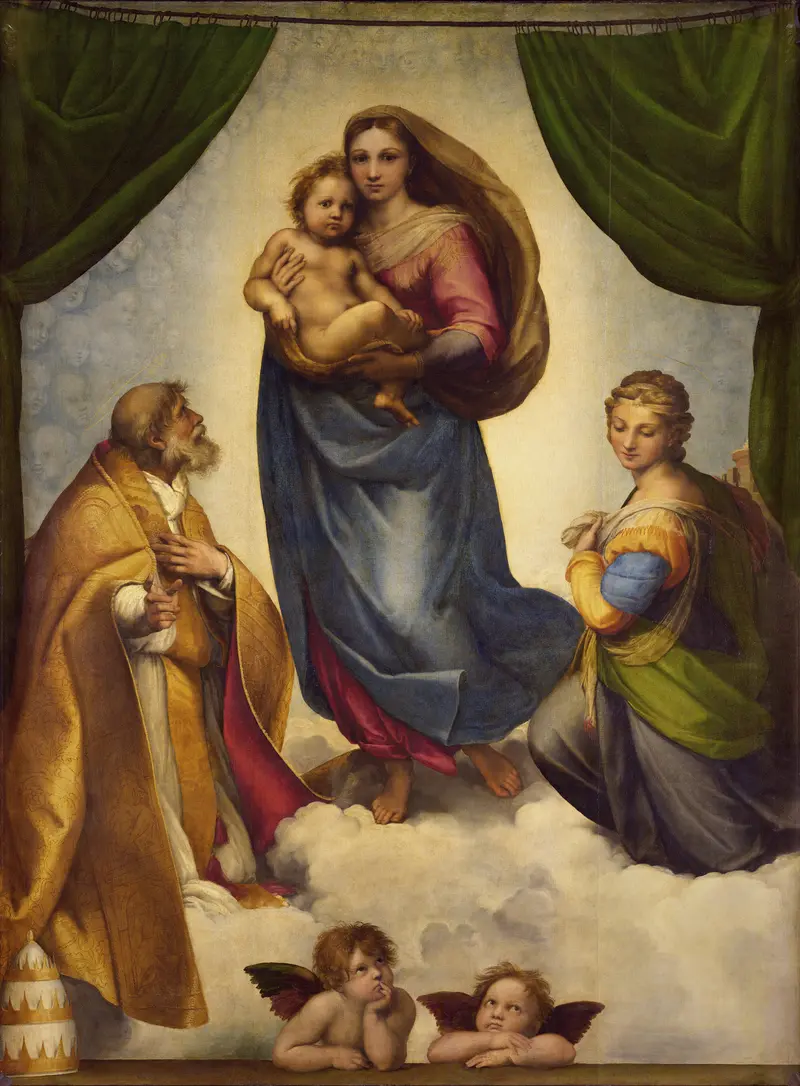
Sistine Madonna
Raphael
Madonna and Child Enthroned with Saints
Raphael