
Enclosed Field with Ploughman — History & Facts
In the tapestry of nature, the truth often lies hidden beneath the surface, waiting for the discerning eye to unravel it. Look to the center of the canvas where the ploughman, a solitary figure, bends deeply over his toil. The surrounding field, painted in vibrant strokes of green and yellow, pulses with life yet feels contained within its earthy boundaries. Notice how the sun casts golden highlights, creating a chiaroscuro effect that draws your gaze toward the man's labor.
The swirling sky above—a vivid blue streaked with white clouds—contrasts sharply with the stillness of the ground, evoking both serenity and tension. Beneath the vibrant colors lies a reflection of struggle. The ploughman’s bent back suggests a connection to the earth that is laden with both the weight of toil and the promise of harvest. The enclosed field symbolizes isolation, acting as a barrier against the chaos of the outside world, while simultaneously suggesting a yearning for freedom.
Van Gogh’s bold brush strokes convey not just the physical act of farming but also echo an inner emotional landscape marked by perseverance and hope amidst hardship. In 1889, while living in the asylum of Saint-Rémy-de-Provence, the artist created this piece as a representation of his own inner battles. The world of art was shifting, with movements like Impressionism gaining momentum, yet Van Gogh’s style remained uniquely intense and personal. This work, like many others during this turbulent period, reflects his quest to express beauty found in daily life and the profound complexities of human emotion.
More Artworks by Vincent van Gogh
Browse all →
Starry Night
Vincent van Gogh
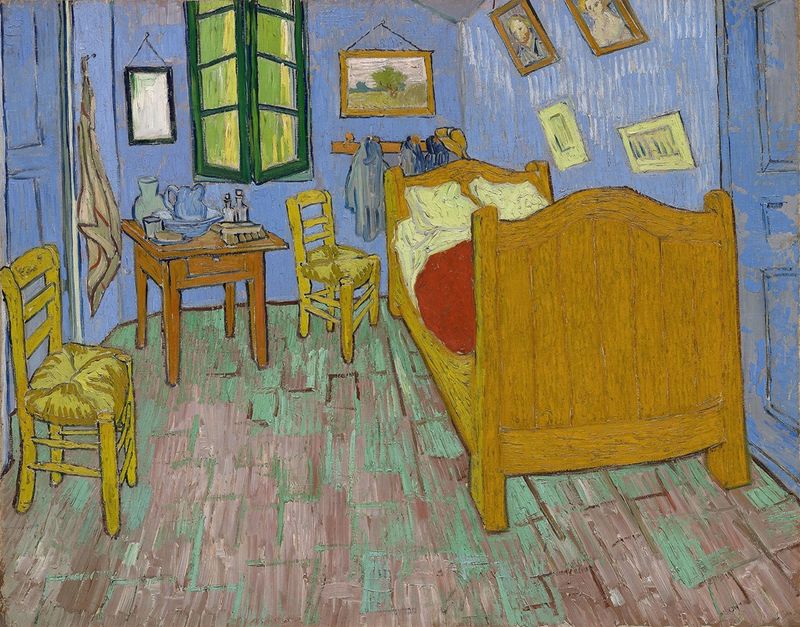
The Bedroom
Vincent van Gogh
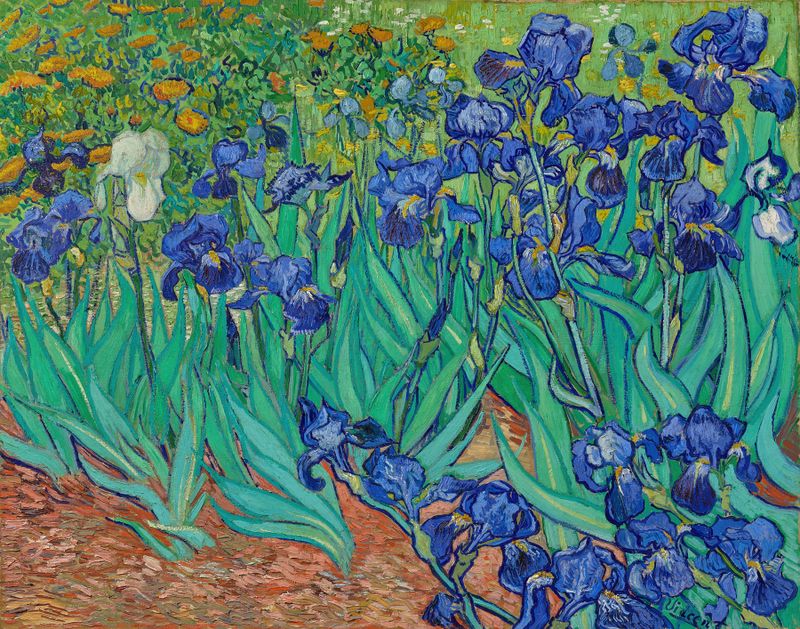
Irises
Vincent van Gogh
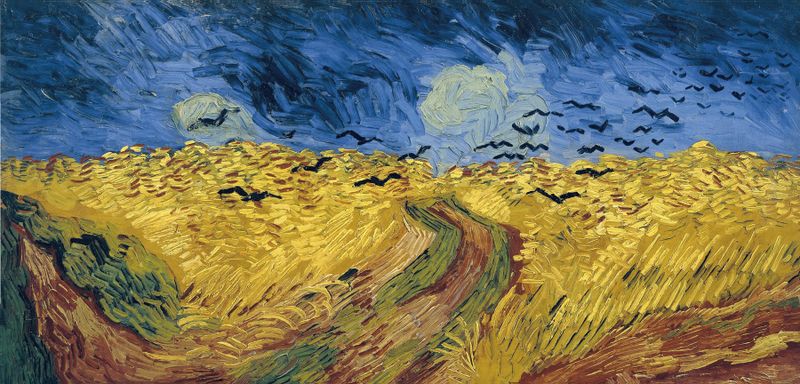
Wheatfield with Crows
Vincent van Gogh
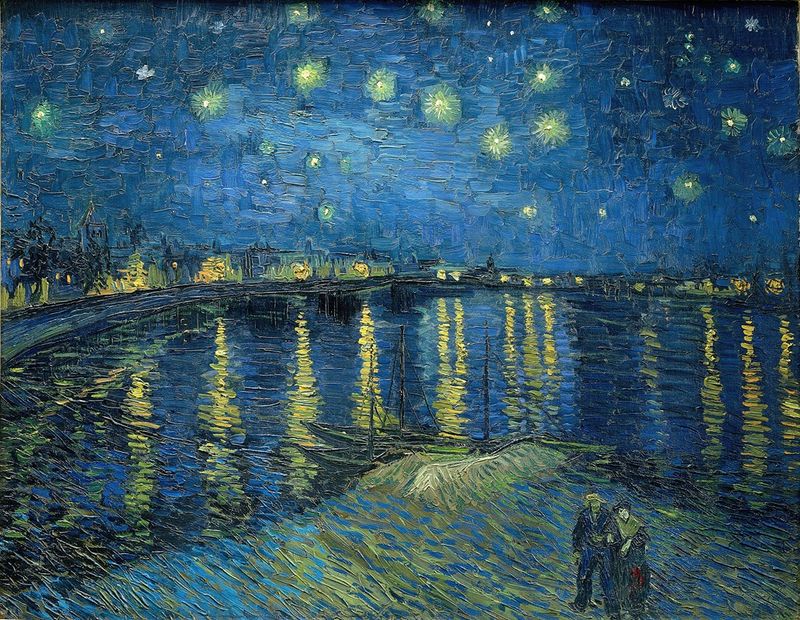
Starry Night over the Rhone
Vincent van Gogh

The yellow house
Vincent van Gogh
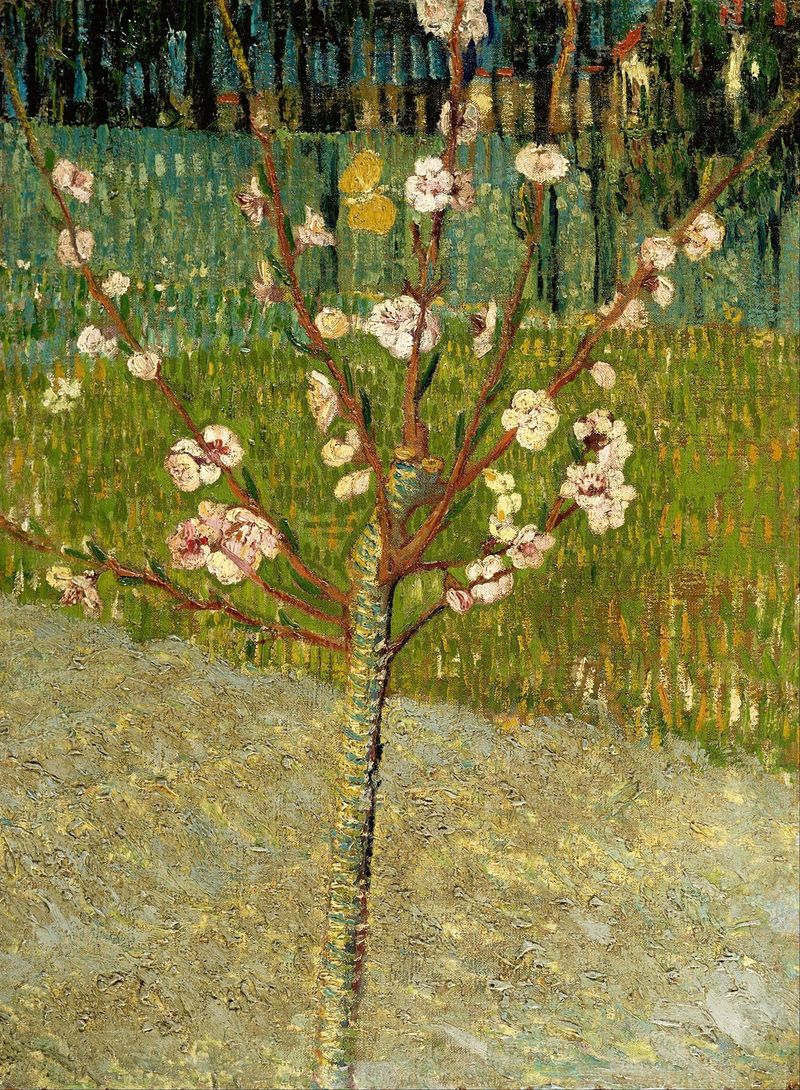
Almond tree in blossom
Vincent van Gogh

Portrait of Dr Gachet
Vincent van Gogh

The Church in Auvers-sur-Oise, View from the Chevet
Vincent van Gogh

Self-Portrait
Vincent van Gogh





