
Encounter between the English and the Dutch Fleets at La Hogue 29th May — History & Facts
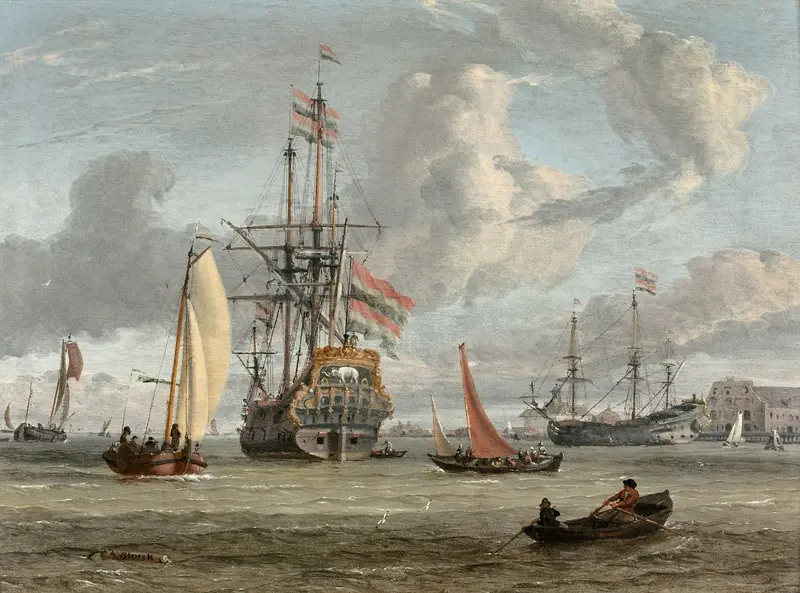
The eye is pulled instantly to the thunderous heart of the action, where towering ships crowd together beneath a sky thick with gun smoke and wind-filled sails. The painter, Abraham Storck, orchestrates a ballet of chaos and order: cannon fire bursts from the hulls, while the flags—stiff in the wind—signal the clash of nations. In the foreground, small boats teem with desperate figures, their gestures sharp with urgency, some rowing, some reaching, all dwarfed by the immense hulls behind them.
The light—cool and clear—cuts across the water, catching the foam and the rigging, lending a strange clarity to the confusion of battle. The whole scene is alive with motion, yet every detail is crisply rendered, from the billowing clouds to the intricate sterns of the warships. This painting belongs to the world of late seventeenth-century maritime art, when naval battles were not only news but spectacle, painted to commemorate power and inspire awe. Dutch artists like Storck specialized in these grand seascapes, often commissioned by admirals, shipowners, or city councils eager to display their nation’s prowess at sea.
Created between 1692 and 1710, this work now resides in the collection at http://collection.smk.dk, a reminder of a time when the fate of empires was decided on water. The genre itself was shaped by a Europe in flux, where alliances shifted and the sea lanes were the arteries of wealth and war. Look again at the faces and flags—each one a fragment of a vanished world, held fast in paint and memory.
More Artworks by Abraham Storck

The Muscovite legation visiting Amsterdam, 29 August 1697
Abraham Storck
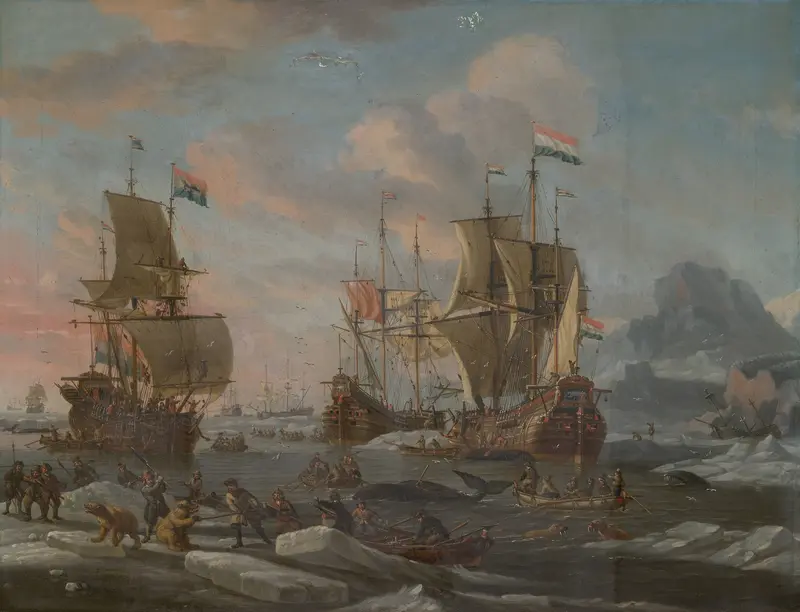
The Dutch Whaling Fleet
Abraham Storck
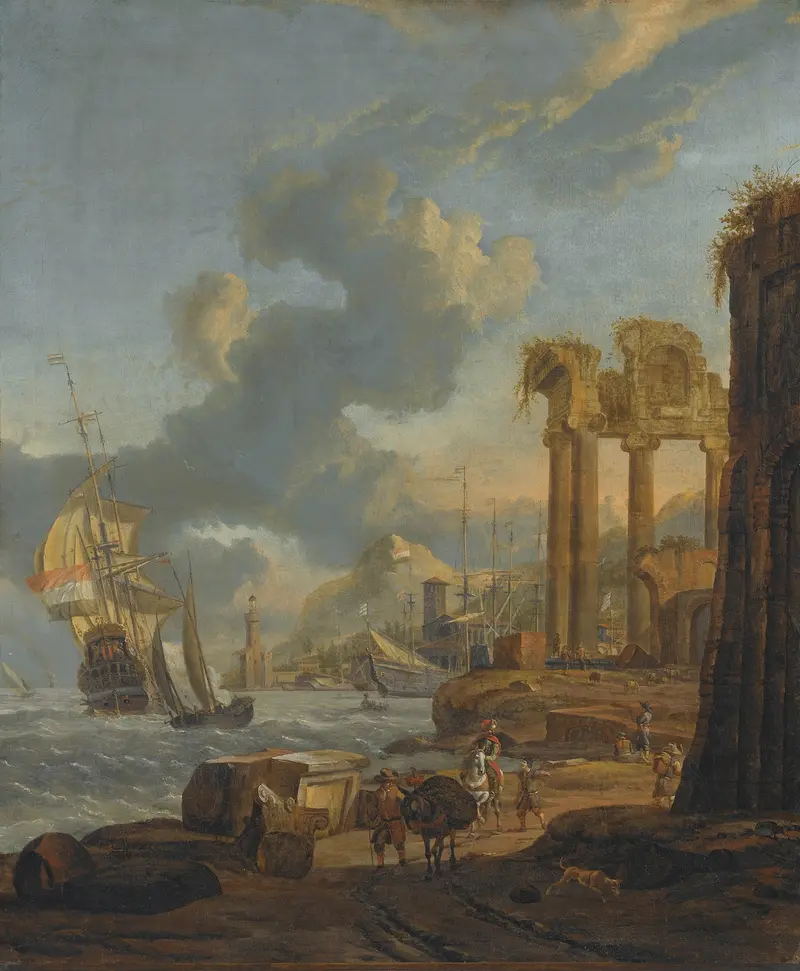
A Mediterranean Harbour Scene With Travellers On The Shore, A Dutch Man-Of-War On The Left
Abraham Storck
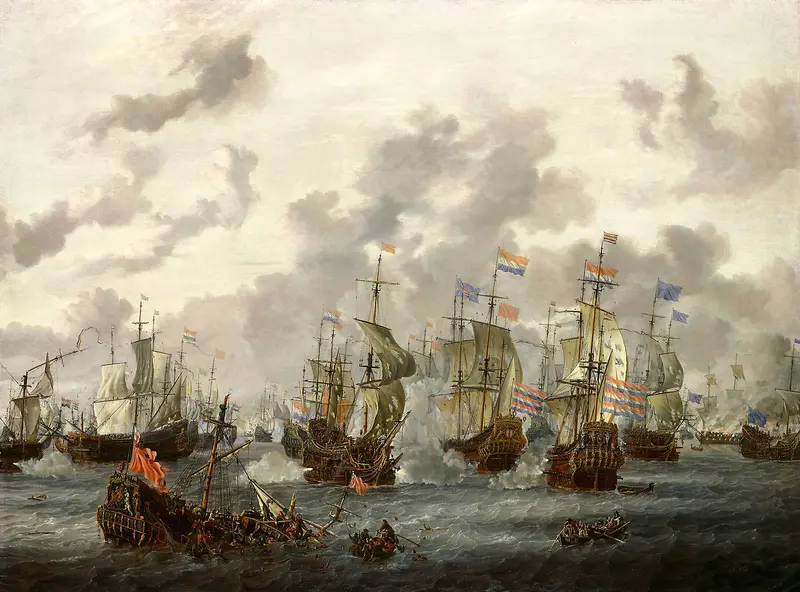
The Four Days’ Battle
Abraham Storck
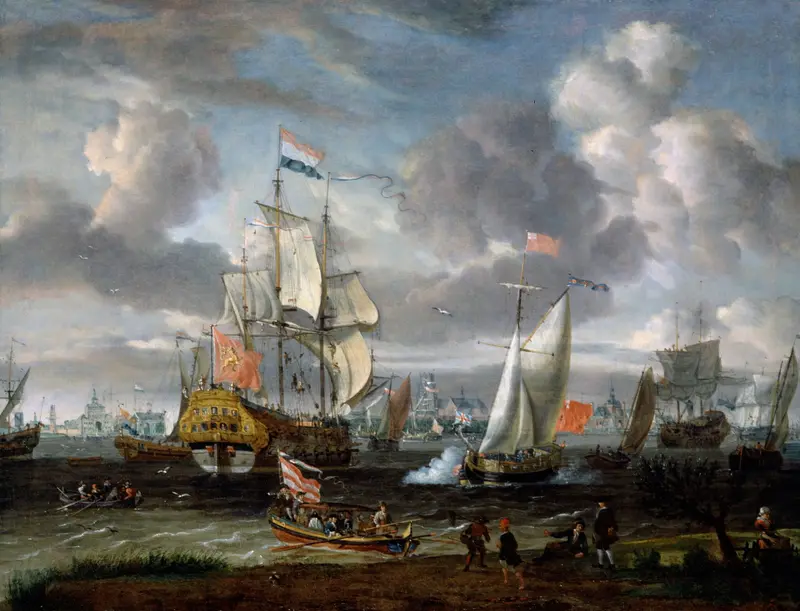
An English Yacht saluting a Dutch Man-of-War in the port of Rotterdam
Abraham Storck
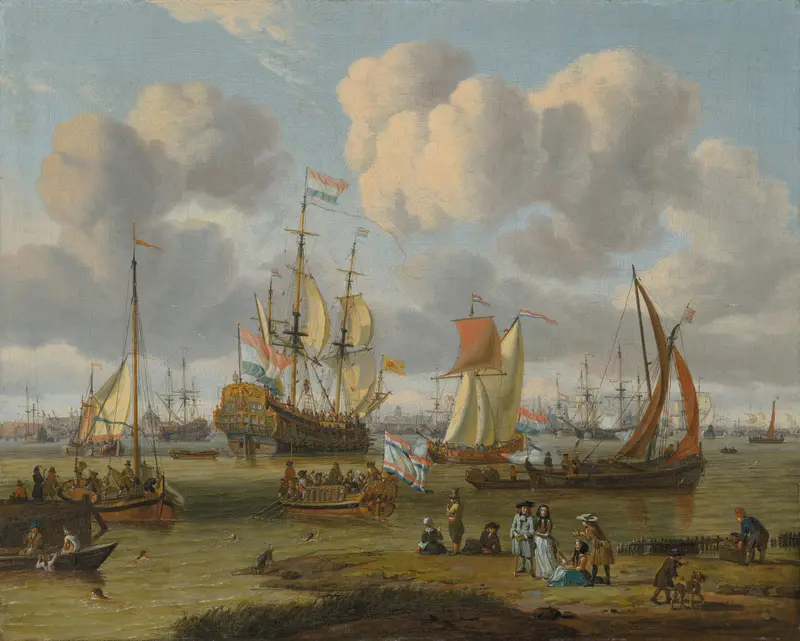
Shipping off Amsterdam with figures on a quay
Abraham Storck
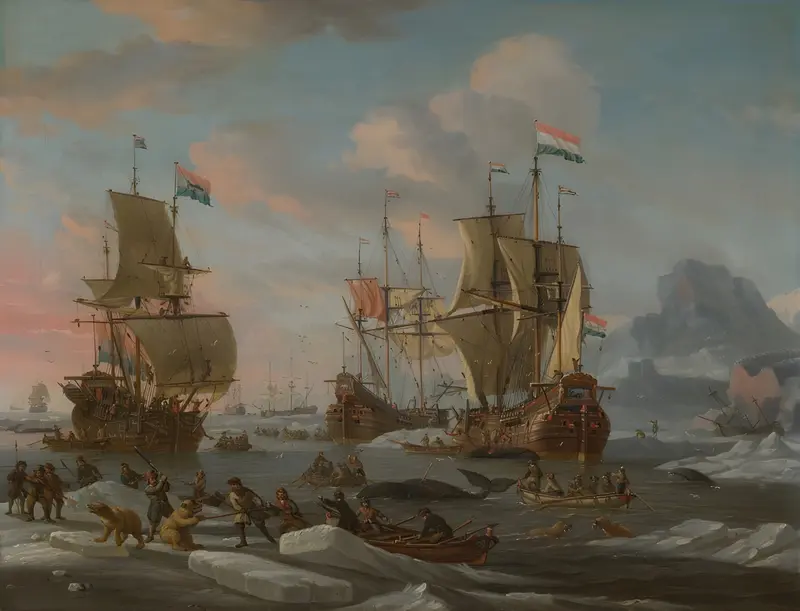
The Dutch Whaling Fleet
Abraham Storck
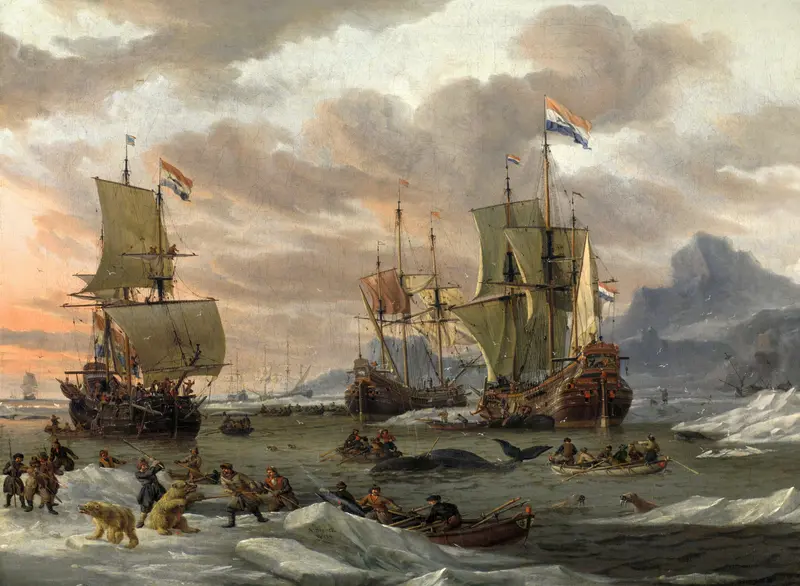
Whaling Grounds in the Arctic Ocean
Abraham Storck
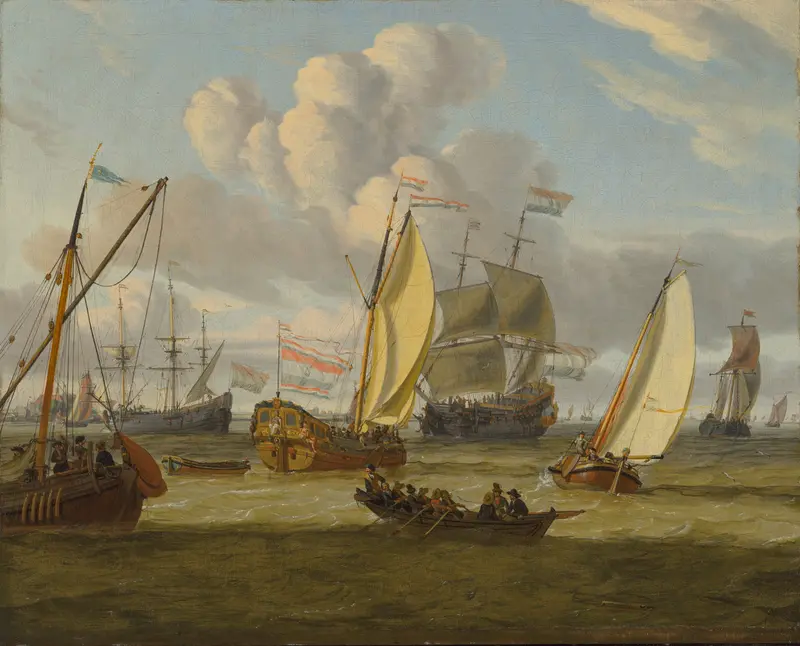
Shipping in an estuary
Abraham Storck
Grand navire de la couronne du Danemark près d’un littoral
Abraham Storck





