
Enthroned Madonna Adoring the Sleeping Christ Child — History & Facts
When Giovanni Bellini painted Enthroned Madonna Adoring the Sleeping Christ Child around 1475, he was embarking on a radical shift in Venetian painting: bringing a new softness and inwardness to religious subjects. This work stands at the threshold of Bellini’s mature style, when he began to move away from the rigid forms of his early training and toward a more natural, emotionally resonant depiction of the sacred. The painting has drawn particular attention because, unlike many earlier Madonna images, the Virgin here is not presenting her child to the viewer but is absorbed in private adoration, her gaze gentle and contemplative. The scene captures a moment of stillness: the Madonna sits enthroned, her hands folded in prayer, eyes lowered toward the sleeping infant Christ.
The Christ Child lies across her lap, his vulnerability emphasized by his peaceful slumber, a subtle allusion to his future sacrifice. Bellini’s use of soft light and delicate color creates an atmosphere of quiet intimacy, while the throne and cloth of honor behind Mary signal her status as Queen of Heaven. Unlike the more formal, iconic Madonnas of Piero della Francesca, Bellini’s Virgin is deeply human, her devotion marked by a mother’s tenderness rather than regal detachment. The exact origins of this painting are uncertain; no documented patron survives, and its early history is lost to time.
However, works of this type were often commissioned for private devotion in wealthy Venetian homes or small chapels. Over the centuries, Enthroned Madonna Adoring the Sleeping Christ Child has been attributed, debated, and admired as an early milestone in Bellini’s long career, helping to establish his reputation as the leading painter of the Venetian Renaissance. Today, it stands as a testament to his evolving style and the spiritual quietude that would become his hallmark.
More Artworks by Giovanni Bellini
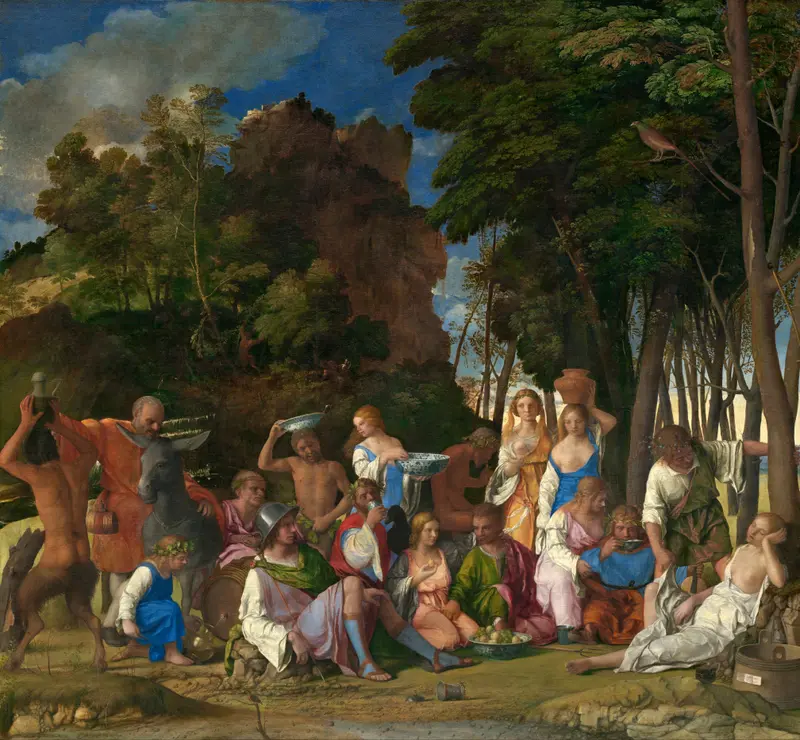
The Feast of the Gods
Giovanni Bellini

Madonna and Child enthroned with Saints and Angels
Giovanni Bellini
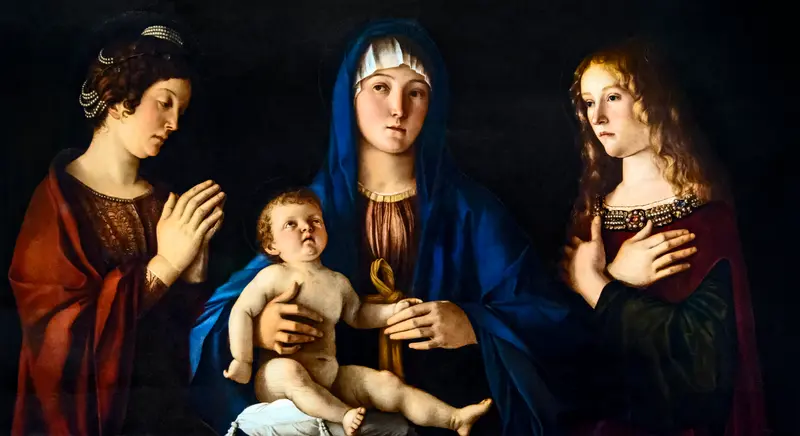
Madonna and Child between Saints Catherine and Mary Magdalene
Giovanni Bellini
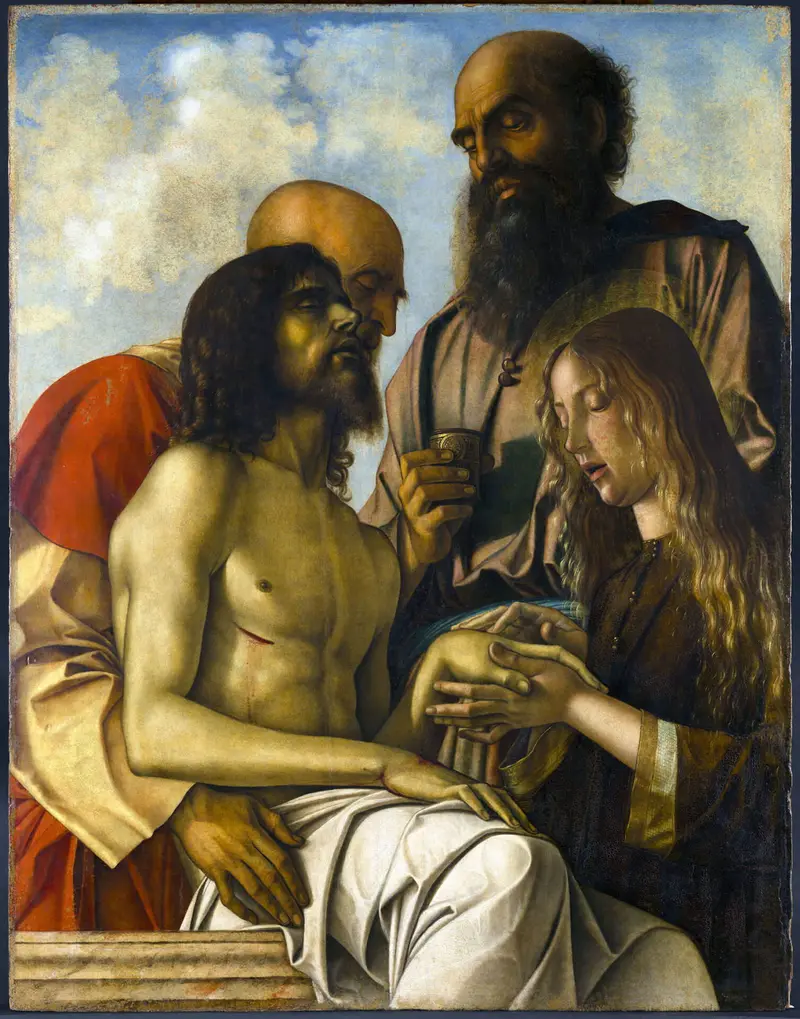
Lamentation over the Dead Christ
Giovanni Bellini
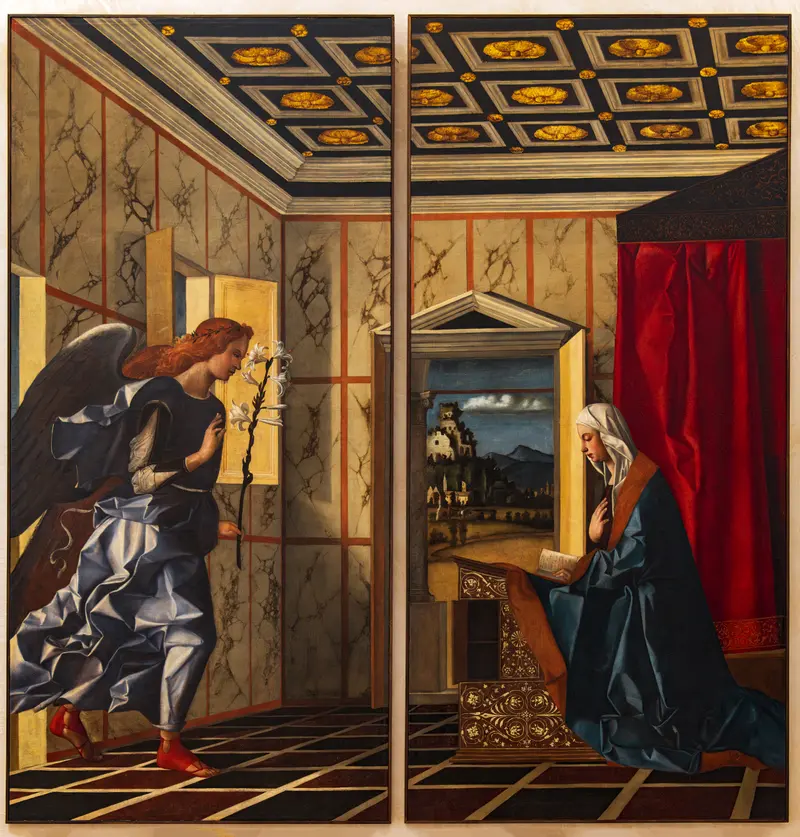
Annunciation
Giovanni Bellini
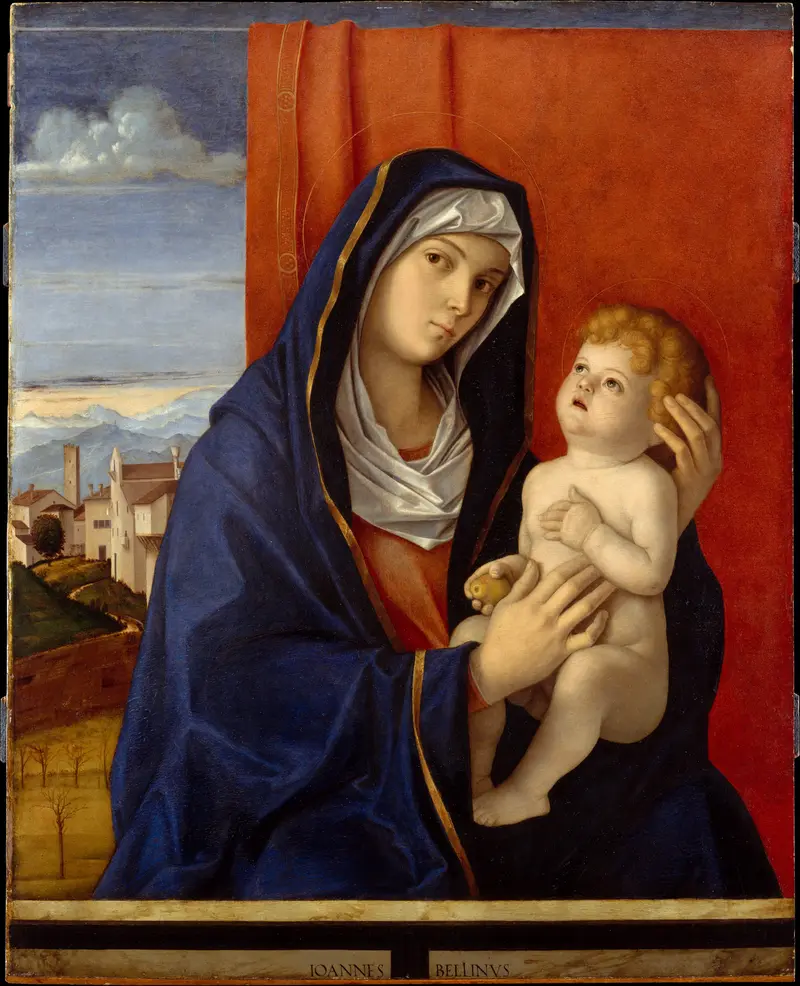
Madonna and Child
Giovanni Bellini
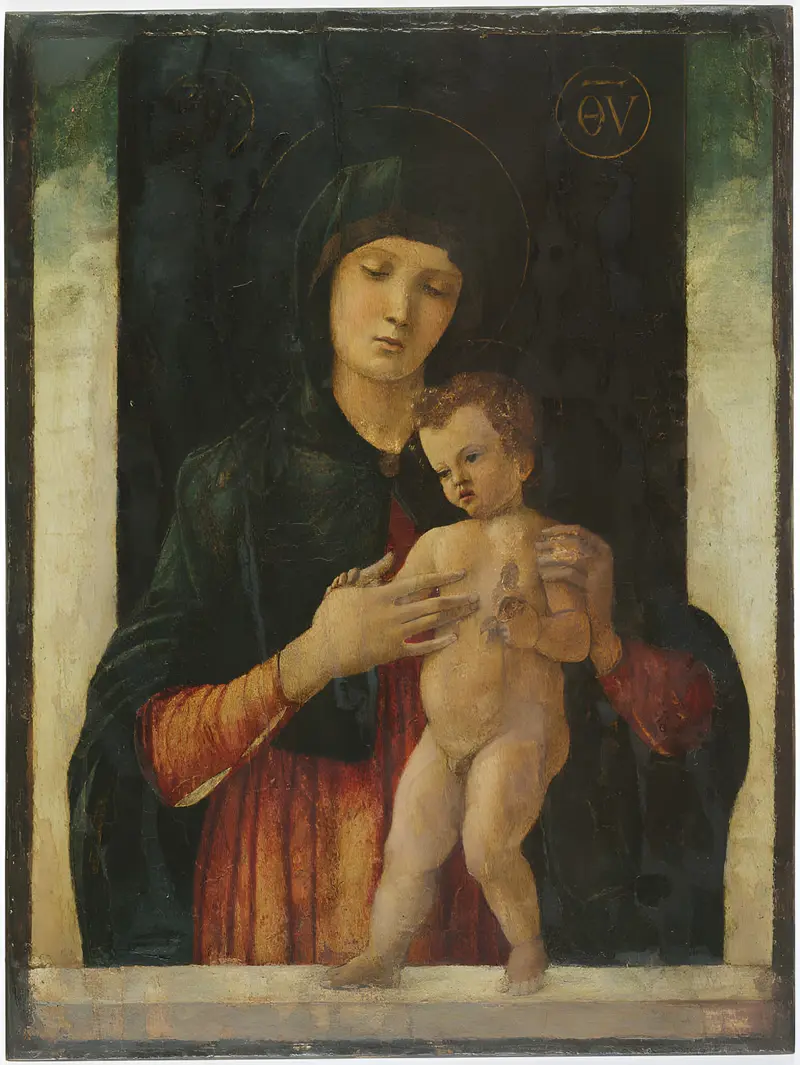
The Virgin and Child
Giovanni Bellini
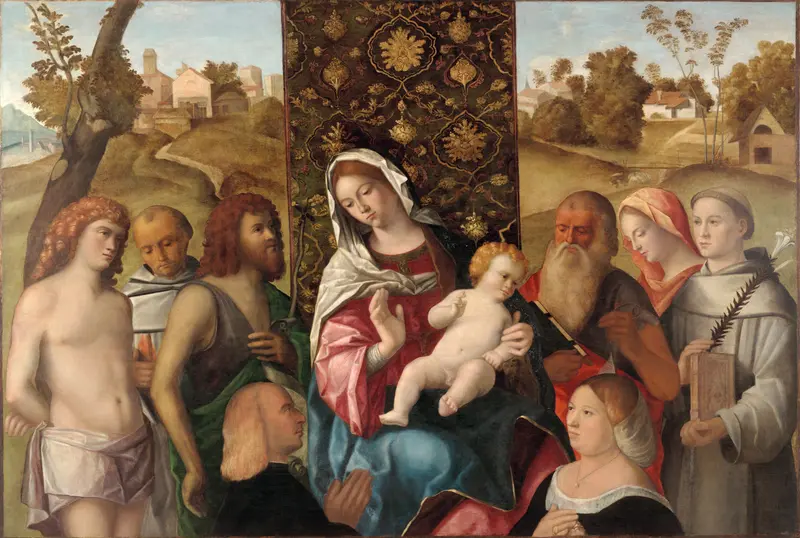
Virgin and Child with Saints Sebastian, Francis, John the Baptist, Jerome, an unidentified female saint, Saint Anthony of Padua and two donors
Giovanni Bellini
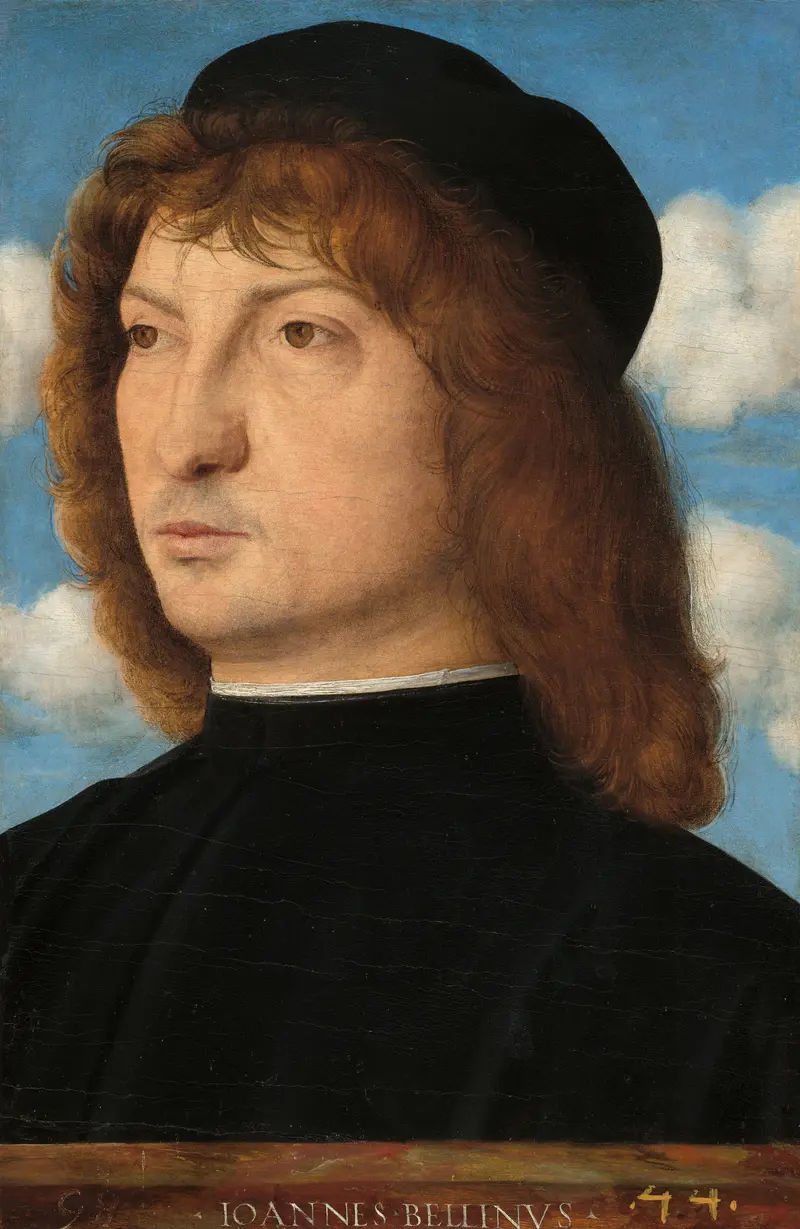
Portrait of a Venetian Gentleman
Giovanni Bellini
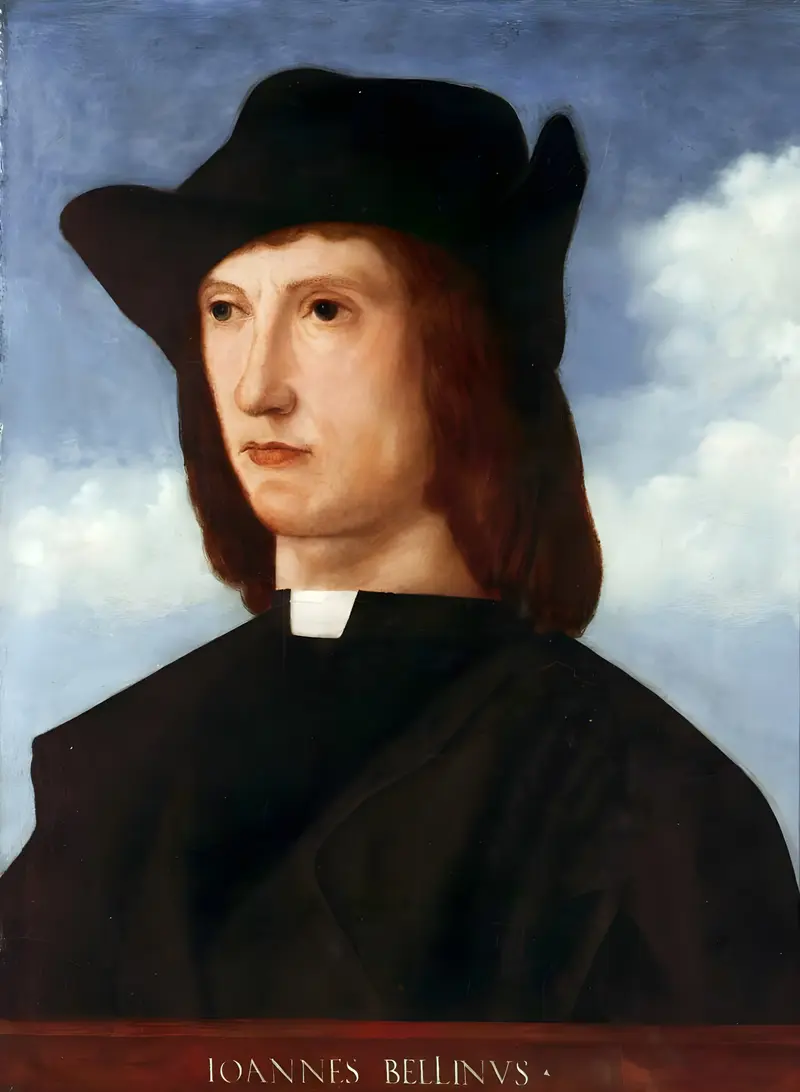
Portrait of a Young Man
Giovanni Bellini





