
Entrance to the Golden Gate — History & Facts
A band of mist drapes itself across distant hills, letting the viewer’s eye wander from the sunlit rocks in the foreground to a lighthouse perched on the far shore. The water glides in gentle, rhythmic waves, each one catching a different shade of blue and green as it nears the sand. The painter has chosen a moment of quiet arrival: the tide creeps forward, barely disturbing the rocky outcrops, while a single white sail glimmers on the horizon, its presence almost a whisper.
The palette is earthy and cool, with ochres and deep greens anchoring the scene, and the low vantage point draws you into the hush of the shoreline, as if you too have just stepped onto the wet sand. Painted around 1872, Entrance to the Golden Gate belongs to a world hungry for images of the American West’s grandeur and promise. In this period, artists like Albert Bierstadt became famous for transporting Eastern audiences to places they might never see, their canvases often commissioned by collectors eager to own a fragment of the nation’s expanding frontier. This work, now in the Montgomery Gallery in San Francisco, reflects that era’s fascination with both the wildness and the accessibility of California’s coast—a threshold between land and sea, old world and new.
History has kept few traces of this painting’s early life, but its quiet drama invites you to imagine the hopes and journeys that once passed through this very gate.
More Artworks by Albert Bierstadt

A Storm in the Rocky Mountains, Mt. Rosalie
Albert Bierstadt
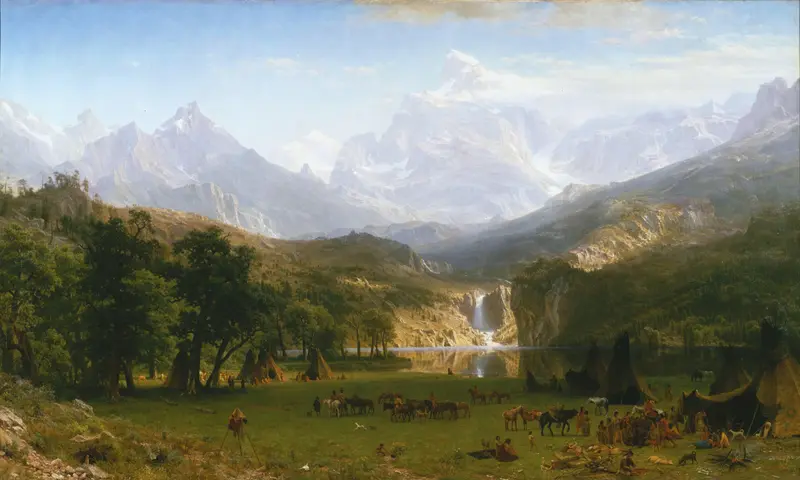
The Rocky Mountains, Lander's Peak
Albert Bierstadt
Niagara from the American Side
Albert Bierstadt
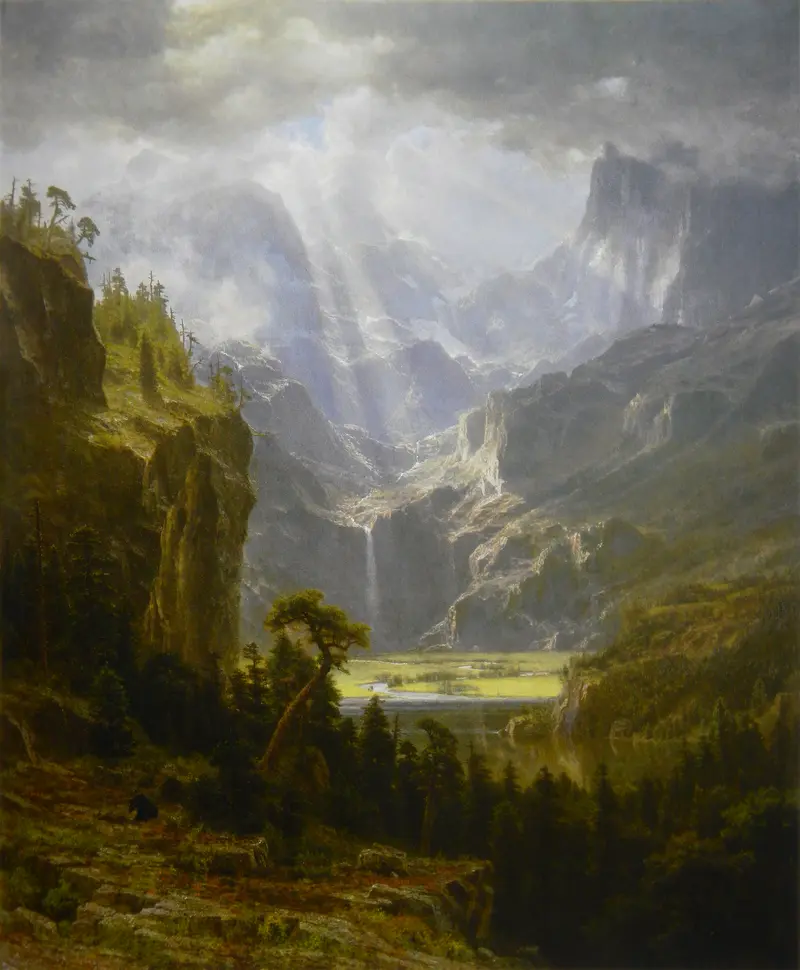
Rocky Mountains, Lander’s Peak
Albert Bierstadt

Valley of the Yosemite
Albert Bierstadt
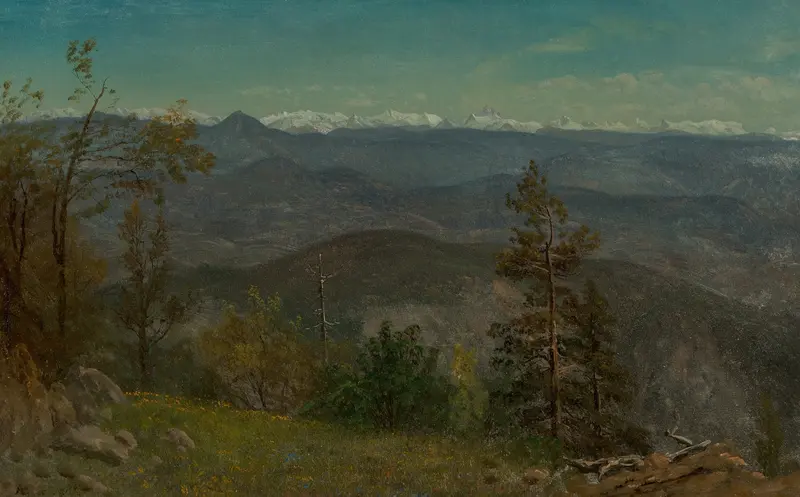
Yosemite Valley, California
Albert Bierstadt
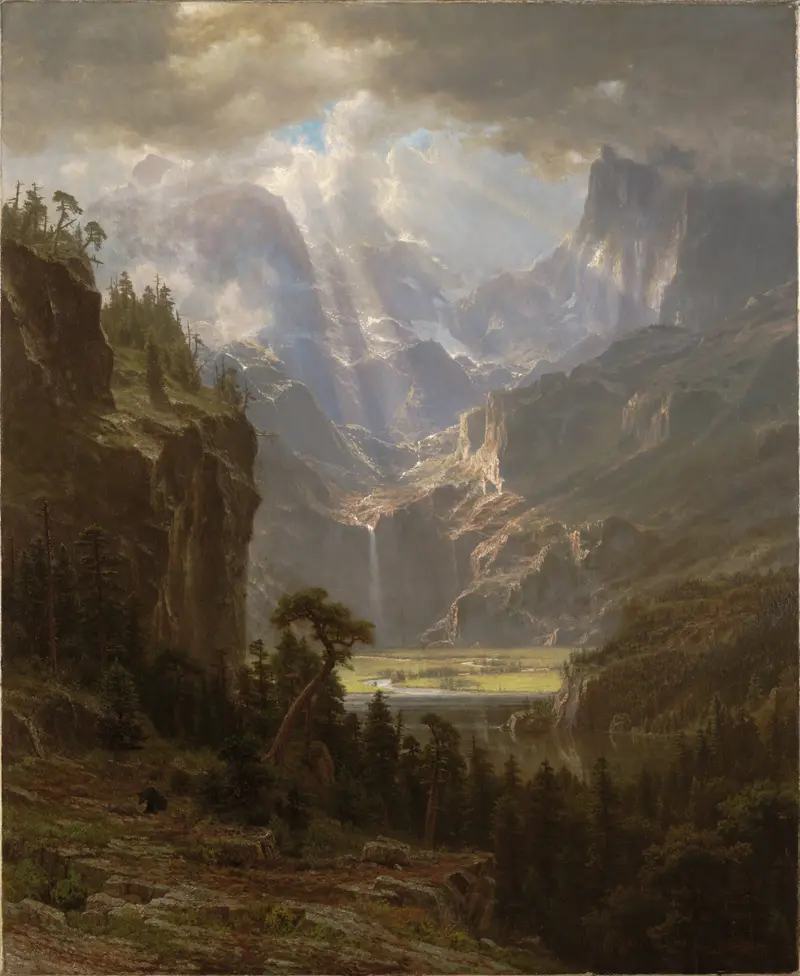
Rocky Mountains, "Lander's Peak"
Albert Bierstadt

Laramie Peak
Albert Bierstadt
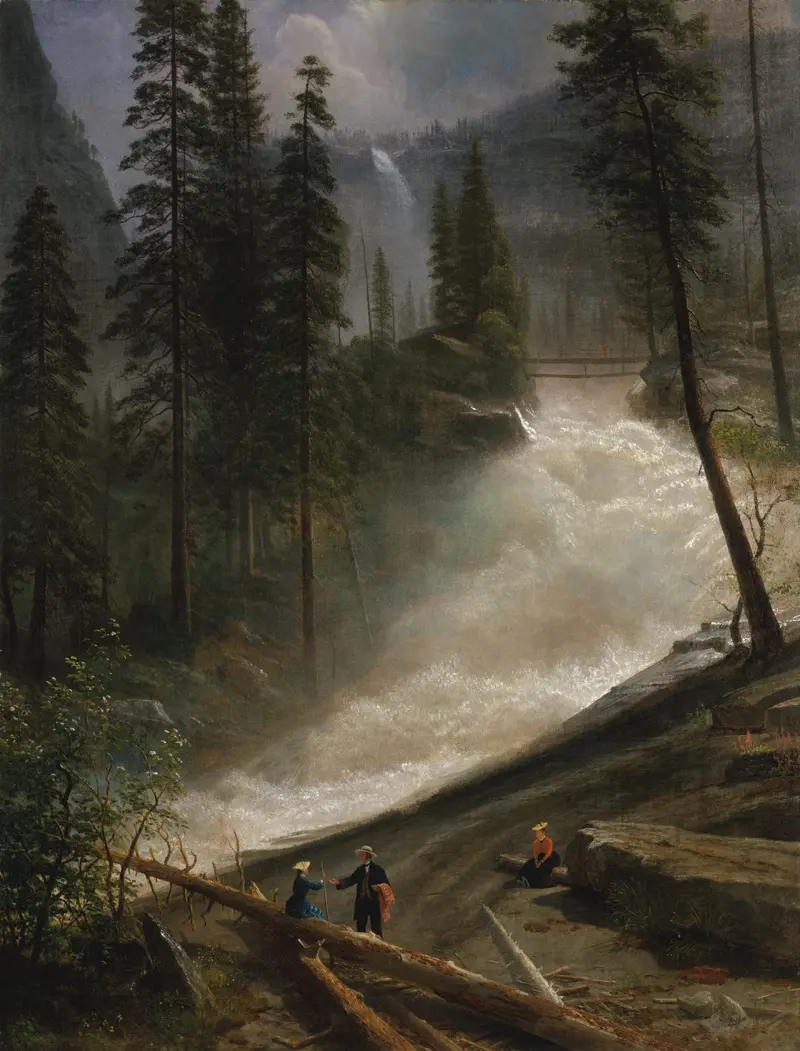
Nevada Falls, Yosemite
Albert Bierstadt
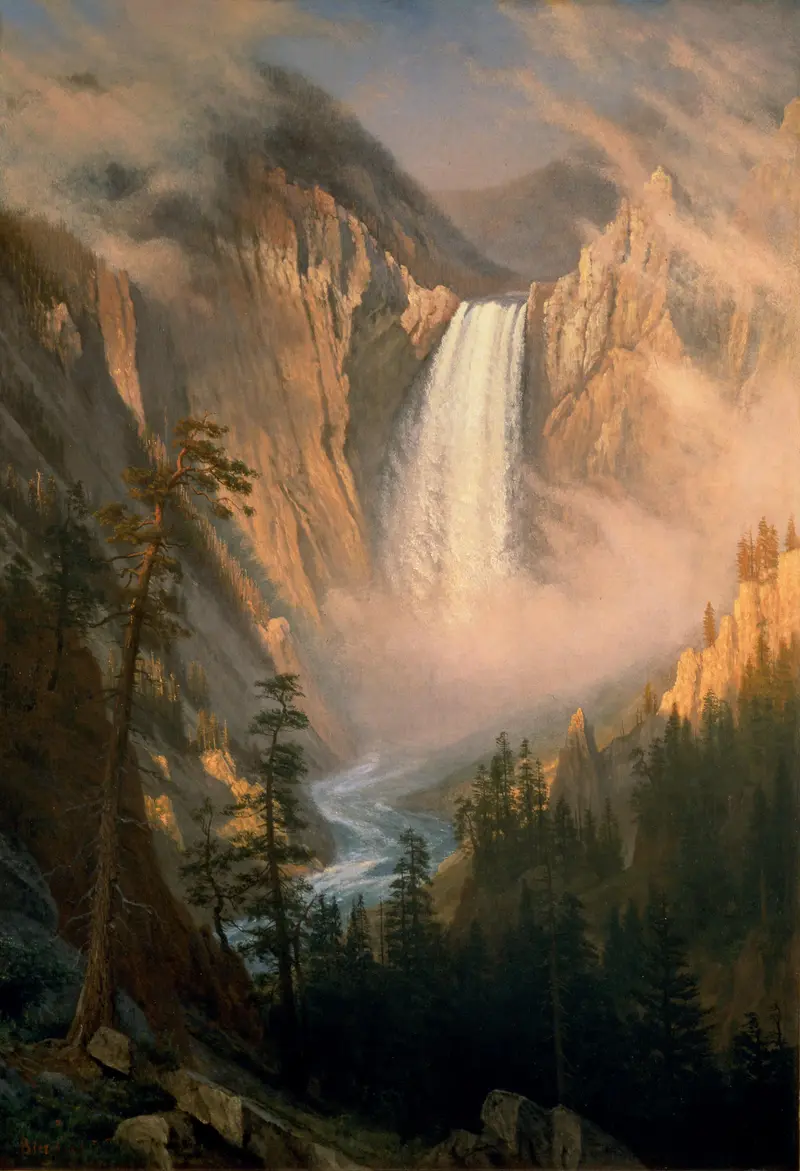
Yellowstone Falls
Albert Bierstadt
More Landscape Art

The Starry Night
Vincent van Gogh

View of Delft
Johannes Vermeer

Water Lilies
Claude Monet

The Grand Canal, Venice, looking north-west from the Ca' Corner to the Ca' Contarini degli Scrigni, with the campanile of Santa Maria della Carità
Canaletto

Windsor Castle
Canaletto

The Grand Canal looking North-East from the Palazzo Dolfin-Manin to the Rialto Bridge
Canaletto