
Entrance to the Grand Canal, Venice — History & Facts
This whisper of truth echoes through the shimmering waves of the Grand Canal, where the luster of Venice holds a poignant emptiness within its breathtaking beauty. Focus on the delicate interplay of light and shadow, where the sun breaks through a veil of clouds, bathing the scene in a heavenly glow. The vibrant blues and greens of the water contrast against the warm tones of the buildings, inviting the viewer to explore every inch of this watery labyrinth. Notice how the reflections ripple across the surface, blurring the lines between reality and illusion, as if the city itself is a fleeting dream. Delve deeper into the subtle contrasts within the composition.
The ornate architecture, rich with history and culture, stands almost ghostlike against the stillness of the water, evoking a sense of isolation amidst beauty. The empty boats along the canal hint at the absence of life, a quiet reminder that even the most picturesque settings can harbor solitude beneath their surface. This tension between vibrancy and emptiness pulls the viewer into a contemplative state, urging them to reflect on the duality of existence. In 1906, Moran found himself in Venice, a city that served as both muse and paradox.
At a time when the Impressionist movement was evolving, he sought to encapsulate the ethereal beauty of his surroundings through his distinct blending of color and light. While the world around him was changing rapidly, his brush captured a moment suspended in time, forever inviting contemplation of the deeper meanings hidden within the allure of the city.
More Artworks by Thomas Moran
Browse all →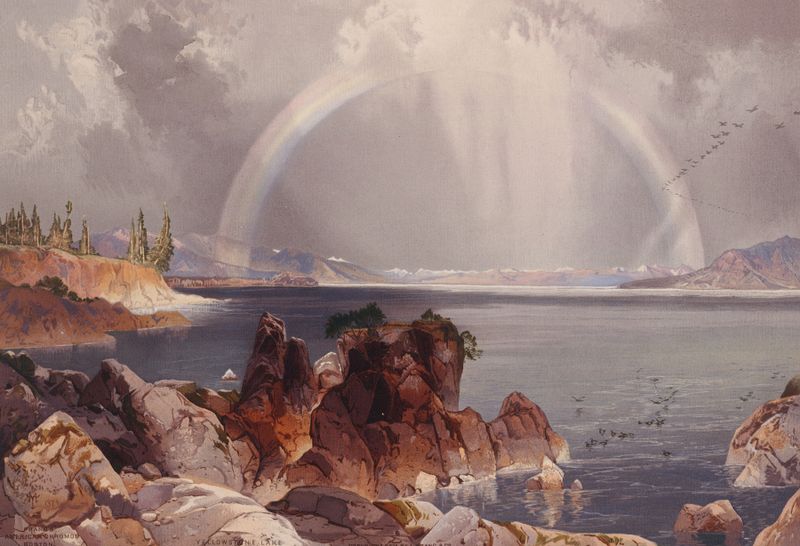
Yellowstone Lake
Thomas Moran

Grand Canyon of the Colorado River
Thomas Moran

Grand Canyon, Colorado River
Thomas Moran

The Towers of Tower Falls, Yellowstone
Thomas Moran
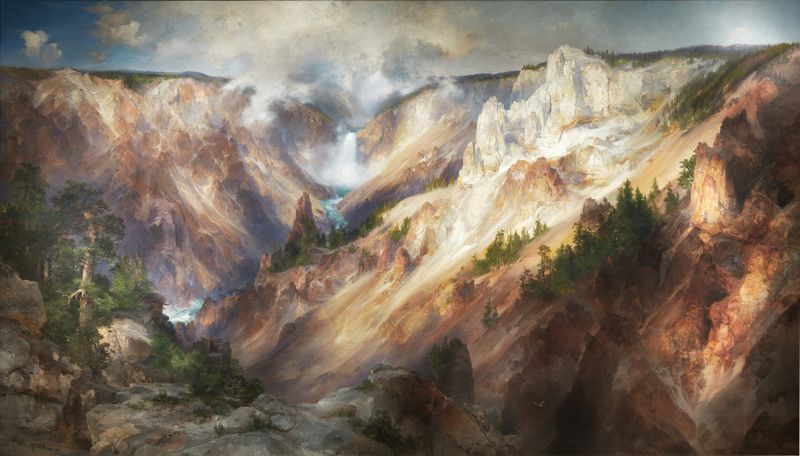
The Grand Canyon Of The Yellowstone
Thomas Moran

Mountain of the Holy Cross
Thomas Moran

Cliffs Of The Upper Colorado River, Wyoming Territory
Thomas Moran
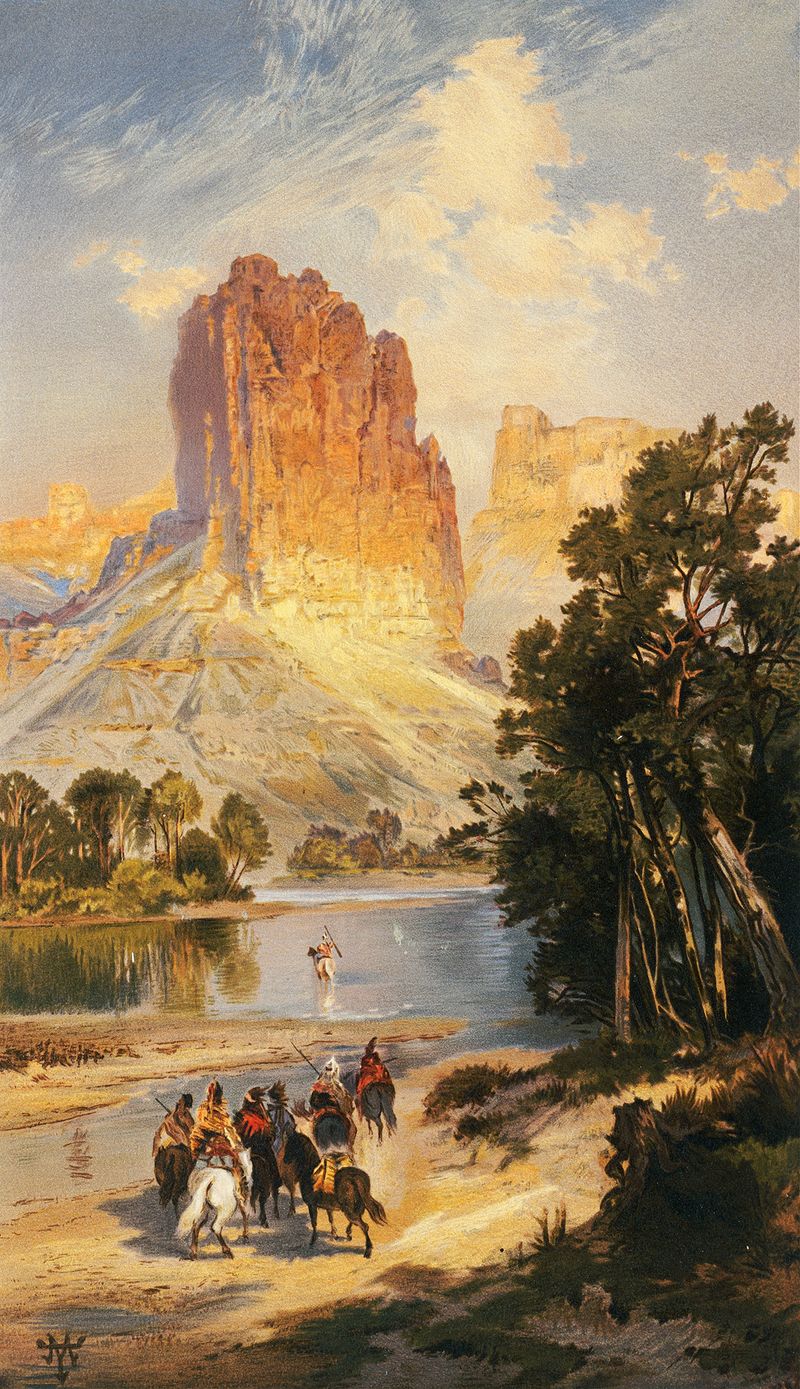
Cliffs of the Upper Colorado River, Wyoming Territory
Thomas Moran

Mammoth Hot Springs, Yellowstone
Thomas Moran
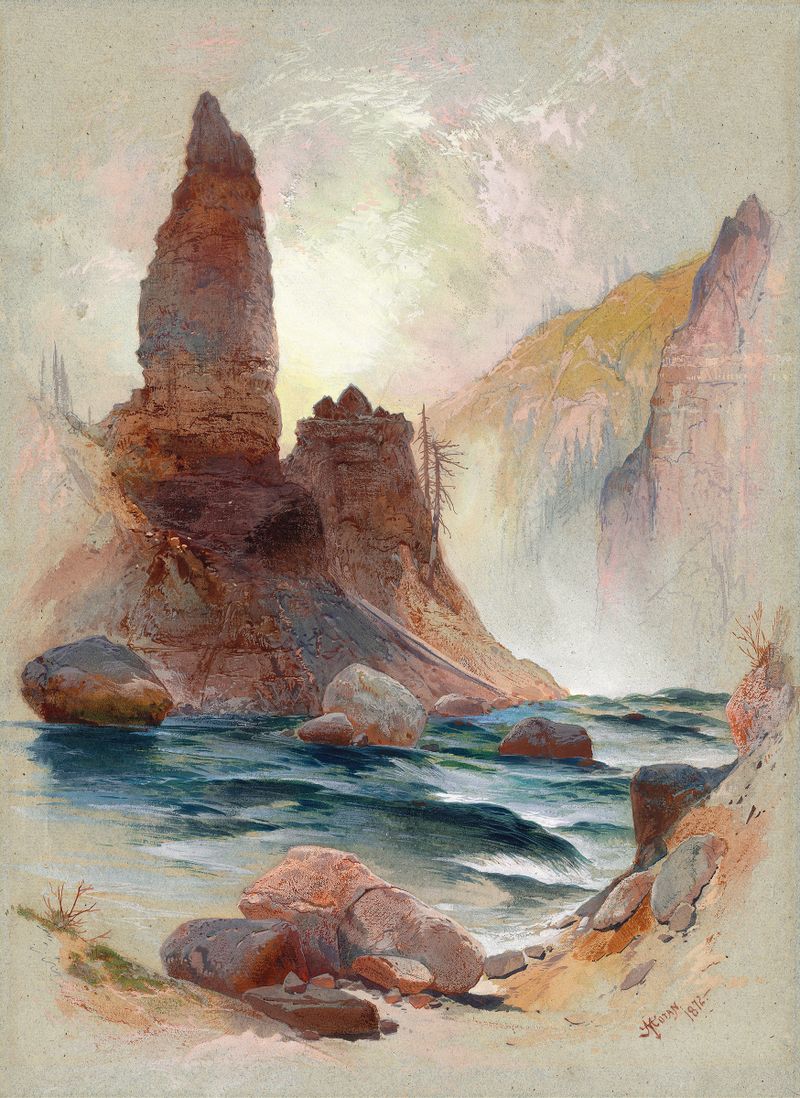
Tower at Tower Falls, Yellowstone
Thomas Moran





