
Entrance to the Harbour at St Valery en Caux — History & Facts
Can beauty exist without sorrow? In Entrance to the Harbour at St Valery en Caux, the answer hangs in the salty air, where the remnants of a fading day intertwine with the whispers of a fleeting past. Look to the left, where delicate strokes of blue and green dance upon the water's surface, capturing the gentle churn of the tide. The boats, though anchored and still, seem to pulse with life, their shapes softened by the ephemeral haze of twilight. Notice how the light, shimmering through the clouds, reflects a palette of muted gold and gray, bridging the horizon and evoking a sense of nostalgia that envelops the entire scene. Yet, beneath this serene facade lies an undertow of decay.
The weathered boats, worn by time and wave, symbolize not only a life spent on the sea but also the inevitable passage of time that shadows all beauty. The distant cliffs, stark against the fading light, evoke a sense of isolation, inviting contemplation of what once thrived in this harbor—a poignant reminder that every beginning is intertwined with an end. In 1907, while painting this work in France, the artist found himself at a crossroads in his career. Pankiewicz was deeply immersed in the Impressionist movement, responding to the changing currents of modern life and the emotional depths of the natural world.
This piece reflects his exploration of light and color, as well as a personal wrestling with the themes of transience and memory, resonating with the broader artistic discourse of the time.
More Artworks by Józef Pankiewicz
Browse all →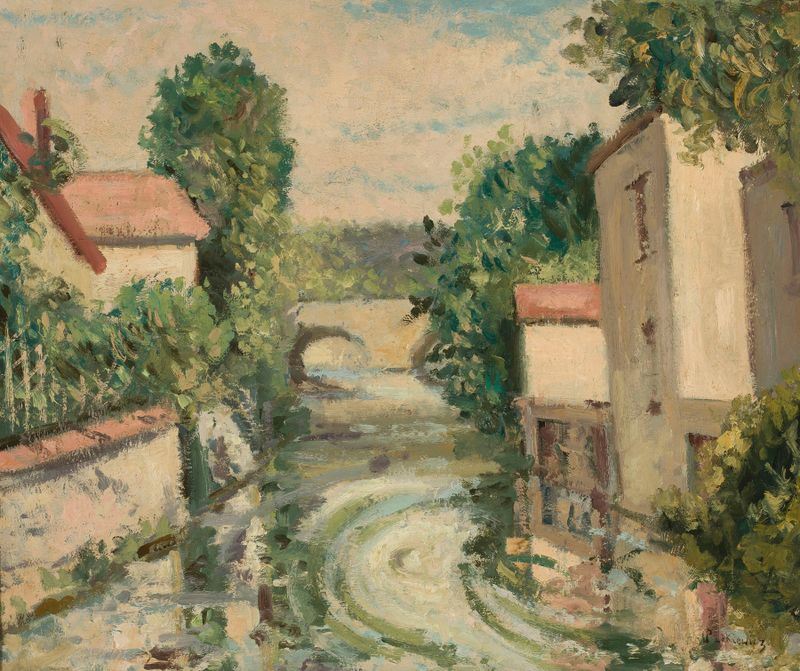
Landscape
Józef Pankiewicz

Cab in the Rain
Józef Pankiewicz
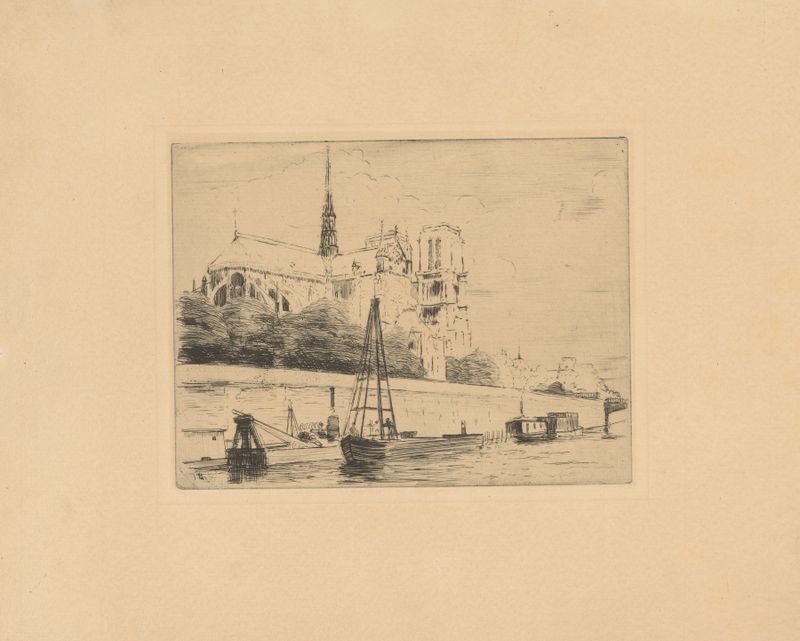
Notre Dame Cathedral in Paris
Józef Pankiewicz
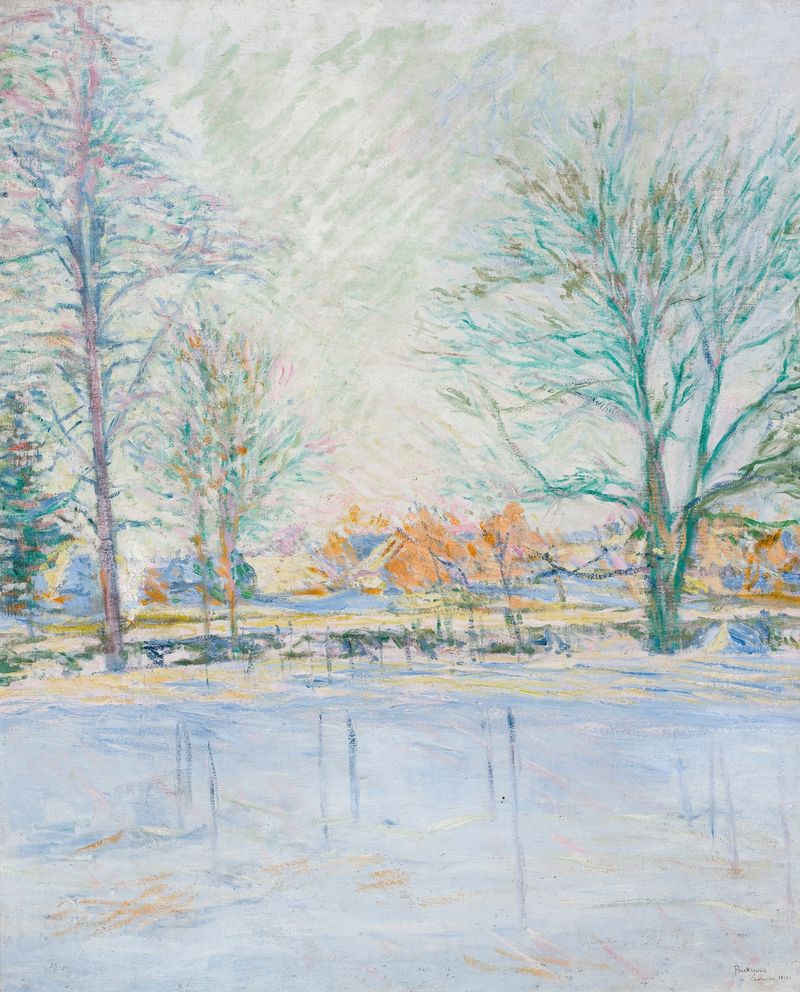
Landscape from Czarnolas
Józef Pankiewicz
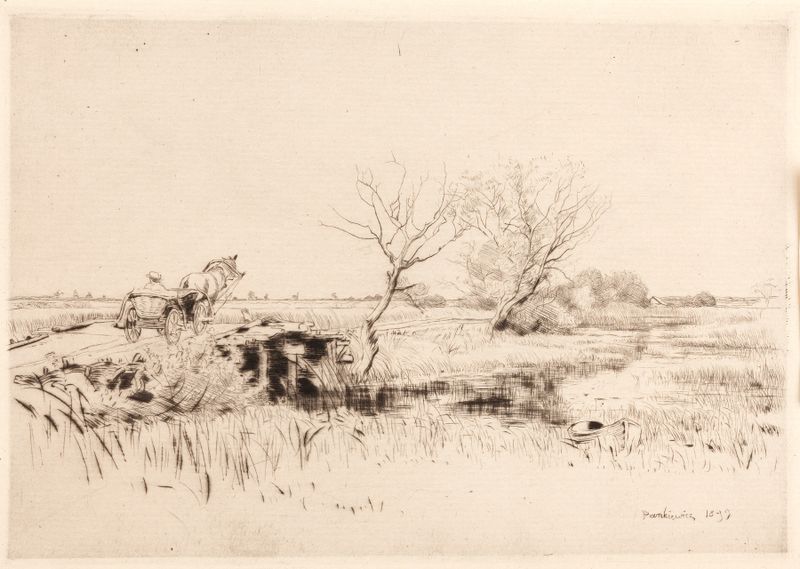
Pińsk Channel in Polesie I
Józef Pankiewicz
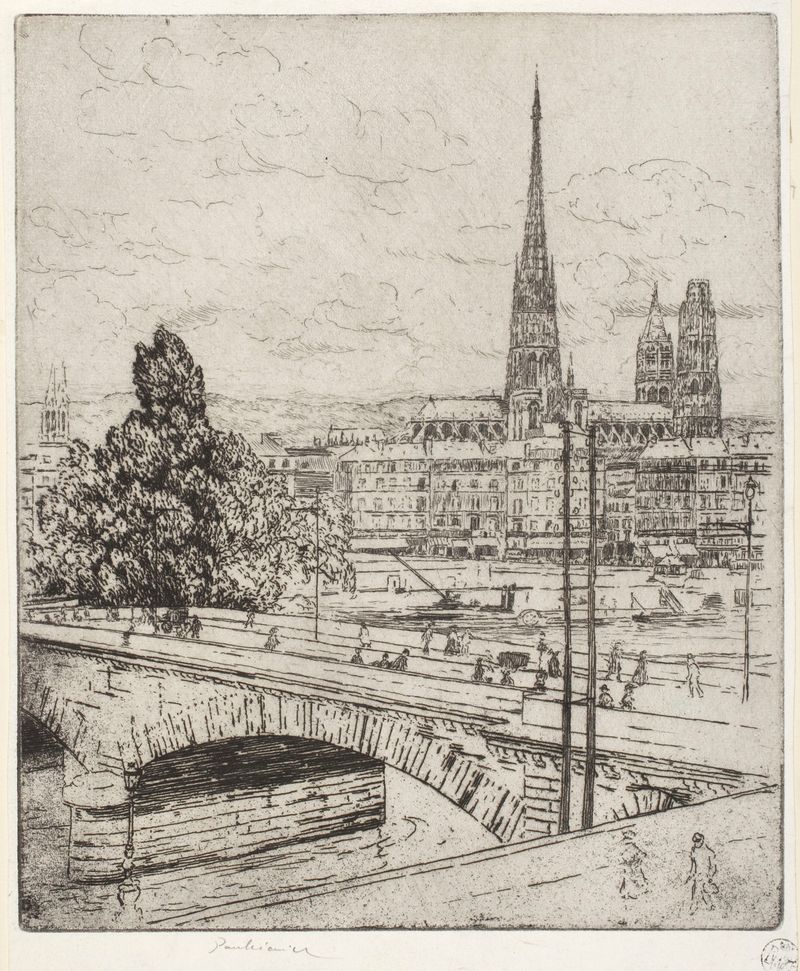
Pont Corneille in Rouen
Józef Pankiewicz
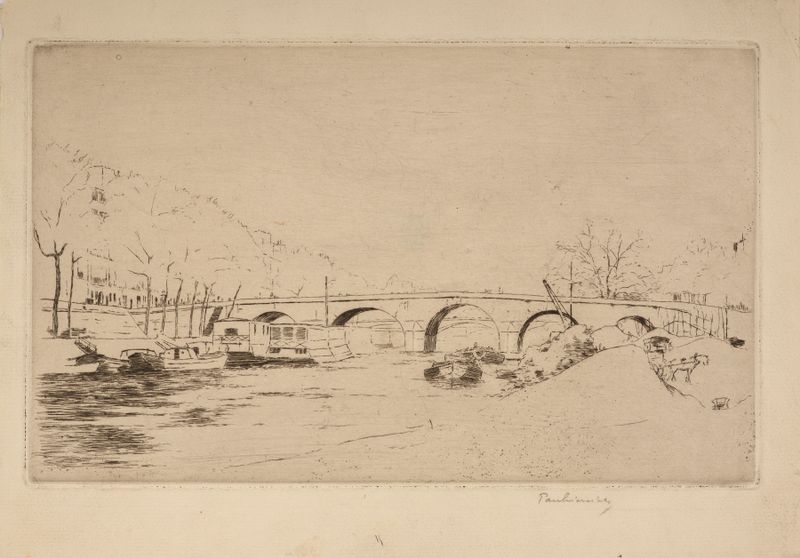
Pont Marie in Paris
Józef Pankiewicz

Rouen – portal from the Church of St Maclou
Józef Pankiewicz
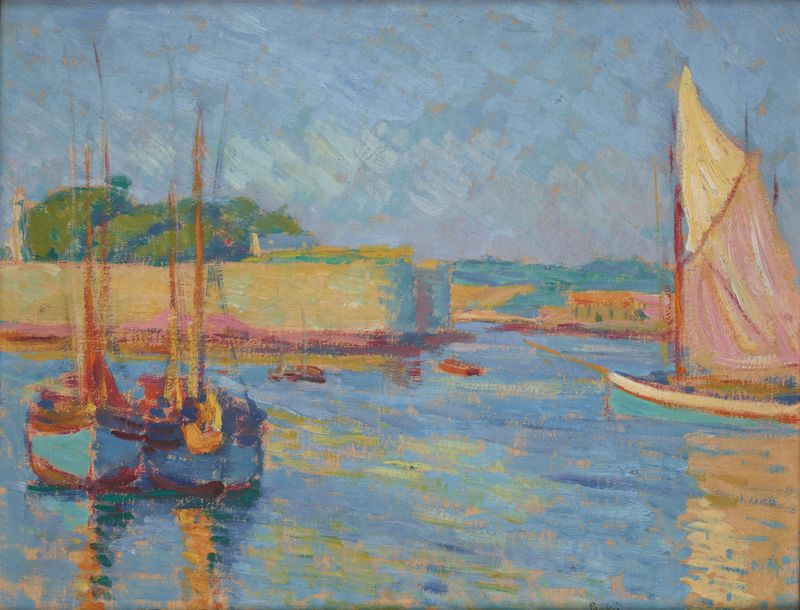
Harbour at Concarneau
Józef Pankiewicz
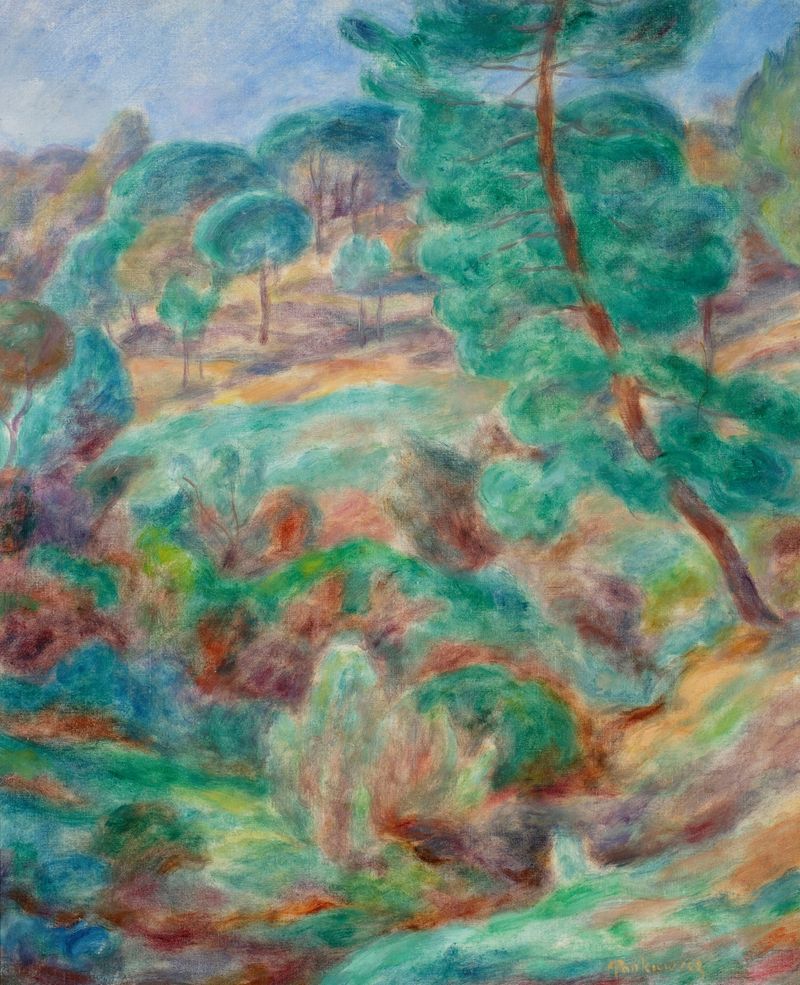
Landscape from Saint-Tropez – Stone pines
Józef Pankiewicz





