
Erlen und Weiden bei Bottenau — History & Facts
Can beauty exist without sorrow? In Erlen und Weiden bei Bottenau, the answer lingers softly in the serene landscape, where nature whispers secrets of transience and resilience. Look to the left, where gentle willows arch over the water’s edge, their branches caressing the surface in a tender embrace. The delicate play of light dances upon the water, inviting the eye to trace the soft ripples that reflect the greens and browns of the foliage. Notice the earth-toned palette; it conveys a tranquil yet contemplative mood, evoking feelings of nostalgia and peace.
The composition is harmoniously balanced, guiding the viewer’s gaze through layers of lush vegetation towards the horizon, where the sky melds seamlessly with the landscape. Yet, beneath this calm surface lies an emotional dichotomy. The melancholic droop of the willows suggests a sense of longing, perhaps for what has passed or what remains elusive. The stillness of the water evokes both clarity and depth, symbolizing hidden complexities in life’s simplicity.
This duality invites contemplation on the interconnectedness of joy and sorrow inherent in nature, reminding us that beauty flourishes even amidst the shadows of existence. Created in 1884, this work emerged during a period when Kampmann was exploring the intricacies of the natural world through a lens of realism and emotional depth. Working in Germany, he sought to capture the subtle nuances of his surroundings, reflecting the growing Romantic movement that emphasized both the beauty and the sorrow found within nature. This painting stands as a testament to his keen observation and emotional insight during a transformative time in art.
More Artworks by Gustav Kampmann
Browse all →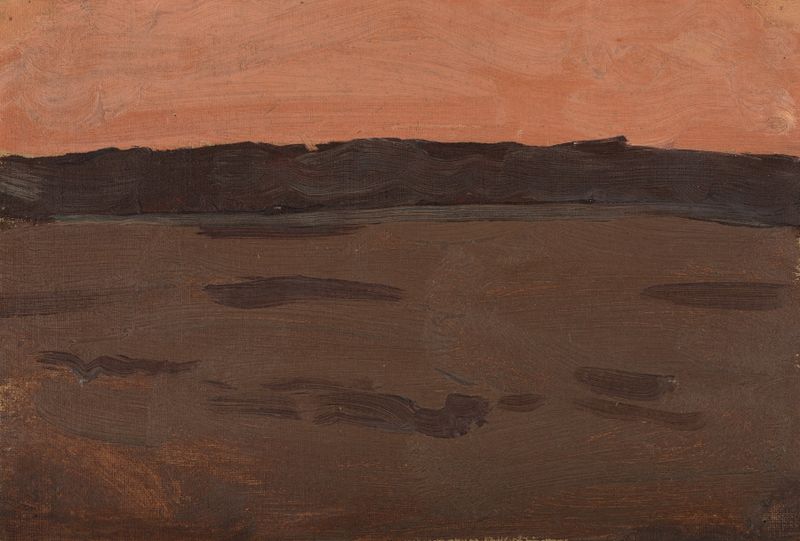
Abendstimmung
Gustav Kampmann

Eisenbahn am Abend
Gustav Kampmann

Nach Sonnenuntergang im Winter
Gustav Kampmann

Blick von der Hornisgrinde
Gustav Kampmann

Hügelige Landschaft mit Baumreihe
Gustav Kampmann
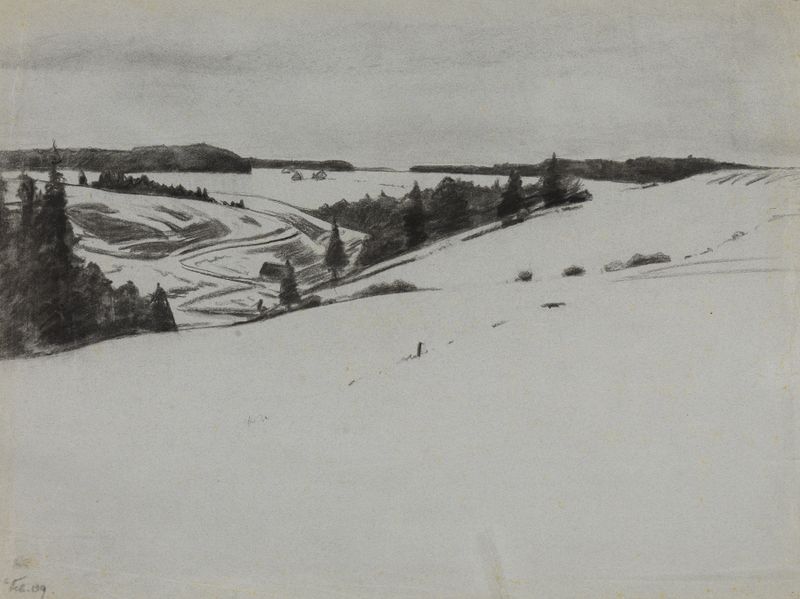
Schneelandschaft bei Königsfeld
Gustav Kampmann
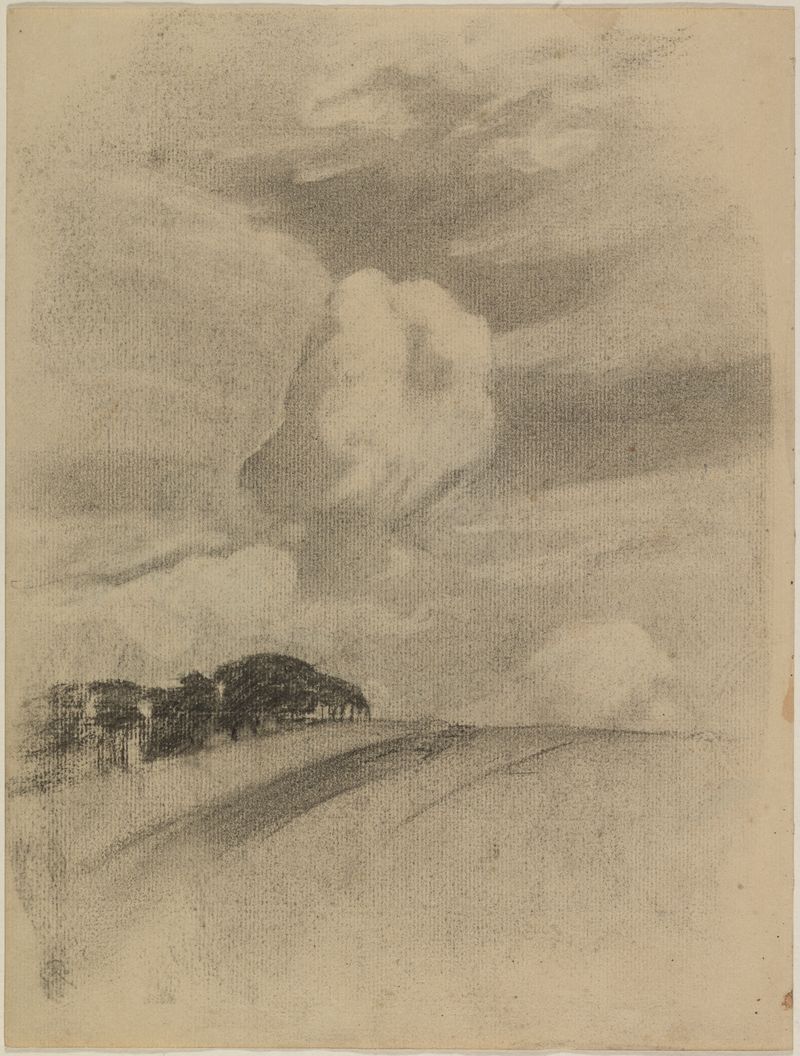
Landschaftsstudie
Gustav Kampmann
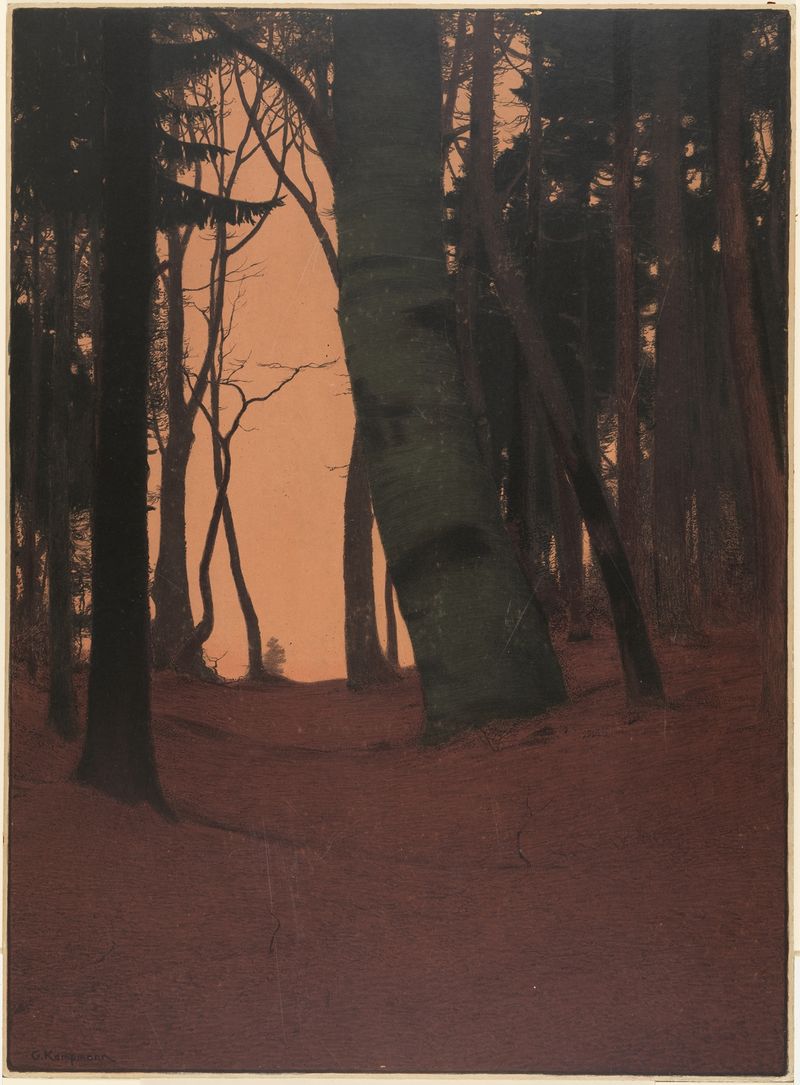
Abend im Wald
Gustav Kampmann

Drei alte Weiden bei Langenpreising
Gustav Kampmann
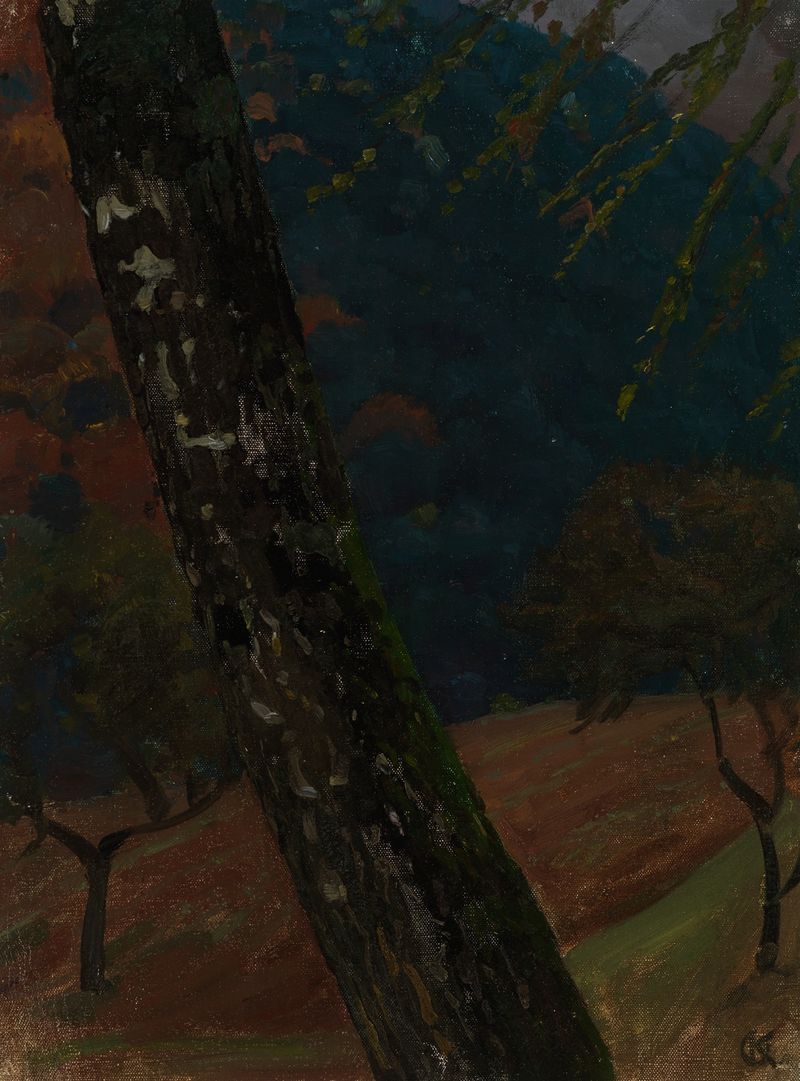
Baumstamm bei Obersteinbach
Gustav Kampmann





