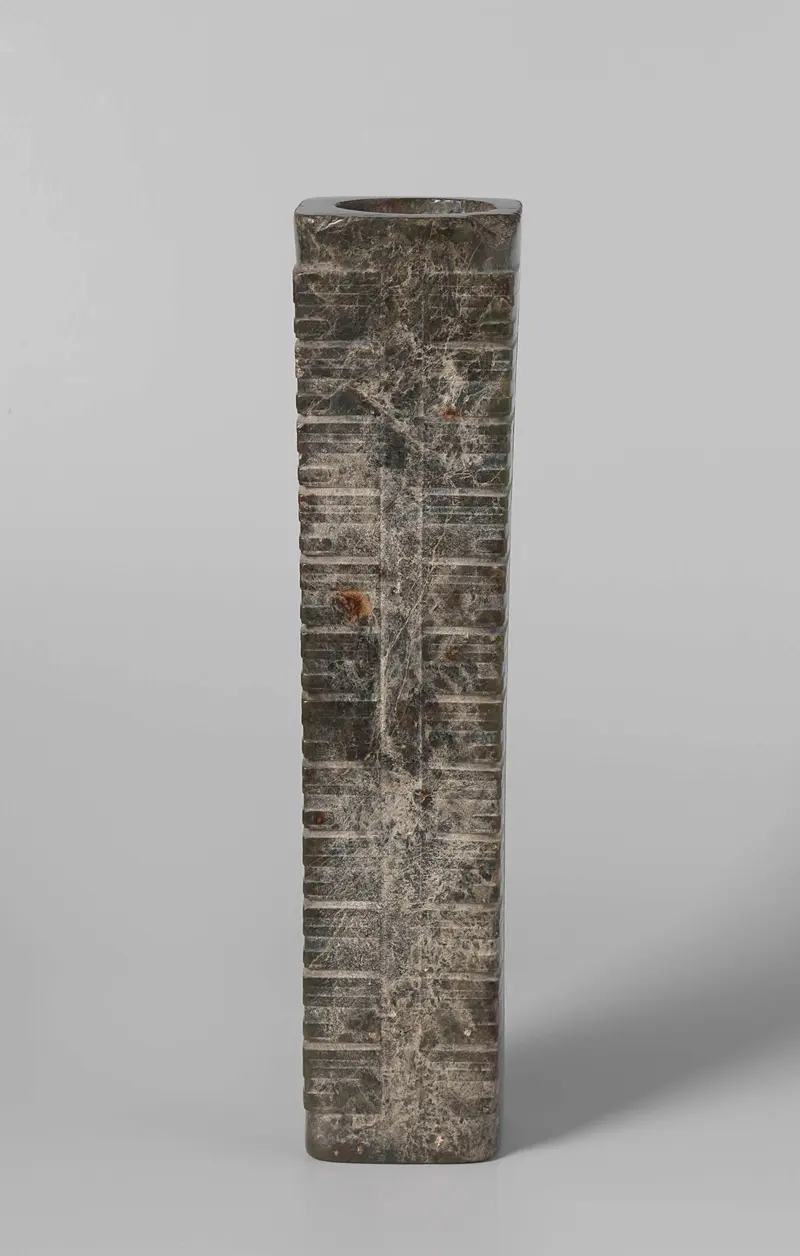
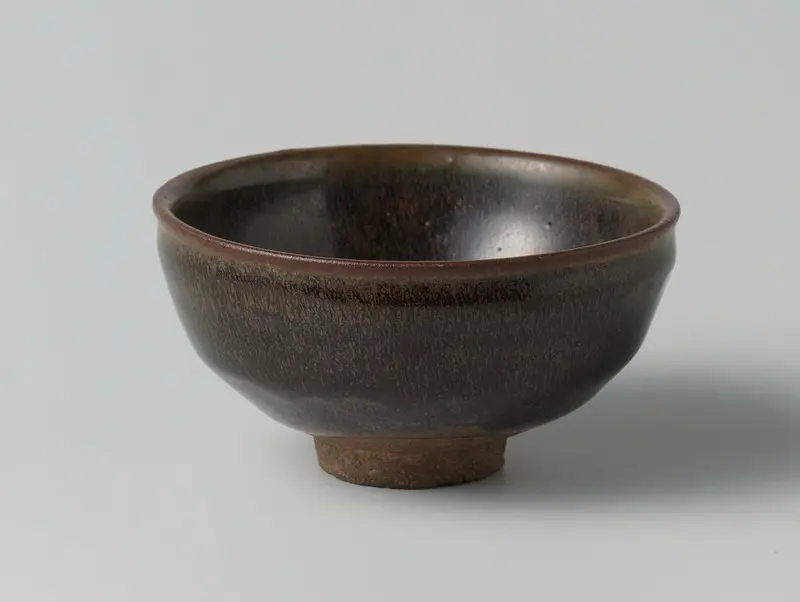
Esquisse pour l'escalier des fêtes de l'Hôtel de Ville de Paris , Février — History & Facts
What first catches the eye in Esquisse pour l'escalier des fêtes de l'Hôtel de Ville de Paris , Février is its sense of poised anticipation, as if the design itself is waiting for the grand staircase it was meant to crown. The composition radiates outward from a luminous, empty center, its four arms dividing the space into ornate quadrants. Each corner is alive with classical figures—graceful nudes, reclining or in flight—woven into a tapestry of curling foliage and gilded scrollwork.
The palette is gentle and refined: soft pinks, pale blues, and hints of gold, all lending an air of festivity and ceremony. Every detail seems to beckon the viewer upward, as if inviting them to ascend into a world of Parisian celebration. This work belongs to a tradition of architectural decoration that flourished in late nineteenth-century France, when public buildings like the Hôtel de Ville demanded a harmony of painting, sculpture, and design. Artists such as Luc-Olivier Merson were called upon to create not just images, but atmospheres—visual feasts to match the civic pride and optimism of the era.
Between 1888 and 1898, as Paris rebuilt and reimagined its city hall, such esquisses were both proposals and promises, glimpses of the grandeur to come. Though history has kept few traces of this specific design’s fate, its presence in the Paris Musées collection lets us linger in that moment of possibility, where art and architecture meet in celebration.
More Artworks by Luc-Olivier Merson

Esquisse pour l'escalier des fêtes de l'Hôtel de Ville de Paris , Bélier
Luc-Olivier Merson
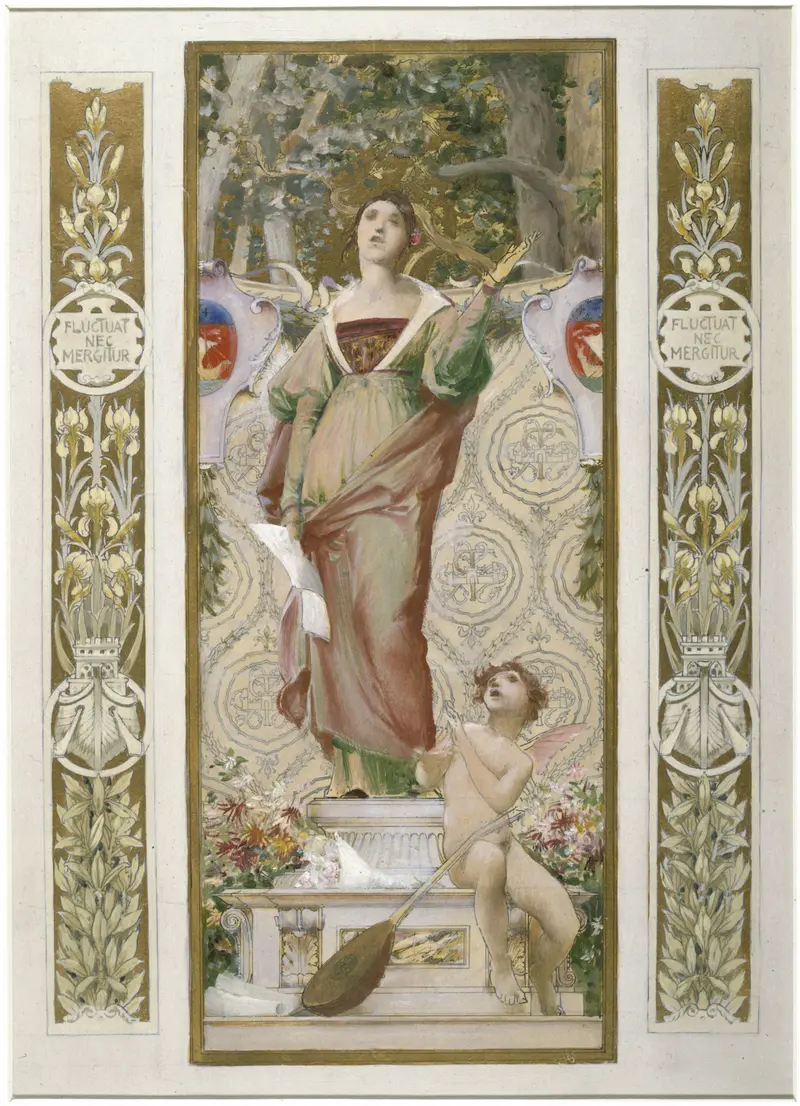
Esquisse pour l'escalier des Fêtes de l'Hôtel de Ville de Paris , Le Chant
Luc-Olivier Merson
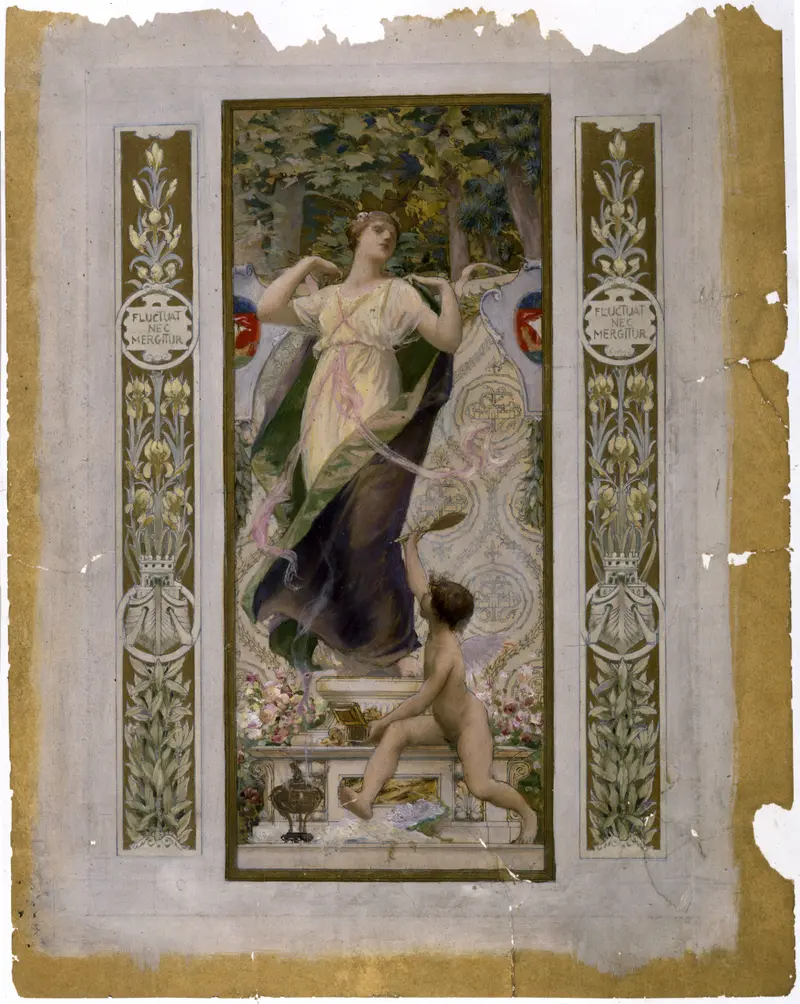
Esquisse pour l'escalier des Fêtes de l'Hôtel de ville de Paris , La Toilette féminine
Luc-Olivier Merson
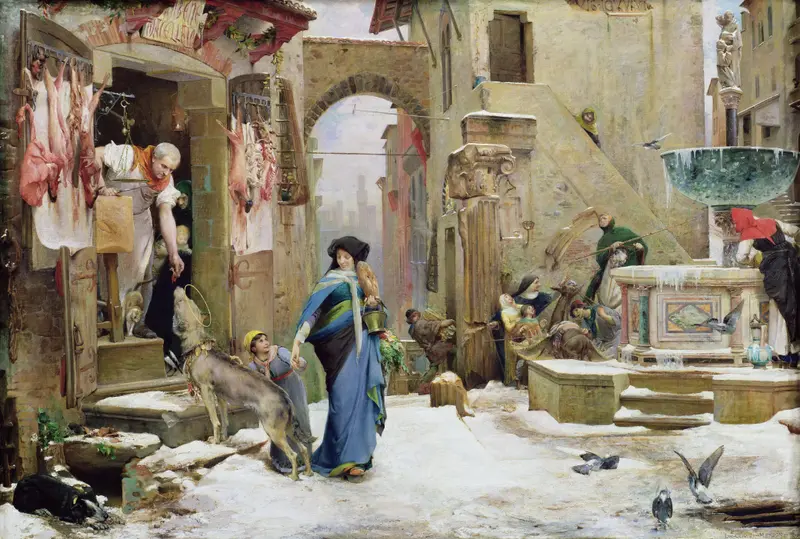
The Wolf of Gubbio
Luc-Olivier Merson
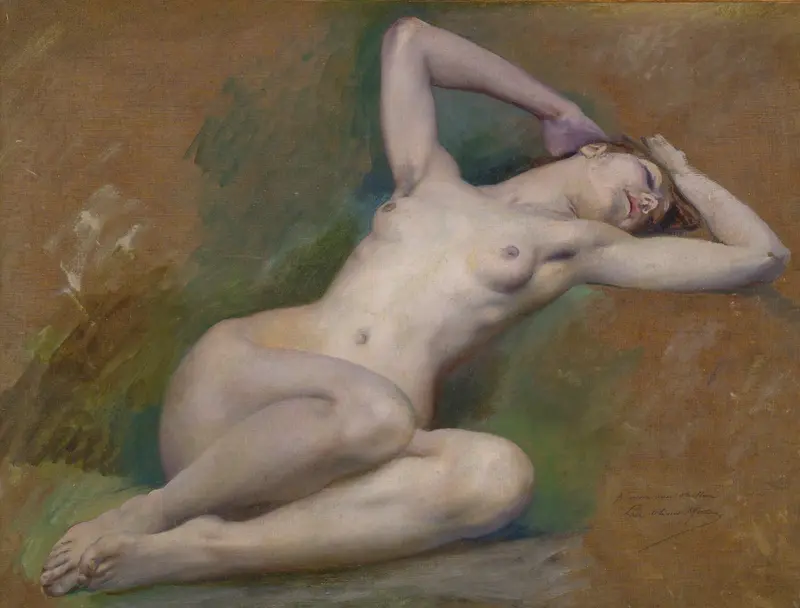
Luc Olivier Merson Study for the figure of Spring
Luc-Olivier Merson
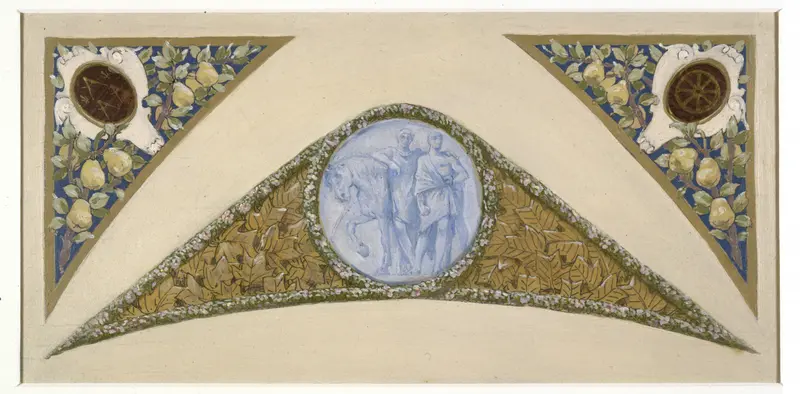
Esquisse pour l'escalier des Fêtes de l'Hôtel de Ville de Paris , Gémeaux
Luc-Olivier Merson
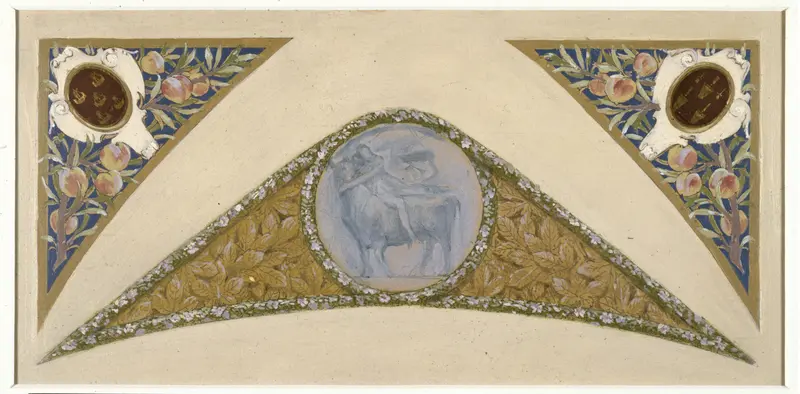
Esquisse pour l'escalier des Fêtes de l'Hôtel de Ville de Paris , Taureau
Luc-Olivier Merson
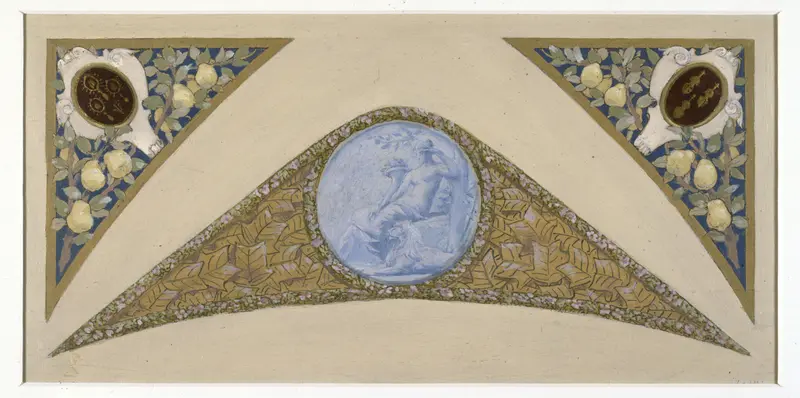
Esquisse pour l'escalier des Fêtes de l'Hôtel de Ville de Paris , Vierge
Luc-Olivier Merson
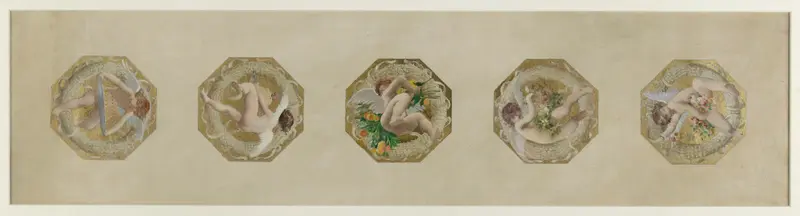
Esquisse pour l'Hôtel de Ville de Paris, escalier des Fêtes , les génies des fêtes
Luc-Olivier Merson
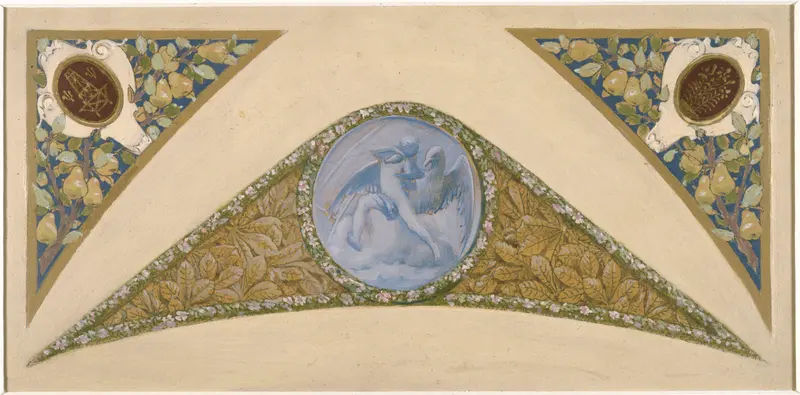
Esquisse pour l'escalier des Fêtes de l'Hôtel de Ville de Paris , Verseau
Luc-Olivier Merson