
Esther before Ahasuerus — History & Facts
Few scenes from the Hebrew Bible have inspired as much artistic rivalry as the moment Queen Esther faints before King Ahasuerus, risking her life to plead for her people. Artemisia Gentileschi painted her own bold version of this subject in 1629, at a time when the story was a favorite among Baroque painters. The tale’s popularity was partly due to its potent mix of royal drama, female courage, and the threat of annihilation—a narrative that resonated deeply in Counter-Reformation Europe.
Unlike most of her contemporaries, Artemisia chose to focus on the instant of Esther’s collapse, a choice that both foregrounds female vulnerability and asserts its power. In Esther before Ahasuerus, the queen, draped in gold and white, swoons backward as her attendants rush to support her, while the Persian king—startled, yet regal—leans forward from his throne. The tension crackles in the space between their outstretched arms: Esther’s limp hand, the king’s scepter, the worried faces of her women. Light pours across Esther’s pale skin, isolating her as the moral and emotional center of the scene.
The king’s soldiers and courtiers, painted in shadow, become mere onlookers to this private act of bravery. Compared to Tintoretto’s version, where Esther’s collapse is almost theatrical, Artemisia renders the moment with psychological depth, inviting the viewer to witness both the risk and the resolve behind Esther’s gesture. The precise early history of this painting remains uncertain, but it is widely believed to have been created during Artemisia Gentileschi’s prolific years in Rome, possibly for a private patron who admired her dramatic interpretations of heroic women. Over time, Esther before Ahasuerus has been recognized as a signature example of her mature style—marked by rich color, bold contrasts, and a focus on female agency.
Today, the painting is held in the Metropolitan Museum of Art in New York, where it stands as a testament to Artemisia’s enduring reputation as one of the leading figures of the Italian Baroque. Its journey from 17th-century Rome to a modern museum echoes the survival and rediscovery of Esther’s own story.
More Artworks by Artemisia Gentileschi

Judith Beheading Holofernes
Artemisia Gentileschi
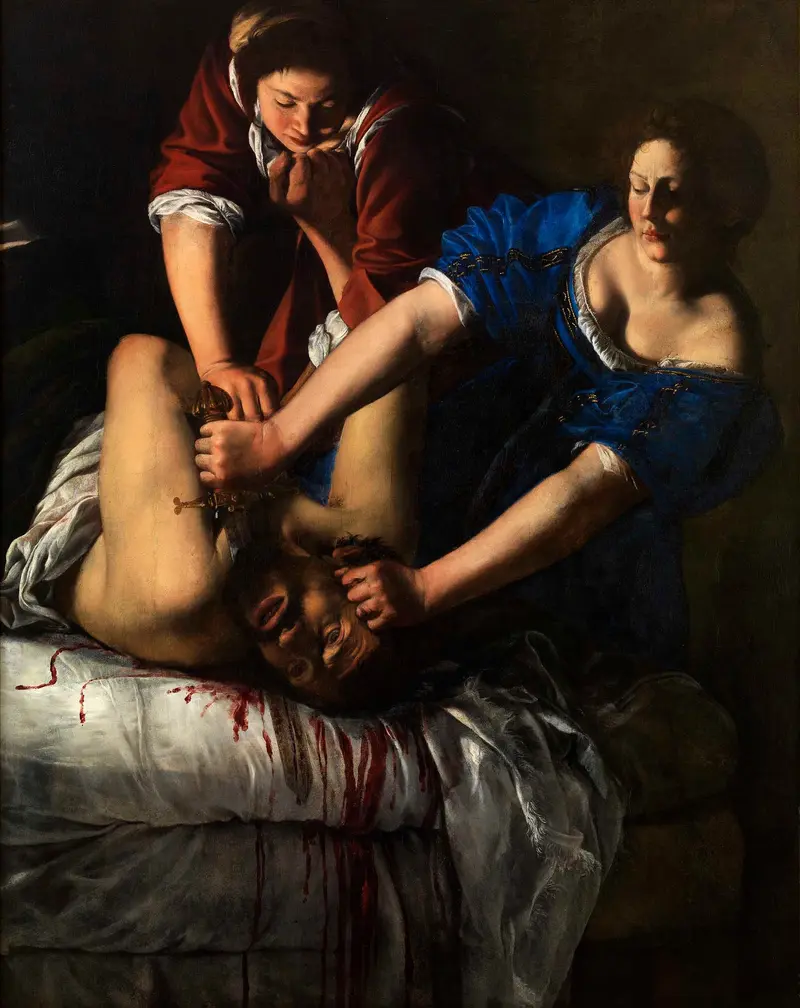
Judith Slaying Holofernes
Artemisia Gentileschi
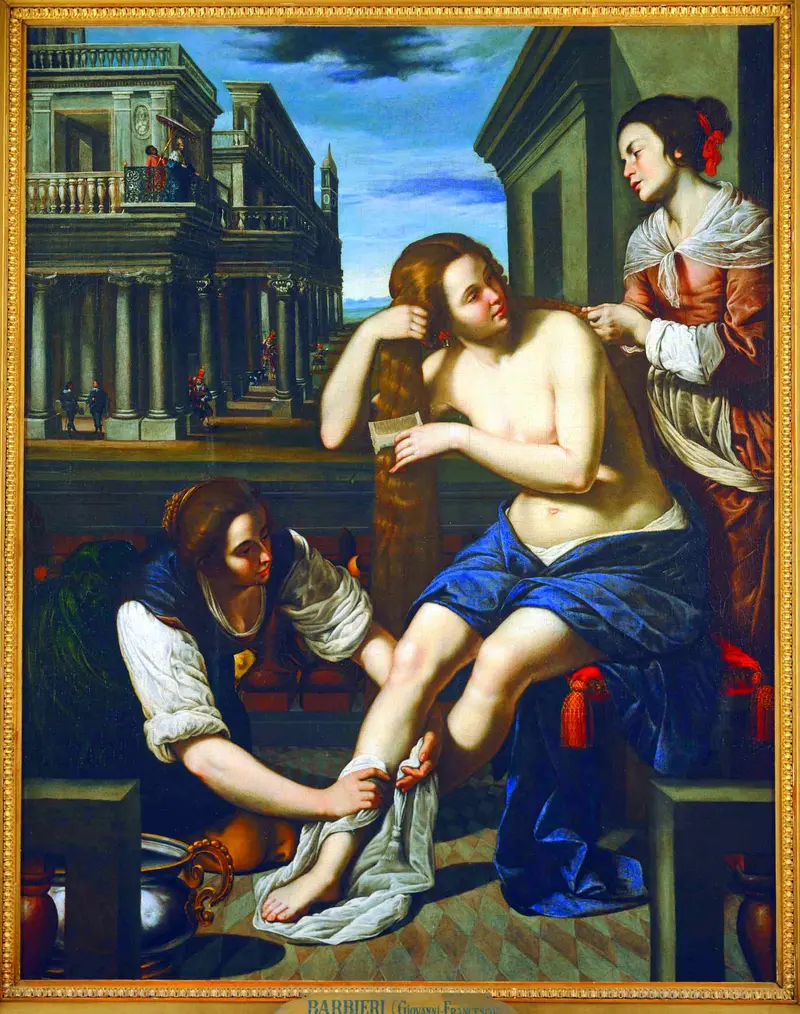
Bathsheba at Her Bath
Artemisia Gentileschi
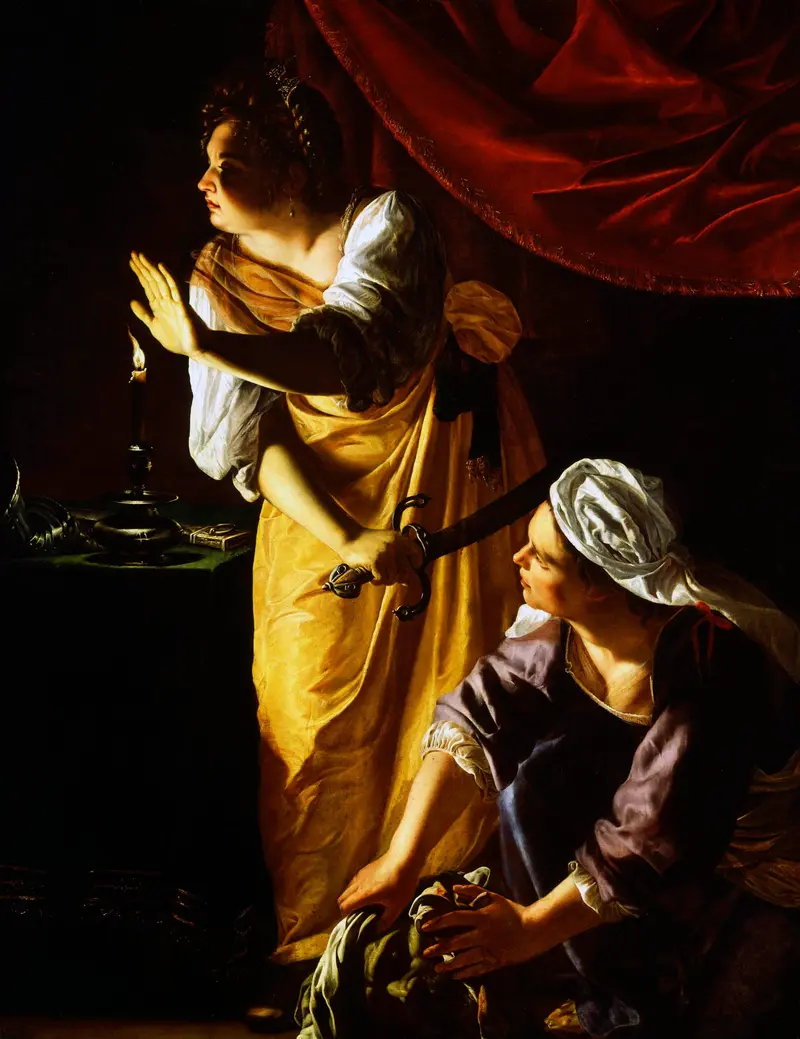
Judith and Maidservant with Head of Holofernes
Artemisia Gentileschi
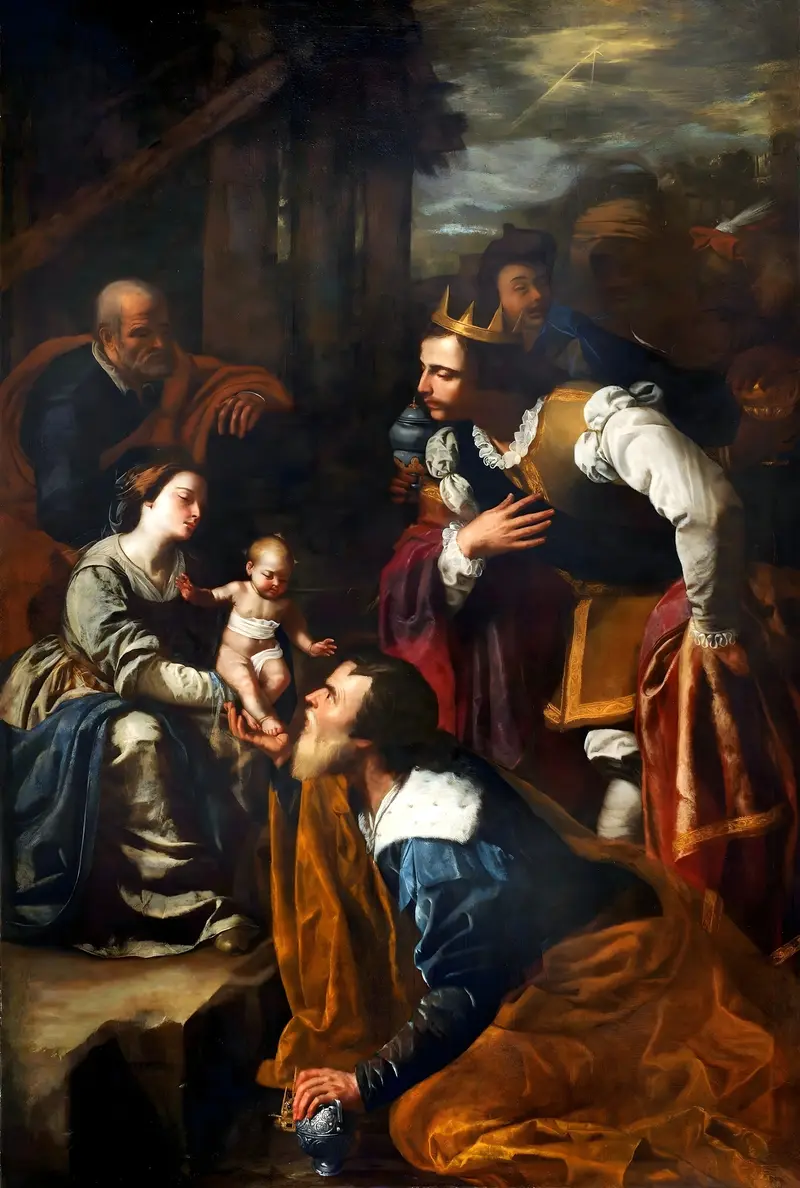
Adoration of the Magi
Artemisia Gentileschi
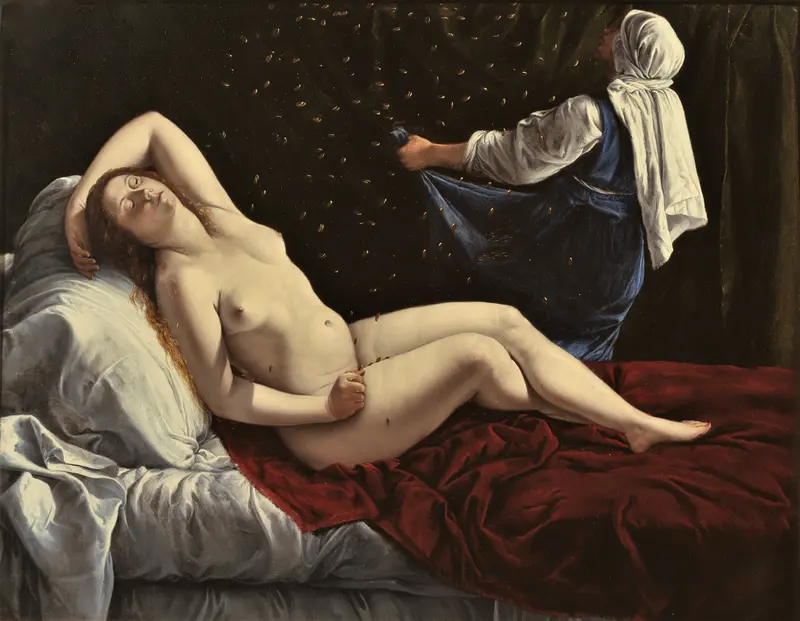
Danaë
Artemisia Gentileschi
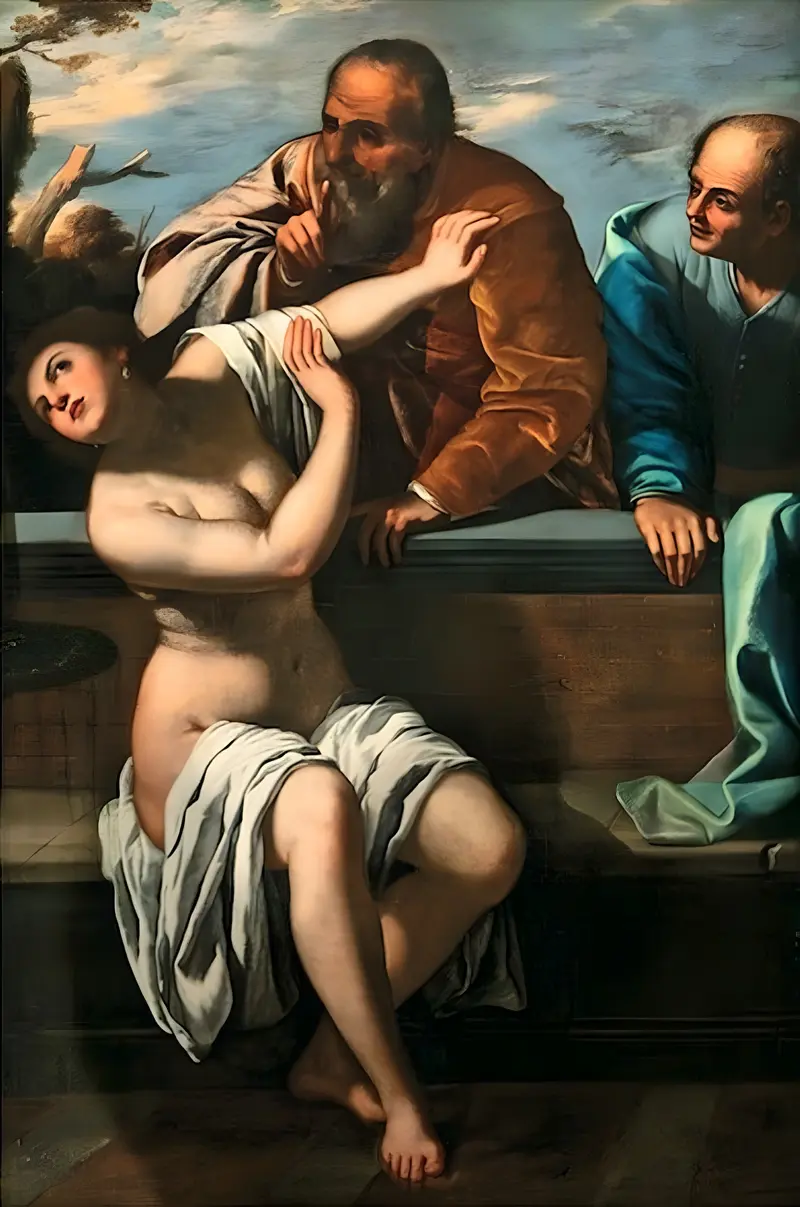
Susannah and the Elders
Artemisia Gentileschi

Judith and her Servant with the Head of Holofernes
Artemisia Gentileschi
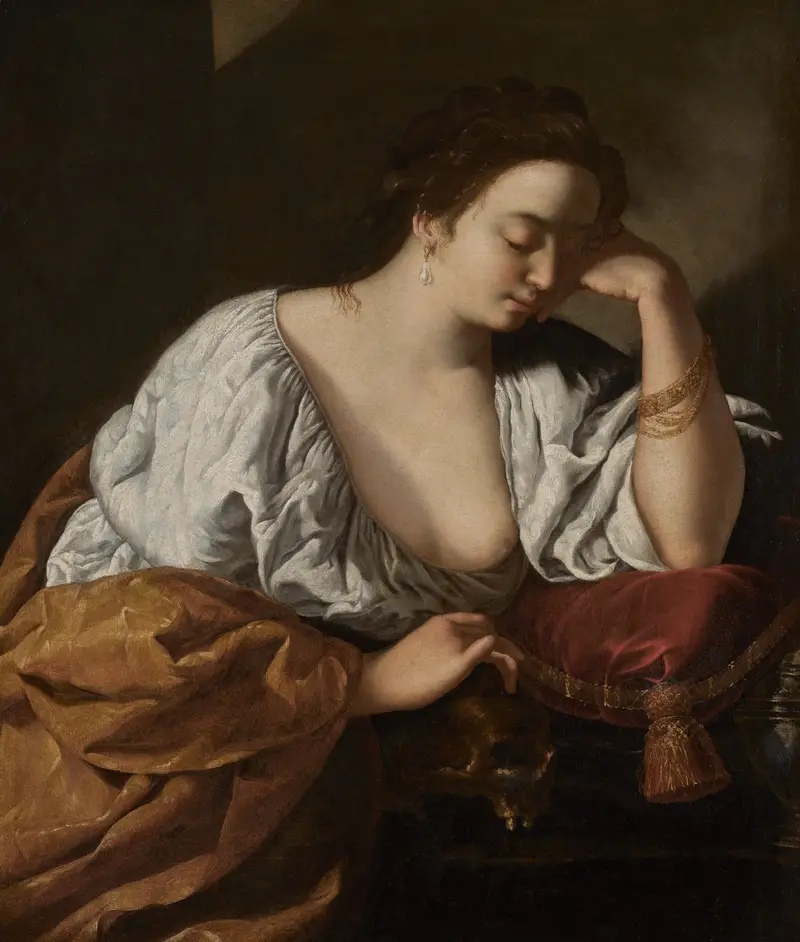
Madeleine pénitente, par
Artemisia Gentileschi
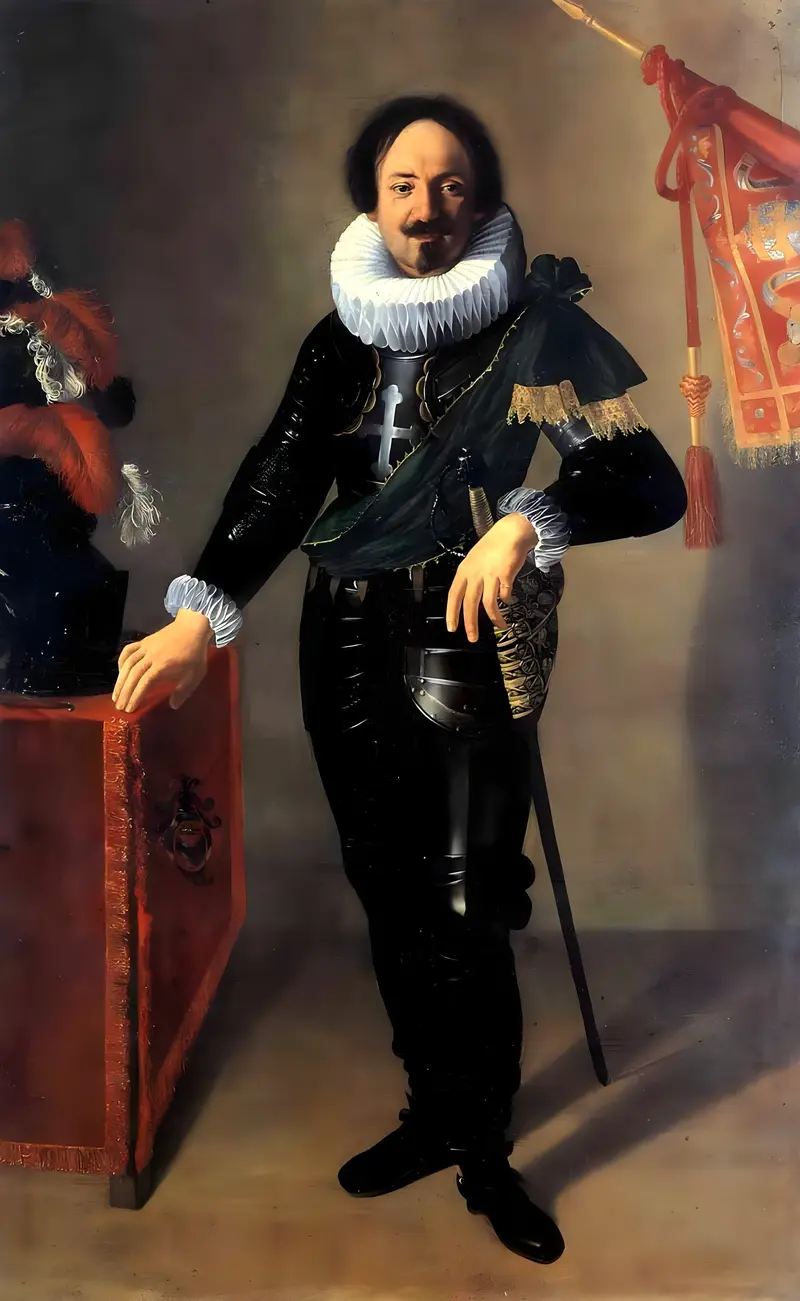
Portrait of a Gonfaloniere
Artemisia Gentileschi





