
Estuary on the River Taw, Devon — History & Facts
Can beauty exist without sorrow? In the gentle embrace of nature, the landscape reveals a world replete with the promise of rebirth. Look to the left at the soft, rolling hills that cradle the estuary, their verdant hues contrasting with the shimmering waters below. Notably, the artist employs a delicate palette of blues and greens, creating a serene atmosphere that invites contemplation. The play of light is masterful; it dances on the water’s surface, hinting at the transitory nature of life and the ever-changing tides.
Here, Girtin captures not just a location, but a moment suspended in time, where the richness of detail draws the viewer into the scene. In the foreground, a solitary figure stands on the bank, a symbol of quiet reflection amidst the grandeur of the landscape. The subtle tension between the stillness of the figure and the dynamic flow of the river speaks to the duality of existence—how one can feel both grounded and adrift. The wisps of clouds that punctuate the sky suggest an imminent shift, hinting at the swirling emotions that accompany nature’s beauty, evoking a sense of longing intertwined with hope. Created in 1797 while Girtin was in the midst of exploring watercolor techniques, this work emerged during a time of artistic transition in Britain, where the Romantic movement began to take root.
Girtin's dedication to capturing the sublime in nature marked him as a significant figure among his contemporaries, paving the way for later masters of landscape painting. In this piece, he not only displays his technical prowess but also invites an emotional engagement with the viewer, grounding his artistry in both personal and universal themes.
More Artworks by Thomas Girtin
Browse all →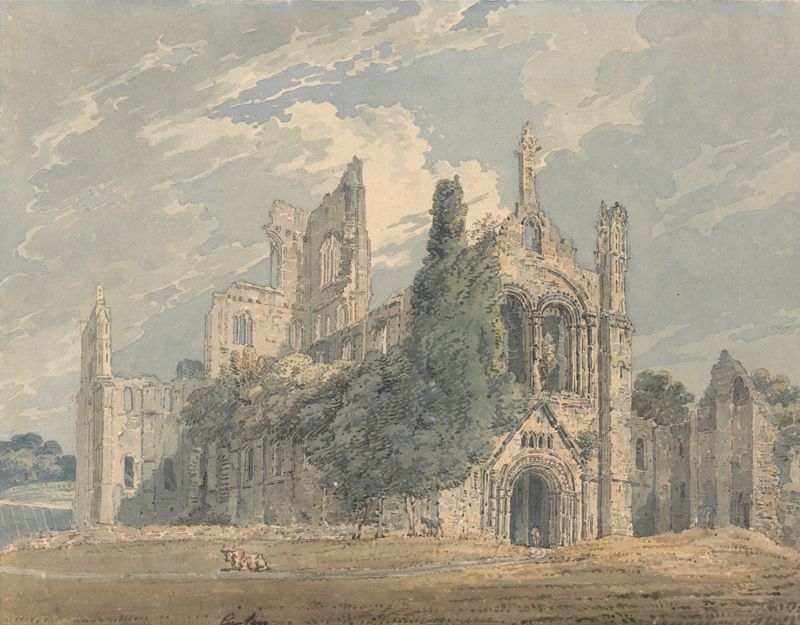
Kirkstall Abbey from the N.W.
Thomas Girtin
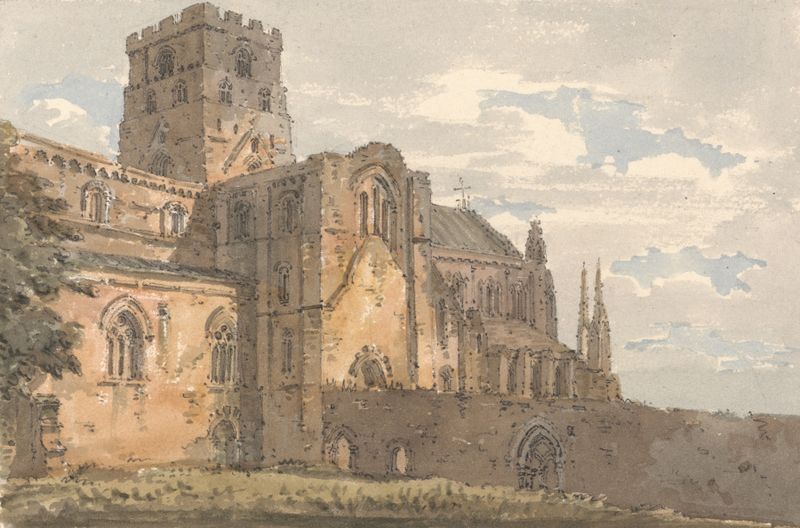
Carlisle Cathedral, Cumberland, from the South-west
Thomas Girtin
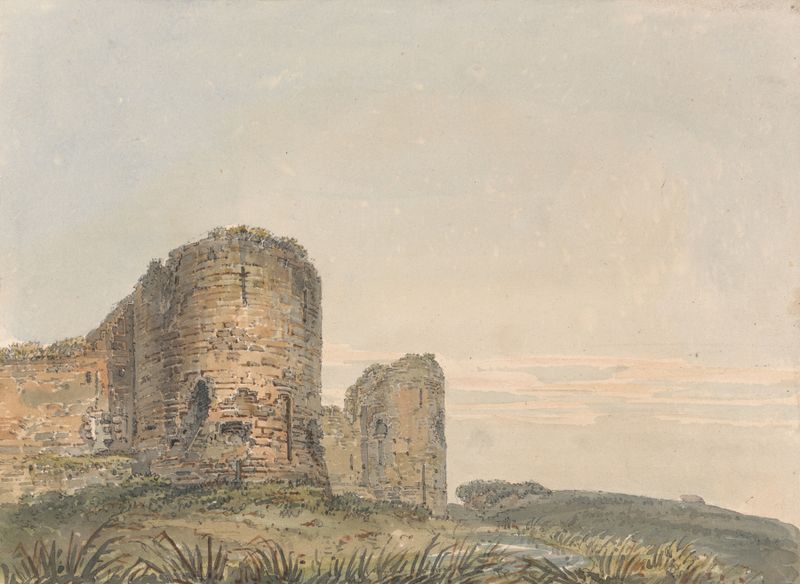
Pevensey Castle, Sussex
Thomas Girtin
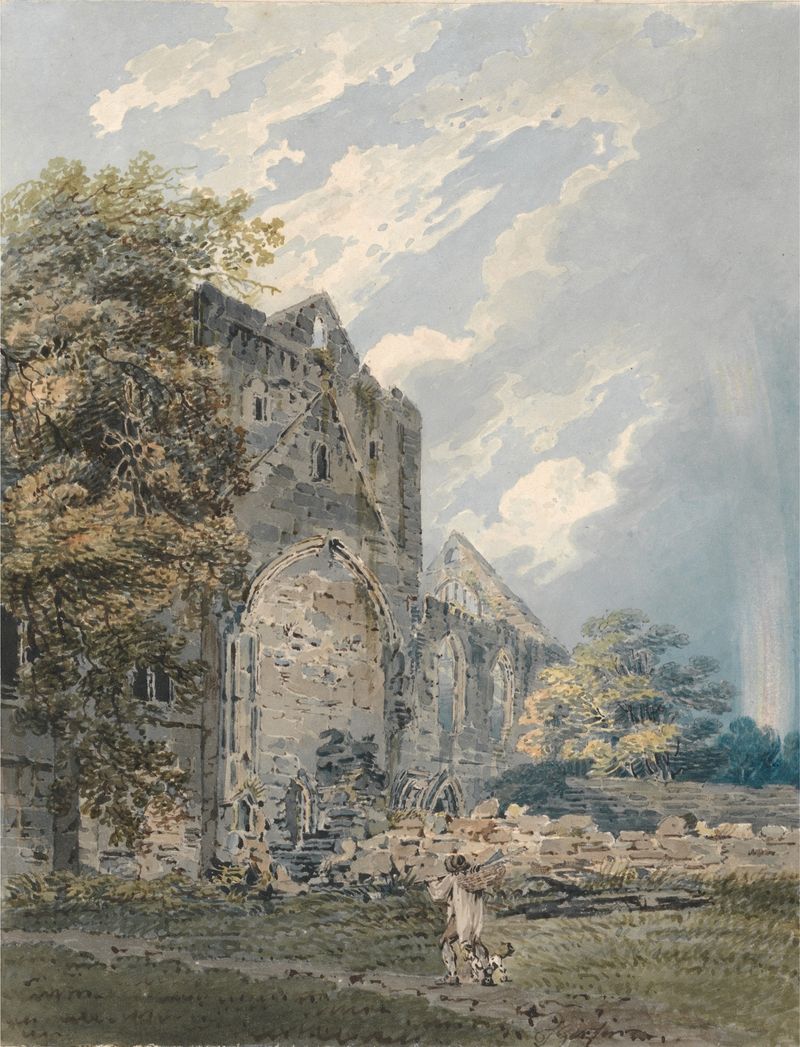
Pluscardine Abbey, Elgin
Thomas Girtin
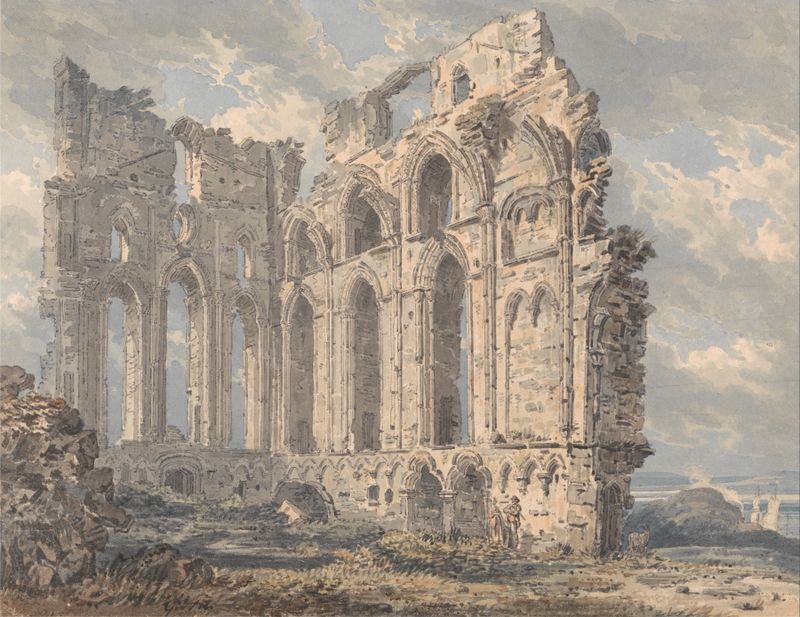
Tynemouth Priory, Northumberland
Thomas Girtin
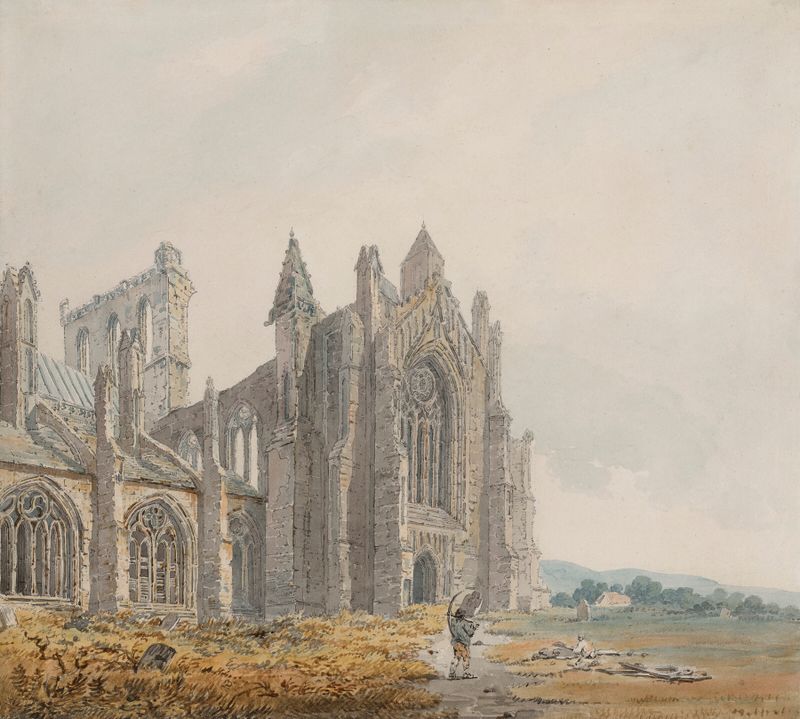
Melrose Abbey, Scotland
Thomas Girtin
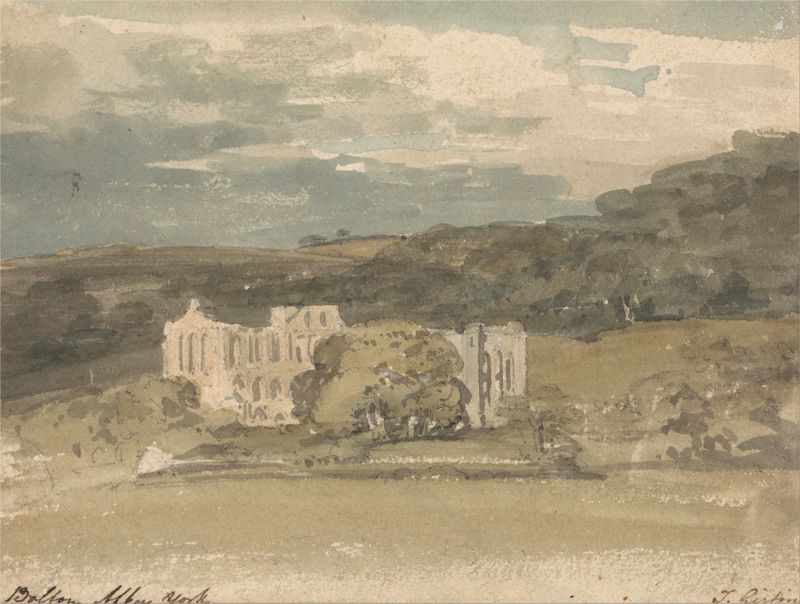
Rievaulx Abbey, Yorkshire
Thomas Girtin
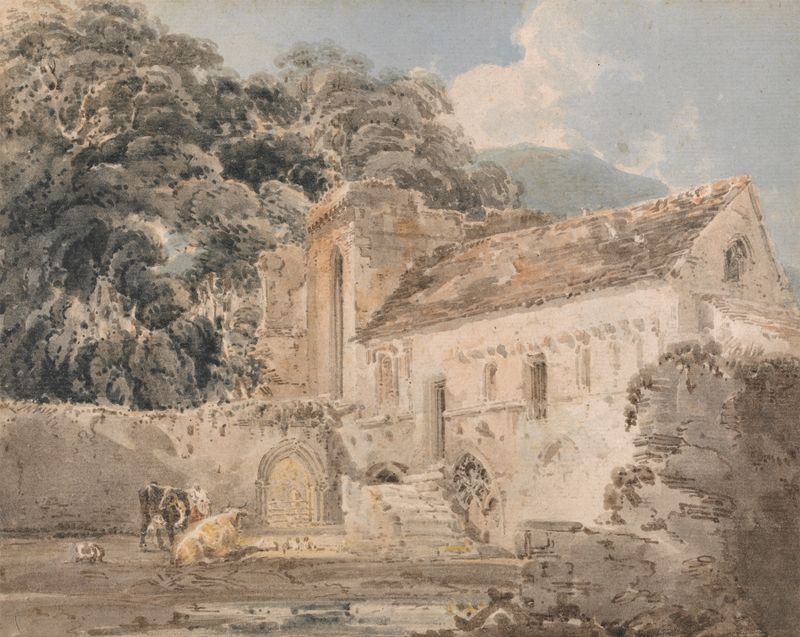
Valle Crucis Abbey, Denbighshire
Thomas Girtin
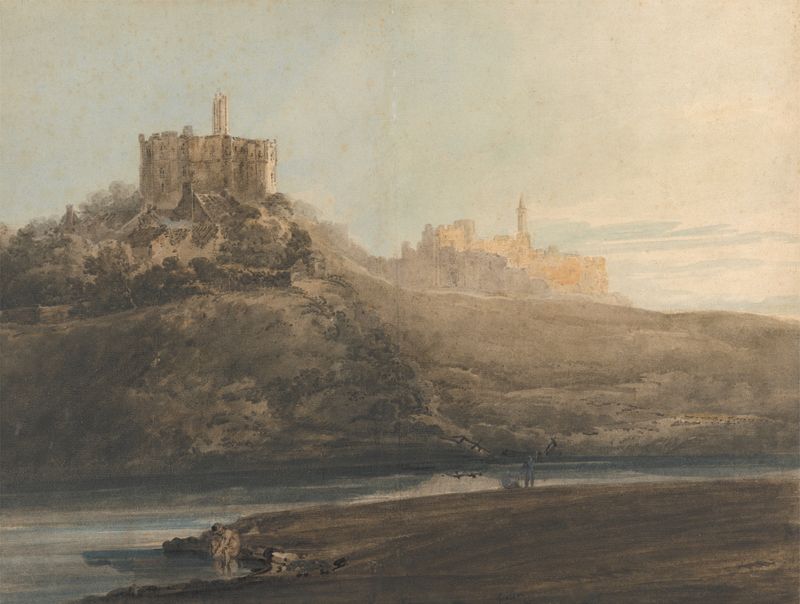
Warkworth Castle, Northumberland
Thomas Girtin
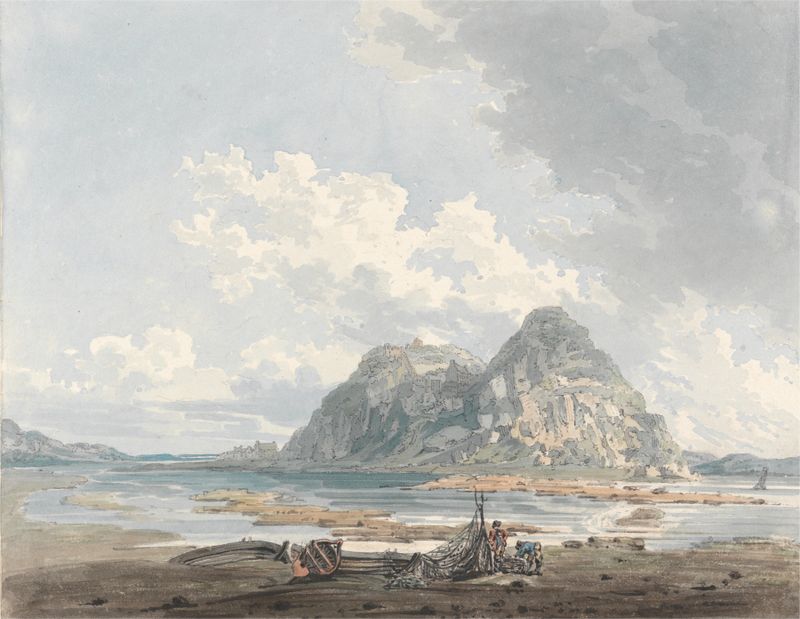
Dumbarton Rock and Castle
Thomas Girtin





