
Etalage d’un marchand d’estampes, quai Conti — History & Facts
When did color learn to lie? In the delicate layers of Etalage d’un marchand d’estampes, quai Conti, fragility hangs in the balance, nudging us to peer closer at the façade of reality presented before us. Focus on the vibrant hues that dance along the surface, each inked detail beckoning the viewer into a world suspended between authenticity and illusion. Notice how the soft pastels of the prints juxtapose against the stark shadows cast by the shopfront, creating an inviting yet elusive atmosphere. The composition draws your gaze to the central display, where the rich textures of paper and the intricate designs seem almost to whisper stories of their own. Beneath the captivating colors lies a tension that speaks to the transient nature of beauty and commerce.
The way light filters through the glass creates fleeting reflections, suggesting that what we perceive is merely a momentary glimpse. The juxtaposition of the lively prints and the somber tones of the surrounding environment evokes a sense of loss and longing, hinting at the fragility of art in a world that constantly shifts and changes. Ferdinand Boberg painted this work in 1926 while living in Paris, a hub of artistic innovation and aesthetic experimentation. The post-World War I era was marked by a burgeoning modernism that aimed to redefine visual expression.
During this time, Boberg embraced new techniques, blending realism with the avant-garde, capturing the ephemeral beauty of everyday life in a rapidly transforming city.
More Artworks by Ferdinand Boberg
Browse all →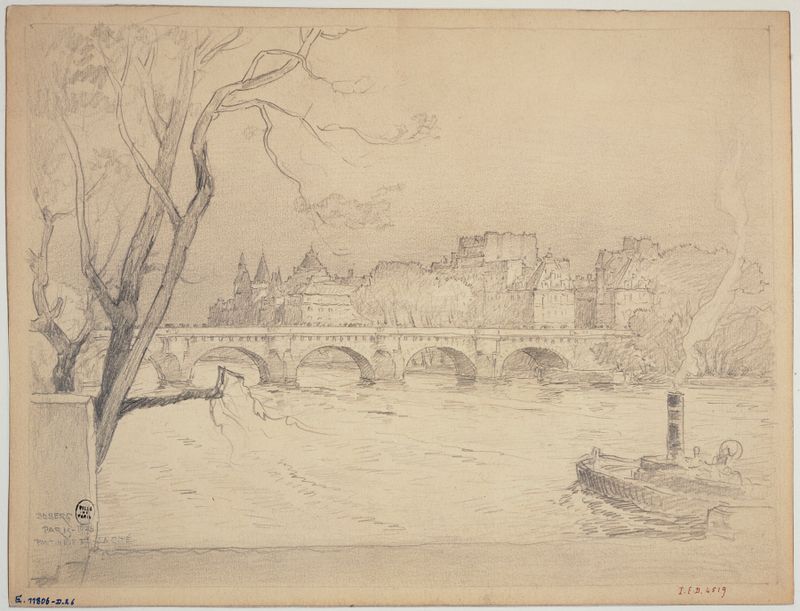
Le Pont-Neuf et la Cité
Ferdinand Boberg
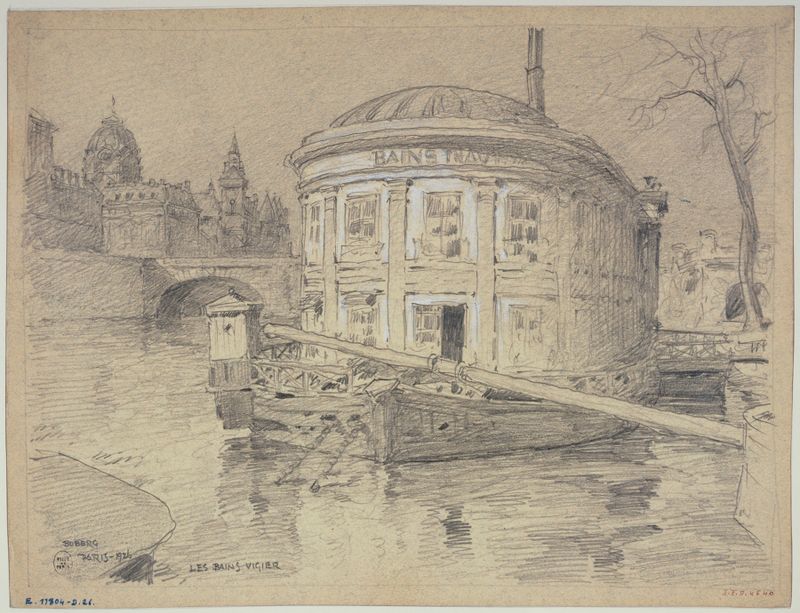
Les bains Vigier au Pont-Neuf
Ferdinand Boberg
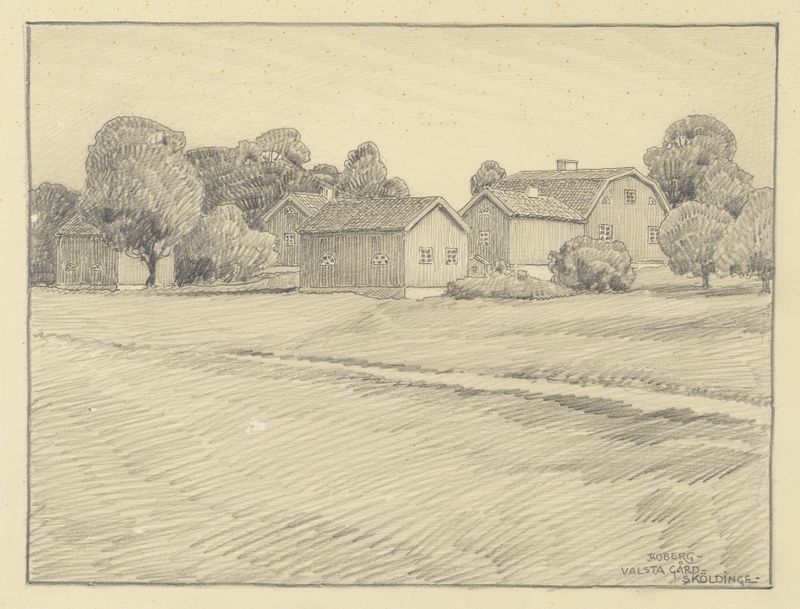
Valsta Gård
Ferdinand Boberg
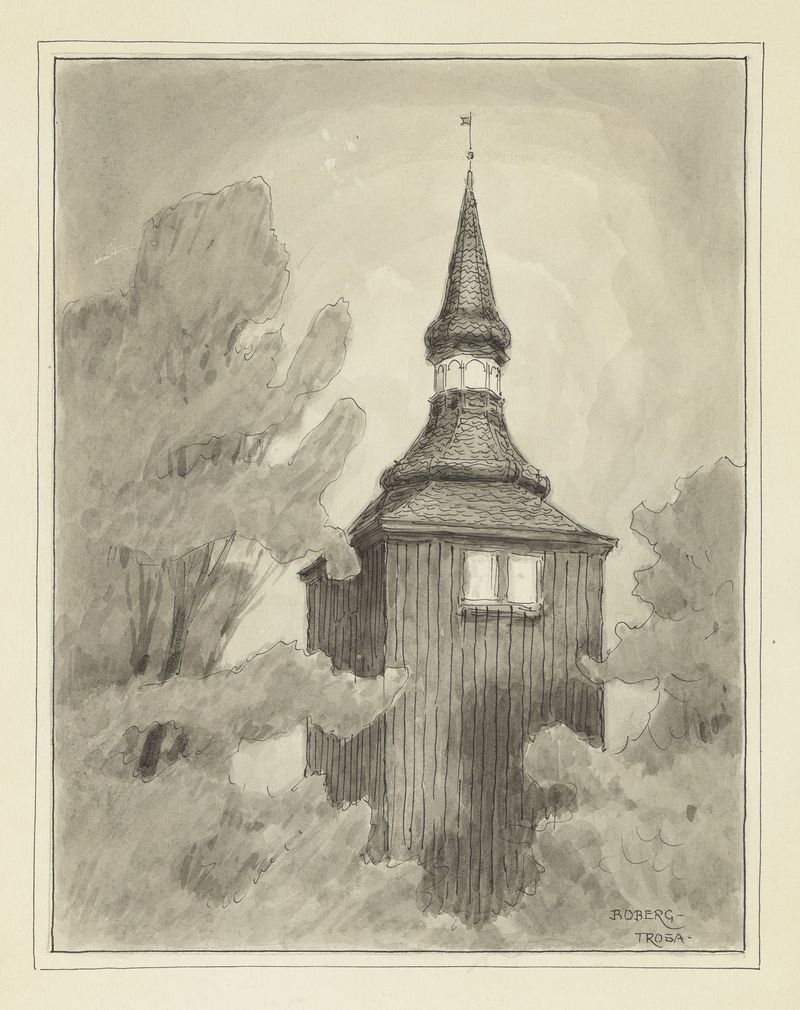
Trosa
Ferdinand Boberg
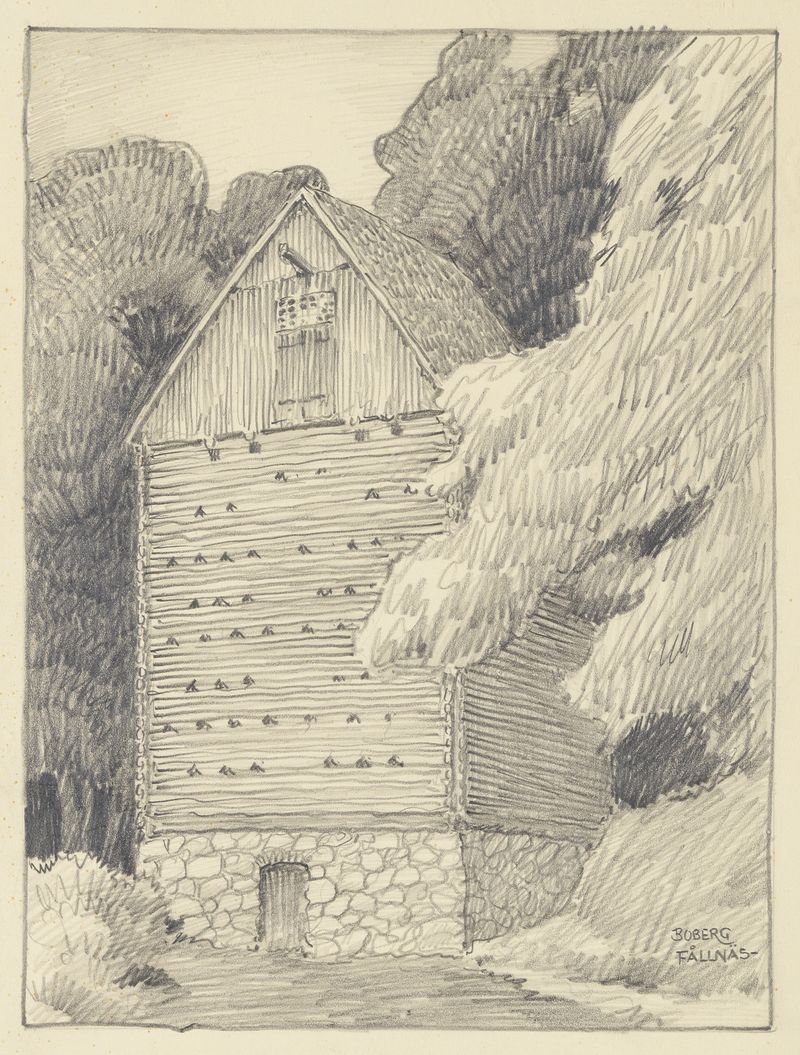
Fållnäs
Ferdinand Boberg
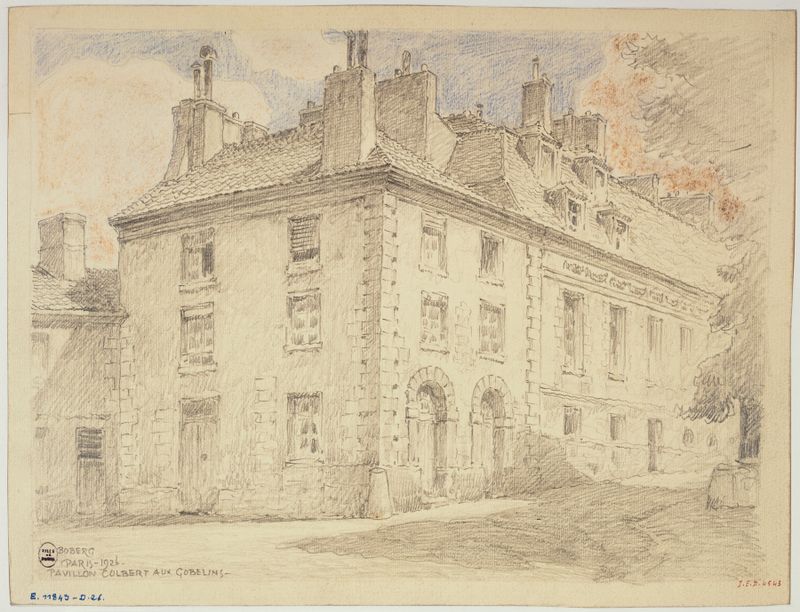
Le pavillon Colbert aux Gobelins
Ferdinand Boberg
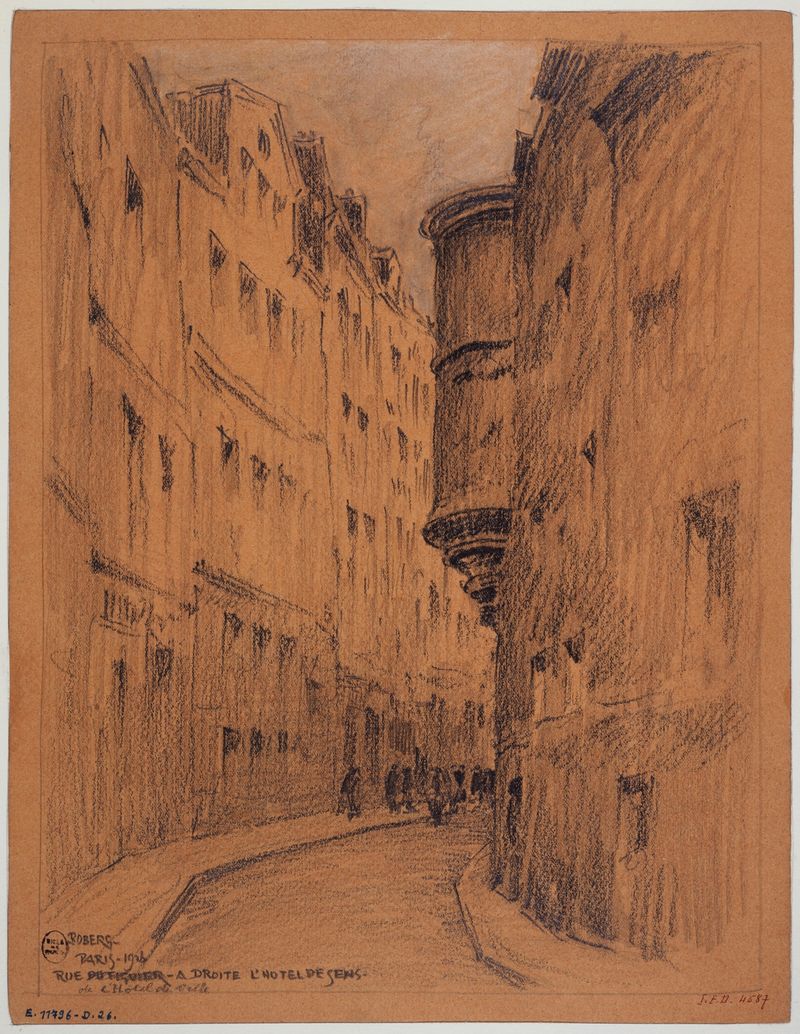
Rue de l’Hôtel de Ville; l’hôtel de Sens
Ferdinand Boberg
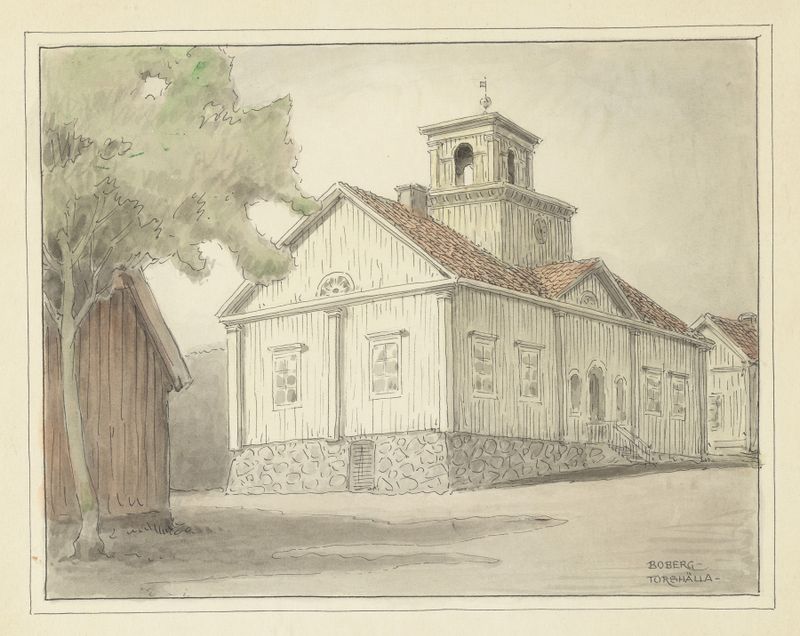
Torshälla
Ferdinand Boberg
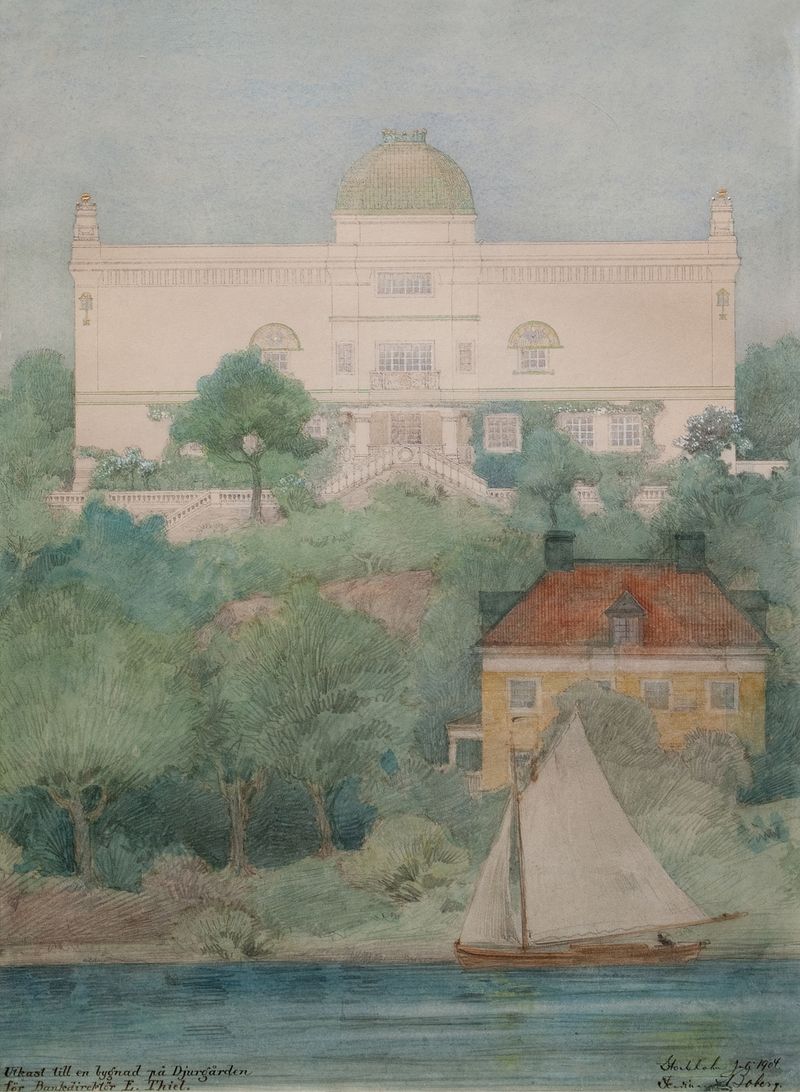
Sketch for a building for Thiel’s Gallery
Ferdinand Boberg
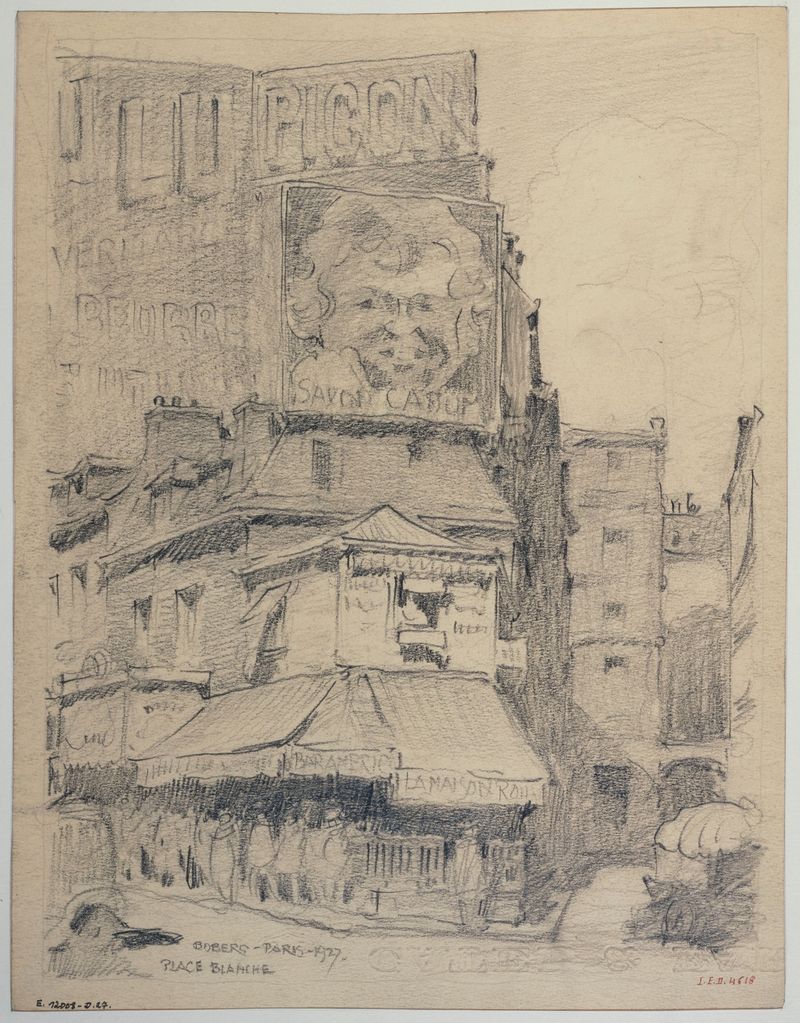
La place Blanche
Ferdinand Boberg





